Meet the Project HOPE Volunteer Caring for Asylum-Seekers in Arizona
For 20 years, Kathy Bowen has traveled the world providing compassionate medical care as a Project HOPE volunteer. Her current deployment is a new challenge: caring for migrant patients near her home in Arizona.
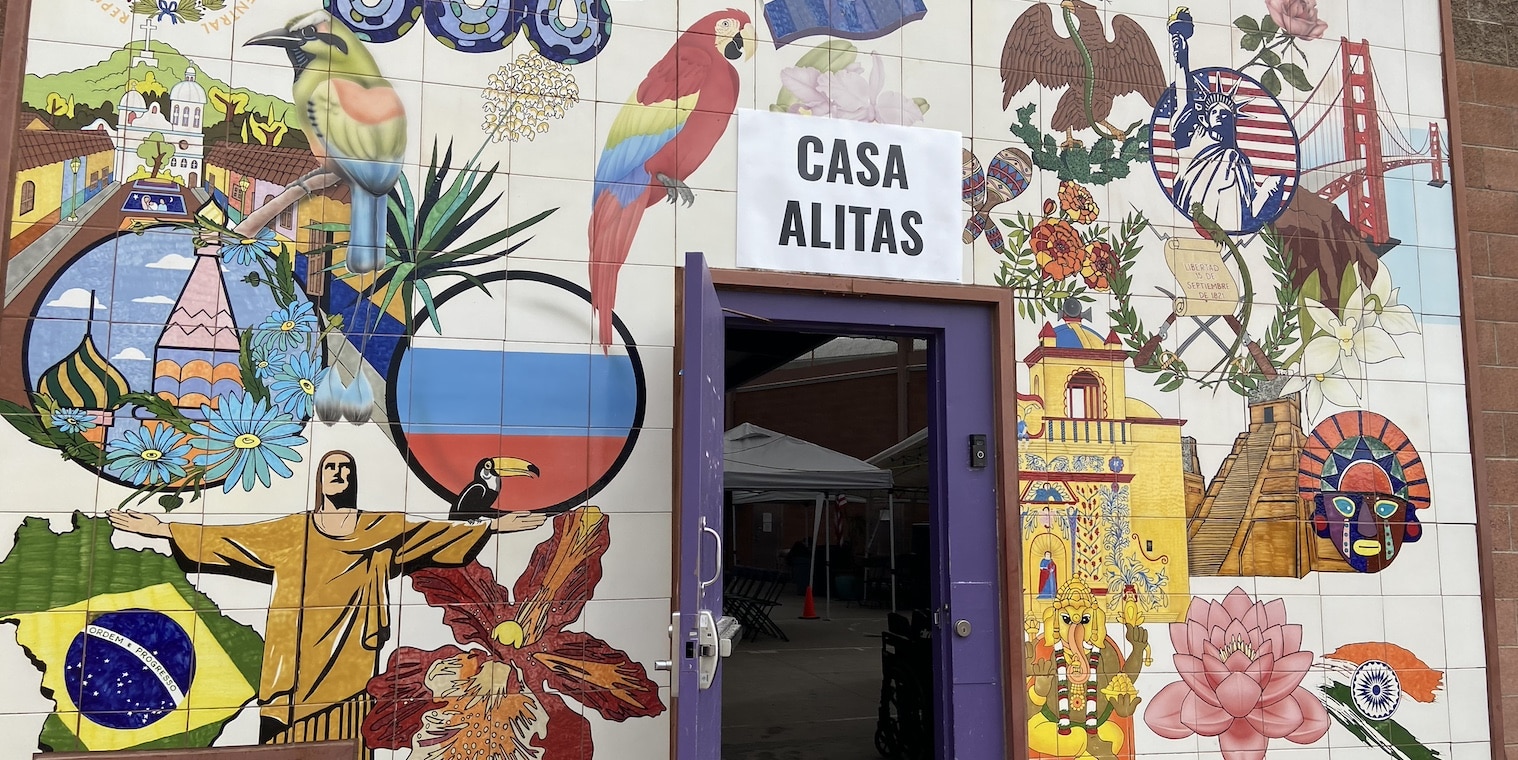
Inside a large room lined with cots for weary travelers, Kathy Bowen is the first doctor that hundreds of migrant travelers have seen in months. Bowen is a Project HOPE volunteer doctor at the Casa Alitas (“House with Wings”) migrant shelter in Tucson, Arizona, where she provides primary care to people of all ages who are seeking asylum in the United States.
Bowen has traveled the world as a Project HOPE volunteer providing medical care during health emergencies like the 2004 tsunami and Covid-19 pandemic. But the migrant emergency at the U.S. border is unlike any deployment she’s had before: it’s in her own backyard.
Casa Alitas is a critical stopping point for asylum-seekers who have made the difficult journey to the United States. But the shelter is supported by government funding that is not guaranteed beyond this year. The closing of the shelter would have disastrous health consequences and would mean hundreds of asylum seekers would be released to the street every day. Women, children, seniors, and others who have profound medical needs would have no place for shelter, food, clothing or medical care.
Read on to learn more about Kathy’s work and what makes shelters like Casa Alitas so critical.
What kind of care do you provide in your role in as a volunteer at Casa Alitas?
I started at Casa Alitas in August 2023, and I help provide walk-in medical care for low-level issues. We see quite a few acute illnesses, colds, and sore throats, but we also get scrapes, sprains, or fractures that haven’t healed well. A fair number of pregnant women also come in.
We get a good number of people who come in because they say they just ache all over, but that’s to be expected since they’ve probably been walking for two weeks, a month, or maybe more. Some of them left their original home six, eight, or 10 months ago and have just gotten across the border.
Where are most of the people you see in the clinic coming from?
I think a lot of people would be surprised to hear that we do have migrants from Mexico, but the vast majority are coming from Ecuador, Peru, Guatemala, Colombia and then a lot from Africa. For a long time we saw most people coming from Senegal, Mauritania, and Malawi, and now it seems to be Guinea. I’ve also seen a few people from the Middle East.
There are a lot of families with young children, so we’ll see Mom, Dad and the kids. I’m a pediatrician, so I’m happy to see the kids. And of course, there are always a few people who present with a medical problem and there’s an underlying level of stress, anxiety, and depression.
I had one woman from Africa say to me recently that it’s very hard to come to the United States, and I think she was talking about physically, it’s hard to get here. But I think it’s also very hard for them because they really don’t want to leave their country. They’re leaving because of economic factors, because of violence.
Many of them are of a lower socioeconomic status, but I think we would also be surprised at the number of middle-class migrants that we see as well. I talked to one person who was a doctor. I’ve talked to some engineers. So it’s a variety of backgrounds that I think a lot of people would be surprised about.
I’m always surprised at the kids that I see because they are generally cheerful, playful kids. I saw a boy recently who said he was 5. He came from Africa. Some of the people who come in with fatigue will talk about the French word, marchon, for walking such a long distance.
What other services does Casa Alitas provide?
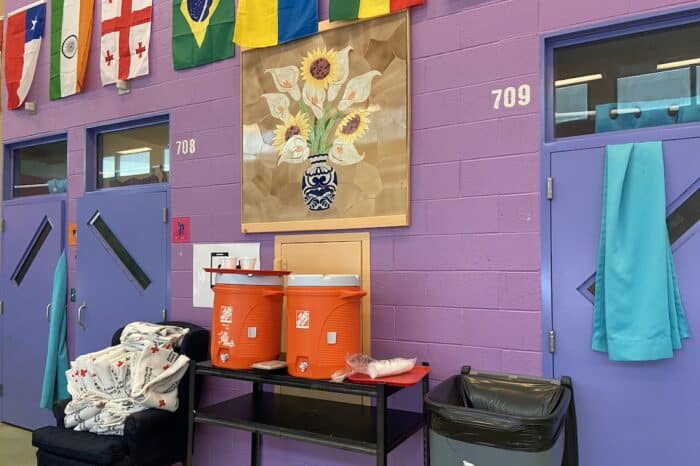
The shelter has several facilities. The medical services are provided through an agency called SEAHEC (Southeast Arizona Health Education Center). The shelter also provides food and has a tienda (store) where everything is free. A lot of the people we see really don’t have any clothes, or their shoes are completely worn out, so they can get a limited amount of clothing. Casa Alitas provides them a place to sit, stay, eat, and get medical care. We also have the ability to get short-term prescriptions for most things.
Where else have you volunteered with Project HOPE in the past?
After the 2004 tsunami, I went to the Marshall Islands during the partnership between Project HOPE and the U.S. Navy. A few years after that, there was an alliance between Project HOPE and the Air Force and I went to Vietnam. And then during the Covid-19 pandemic, I went to Shiprock, New Mexico for a few days and did Covid testing.
When Project HOPE signed on to help out at Casa Alitas, I was the only currently licensed physician in Tucson who has worked with Project HOPE in the past. So that’s how I got involved. And as it turns out, one of the women who oversees the medical clinic was my patient growing up.
What kind of value does Casa Alitas provide to the community, and what would happen if it were to close?
If Casa Alitas were not here, the majority of people would become homeless and they probably would not seek care. So in terms of just treating people with humanity, it’s important to have a setting like this.
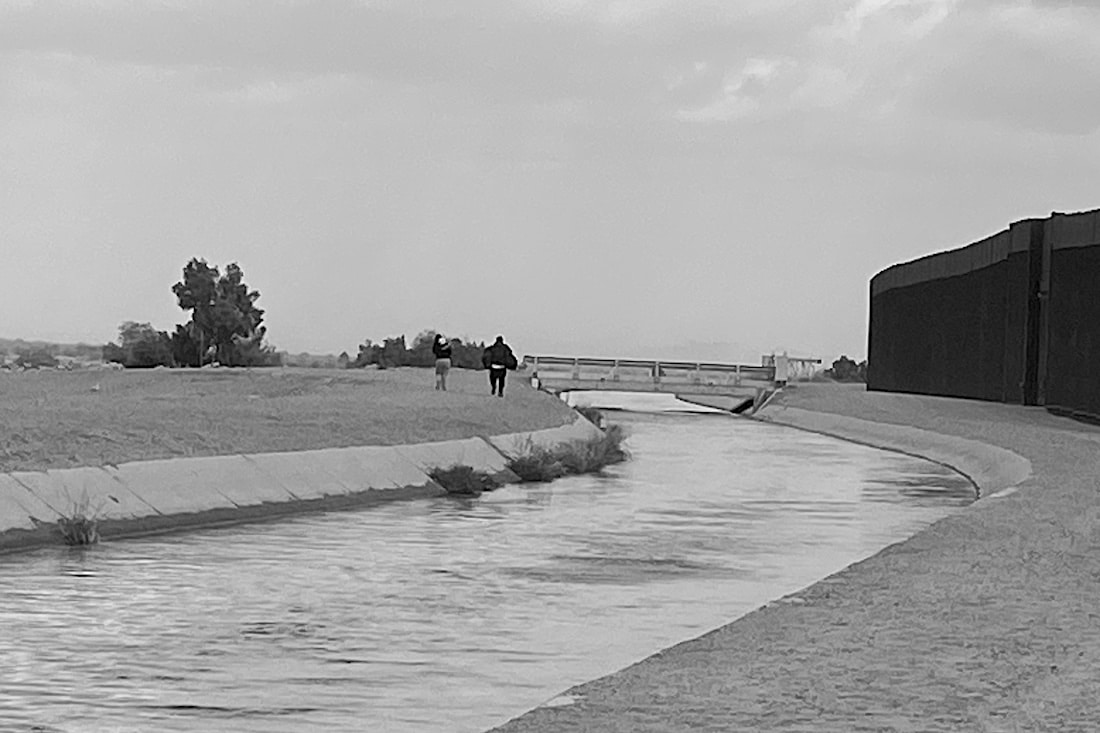
One thing that’s really important to stress is that these are not illegal immigrants coming to the shelter. These are people who have been seen by Border Patrol and screened by immigration. They are not illegal. They have a date for a hearing. Some of them are weeks away, some of them are months to years away. These are primarily asylum seekers. The shelter is important because these are human beings who deserve to be treated with respect.