Namibia
Providing HIV testing, care, and treatment in partnership with Project HOPE Namibia
The Context
Namibia has achieved significant wins in the fight against HIV, including reducing HIV incidents, promoting testing, and enhancing treatment accessibility, nearly reaching the UNAIDS 95-95-95 goals. Currently, 95% of individuals living with HIV are aware of their status, with 91% of them receiving treatment, and 86% achieving viral load suppression.
Despite these commendable achievements, Namibia still holds the fifth-highest HIV prevalence globally and women continue to be disproportionally affected.

220,000
people living with HIV
An estimated 8% of the population currently lives with HIV.

54,000
children have been orphaned due to HIV/AIDS
These children are more likely to have difficulties receiving quality health care, adequate nutrition, and access to educational opportunities.

27%
of the population lives below the international poverty line
Despite Namibia being classified as an upper-middle-income country, more than 1 in 5 people Namibia live in poverty.
Our Impact
Combating the HIV/AIDS epidemic
Project HOPE works closely with communities to mitigate the HIV epidemic in Namibia. Together with U.S. Department of State and Project HOPE Namibia, Project HOPE is improving HIV case finding, testing, viral load suppression, and treatment outcomes for children, including orphans.
We take a comprehensive approach to support children between the ages of 0 and 17, making access to adequate care possible so that having HIV doesn’t prevent children from living healthy, full lives.
Previously, our team has also implemented programs that engaged children and adolescents alongside their families and communities to foster a positive environment for their future health. Together with local partners we have promoted work opportunities, provided funding for school materials, and shared information on HIV, maternal health, and gender-based violence.
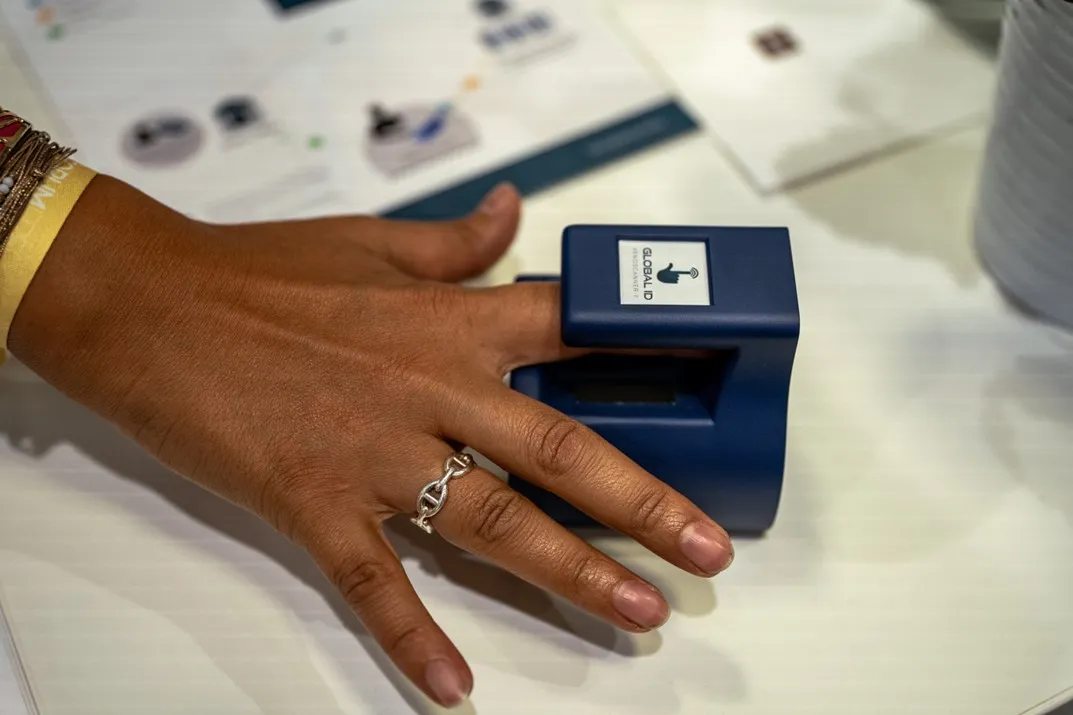
Strategic Partnership with Global ID in Namibia, Malawi
Project HOPE and the biometric data technology platform, Global ID, are introducing an innovative solution for managing participant data in health information systems. In Namibia, our teams use the unique patterns of finger veins to ensure unparalleled privacy protection and health records accuracy, with plans to expand to Malawi.
Our History in Namibia
Since 2002, Project HOPE has been combating the HIV epidemic in Namibia. In partnership with local organizations and in close coordination with the Ministry of Health and Social Services and the Ministry of Gender Equality and Child Welfare, we have implemented programs funded by PEPFAR, USAID, UNICEF, and the U.S. Department of State to support at-risk populations across the country access treatment, education, counseling, and opportunities to improve their income.
Project HOPE supported the establishment of its local affiliate, Project HOPE Namibia (PHN), in 2005 and supported PHN to transition to a direct funding relationship with USAID/U.S. Department of State in 2013. While PHN is independently controlled and operated, Project HOPE and PHN continue to collaborate closely on PEPFAR-funded activities across the region.


Donate
Please give now to deliver urgent relief to people facing disasters and health crises — and make a lasting impact by rebuilding clinics, supporting health workers, providing mental health care, and more.

Join
Follow us on social media, share photos and videos of our work with your family and friends, and join our community of global health champions.

Fundraise
Whether you’re looking to host an in-person event, create your own fundraiser for your birthday, do a charity stream, or run a race, join our community of fundraisers!