
Mental Health
Expanding access to mental healthcare and psychosocial support for health workers, refugees, migrants, new mothers, and people with chronic health conditions around the world
Our Approach
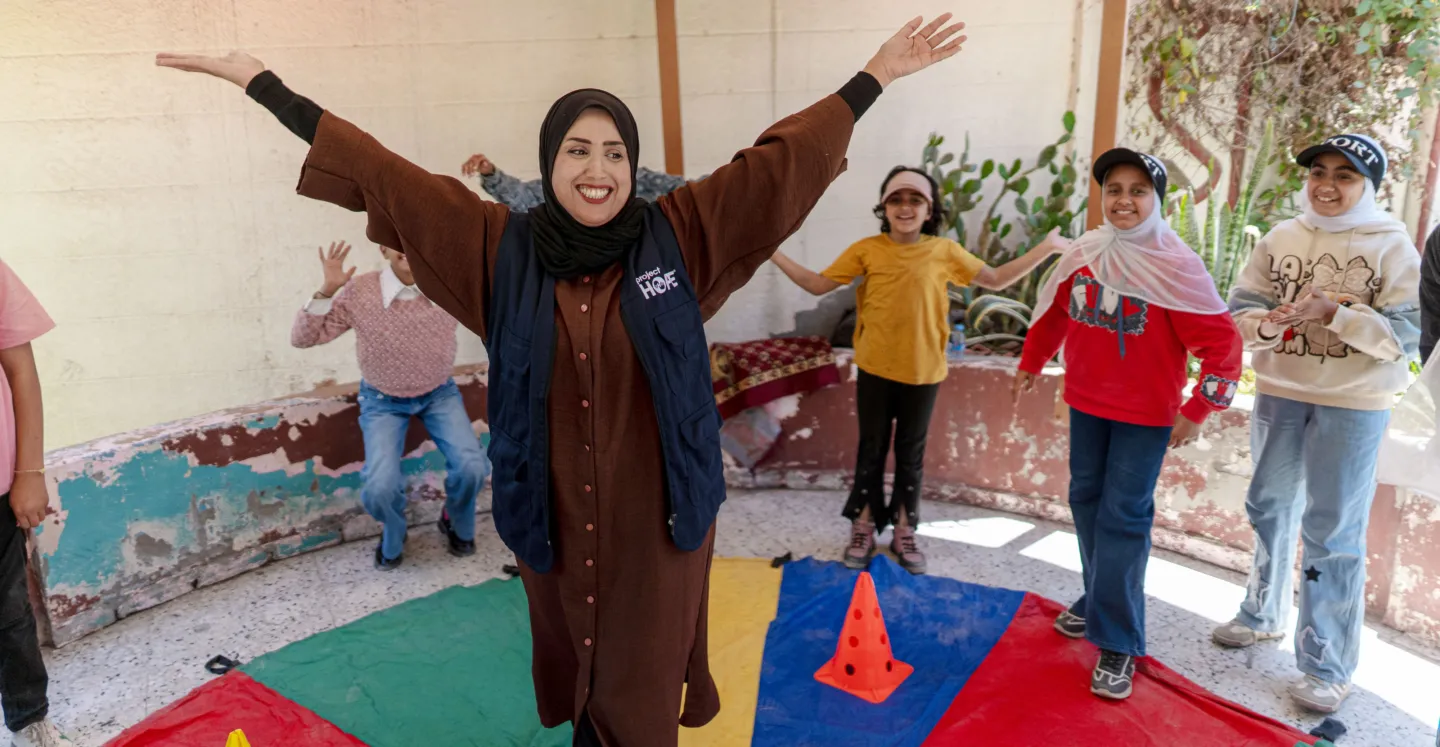
At Project HOPE, we believe that everyone, regardless of their circumstances, should have access to comprehensive mental healthcare and support. We work hand-in-hand with communities and local health workers to break down barriers, challenge stigmas, and ensure equitable access to mental health services. We understand that mental health is integral to primary healthcare, and we strive to integrate mental health services into existing health systems.
Around the world, Project HOPE:
- Raises awareness and advocates for the importance of mental health as an essential component of our health and a basic human right
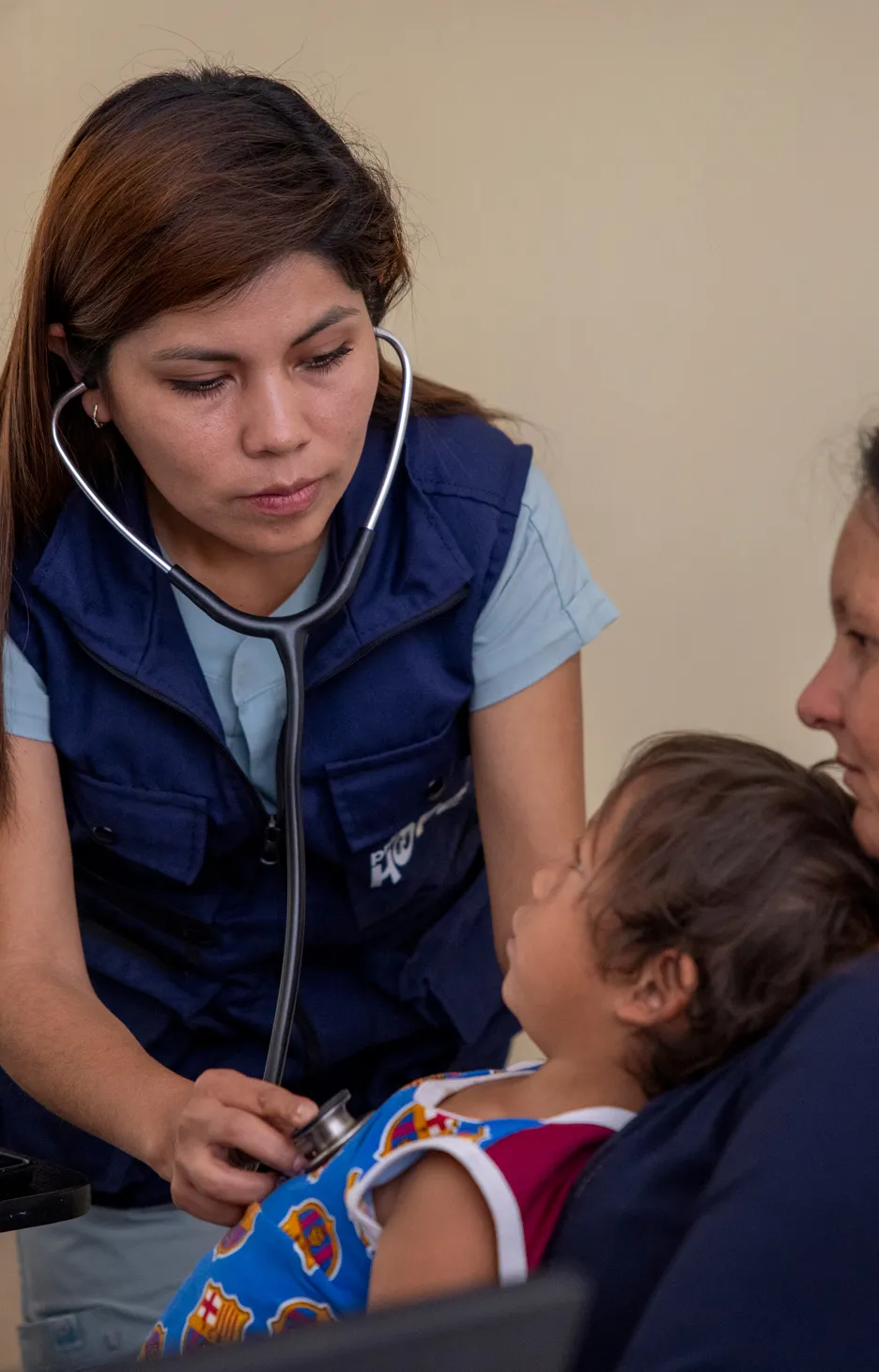
- Equips health facilities with the necessary resources and knowledge needed to provide quality mental healthcare and psychosocial support
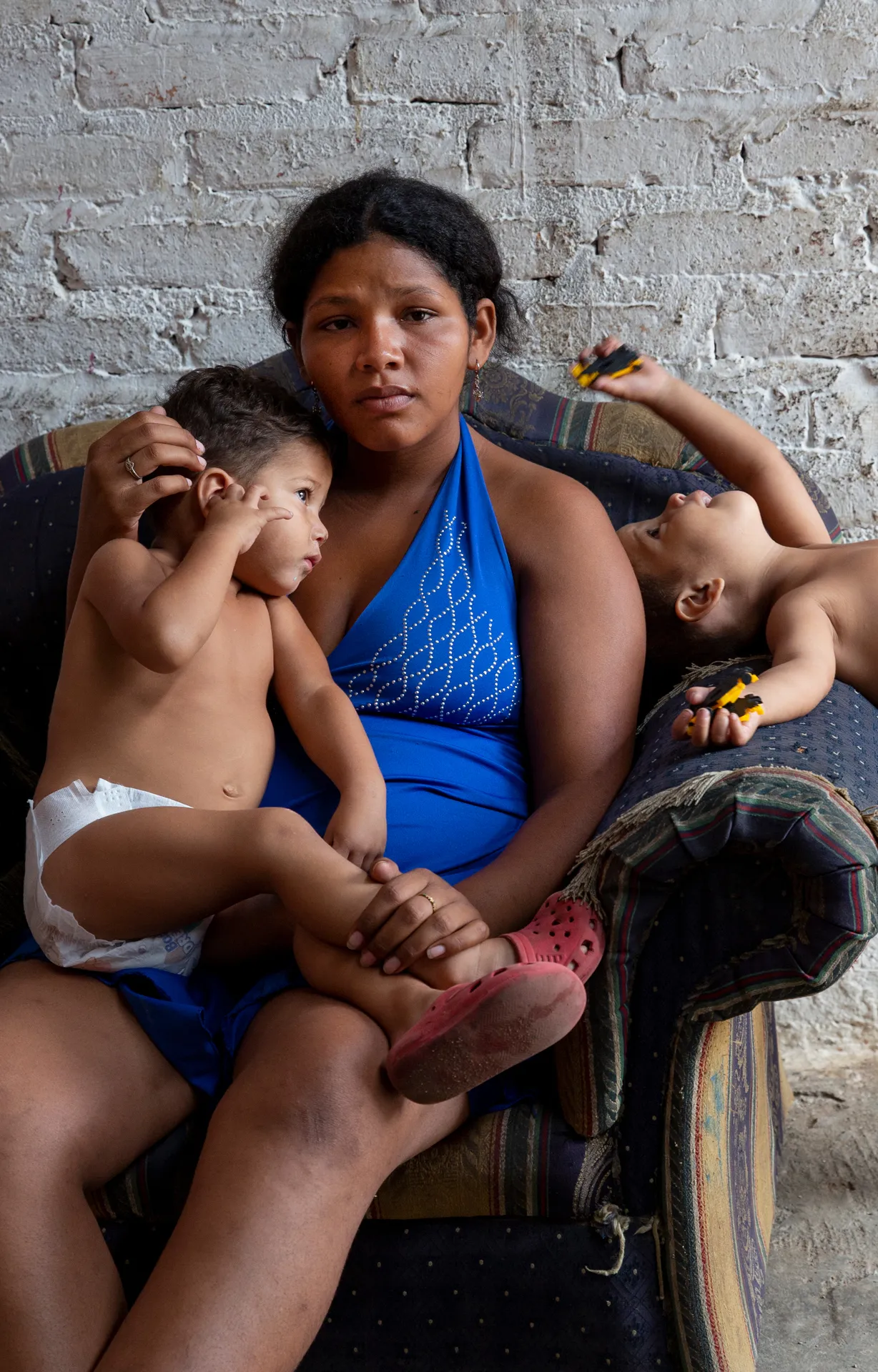
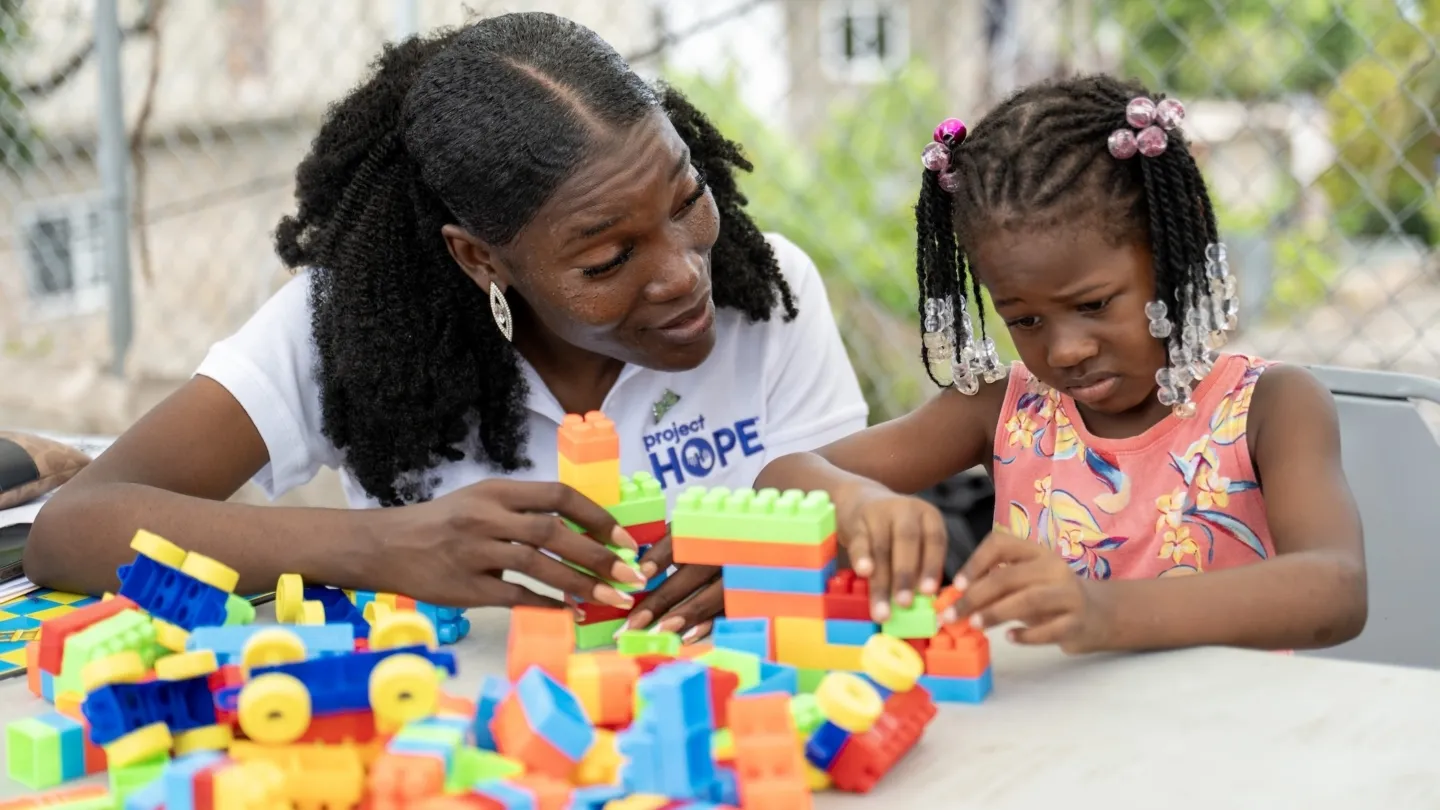
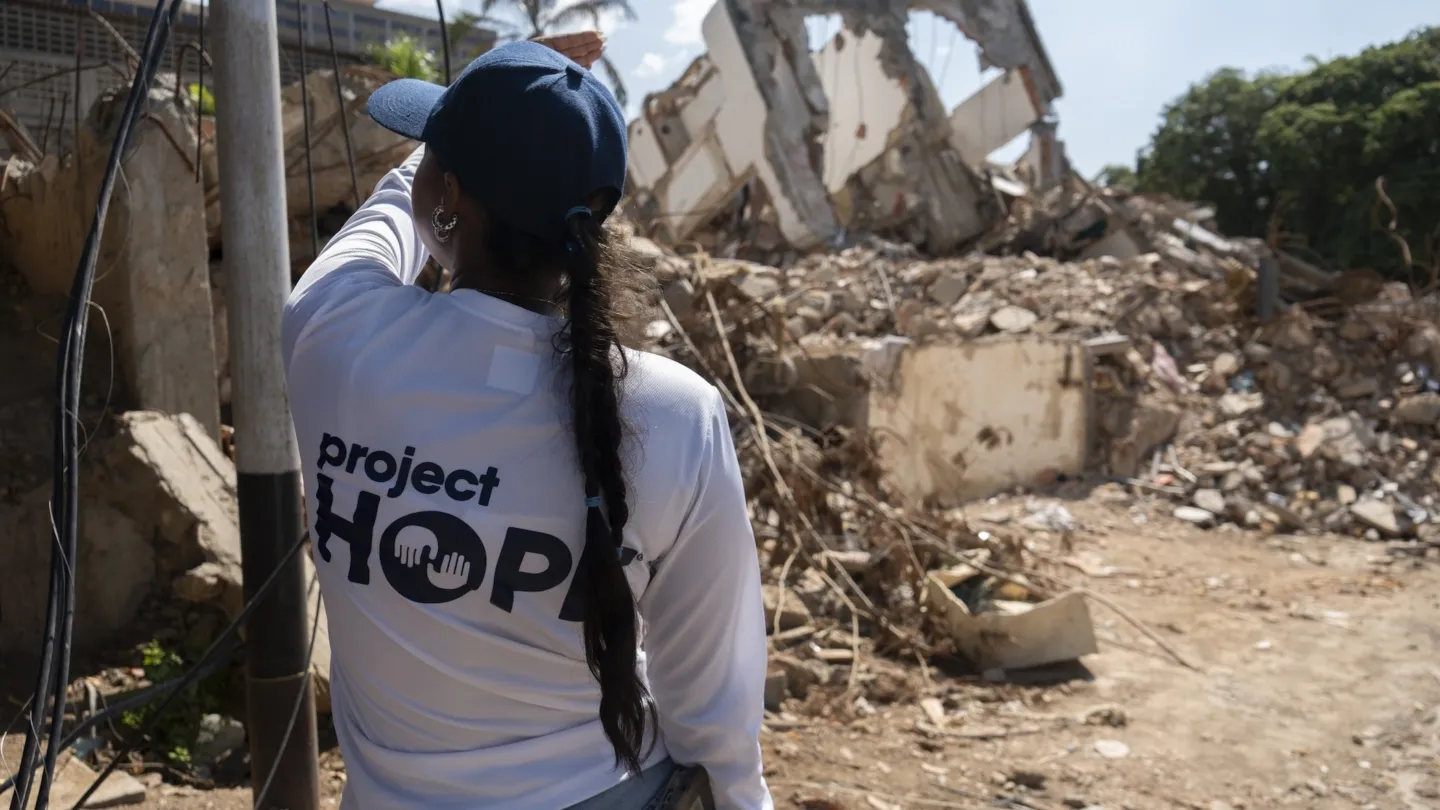
- Prioritizes the mental health needs of children, refugees, pregnant women, new mothers, health workers, and people impacted by conflict or disaster
- Deploys mobile medical units to rural or conflict-affected areas to expand access for mental healthcare
- Implements community-based programs to address the mental health needs of people living with chronic conditions like TB, HIV, and diabetes

1.2 billion
people experience mental health challenges
Nearly 1 in 7 people worldwide live with a mental disorder, which can be severely disruptive if left untreated. Anxiety and depression are the most common.

>90%
of people with mental health issues receive no treatment
Most people facing mental health challenges do not receive mental healthcare because of access issues, stigma, or lack of qualified health workers.

1 in 5
people facing conflict will develop a mental health disorder
The chaos of war, conflict, and disaster increases symptoms of depression, anxiety, post-traumatic stress disorder, bipolar disorder, and schizophrenia.
The Context
Mental health issues are on the rise around the world and a reality of life in every community, in every country, on every continent. Yet most people suffering from mental health conditions don’t receive the care they need. The availability of specialized mental health services is especially limited in developing countries. Around half the world’s population lives in countries where there is just one psychiatrist serving 200,000 people or more.
Several factors impede people from accessing mental healthcare, including the lack of trained mental health workers and the stigma and discrimination surrounding mental health conditions.
Although more attention is being paid to normalize mental health — and promote quality health services — governments still spend only about 2% of health budgets on mental healthcare.
Protecting Mental Health



Mental Health Resource Center
It is important to remember to take care of yourself. If you need tips, hotline numbers, or just five minutes to take a break, check out our Mental Health Resource Center.


Donate
Please give now to deliver urgent relief to people facing disasters and health crises — and make a lasting impact by rebuilding clinics, supporting health workers, providing mental health care, and more.

Join
Follow us on social media, share photos and videos of our work with your family and friends, and join our community of global health champions.

Fundraise
Whether you’re looking to host an in-person event, create your own fundraiser for your birthday, do a charity stream, or run a race, join our community of fundraisers!