Hurricane Melissa: Response Completed
Project HOPE has concluded our response in for Hurricane Melissa. To see active responses, please refer to our Responses Page.
What are the greatest needs? | Donate | Our history in the region
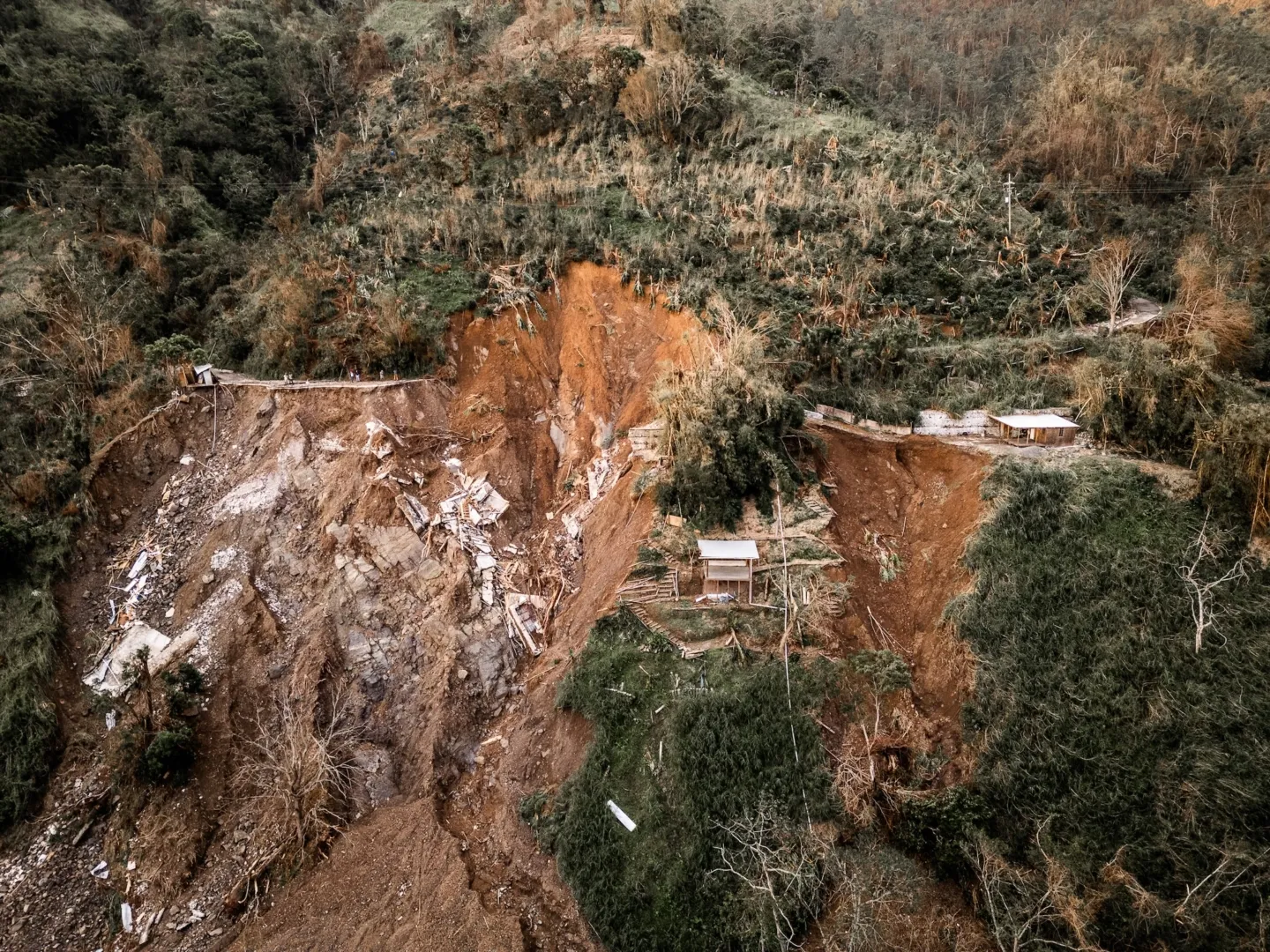
Hurricane Melissa was the strongest recorded hurricane to ever hit Jamaica and caused widespread damage, landslides, and flooding across the Caribbean.
Project HOPE’s Emergency Response Team was on the ground from October 2025 to May 2026, providing critical health and humanitarian relief to the most affected communities. Read on to learn more about this prior work.
How did Project HOPE respond to Hurricane Melissa?
Project HOPE focused its response to Hurricane Melissa on the Caribbean’s hardest-hit regions. Our team in Jamaica ran four mobile medical units across St. James, St. Elizabeth, Westmoreland, and Trelawny parishes, bringing life-sustaining healthcare directly to the most affected communities and people in hard-to-reach areas. As of April 2026, our response reached 125,000 Jamaicans.
Project HOPE provided surge support to 19 health facilities and organized mental health and resiliency trainings for frontline responders — including hospital staff, community leaders, and local organizations — to ensure that the people caring for the most affected communities are able to care for themselves.
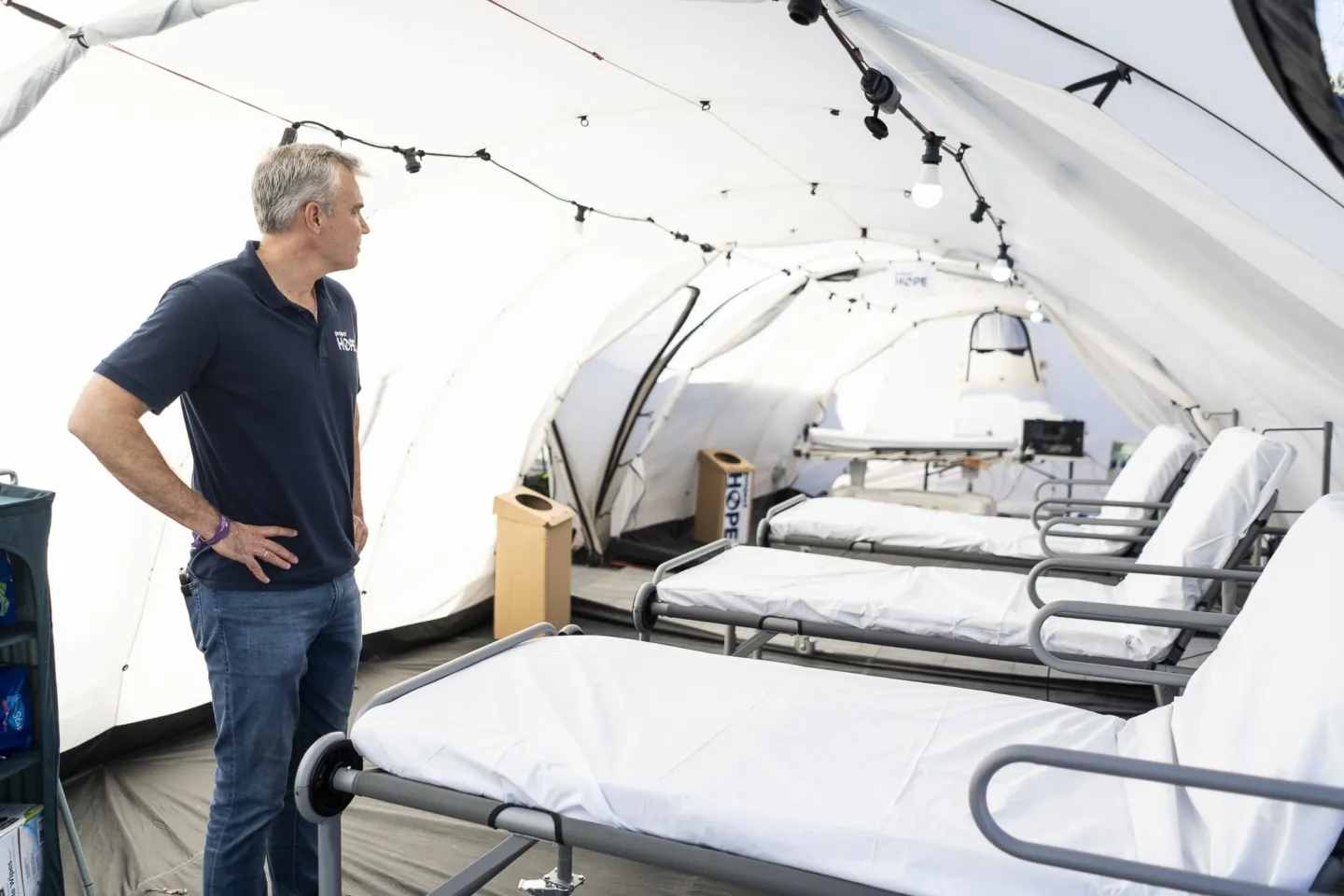
In the immediate aftermath, Project HOPE also built and operated a field hospital outside Noel Holmes General Hospital in Lucea, Jamaica. Funded in part by a grant from the U.S. Department of State, the team of 25 doctors, nurses, and pharmacists provided primary health and emergency medical care to reduce the demand on nearby facilities and ensure access to lifesaving care while communities recover.
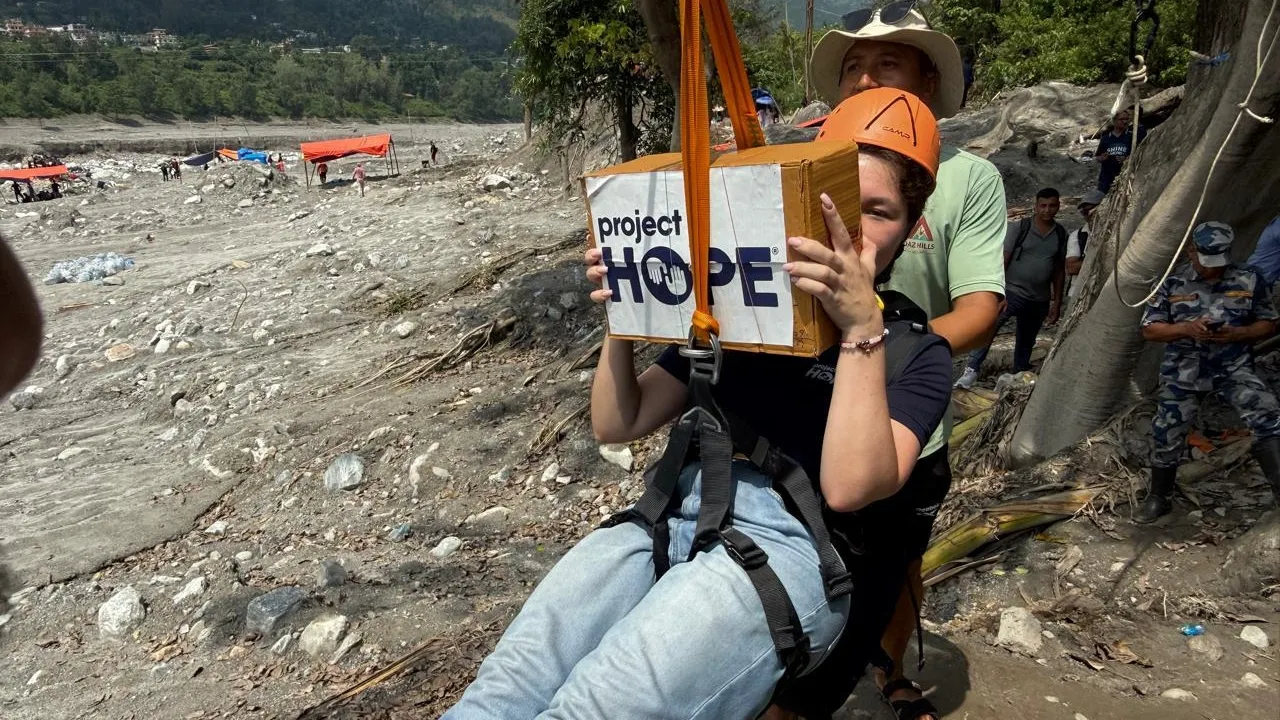
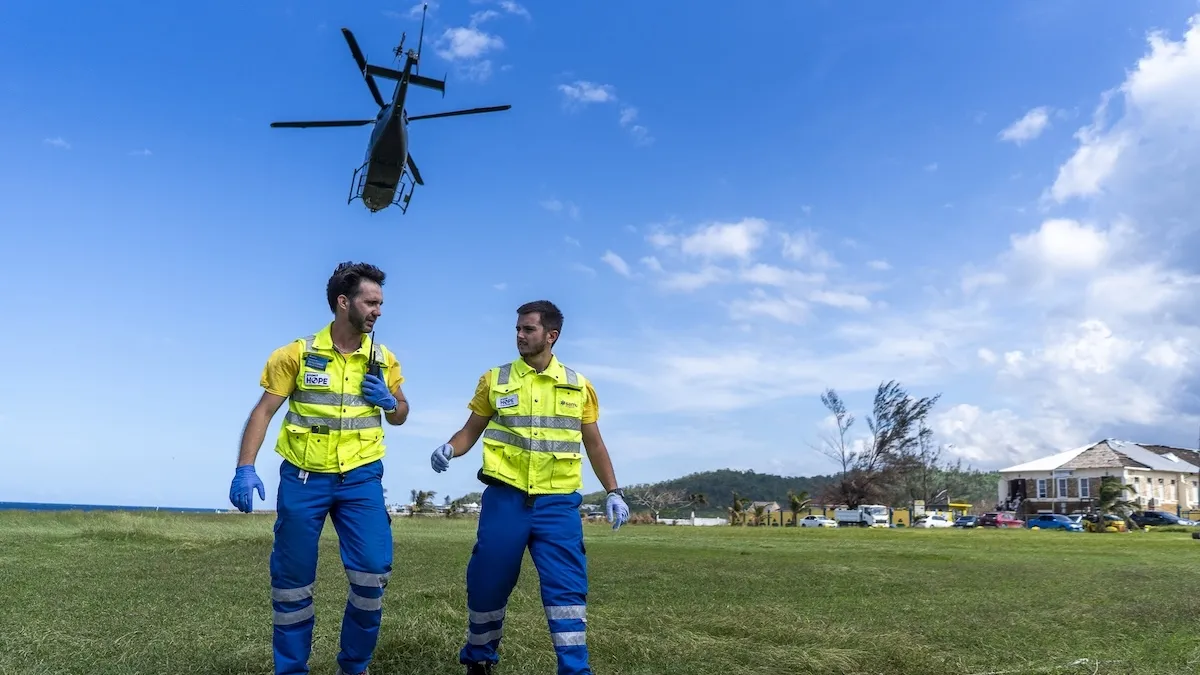
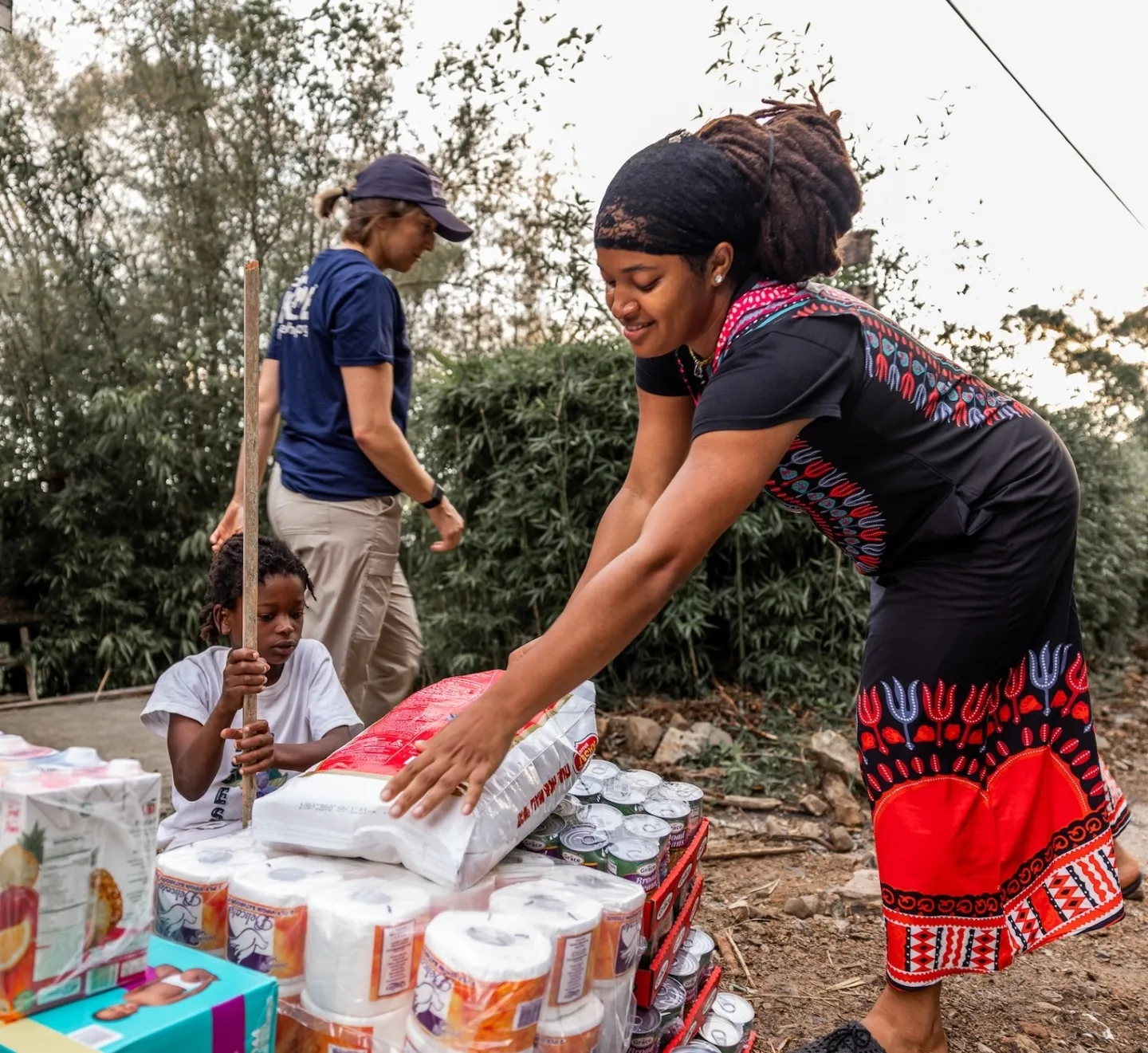
Project HOPE also distributed relief items — including urgently needed hygiene items, dignity supplies, food, and water — to communities that were completely stranded and where aid access has been difficult, conducting distributions by foot, over landslide-impacted roads, and via helicopter. Project HOPE’s water trucking services reached at least 133,000 people in St. Elizabeth, Westmoreland, and St. James parishes.
In Haiti, Project HOPE’s team coordinated with local responders, procured hygiene and health supplies, and distributed items to affected communities. In the Dominican Republic, Project HOPE delivered hygiene kits to communities in and around San José de Ocoa.
>> PRESS RELEASE: Responding to Hurricane Melissa’s Catastrophic Impact on the Caribbean
What are the greatest health needs?
Jamaica dealt with, and will continue to face, the ripple effects of Melissa’s devastation, including damage to critical infrastructure, displacement, mental health issues, long-term disruption to daily life, and environmental threats like a prior outbreak of leptospirosis, a deadly bacterial disease found in contaminated waters that killed at least six people.
Jamaica’s health infrastructure was devastated by the storm, with the Pan American Health Organization describing the situation as one of Jamaica’s most severe crises in recent memory. Dozens of primary health facilities and multiple hospitals were damaged and deemed non-operational. Health facilities operated over their capacity and local health workers worked long stretches of time without breaks to care for people living in desperate conditions.
“Health workers worked for days with no rest after the storm. They were beyond exhausted and in desperate need of mental health support, but they continued to work because they knew their patients need them. Now, we must have their backs.”
– Christine Lathrop, Senior Program Officer, Emergency Response
In emergencies like these, people in vulnerable positions are at a significantly increased risk of harm. Pregnant women, children, older adults, and people with disabilities and chronic health conditions were uniquely affected by power outages, displacement, disruption to clean water infrastructure, loss of access to health care, and the extreme heat and rain storms that hit the region after the hurricane.
The most urgent needs in Jamaica included clean water, healthcare, hygiene supplies, psychological first aid, medical supplies, and essential items so that families who have lost everything could rebuild their lives.
Hurricanes have ripple effects that can resonate through health systems and communities for years, with marginalized communities and people in vulnerable positions feeling the impacts hardest. Major damage to infrastructure, trauma, mental health issues, and the loss of prescriptions and medications are just a few of the lasting health impacts a powerful hurricane can cause.

Where did Hurricane Melissa make landfall?
Hurricane Melissa made landfall near New Hope, Jamaica on Tuesday, October 28 as a Category 5 hurricane, bringing 185 mile-per-hour winds, dangerous amounts of rain, and storm surge up to 13 feet along the coastline. Initial impacts included flooded roads, damaged homes, and more than 240,000 people without power.
When was the last time Jamaica experienced a hurricane this powerful?
Hurricane Melissa was the strongest recorded storm of 2025 and is tied with the 1935 Labor Day Hurricane as the strongest hurricane in 170+ years of recorded Atlantic history. In 1988, Hurricane Gilbert struck Jamaica as a Category 3 hurricane, and the country had previously never experienced a Category 4 or stronger storm.
What is Project HOPE’s history in the region?
Project HOPE provided medical humanitarian assistance and improved access to healthcare in Jamaica throughout the 1970s and 1980s. In 1971, the SS HOPE docked in Jamaica during a deployment throughout the Caribbean, training paramedical staff, pharmacy technicians, and radiologists while caring for patients who waited years for surgeries and complex medical care.
From 1976-1979, Project HOPE helped the Jamaican Ministry of Health establish a training program that graduated 46 nurse practitioners in its first class. In 1988, Project HOPE responded to Hurricane Gilbert in Jamaica by helping to rebuild and rehabilitate the two largest care and referral health centers, the University Hospital of the West Indies and Bustamante Children’s Hospital.
Project HOPE began working in the Dominican Republic in 1996, aiming to increase access to affordable, quality care for women, newborns, and children in underserved communities. Over the past two decades, we have donated millions of dollars worth of vaccines, medicines, and pharmaceutical supplies to the Ministry of Health, which have been distributed to health facilities across the country. We also led community outreach on HIV/AIDS and the Zika virus. During the COVID-19 pandemic, with support from partners, Project HOPE distributed personal protective equipment, provided virtual trainings, and ramped up contact tracing to support local health workers.
Project HOPE’s work in Haiti began in 1984, through a US Government project to develop clinical laboratory capacity at the University Hospital in Port-au-Prince. Afterwards, our programs have focused on emergency and disaster response, increasing access to primary health care, addressing maternal health needs, building the capacity of frontline health workers through training, and the provision of medical commodities to ensure free access to care. In 2016, Project HOPE responded to Hurricane Matthew by deploying medical volunteers and shipping critical supplies to strengthen the country’s cold chain.
Project HOPE has a long history of responding to hurricanes and has recently provided primary healthcare support, essential health and hygiene supplies, hurricane preparedness trainings, and mental health services to frontline workers following hurricanes Dorian, Ian, Idalia, Helene, and Milton.