My Mother Died of Hypertension. I Want Others to Have a Better Chance.
The Nigeria Hypertension Control Initiative is helping rewrite the future for thousands of Nigerians. Project HOPE program officer Dr. Adanna Egwu shares a personal story of preventable loss and the lifesaving potential of NHCI.
I’m on a flight to Port Harcourt, Nigeria, crammed into an economy seat, 26,000 feet above sea level, crying in front of strangers. No shame left in me, just tears. The man beside me keeps glancing over, curious, maybe uncomfortable, trying to make sense of why a grown woman is quietly falling apart midair. I can’t even explain it to myself. All I know is that something in me cracked this week. Life got strange, heavy, and unrecognizable. And now I’m here, floating above the world, trying not to come undone.
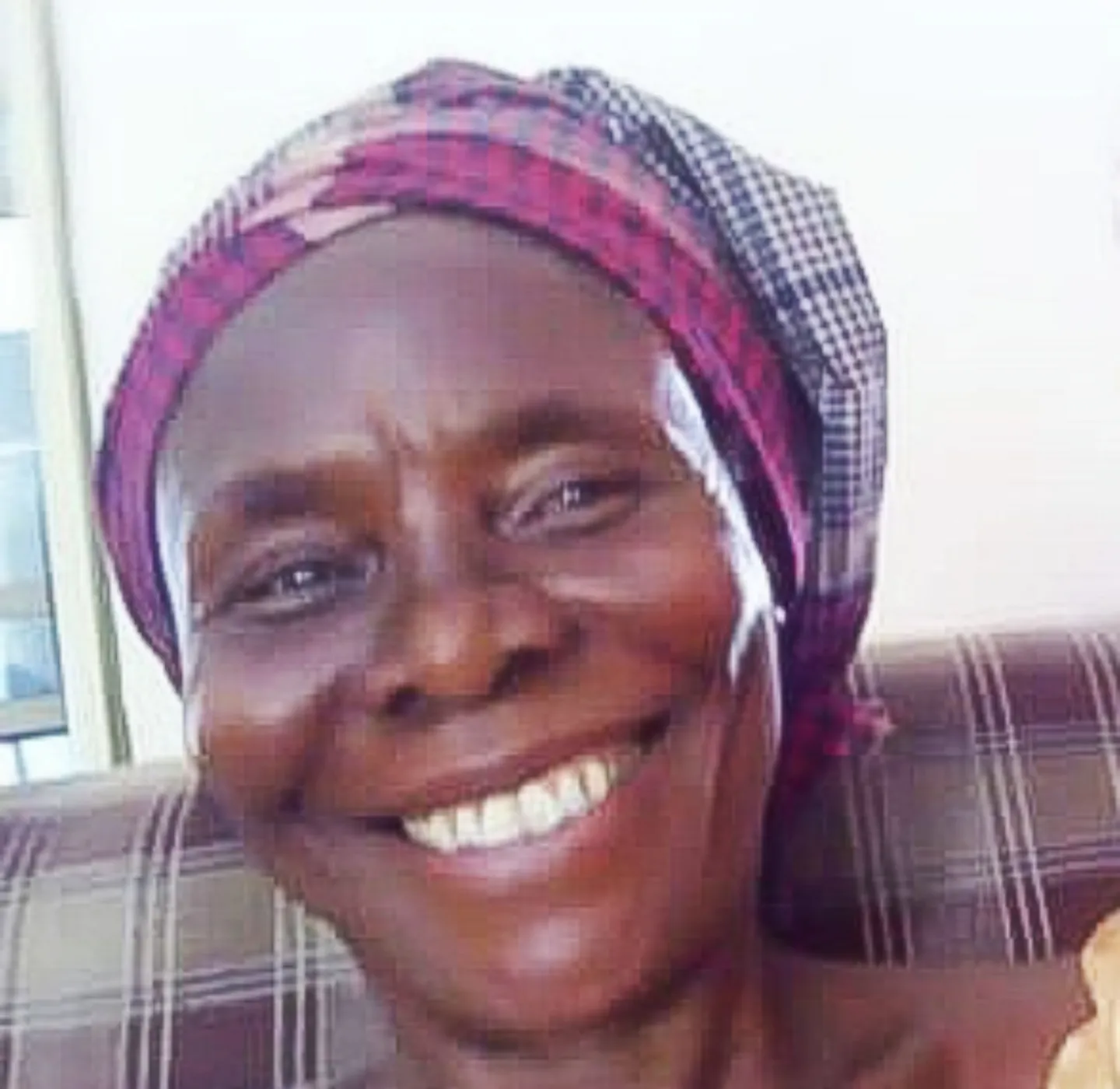
My mother died from a hypertension complication. Just like that — one day she was here, the next she wasn’t. And now, somewhere between airports and unfinished phone calls, I’m left holding the weight of it all. The grief is loud, but so is the silence around what really took her: a disease that creeps in quietly, takes its time, and then strikes like a thief in the night.
Hypertension. A word I never thought I’d have to carry like this.
In losing her, I’ve been forced to reckon not just with death, but with the quiet, everyday choices that keep our hearts beating — or don’t.
As I sit with my own loss, I can’t help but think about how many families carry this same pain — how many kitchens have gone quiet, how many chairs now sit empty — because of hypertension. From my mother’s side of the family alone, I can count at least four lives taken by it. Yet even now, some still whisper that it was “an arrow,” as though naming the real cause feels too mundane to believe.
But the truth is undeniable: in Nigeria, 1 in 3 adults has high blood pressure, most without even knowing it. It creeps in quietly, just as it did with my mother, often making no sound until it’s too late.
A silent killer
According to the World Health Organization, hypertension affects around 28% of Nigerian adults and fuels a deadly chain reaction: heart disease, stroke, and kidney failure. Globally, it claims over 10 million lives every year. Yet there is a glimmer of hope: the Nigeria Hypertension Control Initiative (NHCI), a program powered by Resolve to Save Lives and implemented by Project HOPE. Its goal is simple and urgent: catch it early, treat it well, and save lives.
Having lived through what it means to lose someone to this silent killer, I believe deeply in what NHCI is trying to do. This isn’t just about policy or statistics. It’s about people.
It’s about making sure fewer daughters cry on planes.
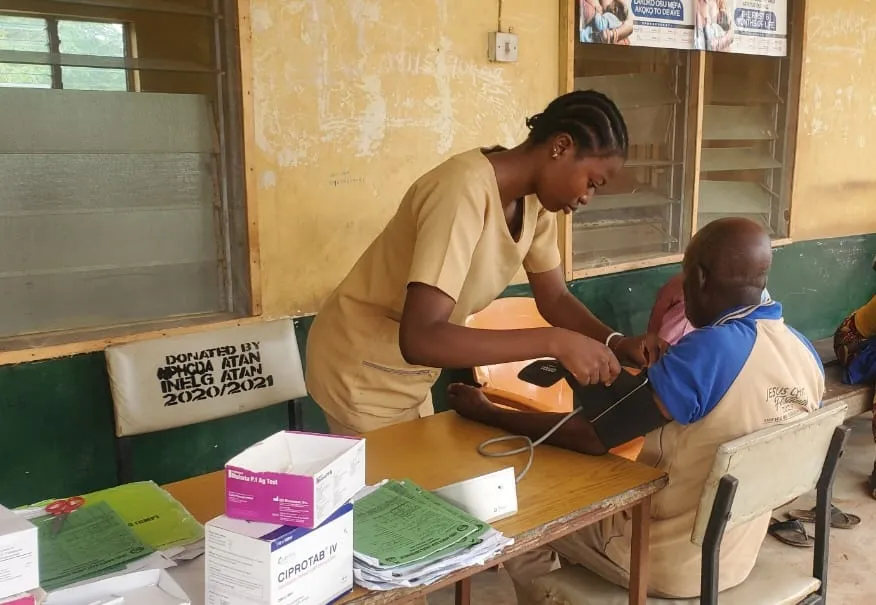
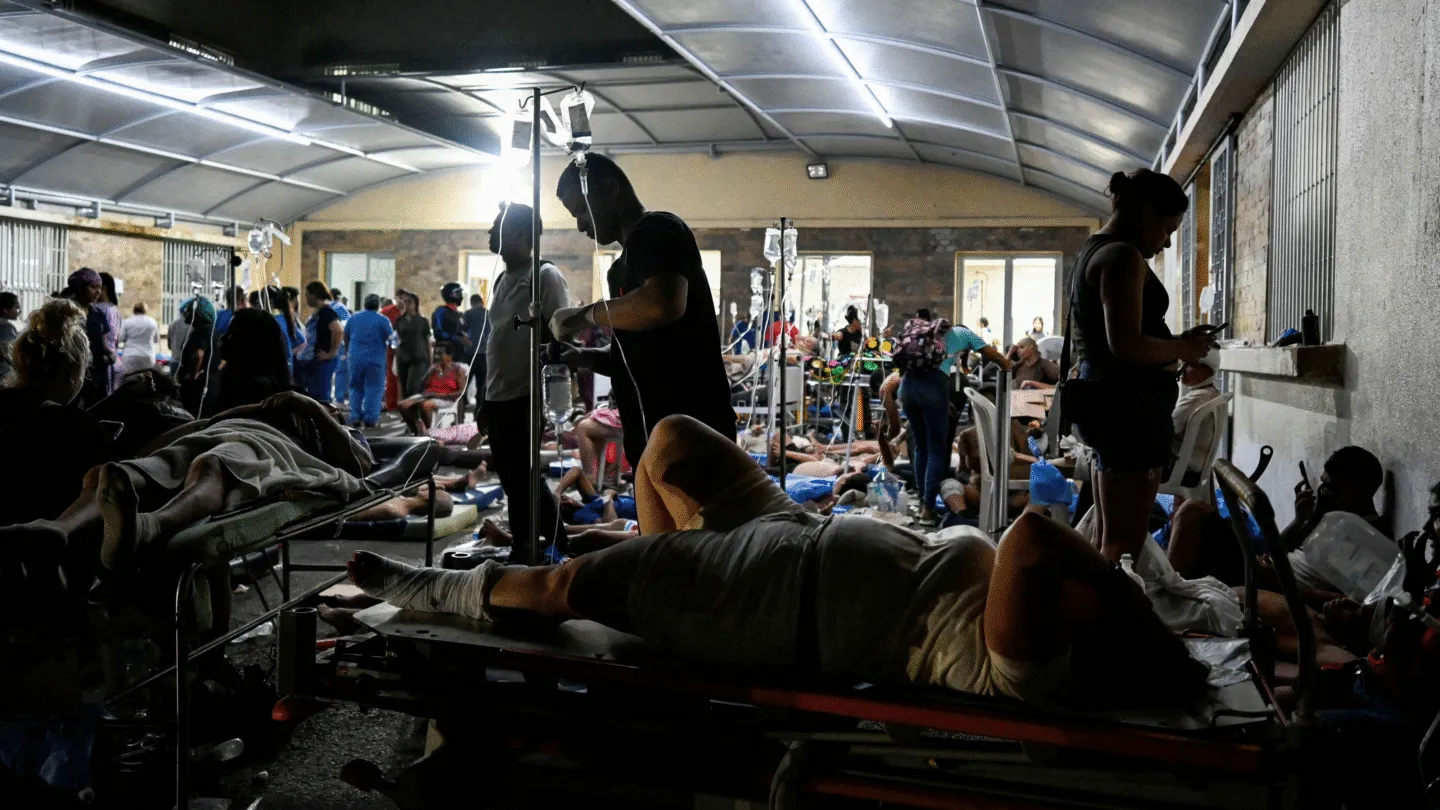
Imagine walking into your local clinic — not a large hospital in a major city, just the one around the corner — and getting the care you need to manage your blood pressure. That’s what the NHCI is working to make possible, one community at a time.
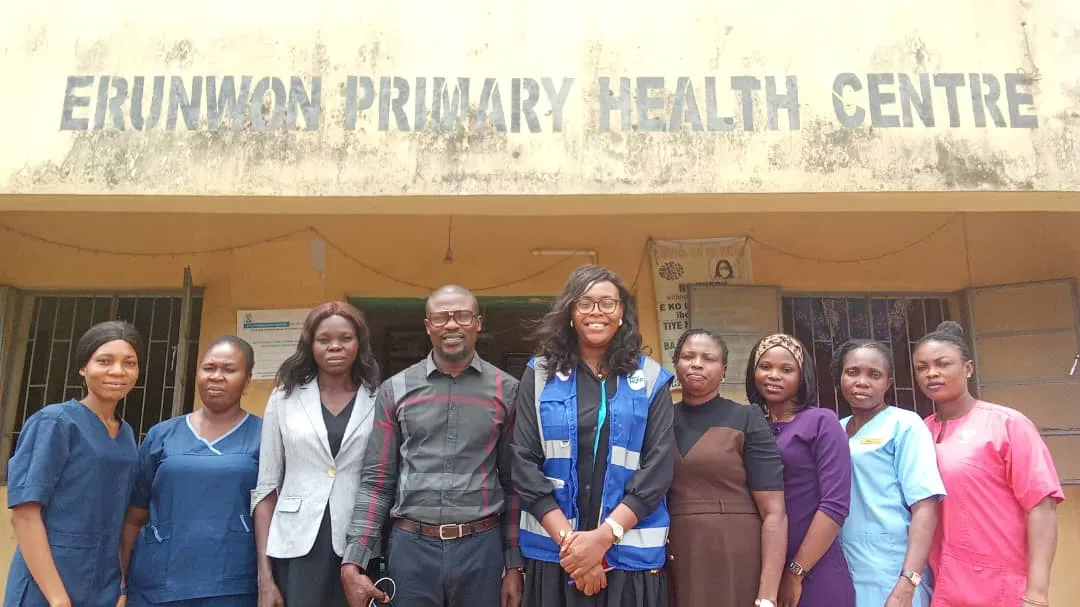
Launched in 2020, the initiative is bringing hypertension care to primary health centers, embedding screening and treatment into facilities closer to home. Health care workers are being trained, medications are being stocked, and patients are being seen and monitored over time. The mission is clear: prevent the heartbreak of avoidable deaths by catching high blood pressure early and managing it well. In a country where access to care often determines survival, this kind of work feels sacred.
Having lived through what it means to lose someone to this silent killer, I believe deeply in what NHCI is trying to do. This isn’t just about policy or statistics. It’s about people. It’s about making sure fewer daughters cry on planes.
Restoring trust in the health system
Nigeria stands at a crossroads. On one hand, hypertension is rising quietly but steadily. On the other, the health care system is buckling under economic strain, workforce shortages, and a mass exodus of specialists seeking better opportunities abroad.
The result is a widening gap between those who need care and those who can provide it.
For many Nigerians, especially those in rural or underserved areas, consistent and affordable treatment feels like a distant dream. That’s what makes NHCI so important. By equipping primary health centers with the training, tools, and medicines needed to diagnose and manage hypertension, NHCI is not just treating a condition; it’s restoring trust in a system many have long given up on. Innovation doesn’t always have to be high-tech or headline-grabbing. Sometimes it simply means making sure people can get help before it’s too late.
Innovation doesn’t always have to be high-tech or headline-grabbing. Sometimes it simply means making sure people can get help before it’s too late.
Since its launch, NHCI has begun to reshape how hypertension is managed across Nigeria. By empowering primary care providers to manage uncomplicated cases, the initiative is taking the pressure off overwhelmed specialists and freeing up hospitals to focus on more complex cases.
But the most important impact is human. For patients who once saw hypertension care as inaccessible or unaffordable, primary health care centers are becoming trusted, go-to places for real and effective treatment. Blood pressure levels are coming down. The risks of heart failure, stroke, and kidney disease are being reduced. And with every clinic that joins the initiative, NHCI is rewriting the future for thousands of Nigerians.
The ending we can still change
The scale of the crisis remains staggering. Even more alarming is the silence surrounding it: only 29% of the 27.5 million Nigerians living with hypertension are aware that they have it, and only around 3% have their condition under control.
But meaningful progress is being made. In Ogun State, for example, NHCI has helped bring more than 9,000 patients under care, and nearly one-third of them have achieved blood pressure control. States like Ogun and Kano are proving that hypertension doesn’t have to be a death sentence. With the right systems in place, it can be diagnosed, managed, and controlled.
Yet millions of Nigerians still live with undiagnosed hypertension. The farmer in Benue wiping sweat from his brow may think his pounding head is just a symptom of hard work. The fisherman in Bayelsa braving the tides may be unaware he is fighting more than the current. The trader in Onitsha navigating the noise of the market may be one misread symptom away from collapse. These are not abstract statistics. They are people. And many of them are still waiting: waiting for a diagnosis, waiting for care, waiting for the system to find them before it’s too late.
I think about how my mother’s story could have unfolded differently if the health center near our home in Port Harcourt was part of the NHCI network. She would have found a community of people living with hypertension, connected with others who understood her journey, and received the care she needed. Knowing her, she likely would have become an advocate, encouraging others to take control of their blood pressure. It’s a bittersweet vision.We cannot rewrite the past, but we can shape what comes next. For every mother, father, sibling, and friend at risk of hypertension-related complications, NHCI offers a path forward — one paved with access, dignity, and the power of community.
Let‘s not wait for another life to be cut short by something we can control. By empowering frontline providers and connecting them with people who need care the most, NHCI could change the face of hypertension care in Nigeria.
Dr. Adanna Egwu is a program officer for NHCI in Ogun State, Nigeria.