
Nothing Prepared Me for What I Saw in Lebanon
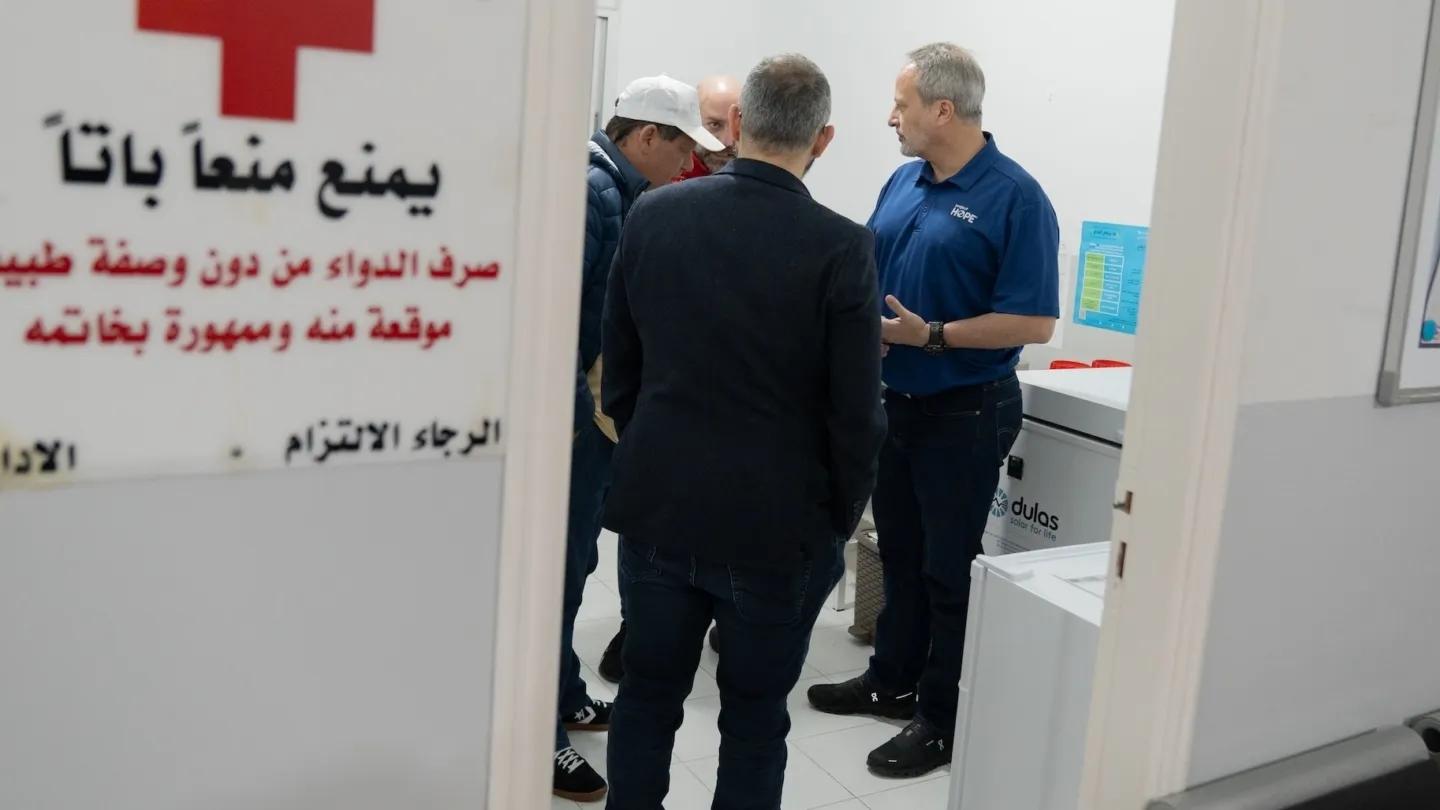
I arrived in Beirut about an hour before the attacks began. In that brief window, there was a fragile sense of hope in the air as news of a potential ceasefire started to circulate. Within minutes, that hope was shattered.
The sound of strikes echoed across the city. They were loud, sudden, and disorienting. The building shook. Glass trembled. My Project HOPE colleagues and I rushed to the windows and saw smoke rising across Beirut. Within seconds, phones were out. Everyone was calling loved ones, trying to make sure they were still alive.
There had been no warning.
In 10 minutes, over 100 airstrikes hit different parts of the country. By the end of the day, hundreds were dead and over 1,000 injured. Beyond the numbers, what stayed with me was the look on people’s faces: the moment hope disappeared. Many had believed that a ceasefire elsewhere might extend to Lebanon. In those 10 minutes, that belief collapsed.
Many had believed that a ceasefire elsewhere might extend to Lebanon. In those 10 minutes, that belief collapsed.
Like a large number of civilians, many of our team have already been displaced. These strikes are not new to them. This is their reality. Day after day, attack after attack, call after call to check who survived.
That evening, we drove by the coastal area of Beirut and saw hundreds of tents along the shoreline. People fled their homes, seeking the safety of the open coast, over the uncertainty of their homes. People were dazed, confused, and hopeless.
That night, I woke up to another strike. The windows of my hotel room shook again. Sleep came in fragments.
‘I want to die there with dignity’
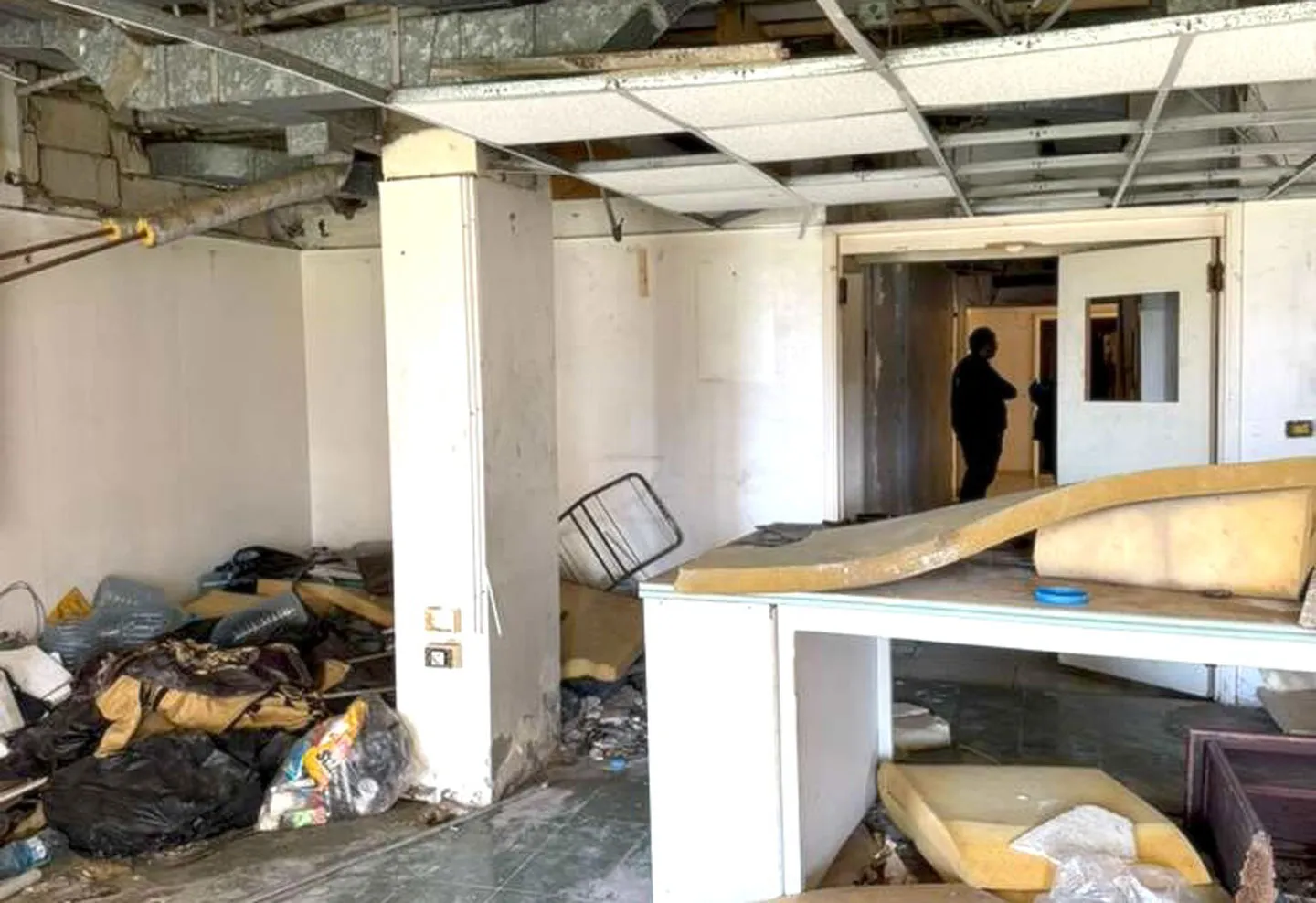
The next day, we visited one of Project HOPE’s mobile medical unit (MMU) sites in Beirut, the abandoned Middle East Hospital, now serving as a shelter and lifeline for hundreds of displaced people.
Nothing prepares you for a place like this.
The building was in terrible condition. Most of the ceiling had collapsed. Humidity filled the air. Water seeped through the walls. Windows were shattered. On one floor, a sewage pipe burst, and the smell was overwhelming.
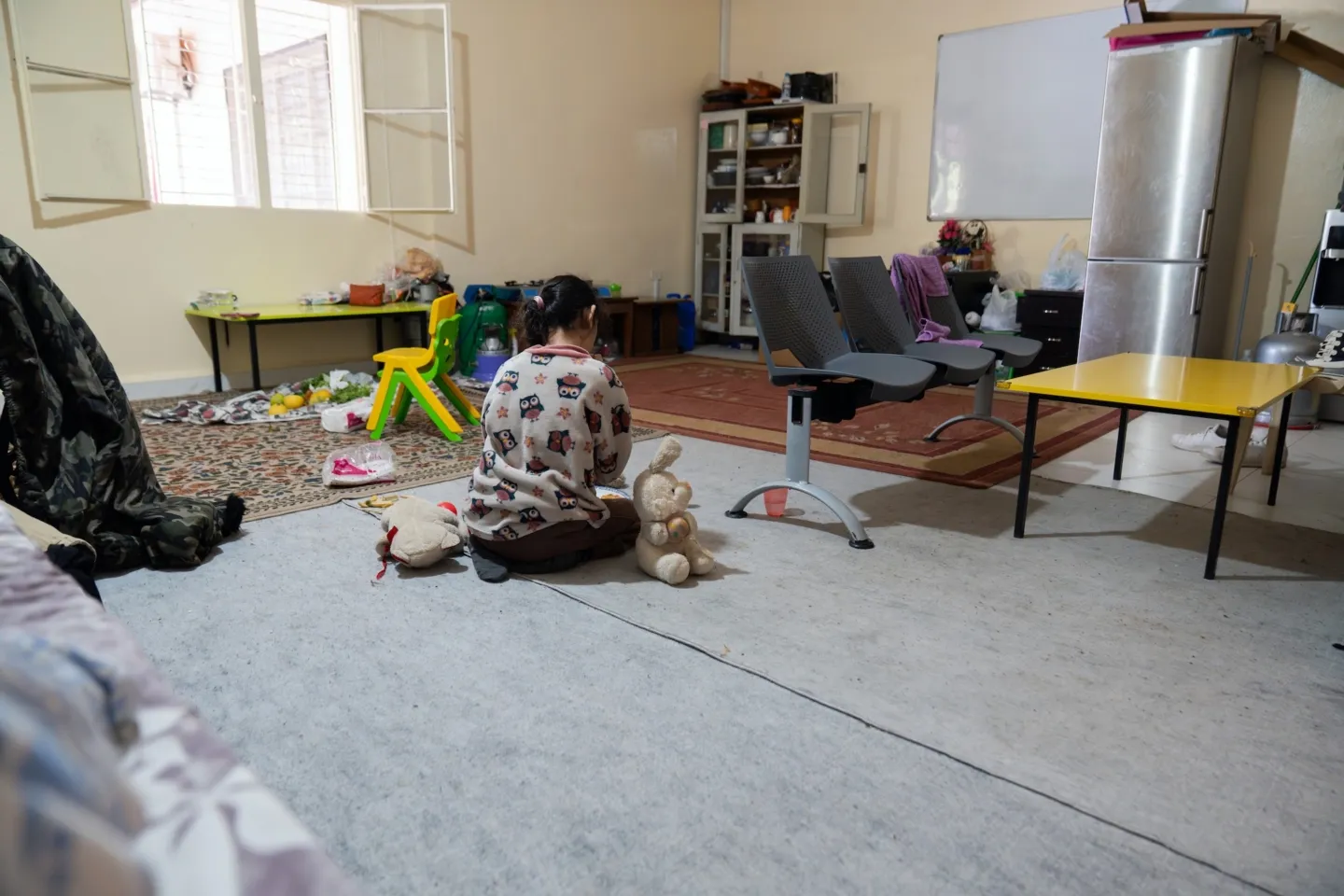
In one room, no more than twenty by twenty feet, 22 people were living together.
Among them was an elderly woman with diabetes and hypertension, struggling to sleep because of the stench and the dampness. She told me she had been vomiting the night before. There was also a young boy, around 10 or 12 years old, injured and lying on the floor, unable to move much. Families with nothing but the clothes they were wearing when they fled.
This site is temporary, and Project HOPE helps to provide vital resources to the displaced people seeing shelter here. This includes treating between 60 to 100 patients a day, providing basic care, and distributing medications for chronic illnesses.
I spoke to one woman who described fleeing her home under bombardment, leaving behind her belongings, her medications, her life as she knew it. Now she shares a single crowded room with over twenty others. When I asked her what keeps her going, she didn’t hesitate.
“I know I’ll go back home,” she said. “Even if there is no home left. I will go back to my village. Even if I have to live in a tent. If I die, I want to die there, with dignity.”
‘We feel like we’re not alone’
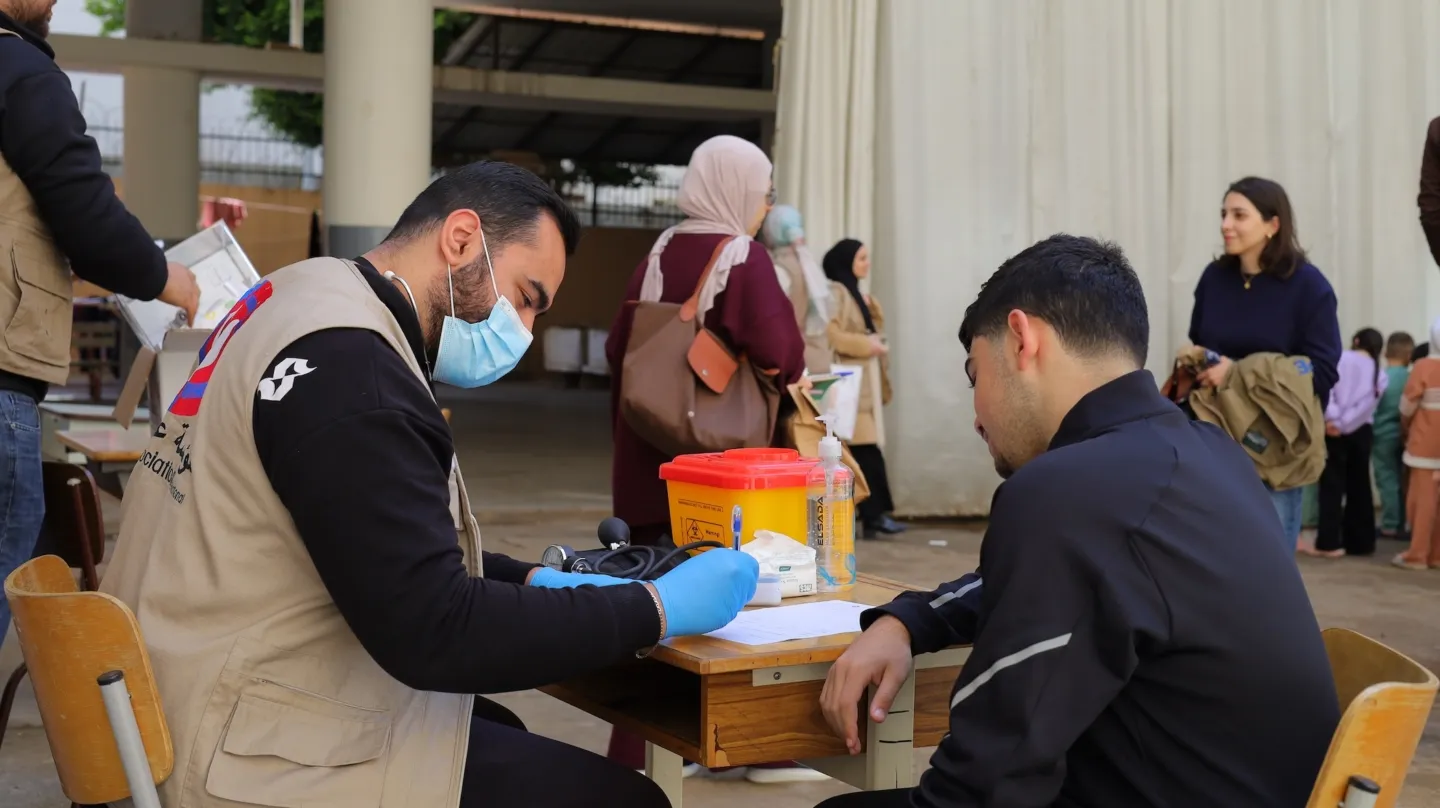
From Beirut, we traveled south to Hasbaya, near the front line. Even in areas considered “safe,” the conflict was impossible to ignore. The sonic booms of jets shook the hospital walls. There is constant bombing in the distance.
At the Hasbaya Government Hospital, we saw the impact of the ICU we helped to reopen that was now full. Staff were overwhelmed but unwavering. Treating everyday cases alongside casualties, they continued with a level of dedication that is difficult to put into words.
Hospital staff told us something we heard many times throughout the trip: “When you visit us, we feel like we’re not alone.”
I visited nearby villages, some just kilometers from heavily bombarded areas. The tension was immediate. Checkpoints lined the roads, Lebanese Army and the United Nations Interim Force in Lebanon (UNIFIL). Movement was cautious.
In these villages, there is almost no healthcare.
One had no clinic at all. Another had a structure barely standing, with a leaky roof, no medicine, no equipment. An ambulance sat outside, empty.
And yet, people stayed.
They stay because this is their land, their history, their livelihood. Olive trees and small farms are how they survive. But they also stay out of fear: if they leave, Hezbollah may use their villages for attacks, inviting counterattacks and destruction by Israel in return.
So they remain, protecting what little they have left.
Then we visited Jezzine, a town hosting around 12,000 displaced people. It was more stable, with strong local leadership and support from the Lebanese Red Cross. Even there, the strain is visible. The hospital’s caseload has nearly tripled.
Across all communities, one message was consistent: support must reach everyone, both displaced and host communities. When it doesn’t, tensions rise. And tensions are already high.
Across all communities, one message was consistent: support must reach everyone, both displaced and host communities. When it doesn’t, tensions rise.
This was one of the most concerning observations of the trip. There is more “us versus them” than I have seen in decades. Many feel this war was forced upon them. They are tired of paying the price for decisions they did not make.
There is fear that if this continues, it could lead to internal conflict. Lebanon cannot afford that.
And yet, at the individual level, people still show up for each other. They help, they share, they support, regardless of background. That humanity still exists. But it is under strain.
Leaving Lebanon is always difficult for me. This time, the airport was nearly empty. Only one airline is operating. One flight. A quiet that felt unnatural.
There is always a sense of leaving something behind. Lebanon is not just a place. It’s my childhood. It’s my youth. It’s my homeland. It’s part of who I am. And while I return to safety, to family, there is a weight in knowing others remain behind in uncertainty.
There is also guilt. What stays with me most are the faces. The young woman in her twenties who watched her fiancé die in front of her. The elderly woman in the shelter, unable to sleep. The children, always the children, absorbing trauma they should never have to carry.
This is the reality for so many.
The war will end. But the trauma will remain. The need for mental health support and healing will last for years. And through it all, I keep coming back to the words of Poet Mahmoud Darwish:
“The war will end,
the leaders will shake hands,
the old woman will keep waiting for her martyred son,
the girl will wait for her beloved husband,
and those children will wait for their hero father.
I don’t know who sold our homeland,
but I saw who paid the price.”
That is Lebanon today. And yet, despite everything, the people endure. They stay. They survive. They rebuild. With the hope that someday soon there will be peace.
Rabih Torbay is CEO of Project HOPE.


Related Articles
A World Without Humanitarian Workers
08.18.2026
Colombia Earthquake: Project HOPE Responding
08.14.2026
Colombia Earthquake: How to Help
08.11.2026