
The Basics of HIV
Millions of people are impacted by HIV every year. What are the symptoms, how to get tested, and what Project HOPE is doing to prevent, treat, and control the HIV epidemic globally.
Transmission | Symptoms | Prevention | Treatment | Programs
What is HIV?
Human Immunodeficiency Virus (HIV) is a virus that attacks the body’s immune system, impacting the ability to fight infections. According to the World Health Organization, there are four stages of HIV and when left untreated, HIV can progress to the last stage known as Acquired Immunodeficiency Syndrome (AIDS), which is when your immune system is badly damaged from the virus.
How does HIV spread?
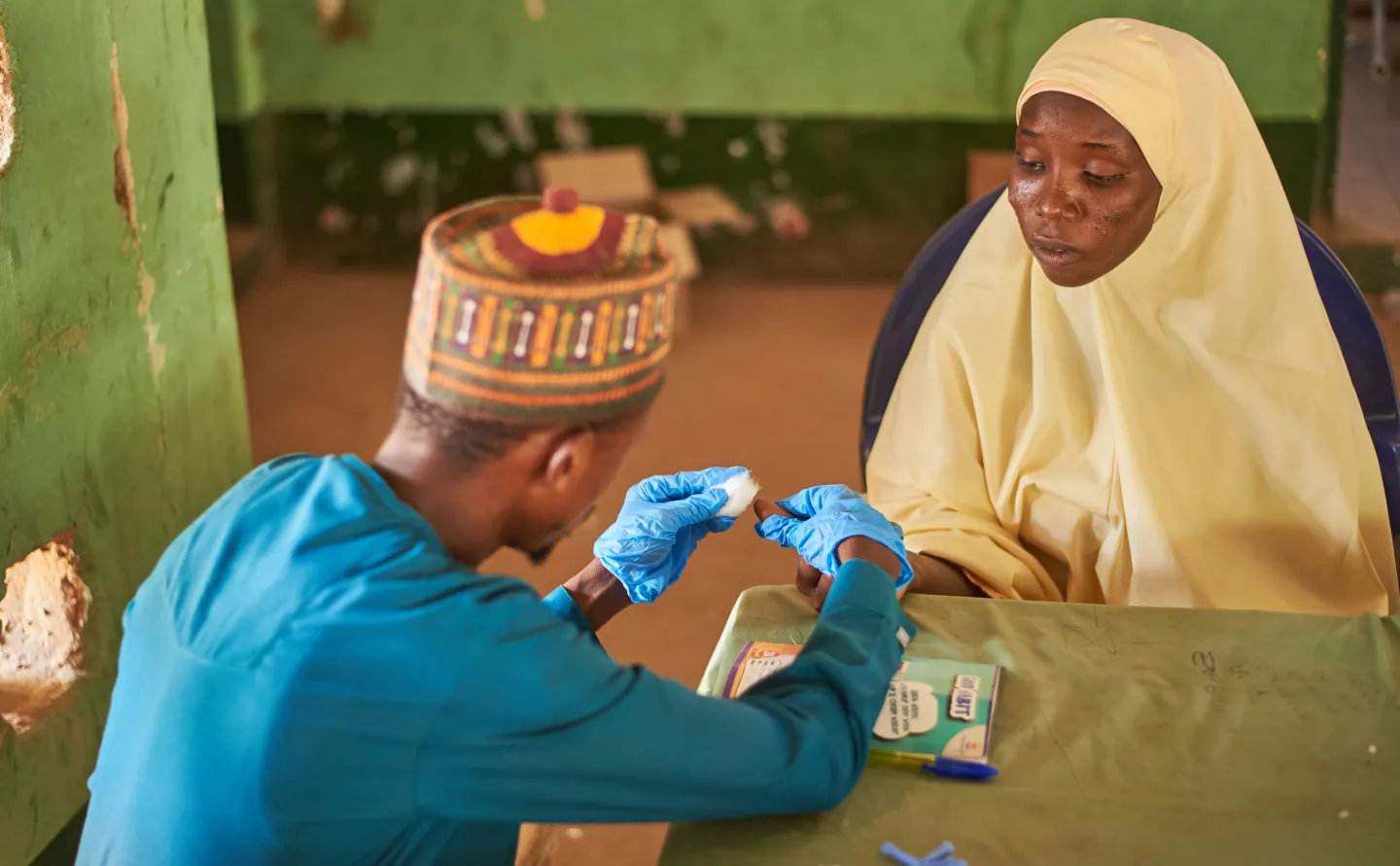
HIV is transmitted through certain bodily fluids including blood, semen, pre-cum, rectal fluids, vaginal fluids, and breast milk. When these fluids come in contact with damaged tissues, internal body openings (rectum, vagina, penis, and mouth), or directly injected into the bloodstream, transmission occurs.
Most people acquire HIV through anal or vaginal sex or by sharing needles, syringes, or other drug injection equipment. HIV can also be passed to a baby during pregnancy, childbirth, or breastfeeding. This is known as perinatal transmission, which is the most common way children acquire HIV.
What are the symptoms?
The symptoms of beginning stages of HIV infection are very similar to flu-like symptoms and usually appear 2-4 weeks after exposure.
If you have flu-like symptoms and think you have been exposed to HIV, get tested.
Due to rigorous donor screening and testing, transmission through blood transfusions and organ or tissue transplants is now extremely rare in many countries.
Is there a cure for HIV?
The human body can’t get rid of HIV, and there is currently no effective cure. Once a person acquires HIV, it remains in the body for life. However, highly effective treatment is available.
Four Stages of HIV
Stage 1:
People may have no symptoms or experience persistent swollen lymph nodes in two or more areas of the body.
Stage 2:
Mild symptoms may develop, including moderate weight loss, repeated respiratory infections, shingles, recurrent mouth ulcers, itchy skin conditions, or fungal nail infections.
Stage 3:
Symptoms become more advanced and may include severe weight loss, chronic diarrhea, persistent fever, oral thrush, tuberculosis affecting the lungs, severe bacterial infections, or unexplained anemia.
Stage 4:
This is the most severe stage of HIV infection, where the immune system is severely weakened. People may develop serious opportunistic infections and illnesses such as Pneumocystis pneumonia (PCP), recurrent herpes infections, tuberculosis affecting organs outside the lungs, certain cancers such as Kaposi sarcoma, or severe HIV-related conditions affecting the brain and other organs.
Our Approach to HIV Programming
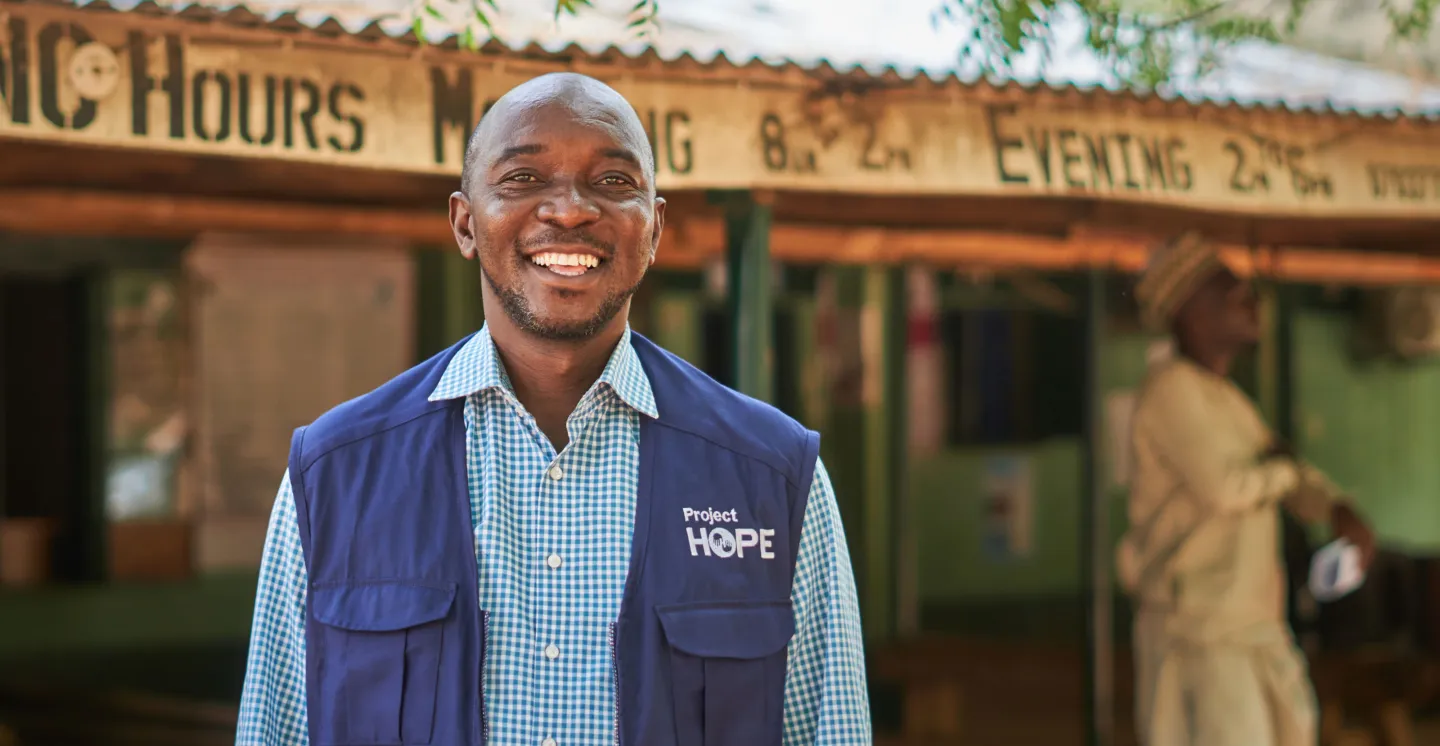
Project HOPE implements comprehensive, people-centered HIV programs designed to strengthen health systems, expand access to prevention, care, and treatment services, and empower communities to end HIV as a public health threat. Working in close partnership with governments, communities, and local organizations, we combine direct service delivery, technical assistance, and data-driven approaches to support sustainable epidemic control.
Our programs prioritize populations most affected by HIV, and we tailor them to local context needs to ensure equity access to high quality HIV services.

Donate
Please give now to deliver urgent relief to people facing disasters and health crises — and make a lasting impact by rebuilding clinics, supporting health workers, providing mental health care, and more.

Join
Follow us on social media, share photos and videos of our work with your family and friends, and join our community of global health champions.

Fundraise
Whether you’re looking to host an in-person event, create your own fundraiser for your birthday, do a charity stream, or run a race, join our community of fundraisers!