1 in 5 Patients in Gaza Seek Treatment for Infectious Diseases
Data collected in late June across Project HOPE’s seven health clinics in Gaza found that 1 in 5 patient visits were for infectious diseases, with skin infections such as scabies and ringworm among the most common. The arrival of Gaza’s extreme summer heat is compounding the crisis.
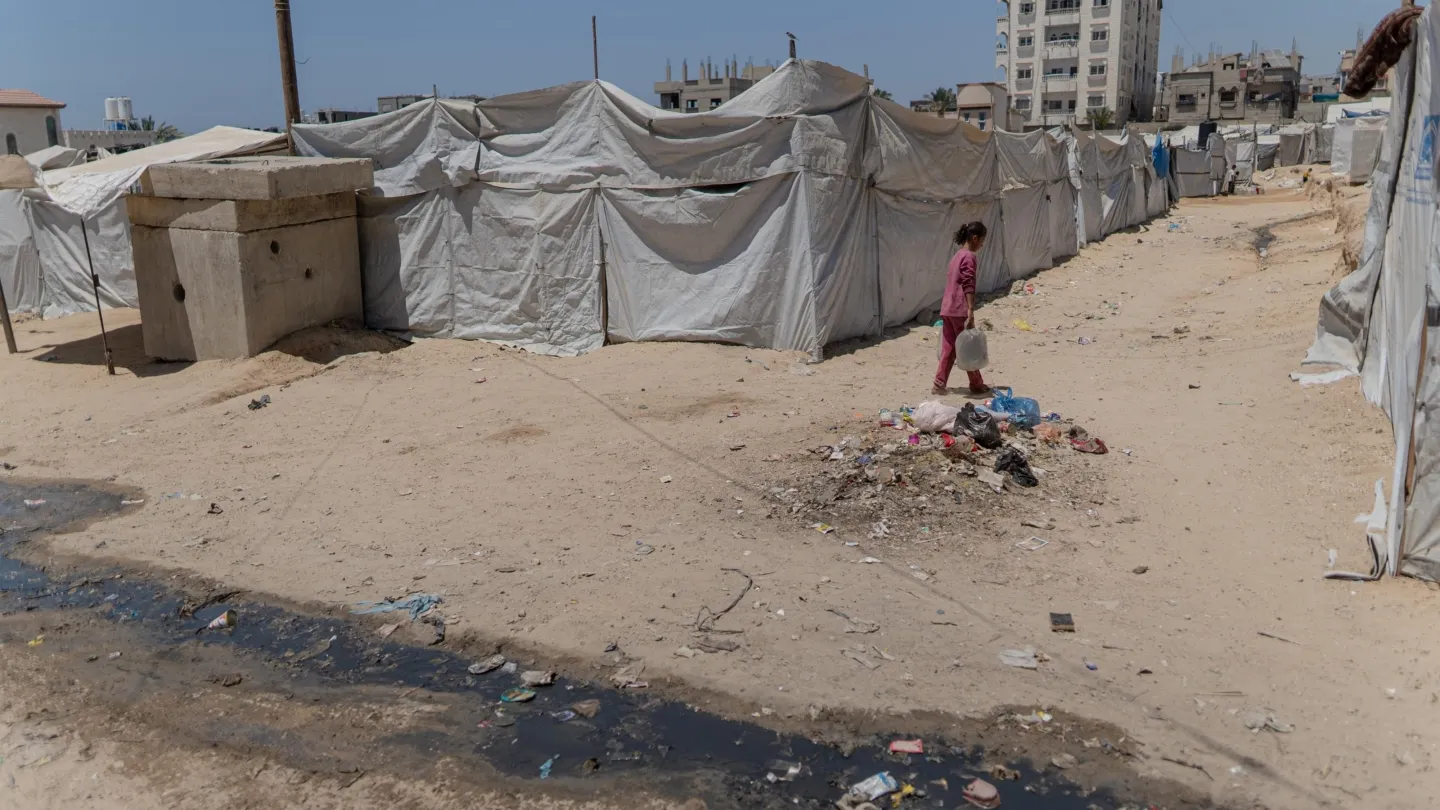
The surge in cases comes as more than one million people remain displaced, living in overcrowded camps where damaged water, hygiene, and sanitation (WASH) systems have left families without the ability to practice basic hygiene. These conditions accelerate the spread of skin infections, particularly among children, the elderly, and those with weakened immune systems.
The clinic findings mirror a broader public health emergency across Gaza. According to an early June report from the WASH Cluster of Palestine:
- 47% of households with sick children report skin infections
- 64% of households lack shower facilities
- 60% of households are exposed to sewage or fecal matter near their shelters
Families sheltering in overcrowded tents face intense temperatures and limited to no opportunities to bathe or wash clothing. Prolonged exposure to heat results in excessive sweating which traps moisture and creates ideal conditions for bacterial and fundal skin infections to develop and spread. If left untreated, these infections can lead to serious complications, including secondary bacterial infections, and in severe cases, life-threatening sepsis and organ damage.
“In late June alone, more than 11,000 people sought care at our health clinics, and 20% of those patients were treated for infectious diseases,” said Dr. Mithqal Abutaha, Project HOPE’s Response Lead in Gaza. “While our medical teams are providing lifesaving care, treatment alone cannot stop the spread. Preventing further infections requires sustained access to safe WASH services and adequate shelter for displaced families.”
To help stop the spread of skin infections, Project HOPE’s medical teams are treating patients like two-week-old, Yusuf. His mother, Ruba, a 28-year-old breastfeeding mother, sought care after he developed a skin infection just two days after birth. After examining Yusuf, the team determined his fungal skin condition was linked to prolonged heat exposure and diaper-related skin irritation, a risk made worse by the severe shortage of diapers across Gaza, which forces many families to reuse diapers for extended periods. Ruba was provided with a treatment plan for her son, including medicated ointment and scheduled follow-up visits to monitor him and ensure his condition continues to improve.
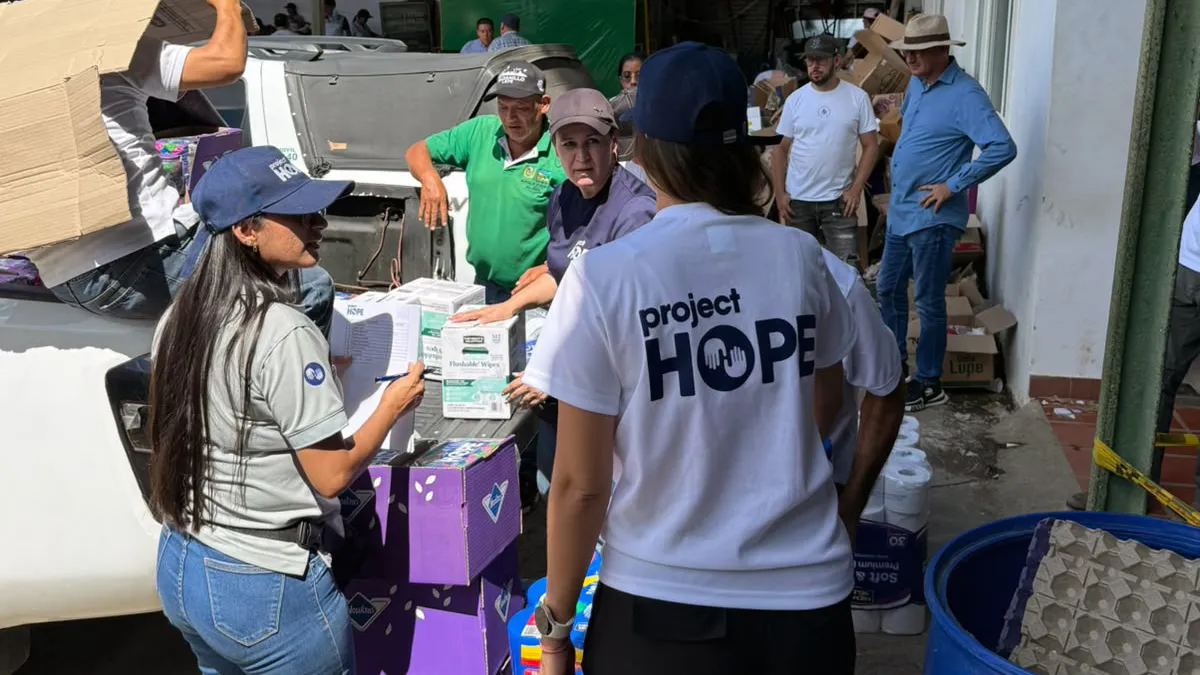
To reduce health risks like skin infections linked to poor living conditions, Project HOPE has been distributing hygiene kits to displaced households, providing water trucking support to clinics and camps, conducting hygiene promotion sessions, and providing essential medicines and supplies to respond to seasonal health risks.
Project HOPE is calling for strengthened collaboration across the humanitarian response, including health, WASH, and protection partners, to scale up disease prevention efforts, restore access to safe water and sanitation, strengthen disease surveillance, and ensure families can access the medical care and supplies needed to prevent treatable infections from becoming life-threatening.
Photos are available here. To schedule an interview, email media@projecthope.org.
###