5 Hunger Emergencies You Should Know: Ecuador
In Ecuador, child malnutrition persists even in communities where families grow and raise their own food. Learn more about underreported hunger crises around the world, and how Project HOPE is helping strengthen nutrition and build healthier futures.
Around the world, some of the most serious hunger and nutrition crises rarely make international headlines.
And while hunger is often associated with a lack of food, the reality is more complex — shaped by conflict, climate shocks, displacement, poverty, and limited access to quality healthcare.
In this web series, we’re exploring often-overlooked hunger and nutrition crises, and how Project HOPE is working with local partners to strengthen health systems, expand nutrition services, and help communities build healthier, more resilient futures.
In Ecuador, having food doesn’t always mean having good nutrition.
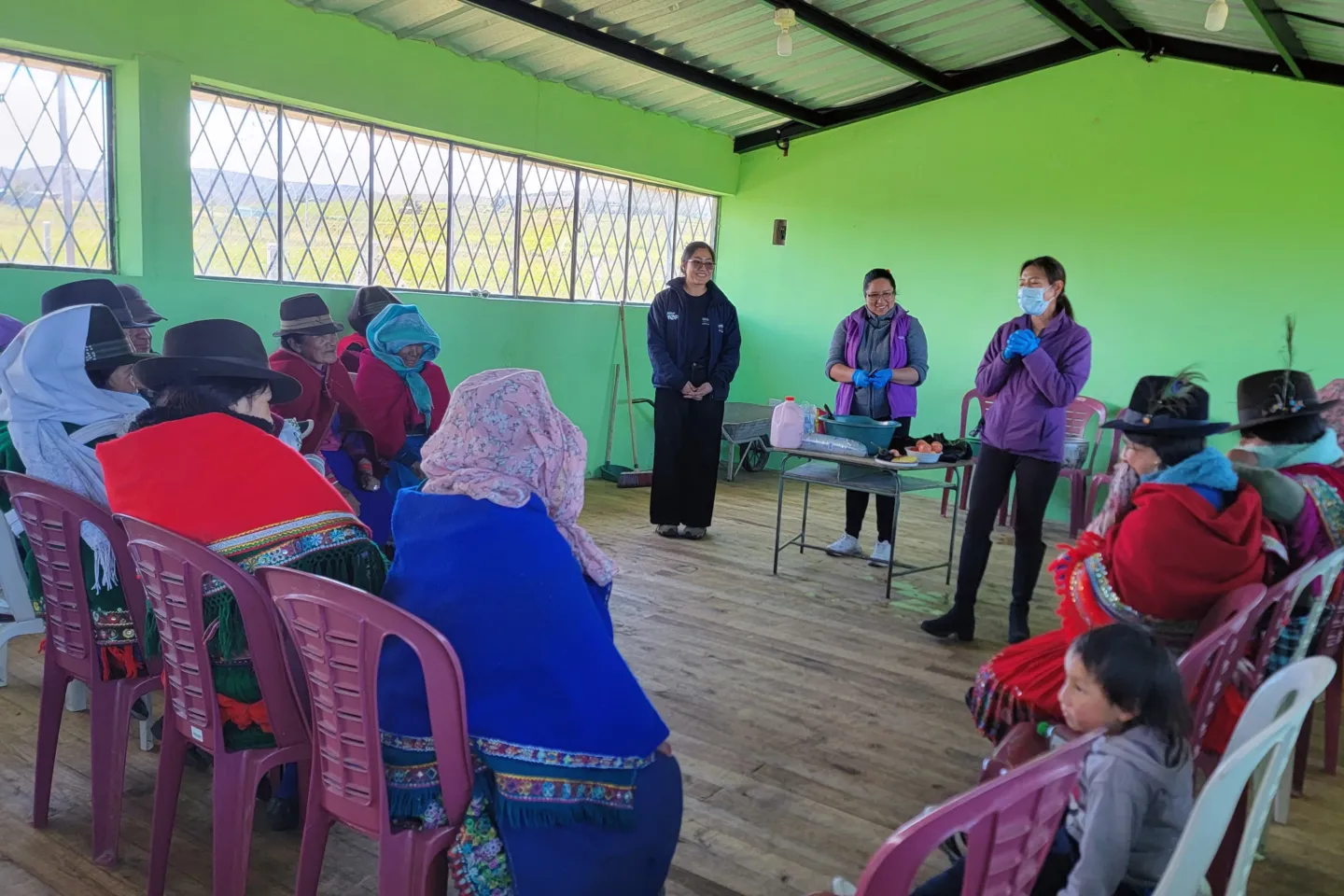
Around 23% of children under 5 in Ecuador experience chronic malnutrition, which is nearly double the average regional rate for Latin America and the Caribbean. In Chimborazo, where Project HOPE works alongside rural and Indigenous communities, the crisis is especially severe: About 34% of children under 5 experience chronic malnutrition.
But the reasons why aren’t always obvious. Many families grow vegetables and grains and raise livestock and chickens, yet they must sell much of what they grow and raise to generate income. Long days spent farming leave little time to prepare balanced meals, contributing to diets that rely heavily on carbohydrates and processed foods. These challenges are compounded by limited access to information about how nutrition during pregnancy and early childhood impacts children’s physical and cognitive development.
Cultural traditions and beliefs can create additional challenges. For example, some pregnant women avoid vitamins or nutritional supplements because they believe they could cause their babies to grow too large, making farm work more difficult during pregnancy or complicating a vaginal birth — an ancestral tradition that in many cases relies on midwives and traditional medicine.
These realities mean that that improving nutrition isn’t simply about ensuring food is available — it’s about making sure families have access to information and services that are culturally relevant and responsive to how they live.
Strengthening nutrition from pregnancy through early childhood
Project HOPE is partnering with UNICEF to address chronic childhood malnutrition in Chimborazo, particularly in rural and Indigenous communities.
The partnership uses a “nurturing care” approach that recognizes that healthy development depends not only on adequate nutrition, but also on quality health services, responsive caregiving, early learning opportunities, protection, and a healthy environment.
“Reducing chronic child malnutrition is a national strategic objective for Ecuador. By aligning our technical expertise with UNICEF’s framework, we are creating a model that not only improves health services but also empowers Indigenous and rural communities to protect their children’s future.”
— Ramiro Proaño, Country Representative for Project HOPE in Ecuador
As part of this work, Project HOPE is training community health monitors to recognize health and nutrition risks and connect families with public health services, while helping primary health facilities improve the quality of care available to pregnant women and children. We’re also strengthening coordination among local organizations and sharing health information in both Spanish and Kichwa to better reach Indigenous families.
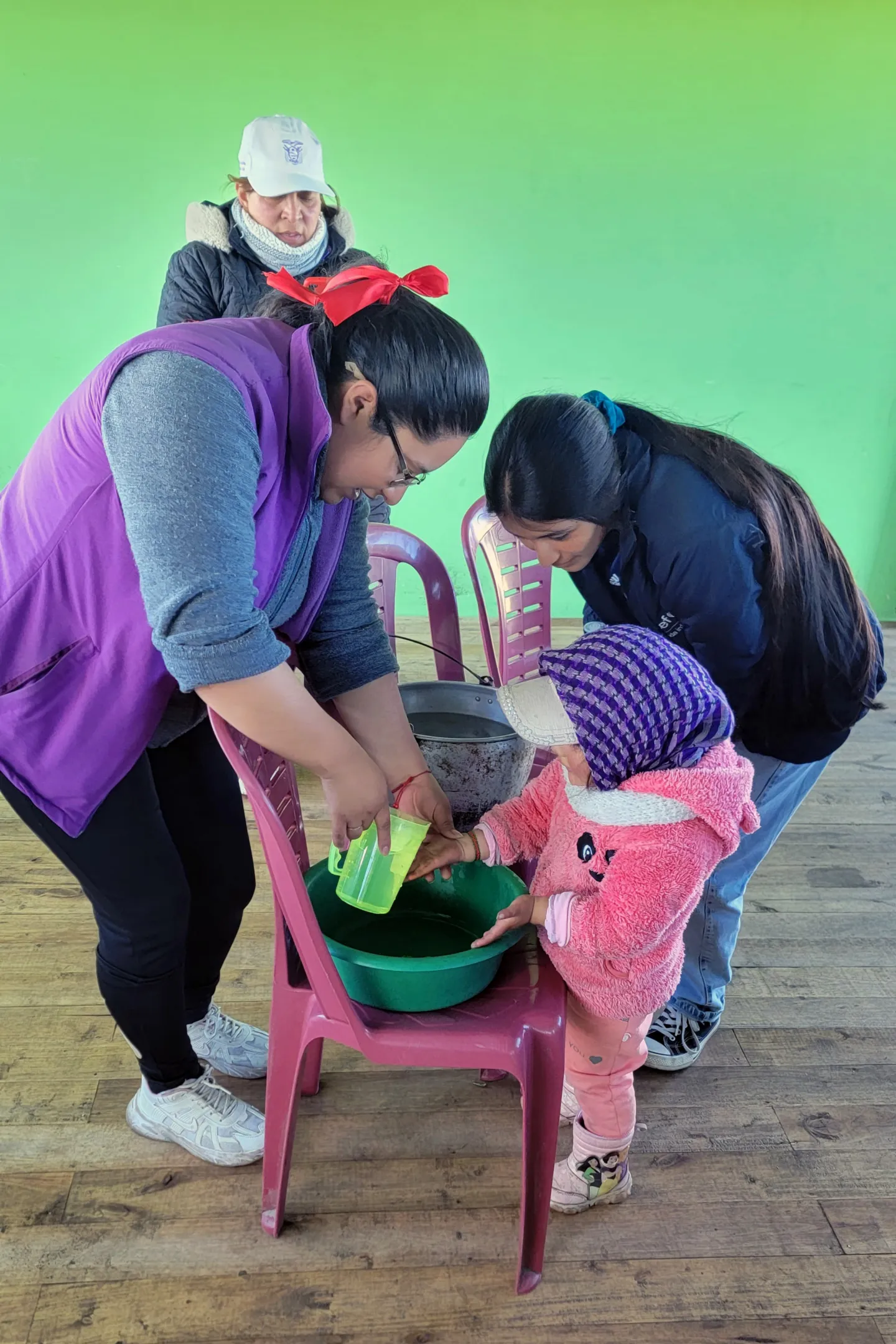
In Barrio San Francisco, a community within Chimborazo, mothers like Evelyn Michel Parra Santillán are putting what they’ve learned into practice at home — from properly washing their hands to making drinking water safer.
“I’d like to express my gratitude for the training provided to each of us mothers here in our community on how to properly wash our children’s hands,” Evelyn says. “We must boil water for five minutes to make it safe… That is the safe water we must provide to our children so they can continue to grow up safely and avoid the risk of bacterial or viral infections.”
Together, these efforts are helping caregivers access the information, local support, and quality health services they need to protect their children’s health and development.