5 Ways We’re Empowering Women in the Dominican Republic
Women lead families, sustain communities, and form the backbone of the health system in the Dominican Republic, but persistent gender gaps limit their potential. Here are five ways Project HOPE is working alongside partners to strengthen care, expand opportunity, and ensure women and girls can thrive.
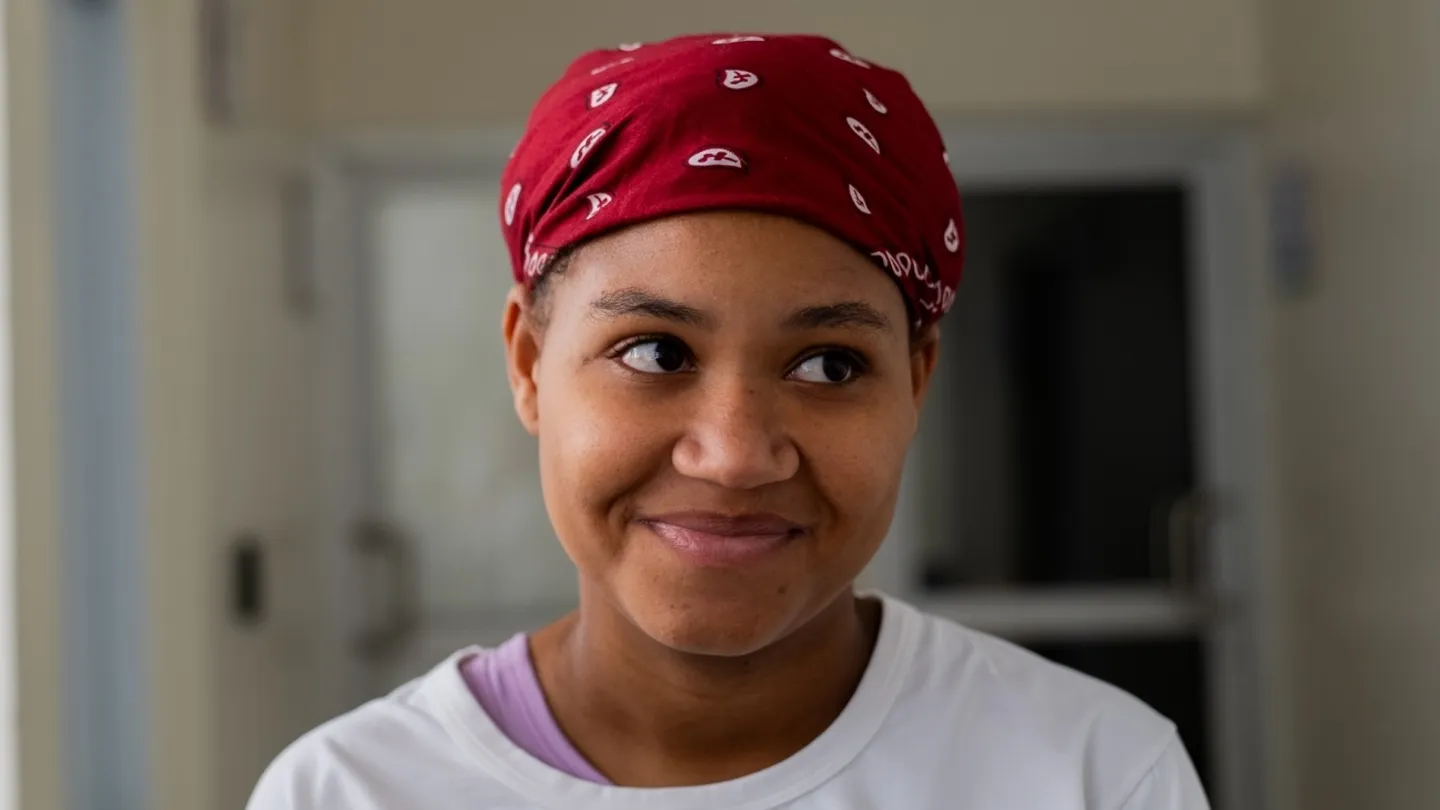
Women lead families, sustain communities, and form the backbone of the health system in the Dominican Republic. Yet the country’s first official report on gender gaps reveals persistent inequalities that continue to limit women’s access to education, employment, and social protection.
For many adolescent girls, barriers emerge long before adulthood. By the ages of 15 to 19, one in five girls is already a mother or pregnant for the first time. Early motherhood often interrupts education, restricts economic prospects, deepens cycles of poverty, and increases vulnerability to violence. With one of the highest adolescent fertility rates in Latin America, too many girls in the Dominican Republic are forced to navigate adulthood before they have the chance to shape their own futures.
By the ages 15 to 19, one in five girls in the Dominican Republic is already a mother or pregnant for the first time.
Project HOPE is committed to being part of the solution. Working hand‑in‑hand with national institutions, health workers, and communities, we are creating environments where women can thrive with dignity, safety, and opportunity. From strengthening maternal health services to expanding mental health support, here are five ways Project HOPE is empowering women across the Dominican Republic.
1. We’re strengthening maternal, neonatal, and child health services
Project HOPE strengthens maternal and newborn health by supporting both primary care centers and hospital networks.
Across 30 health centers in La Vega and La Altagracia, our teams implement the 5 Star Mother strategy, a comprehensive approach that accompanies women throughout the entire continuum of care, from pregnancy and childbirth to postpartum and until their child reaches age five. This model supports early risk detection, reinforces healthy practices such as exclusive breastfeeding and newborn care, and equips families with the knowledge they need to protect their health during the most critical years of life.
Yet the highest risks often emerge in hospitals where mere minutes can determine survival. Although 99% of births in the Dominican Republic occur in health facilities, maternal and neonatal mortality rates remain among the highest in the region.
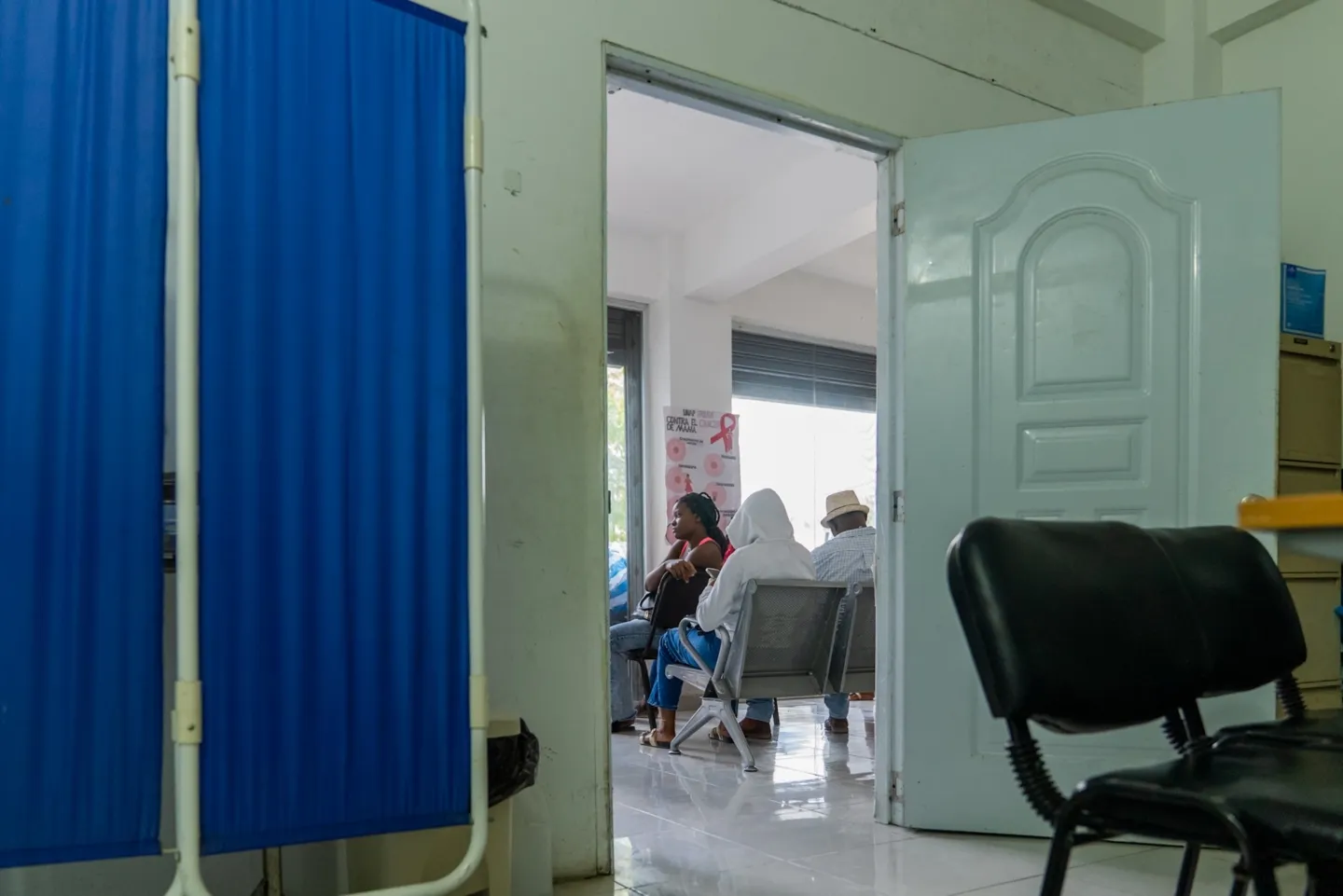
Inconsistent clinical protocols, a high rate of unnecessary C-sections, and significant disparities between private and public hospitals — where low-income women primarily give birth — contribute to avoidable complications like infection, prematurity, respiratory distress, and hemorrhage. These issues are compounded by social determinants such as poverty and poor sanitation.
To address these gaps, Project HOPE is launching the sixth edition of the Saving the Newborn program in La Romana, strengthening emergency readiness at Hospital Dr. Francisco A. Gonzalvo. Training is a cornerstone of this effort. In 2024, Project HOPE partnered with the Dominican Society of Pediatrics to pioneer neonatal resuscitation training for nurses, who are often the first responders when newborns are in distress.
Luz Betzaida de la Cruz, a nurse of the Hospital de Veron, shared how transformative the training has been for her: “Participating in the neonatal CPR workshop opened doors for me,” she said. “It strengthened my skills and allowed me to apply both practical and theoretical knowledge with greater confidence.” She reflected on how this preparation not only elevated her clinical skills but also deepened her ability to support families with compassion and understanding during critical moments. This blend of technical readiness and humanized care is at the heart of Project HOPE’s impact.
“Participating in the neonatal CPR workshop opened doors for me. It strengthened my skills and allowed me to apply both practical and theoretical knowledge with greater confidence.”
–Luz Betzaida de la Cruz, nurse
Through upgraded equipment, strengthened clinical skills, and a focus on respectful, quality care, Project HOPE is helping ensure safer births and healthier beginnings for mothers and their newborns.
2. We’re training and certifying nurses in sexual and reproductive health
Nurses are often the first point of contact for women seeking care, and strengthening their capacity creates ripple effects across entire communities. Through Project HOPE’s Sexual and Reproductive Health Certification Program, developed in collaboration with Universidad Autónoma de Santo Domingo and technically approved by Universidad de Chile, nurses are gaining advanced competencies in rights-based care, family planning, ethics, violence prevention, counseling, and maternal health.
To date, three cohorts have graduated, certifying 170 nursing professionals. With support from the university, trainees have delivered more than 10,000 family planning counseling sessions, providing thousands of women with informed, dignified, and supportive guidance during critical moments of decision-making.
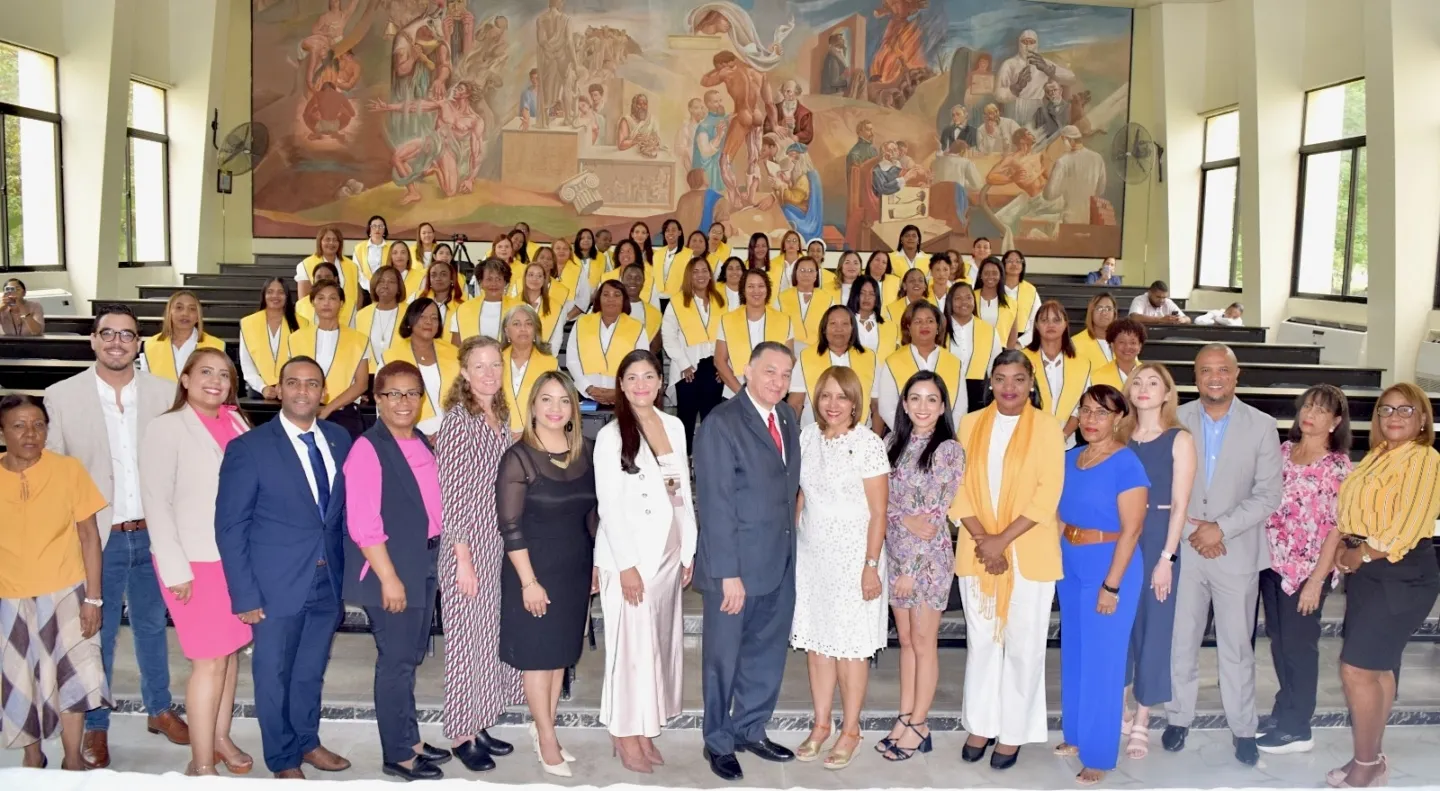
For many participants, the transformation is profound. Ana Minorca Arias Germán, a nursing assistant from San Pedro de Macorís, explained: “This training helped me understand that sexual and reproductive health is much more than contraceptive methods. It means protecting women’s rights, identifying violence, supporting them during pregnancy and postpartum, and offering care that is ethical, humanized, and respectful.”
Today, Ana creates private, trusting spaces for her patients, engages women in informed decision-making, and strengthens continuity of care. She is also sharing what she has learned with her colleagues. “My colleagues who did not participate in the diploma are also changing because I’ve shared what I learned,” she said. “We’re doing better together.”
3. We’re expanding access to mental health support
Mental health is fundamental to maternal well-being. Yet it is often overlooked. Project HOPE is integrating perinatal mental health screening and support into routine services across health centers, helping providers identify risks early and respond with compassion.
Dr. Isabel Hidalgo, who leads the Los Ríos de Anamuya Primary Care Center, shared how the training reshaped her understanding of maternal care: “The training allowed me to truly appreciate the 360-degree perspective of maternal care,” she said. “It helped me understand the importance of early detection of mental health warning signs and how simple it can be to screen using the tools provided by Project HOPE.”
Using screening instruments — such as GAD‑7 for anxiety, AUDIT for alcohol use, and EPDS for postpartum depression — providers are now better equipped to intervene early, reduce risks, and support women with dignity and sensitivity.
By integrating mental health into routine maternal care, Project HOPE is helping break stigma, encourage open conversations about emotional well-being, and ensure that no woman navigates emotional distress alone.
4. We’re shaping better and more resilient futures
Through the 5-Star Youth program, Project HOPE is empowering adolescents to build a concrete life plan and a clear vision for their future before early pregnancy, violence, or misinformation threaten their potential. Drawing on PAHO’s Familias Fuertes strategy and CPO’s Cómo planear mi vida, the program combines community talks for caregivers and interactive sessions for adolescents, following a curriculum designed to foster resilience and communication while helping youth develop self-awareness and emotional regulation.
Implemented across health centers in La Vega and La Altagracia, the program has reached more than 450 adolescents and their parents since the end of 2025, fostering trust, communication, and emotional safety.
One especially meaningful activity for participants is the “personal flag” exercise, where adolescents map their values, strengths, and dreams. Ángeles María Ogando, one of the participants, shared, “That exercise helped me see my future differently. Seeing my values and dreams in one place made me feel clearer about who I want to become.”
This program is also dispelling common myths. “This program helps parents understand that talking openly about sexuality, STIs, and contraceptive methods does not promote early sexual activity,” Ángeles said. “It teaches us to protect ourselves and make good decisions.”
The 5-Star Youth program is more than education — it is prevention, protection, and possibility.
5. We’re providing dignified care
Low‑income women, sex workers, and migrant women — especially those facing language barriers — experience heightened obstacles to care, safety, and protection. Project HOPE reinforces a simple but essential principle across all clinical and community training: every interaction must be rooted in humanized, respectful, and non‑judgmental care, regardless of a woman’s background, income level, occupation, or migration status. Compassion is non‑negotiable, and dignified care is a right.
Through community outreach, clear and accessible health information, and warm referrals to safe services, Project HOPE helps break down barriers driven by fear, discrimination, and limited access. We work closely with providers and local partners to promote culturally sensitive communication and non‑discriminatory practices, ensuring that every woman who walks into a health facility feels seen, heard, and protected.
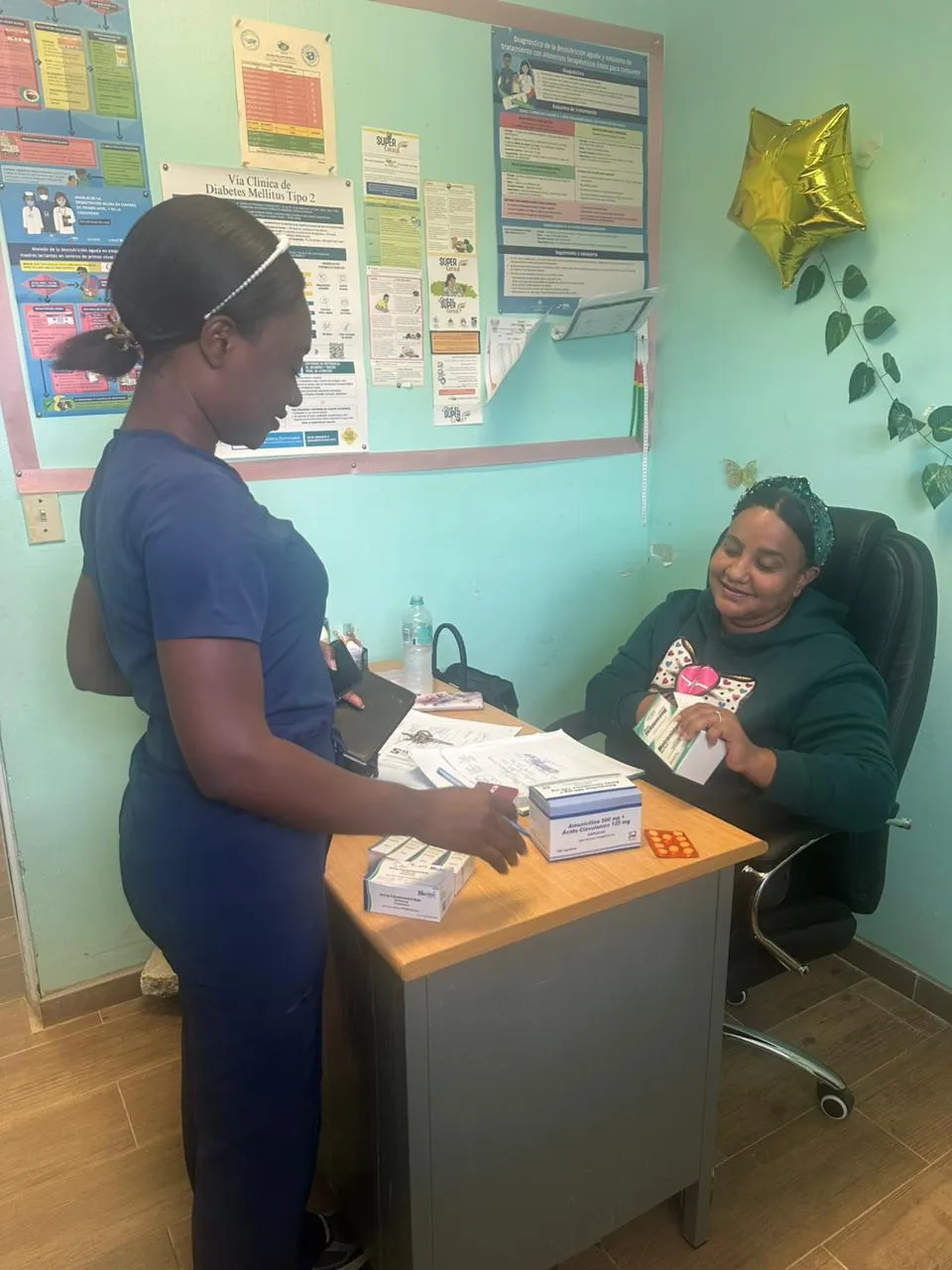
Language barriers are one of the biggest obstacles. At Los Ríos de Anamuya primary care facility in La Altagracia, approximately 80% of patients are migrants, many of whom speak little or no Spanish. Assistant nurse Liliana Filoyen plays a vital role by translating during consultations so patients can clearly understand diagnoses, treatment plans, and follow-up instructions. Yet when multiple consultations occur at the same time, even her efforts cannot meet the demand. This gap in linguistic support, common across health facilities in the region, leaves many migrant women at risk of inadequate treatment.
Addressing these barriers is about more than just improving access. It is about restoring trust, safeguarding dignity, and ensuring that every woman feels safe, respected, and supported as she makes decisions for herself and her family.
A future built on equity and hope
When women rise, communities rise with them. Their well-being and inclusion are essential to driving lasting progress and resilience. By improving health services, strengthening the capacity of the health care workforce, expanding mental health support, empowering adolescents and families, and uplifting populations in vulnerable positions, Project HOPE is helping build a future where every woman and girl in the Dominican Republic can pursue her dreams without limitation.