The Philippines
Improving nutrition and primary health care for pregnant women, new mothers, and newborns
The Context
Women and children in the Philippines face significant health disparities and under-resourced communities often do not have access to consistent and high-quality health care. While the country has made measurable gains in maternal and infant mortality and reduced infectious disease rates, there is room for new partnerships to address nutrition, emergency preparedness, and other health challenges.
The country also faces severe climate risks and is susceptible to natural disasters like earthquakes and typhoons. To improve health outcomes in the long run, the international community and health organizations must work with local partners and Filipino communities to bring sustainable change that addresses the full scope of health challenges facing the Philippines.

22%
of newborn children have low birth weights
Premature births, nutritional deficits, and food insecurity — which affects 45% of the population — have negative health impacts on newborns. And, as they grow up, 29% of children under five are stunted by prolonged undernutrition.

1 in 4
pregnant women are anemic
Micronutrient deficiency is a significant public health issue in the Philippines. Anemia and other nutritional deficiencies increase health risks for pregnant and breastfeeding women, as well as their children.

Ranked #1
in the world for disaster risk
The Philippines faces severe climate risks and is susceptible to natural disasters like earthquakes, volcanic eruptions, and typhoons. In 2025, the country was hit by 23 tropical cyclones, affecting 20 million people.
Our Impact
Supporting Mothers, Infants, and Young Children with Integrated Nutrition Services
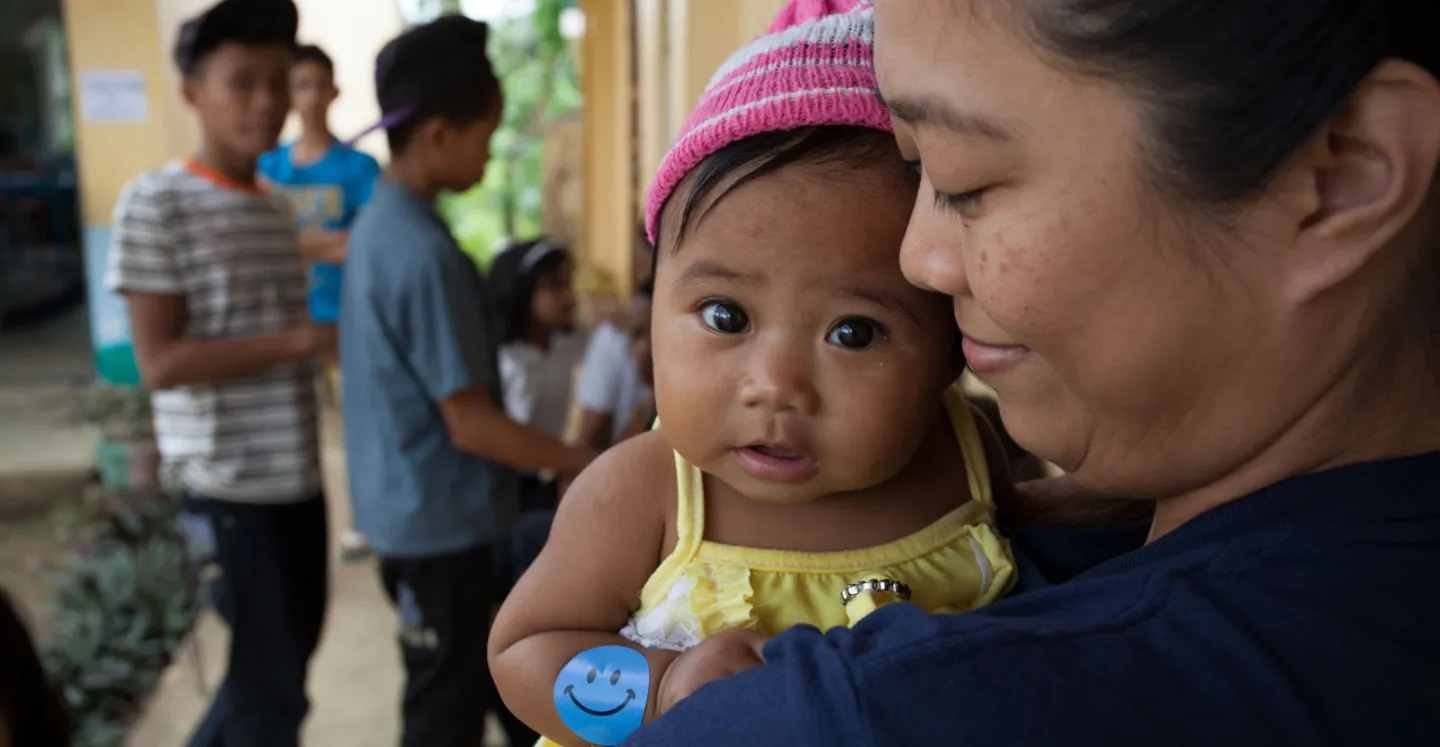
Project HOPE is providing targeted nutrition support for pregnant and lactating women and children under two in under-resourced communities through the LDS Nutrition Strengthening program. Funded by The Church of Jesus Christ of Latter-day Saints, and in line with the Philippine Plan of Action for Nutrition, Project HOPE is equipping 600 community health workers and nutrition committees with the tools they need to improve health outcomes and reach more than 32,000 women and children in the barangays of Tatalon, Payatas and Bagong Silangan in Quezon City.
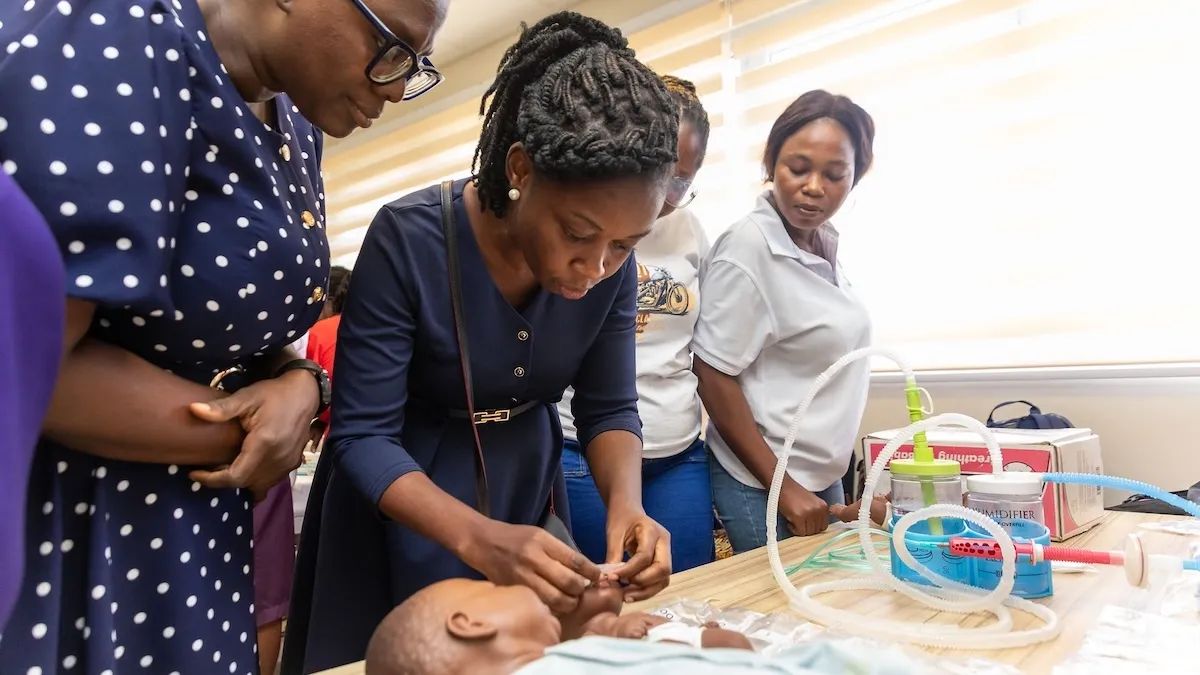
Our team in the Philippines is committed to reaching underserved women and children through community-based health promotion and education sessions covering maternal nutrition, anemia prevention, iron-folic acid supplementation, optimal breastfeeding practices, complementary feeding, and micronutrient powder administration.
To ensure our work to improve the health system is sustained in the long run, this project is providing essential micronutrient and malnutrition treatment supplies, as well as equipment to upgrade the data, information, and service delivery capabilities of local health facilities. In partnership with The Church of Jesus Christ of Latter-day Saints and local health workers, Project HOPE continues to look for additional ways to support the needs of women, children, and under-resourced communities in the country.
Our History in the Philippines
Project HOPE first worked in the Philippines in 1981, providing short-term medical humanitarian assistance. Then, in 2013, Project HOPE deployed 80 medical volunteers in the aftermath of Typhoon Haiyan and distributed medicines and health supplies worth $24 million. Afterwards, our team stayed for years, launching and running nutrition, maternal, neonatal, and child health programs until 2018. From 2020 to 2025, our team helped implement COVID-19, tuberculosis, infection protection and control, and mental health programs designed to protect health workers and people with chronic diseases.
Throughout our history in the Philippines, Project HOPE’s focus has been the modernization of health facilities, improving health access for under-resourced communities, strengthening health service delivery in disaster-affected areas, and improving the health of women and children in vulnerable positions.

Donate
Please give now to deliver urgent relief to people facing disasters and health crises — and make a lasting impact by rebuilding clinics, supporting health workers, providing mental health care, and more.

Join
Follow us on social media, share photos and videos of our work with your family and friends, and join our community of global health champions.

Fundraise
Whether you’re looking to host an in-person event, create your own fundraiser for your birthday, do a charity stream, or run a race, join our community of fundraisers!