
Venezuela
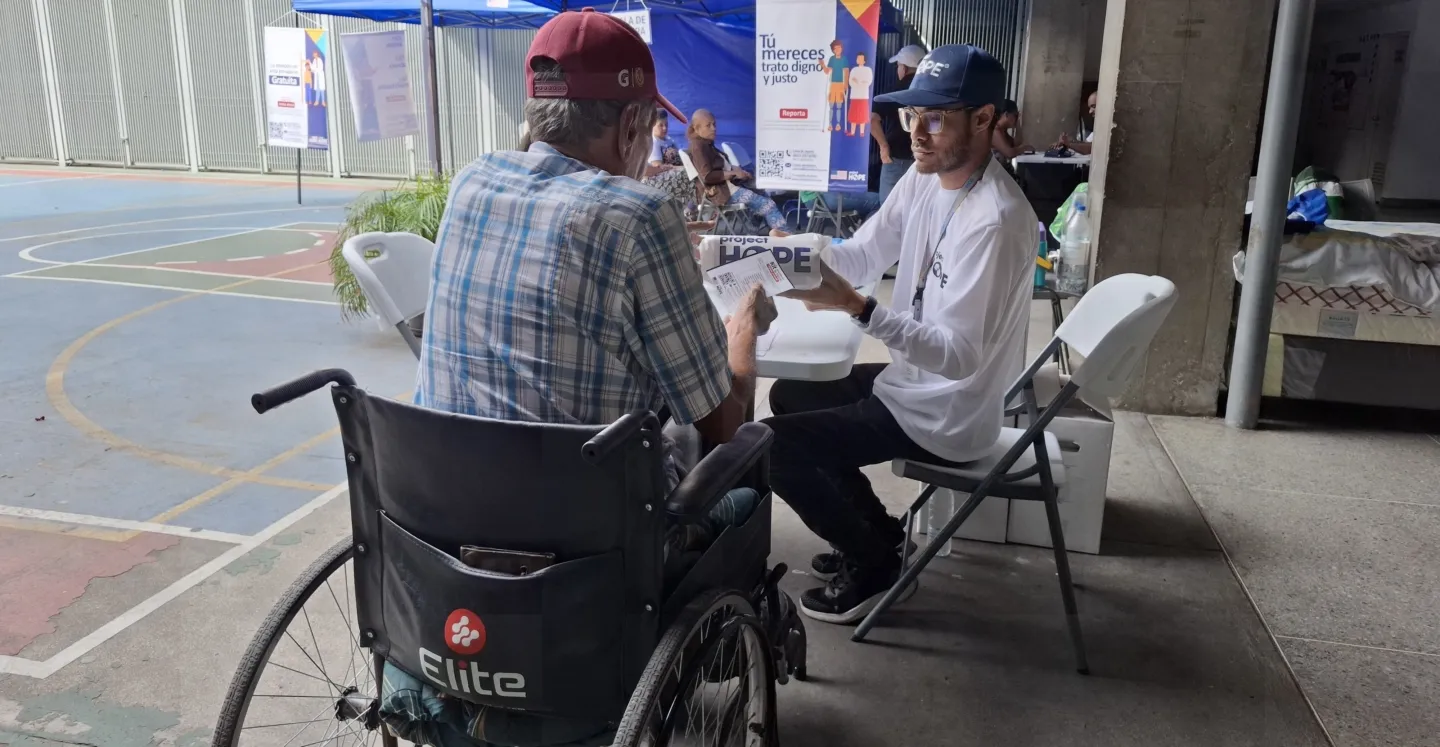
Responding to crisis by providing critical health and humanitarian assistance, addressing urgent needs, strengthening health systems, and expanding access to quality care.
Earthquakes in Venezuela: How to Help
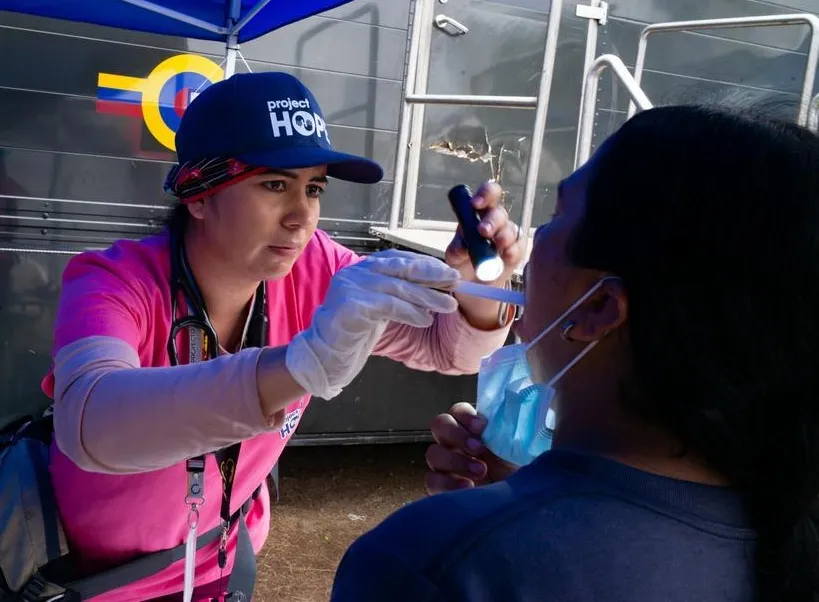
Project HOPE is responding to growing humanitarian needs after two back-to-back earthquakes struck the country in June, devastating the region.
The Context
Venezuela is facing a persistent and complex humanitarian crisis. Communities across the country have experienced years of economic instability, high inflation, and strained public services. Limited access to healthcare, medicines, and essential services has left millions of people struggling to meet their basic needs, with women, children, older adults, and people living with chronic health conditions affected most.
The twin earthquakes that struck north-central Venezuela on June 24, 2026 have only exacerbated the already dire humanitarian situation. Read the latest situation report on our response.
Project HOPE is helping ensure that people across Venezuela can access the quality healthcare they need even in the face of prolonged crisis.

8 million
people need humanitarian assistance
Venezuela’s prolonged crisis has left over a quarter of the population in need of healthcare, protection, nutrition, and other lifesaving services.

82%
of people live in poverty
Widespread poverty makes it increasingly difficult for families to access essential health services, food, and the resources needed to stay healthy.

40%
of the population experiences moderate to severe food insecurity
Without reliable access to nutritious food, families face increased risks of malnutrition, stunted growth, illness, and other long-term health challenges.
Our Impact
Project HOPE works with local partners to strengthen healthcare across Venezuela.
Responding to Humanitarian Needs
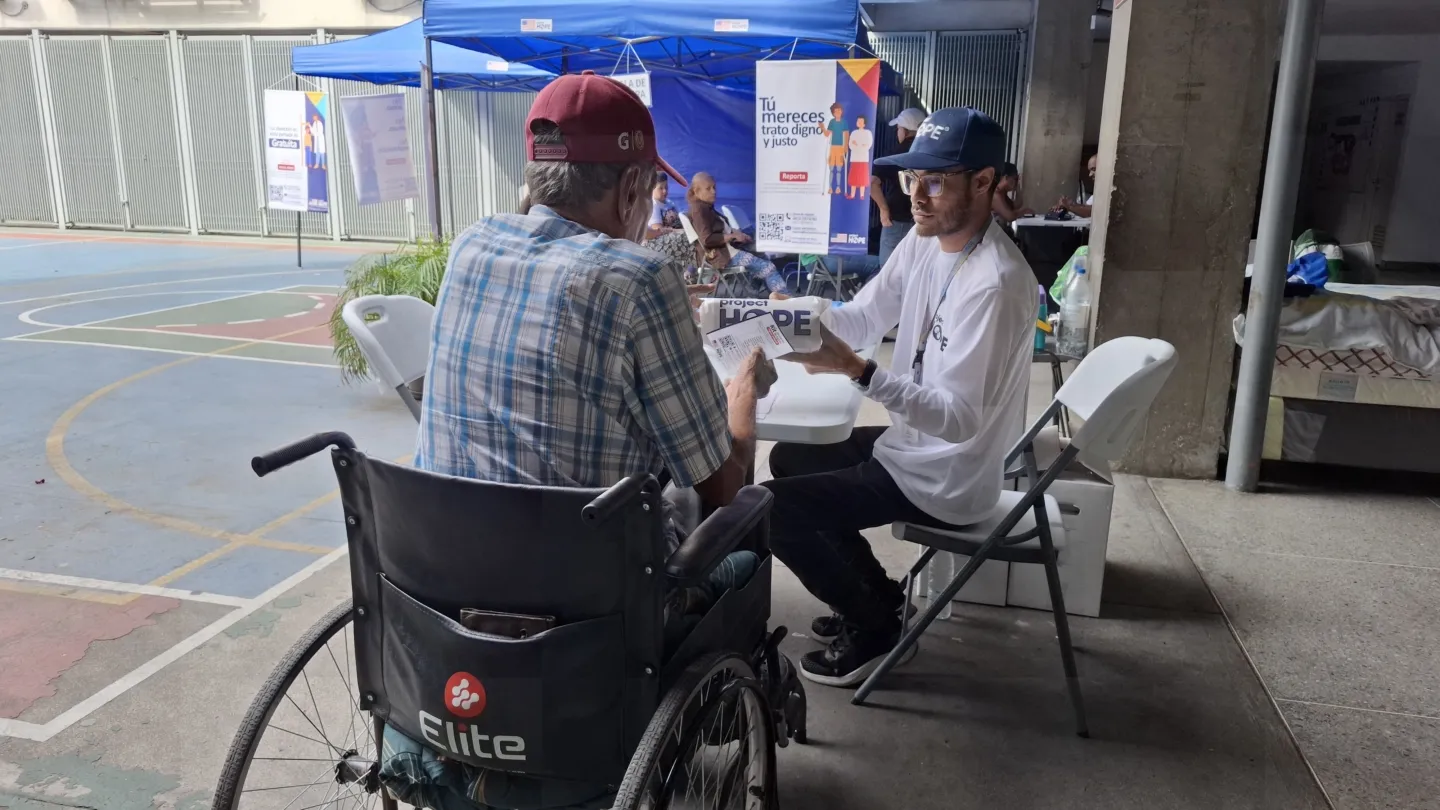
We provide healthcare services to people affected by Venezuela’s complex humanitarian crisis, helping health workers ensure that their communities can access treatment and ongoing care for maternal health issues, primary care needs, infectious diseases, chronic health conditions, and more. Working alongside local health workers and partners, we equip health facilities with what they need to provide lifesaving care, essential medicines, and emergency health services in the face of crisis and disaster.
Supporting Health Workers
We provide health workers with essential medicines, pharmaceuticals, medical supplies, and training so they can continue delivering quality care in the face of humanitarian challenges. We also work alongside government institutions, local organizations, and other partners to strengthen health services and improve patient care, training health workers. By supporting the local health workers who know their patients best, Project HOPE is helping to stabilize both local health systems and the broader community.
Increasing Access to Water, Sanitation, and Hygiene
We improve water, sanitation, and hygiene (WASH) conditions in health facilities to help prevent the spread of infectious diseases, protect patients and health workers, and improve the quality of care. To date, Project HOPE has worked to improve access to clean water, distribute essential hygiene kits, and complete WASH infrastructure repairs in health facilities.
Supporting Women and Children
Working with local health workers, Project HOPE provides nutrition support for pregnant women, new mothers, and infants to promote healthy pregnancies, improve maternal and child health, and support children’s growth and development.
Since 2019, Project HOPE has reached children, adolescents, pregnant women, and lactating new mothers with malnutrition screenings, deworming treatment, nutritional counseling, and referrals to specialized care.
Expanding Mental Health Support
We strengthen referral systems for mental health and psychosocial support (MHPSS) and expand access to care for people in vulnerable situations, including women, children, and survivors of gender-based violence. By improving access and bolstering local health workers, Project HOPE is helping Venezuelans strengthen their communities and the broader health system. This work has facilitated access to violence and abuse response services, while also providing lifesaving and critical psychosocial support to people in need.
Our History
Project HOPE has been working to strengthen access to health services, medicines, and health education across Venezuela since 2019, responding to the country’s ongoing humanitarian crisis while helping build more resilient health systems.
Over the years, our teams have provided lifesaving primary healthcare, supported health facilities, strengthened referral systems for mental health and psychosocial support, and expanded access to care for people in vulnerable situations, including women, children, and survivors of gender-based violence. We have also supported health facilities with water, sanitation, and hygiene (WASH) improvements to reduce the spread of infectious diseases.

Donate
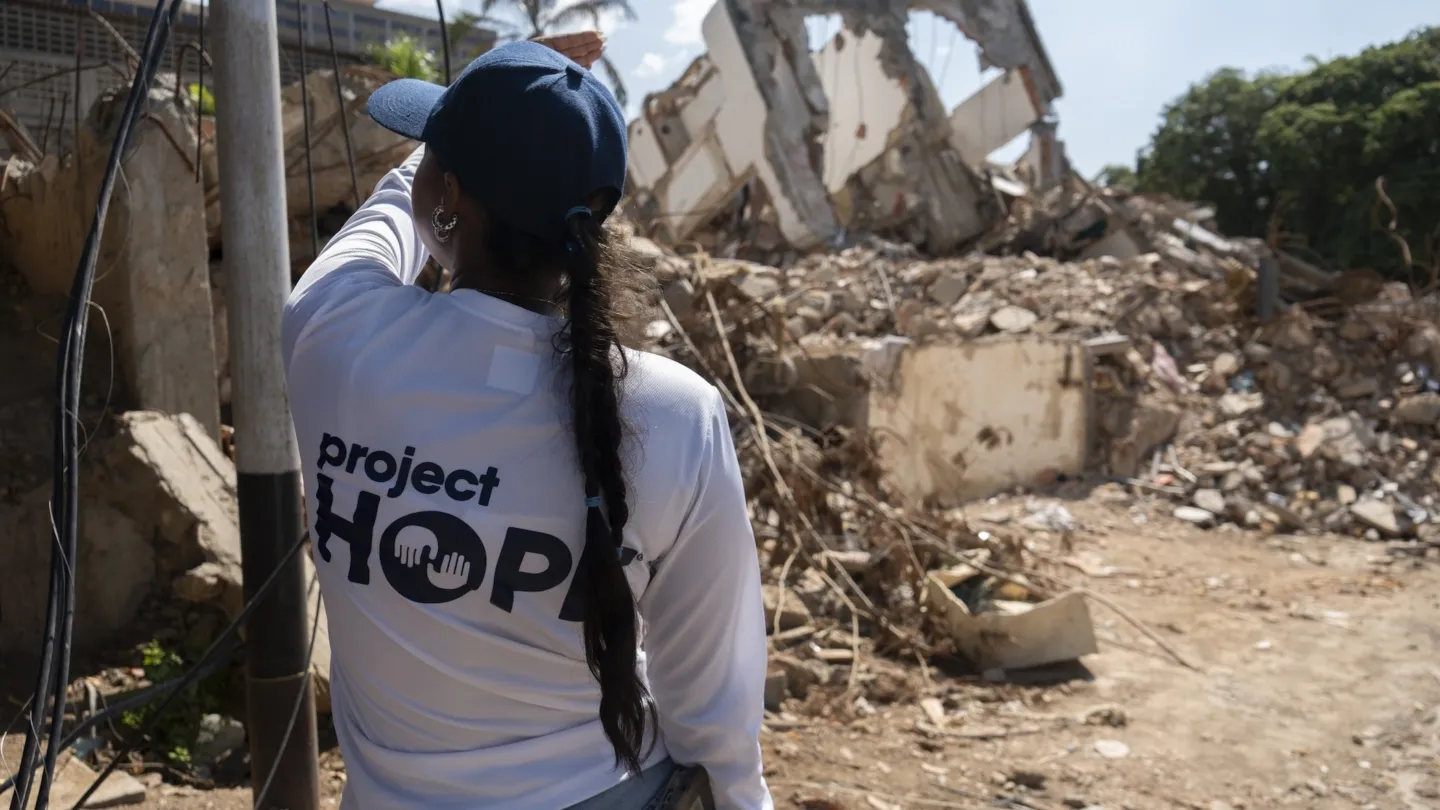
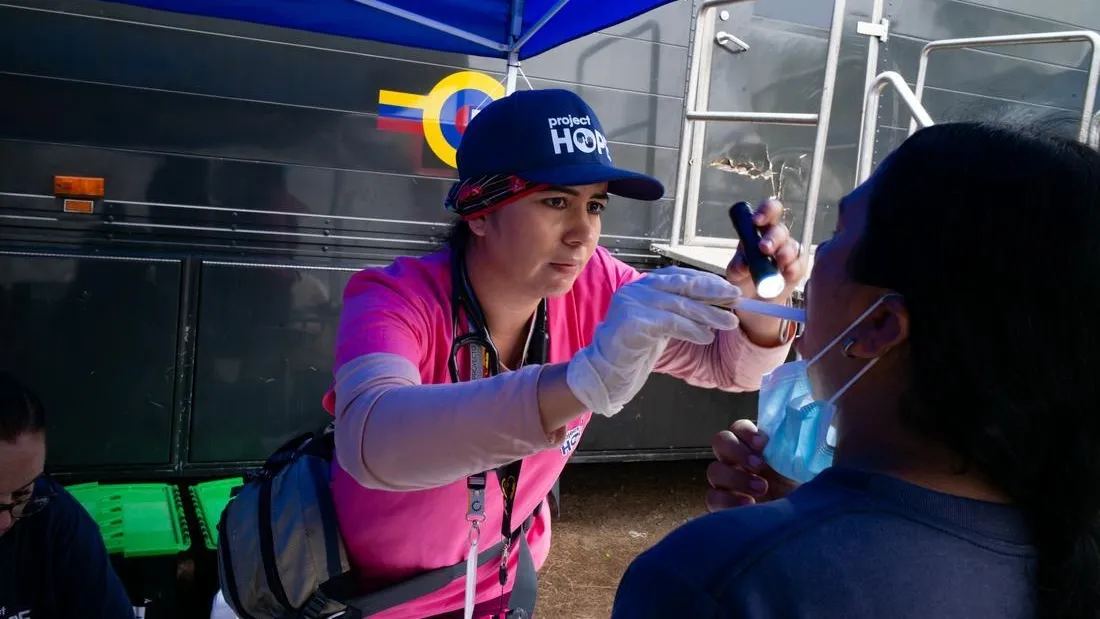
Please give now to deliver urgent relief to people facing disasters and health crises — and make a lasting impact by rebuilding clinics, supporting health workers, providing mental health care, and more.

Join
Follow us on social media, share photos and videos of our work with your family and friends, and join our community of global health champions.

Fundraise
Whether you’re looking to host an in-person event, create your own fundraiser for your birthday, do a charity stream, or run a race, join our community of fundraisers!