Ebola Outbreak: What You Need to Know
Project HOPE is responding in Uganda and rapidly mobilizing a response in the Democratic Republic of the Congo, with a focus on supporting and reinforcing the capacity of frontline health workers. Learn more about how you can help.
The Democratic Republic of the Congo (DRC) and Uganda are confronting a rapidly expanding Ebola outbreak, the third largest in recorded human history.
On May 15, 2026, the World Health Organization (WHO) declared the outbreak a “public health emergency of international concern” following cross-border transmission into Uganda. The number of suspected and confirmed cases continues to rise, with much of the outbreak occurring in the DRC’s northeastern areas.
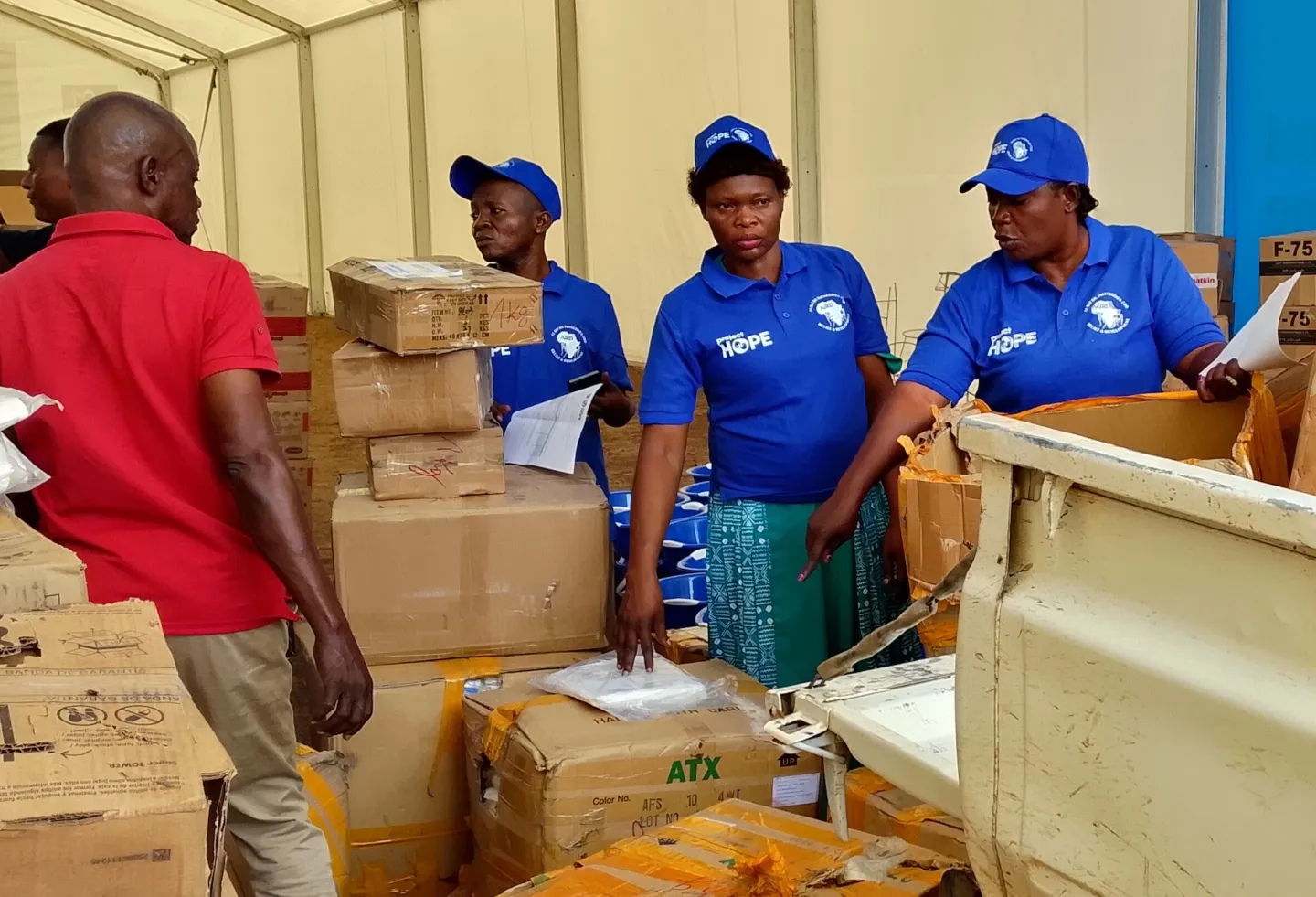
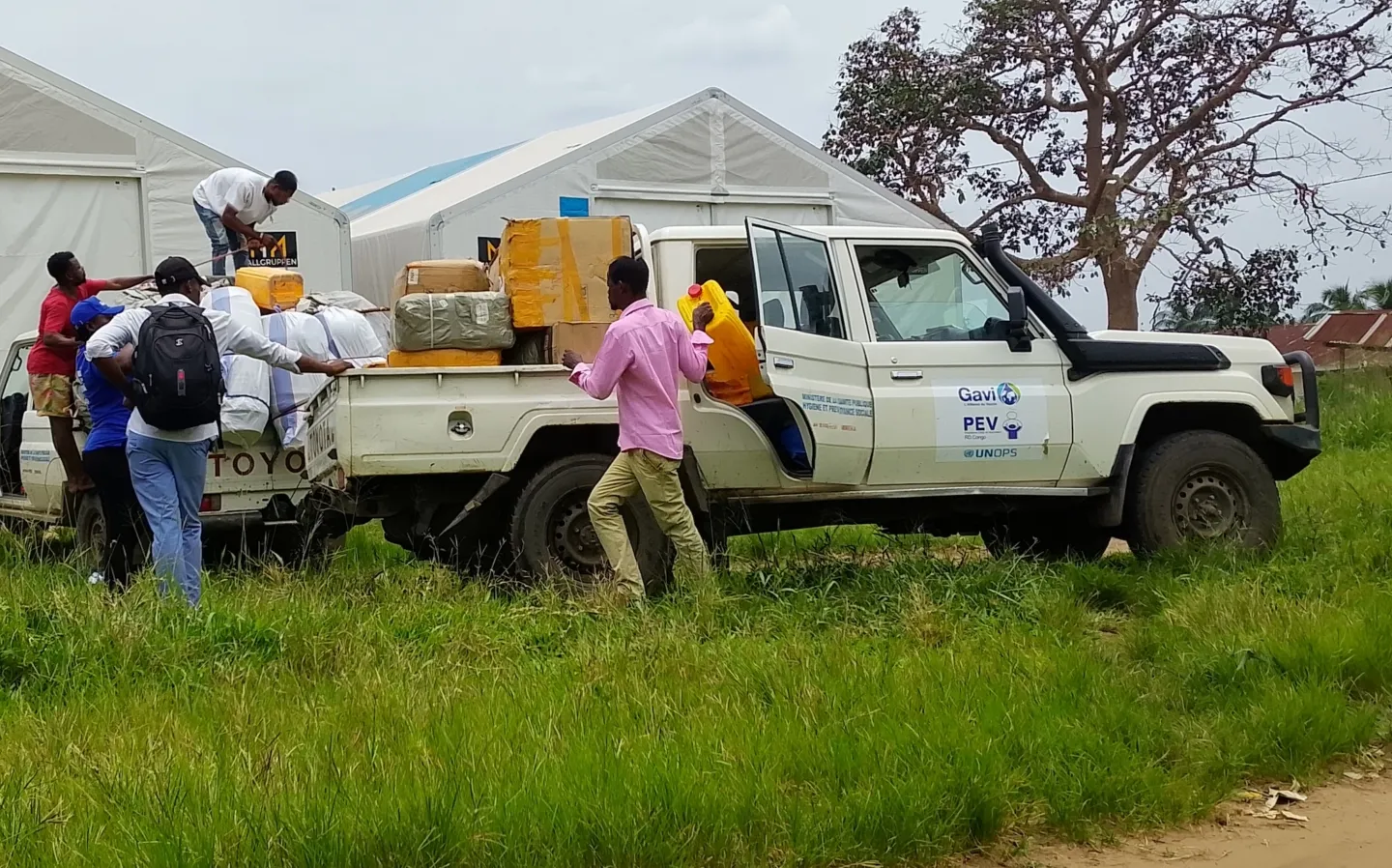
Project HOPE is on the ground in Uganda training health workers, supporting contact tracing efforts, and working closely with government officials to prevent further spread. In the DRC, we are working with local partners to distribute critical supplies. Read on to learn more.
What You Need to Know:
- There have been at least 2,094 confirmed cases of the Bundibugyo strain of Ebola virus and nearly 800 confirmed deaths across the DRC and Uganda.
- A backlog of suspected cases still under investigation in the DRC, and women currently make up the majority of suspected cases.
- Ebola disease is a severe and often life-threatening illness that can spread quickly and carries a high fatality rate.
What is happening in Central and East Africa?
Families in the Democratic Republic of the Congo and Uganda are facing a new and deadly Ebola outbreak.
The outbreak was officially declared by the DRC’s Ministry of Public Health, Hygiene and Social Welfare on May 15, 2026, with cases first identified in the northeastern province of Ituri. Since then, infections have spread across multiple provinces, placing communities and already strained health systems under increasing pressure. This is the DRC’s 17th outbreak of Ebola since the virus was first identified in 1976.
The outbreak is caused by the Bundibugyo strain, a rare form of the virus. There is currently no preventative vaccine or treatment for this specific strain, which health officials estimate carries a 30% to 40% fatality rate.
The region is already affected by conflict, displacement, food insecurity, and limited access to healthcare, which will make it more difficult to detect cases, trace contacts, and stop the virus from spreading. Cases linked to the outbreak have been confirmed in neighboring Uganda, where health authorities are working to increase the capacity of health workers and identify suspected cases.
Why is the risk growing?
Although official borders between the DRC and Uganda are closed except for humanitarian personnel and aid deliveries, unofficial border crossings continue. In addition, Ebola’s long incubation period — which can last up to 21 days — and the similarity of the disease’s symptoms to malaria, makes it difficult to identify and leads to delays in detection and treatment.
The outbreak poses a significant risk to frontline health workers and caregivers treating ill patients and family members, creating widespread fear and the potential for devastating burnout. Limited personal protective equipment (PPE) and infection prevention and control (IPC) supplies are making it increasingly difficult to safely provide basic health services. At the same time, gaps in access to healthcare may force sick patients to travel further from home in search of treatment, increasing the risk of spread.
Community resistance to recognizing the disease and how it spreads also present major challenges to addressing, controlling, and ending the outbreak. Experts also note that the complex humanitarian situation in northeastern DRC, where non-state actors oversee both remote communities and important urban centers like Goma, is complicating contact tracing and broader containment efforts.
>> News Alert: Mobilizing Response to Ebola Outbreak in the DRC & Uganda
What is Ebola?
Ebola disease is a severe and often life-threatening illness caused by viruses in the filoviridae family. Although relatively rare, Ebola can spread quickly and place significant strain on health systems and communities.
Ebola is most prevalent in Central and East Africa as the virus’s natural reservoir is believed to be fruit bats that live in tropical forest ecosystems found across the region. Human outbreaks typically begin when people come into contact with infected wildlife, such as bats or other animals that have contracted the virus. Ebola spreads through direct contact with blood, bodily fluids, or tissues of an infected person, as well as contaminated objects such as bedding, clothing, or medical equipment.
Once introduced into a community, Ebola can spread rapidly. Early detection, isolation, supportive care, and vaccination are critical to controlling outbreaks and reducing mortality.
What is Project HOPE’s response?
Project HOPE’s Emergency Response Team is in Uganda and working with local partners and health authorities to respond to the worsening outbreak.
In coordination with Ugandan officials, Project HOPE is strengthening surveillance and contact tracing efforts to help detect and contain potential cases. Although case numbers in Uganda remain relatively low, there is an opportunity to improve surveillance practices in at-risk health facilities in the capital of Kampala and in health districts bordering the DRC.
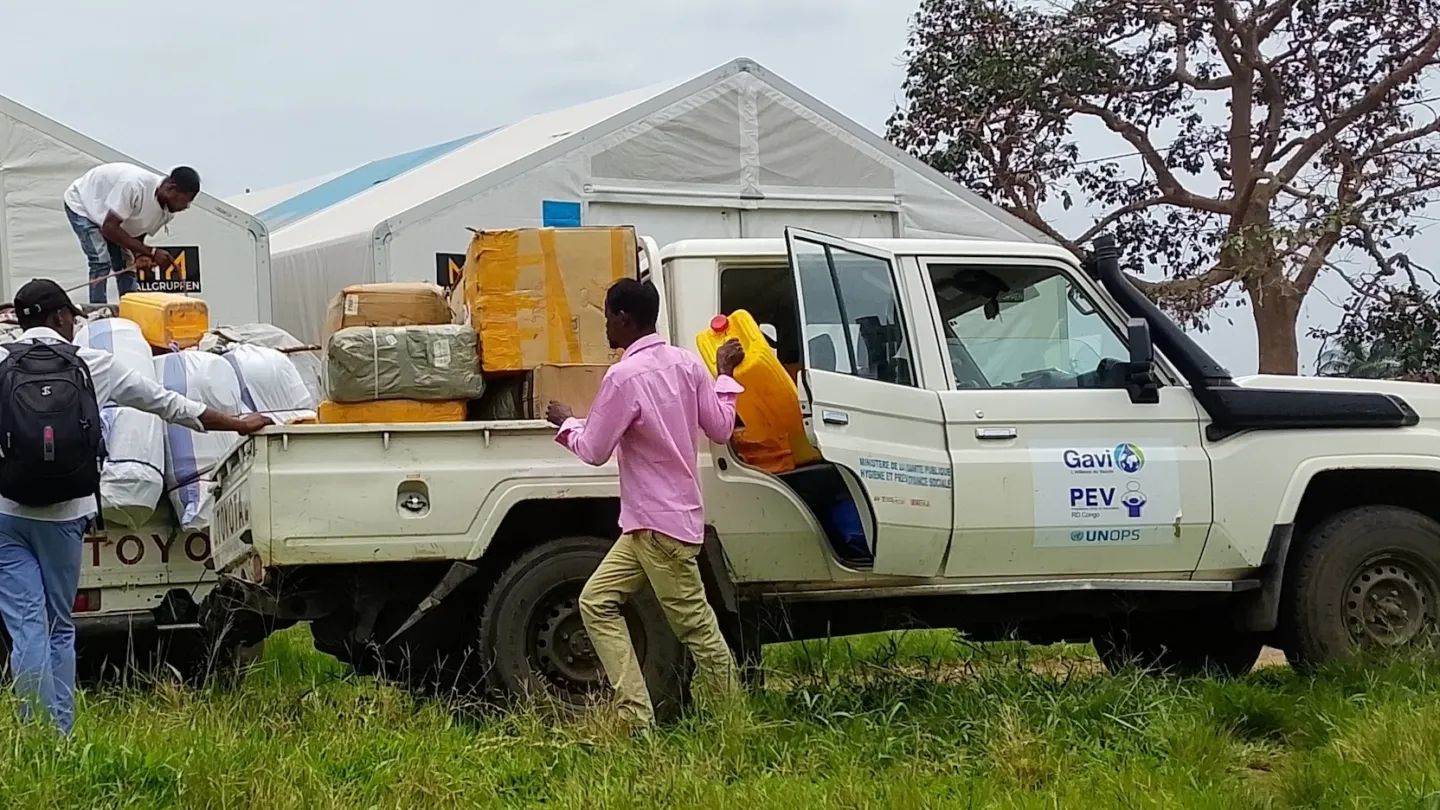
Project HOPE has partnered with African Initiative for Relief and Development (AIRD) to rapidly deliver PPE to frontline responders. Working closely with local health officials, partners, and suppliers, we will distribute 12 pallets of critical PPE and IPC materials across Uganda and the DRC, including gloves, face masks, and biohazard equipment.
In addition, our teams are positioned to provide tailored technical training and skills reinforcement for frontline responders, with a focus on surveillance and contact tracing, IPC, and mental health and resilience. Across all activities for this response, Project HOPE is working to ensure that those best positioned to prevent and stop the spread of Ebola have the tools they need to do so.
>> READ MORE: We’ve Seen an Ebola Crisis Before. We Cannot Repeat the Same Mistakes.
What is Project HOPE’s history of outbreak response in the region?
Project HOPE has engaged in outbreak response activities across the African continent, including a response to the 2025 Zaire strain Ebola outbreak in the DRC’s Kasai Province and a successful intervention earlier this year that helped eradicate the Marburg virus in Ethiopia.
Project HOPE also responded to the 2014 West African Ebola outbreak in Sierra Leone, providing medicines, medical supplies, and medical consumables such as PPE.