Child Development, Care, & Protection
Strengthening government-led child protection, development, and care systems in partner countries to address violence, abuse, neglect, exploitation, malnutrition, and family separation, thereby helping to build self-reliant nations while reducing long-term costs to American taxpayers and supporting U.S. security interests
Our Approach
At Project HOPE, we believe the surest way to break cycles of vulnerability is to help partner countries build their own systems for protecting children and supporting healthy development—systems that families trust, governments fund, and communities sustain long after donor support ends. Working alongside national ministries, local civil society, faith-based networks, and the private sector, we strengthen what already exists rather than build parallel programs that disappear when funding stops.
Around the world, Project HOPE:
- Builds investment cases that move proven services onto domestic budgets and toward self-reliance
- Strengthens national child protection systems through workforce, governance, case management, and data reforms owned by host governments
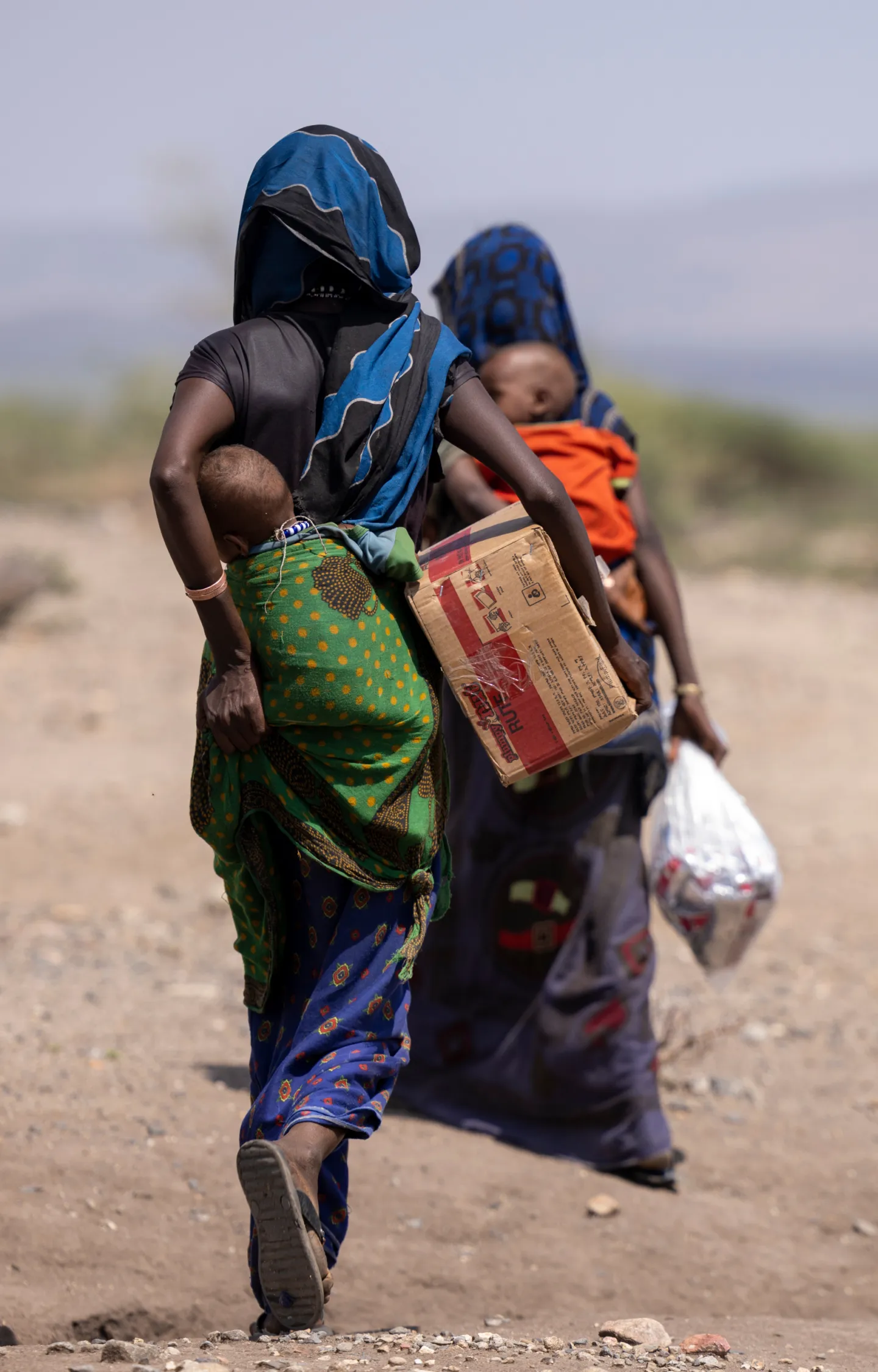
- Prevents malnutrition and developmental delay throughout a child’s critical first 1,000 days through primary health care and community platforms
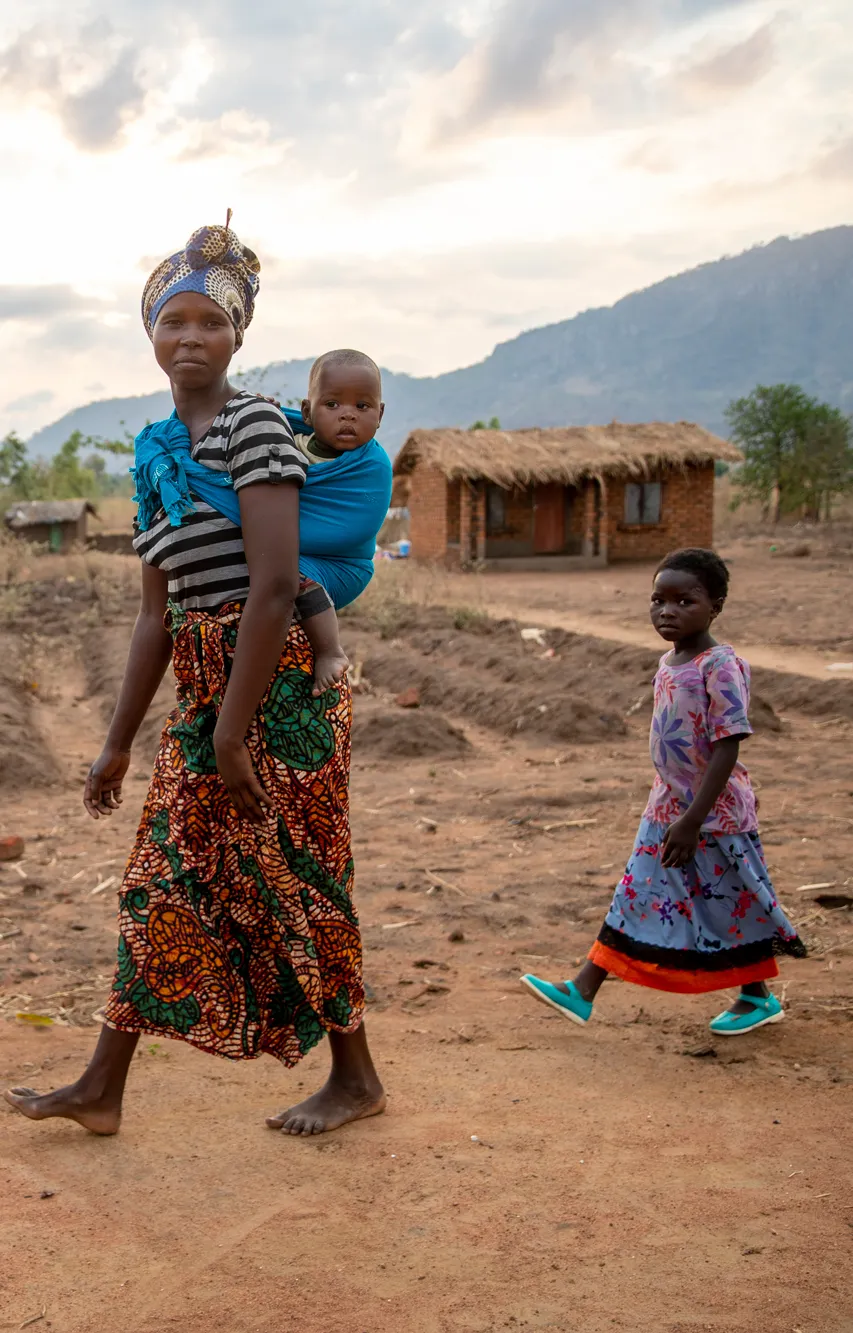
- Keeps families together by strengthening parenting, economic resilience, and linkages to social protection and community-based support systems that prevent unnecessary family separation and reduce reliance on residential care
- Mobilizes faith-based and community networks as trusted partners in identification, prevention, and follow-up

1.6 billion
children experience violent punishment at home
Most violence against children happens in places designed to be safe like homes, schools, and care settings. Building national systems that detect and respond early prevents lifelong damage, lowers downstream health costs, and reduces the burden of preventable trauma.

250 million
children under five risk not reaching their developmental potential
The first 1,000 days shape a child’s lifelong learning, earnings, and health. Investing early (in nutrition, responsive caregiving, and primary health care) is among the highest-return development investments available, building the workforce and stability that U.S. partners depend on.

202.8 million
children have lost one or both parents
Most children in residential care still have living relatives able to care for them. Keeping families together (and supporting kinship, foster, and family-based alternatives) is safer for children, cheaper than institutional care, and the foundation for self-reliant societies.
The Context
Approximately 2.3 billion children live in the world today, and far too many face overlapping risks of violence, malnutrition, delayed development, and family separation. The drivers include weak laws and enforcement, under-resourced frontline and social service workers, fragmented case management, and limited data. Proven, cost-effective interventions exist, but too often they remain stuck inside donor pilots rather than embedded in national budgets. The path forward is country-led, performance-managed, and built to last. We call on governments to take ownership of what works, backing proven child protection services with domestic financing, private-sector partnership, and the political will to make them permanent.