Delivering Lifesaving Care to Hardest-Hit Areas of Jamaica with Support from the U.S.
In response to the catastrophic impact of Hurricane Melissa, Project HOPE is continuing to provide critical health, water, and sanitation services to the hardest-hit communities in Jamaica, thanks to the generous support of the United States government and coordination with Jamaica’s Ministry of Health and Wellness.
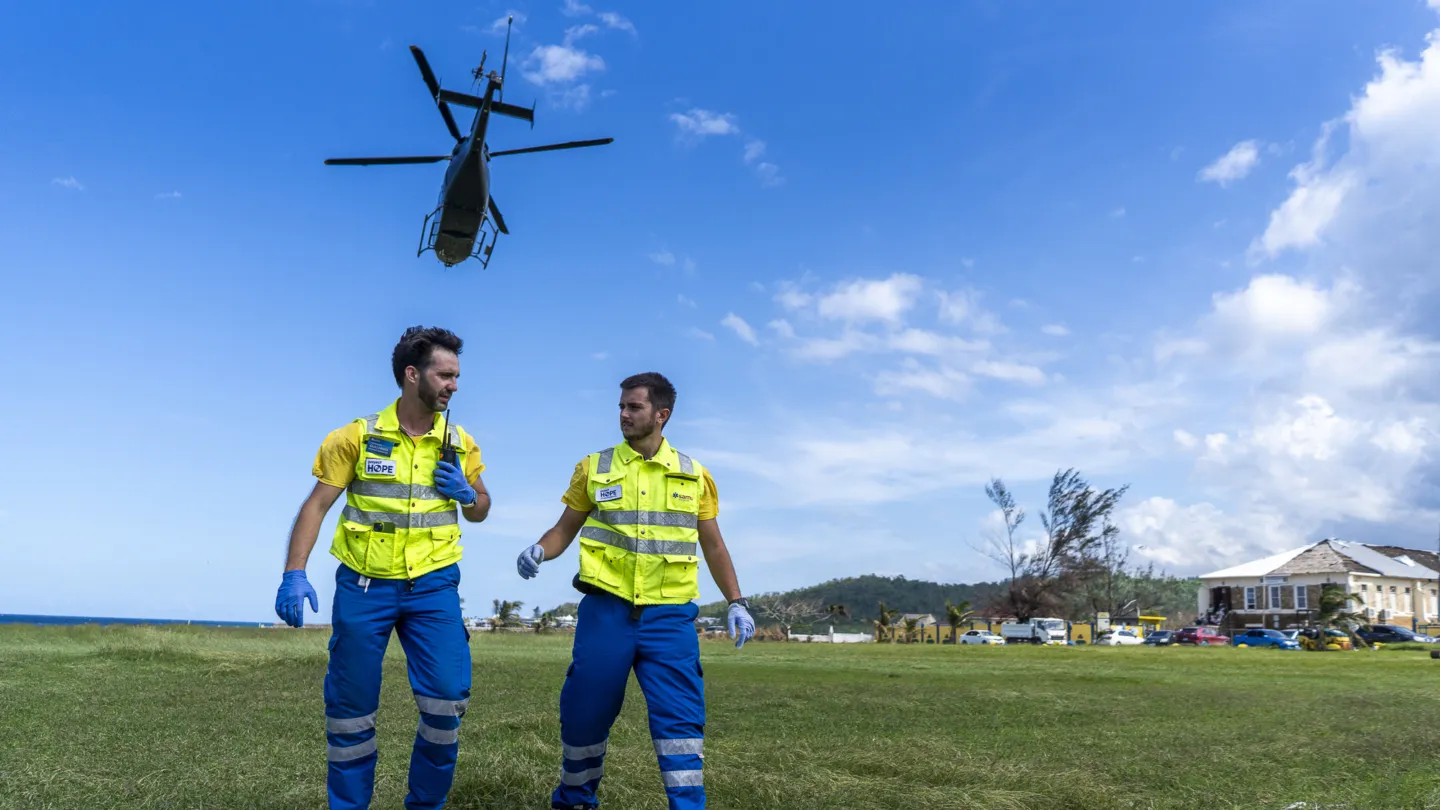
In response to the catastrophic impact of Hurricane Melissa, Project HOPE is continuing to provide critical health, water, and sanitation services to the hardest-hit communities in Jamaica, thanks to the generous support of the United States government and coordination with Jamaica’s Ministry of Health and Wellness.
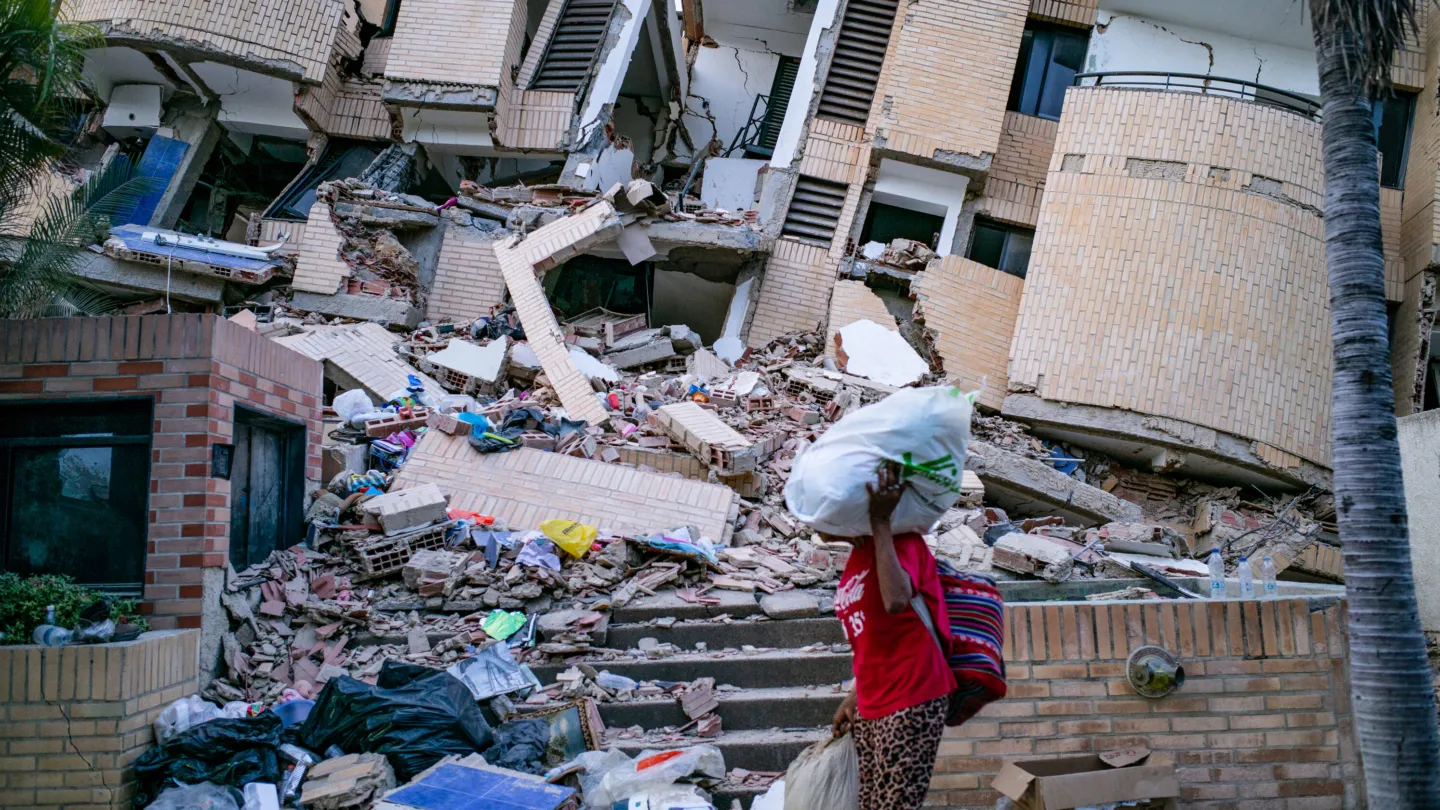
Hurricane Melissa caused widespread devastation across the island, displacing thousands and damaging approximately 90% of health facilities in the affected areas. In the wake of the storm, communities are facing severe disruptions to power and clean water supplies, creating concerns about outbreaks of waterborne diseases like leptospirosis. Project HOPE’s operations are focused on the parishes of Westmoreland, Trelawny, St. Elizabeth, and St. James where infrastructure damage has severely limited access to basic care.
“Our initial priority has been to stabilize emergency health care services and bring primary care directly to people who are otherwise cut off from accessing services. Now we’re expanding to consider the long-term needs,” said Arlan Fuller, Project HOPE’s Director of Emergency Preparedness and Response. “By equipping health workers, standing up a field hospital, and launching mobile medical units, we are building back capacity for the local health system. Clean water, primary care, and mental health support will remain critical to ensure a sustainable recovery for these communities.”
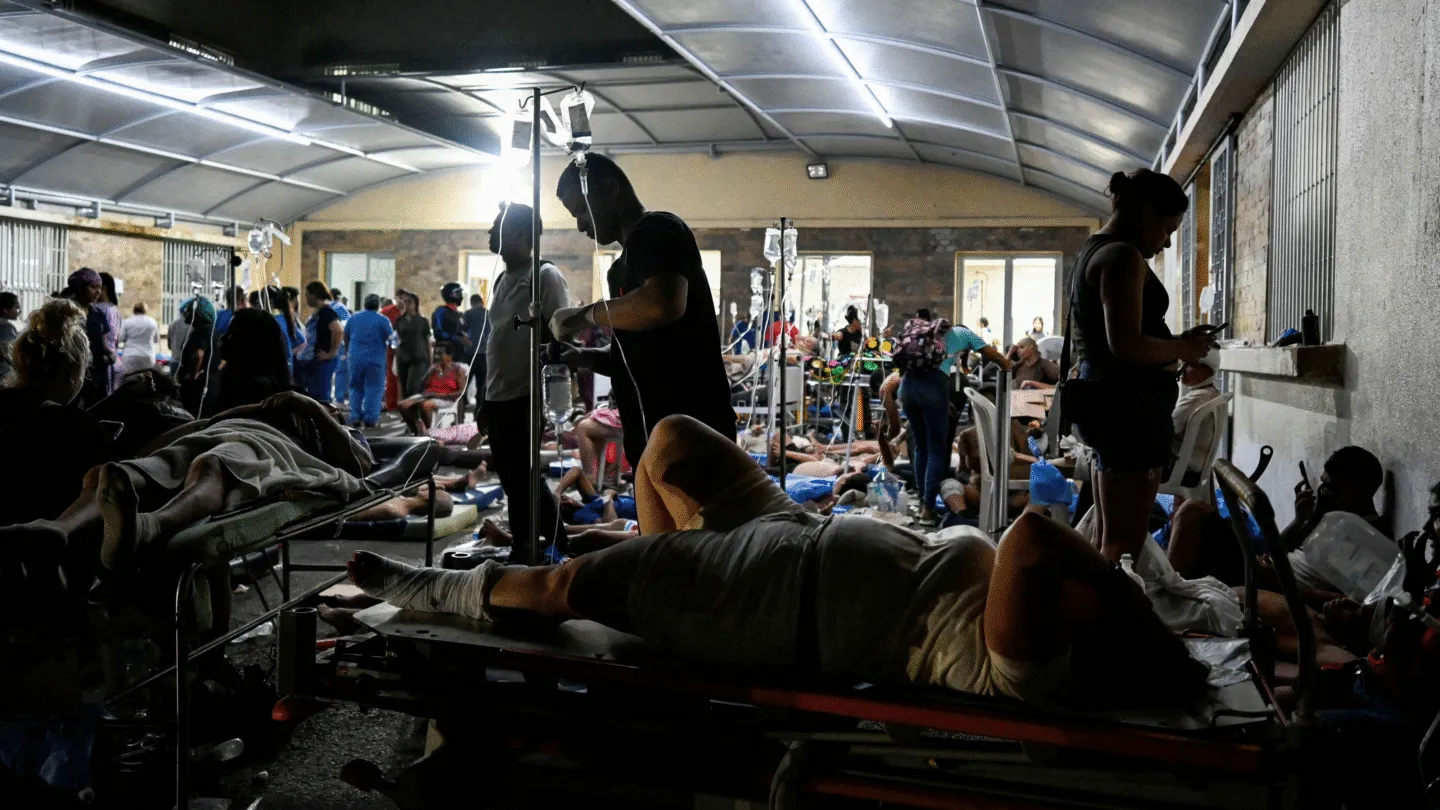
In partnership with SAMU, Project HOPE established a field hospital adjacent to the Noel Holmes Hospital in Lucea. While the hospital itself sustained significant structural damage, this Type 1 Fixed Emergency Medical Team (EMT) has the capacity for clinical management, triage, stabilization, wound care, primary health, maternal and child health, infectious and chronic disease management, palliative care, mental health, and patient transport. Since becoming operational, the EMT has managed over 555 patient consultations with a focus on emergency and trauma care, including treating wounds and respiratory infections.
To reach isolated communities, Project HOPE launched four mobile medical units (MMUs) in St. James and St. Elizabeth parishes with plans to significantly scale to an additional three in early January. These units, staffed by a mix of local health workers and Project HOPE emergency responders, deliver primary care, pharmaceuticals, and mental health support directly to areas where roads are damaged and health centers are non-functional.
Project HOPE will continue to support those affected by the hurricane in coordination with the Jamaica Ministry of Health and Wellness, the United States Embassy in Jamaica, and the U.S. Department of State, and is prepared to adapt its response to the evolving needs on the ground.
Access photos from the Hurricane Melissa response here. Direct media inquiries to media@projecthope.org
###
This program is funded by a grant from the United States Department of State. The opinions, findings and conclusions stated herein are those of Project HOPE and do not necessarily reflect those of the United States Department of State.