What is a Mobile Medical Unit?
When patients are cut off from care, mobile medical units come to meet them wherever they are. Go alongside Project HOPE’s mobile medical teams providing care around the world.
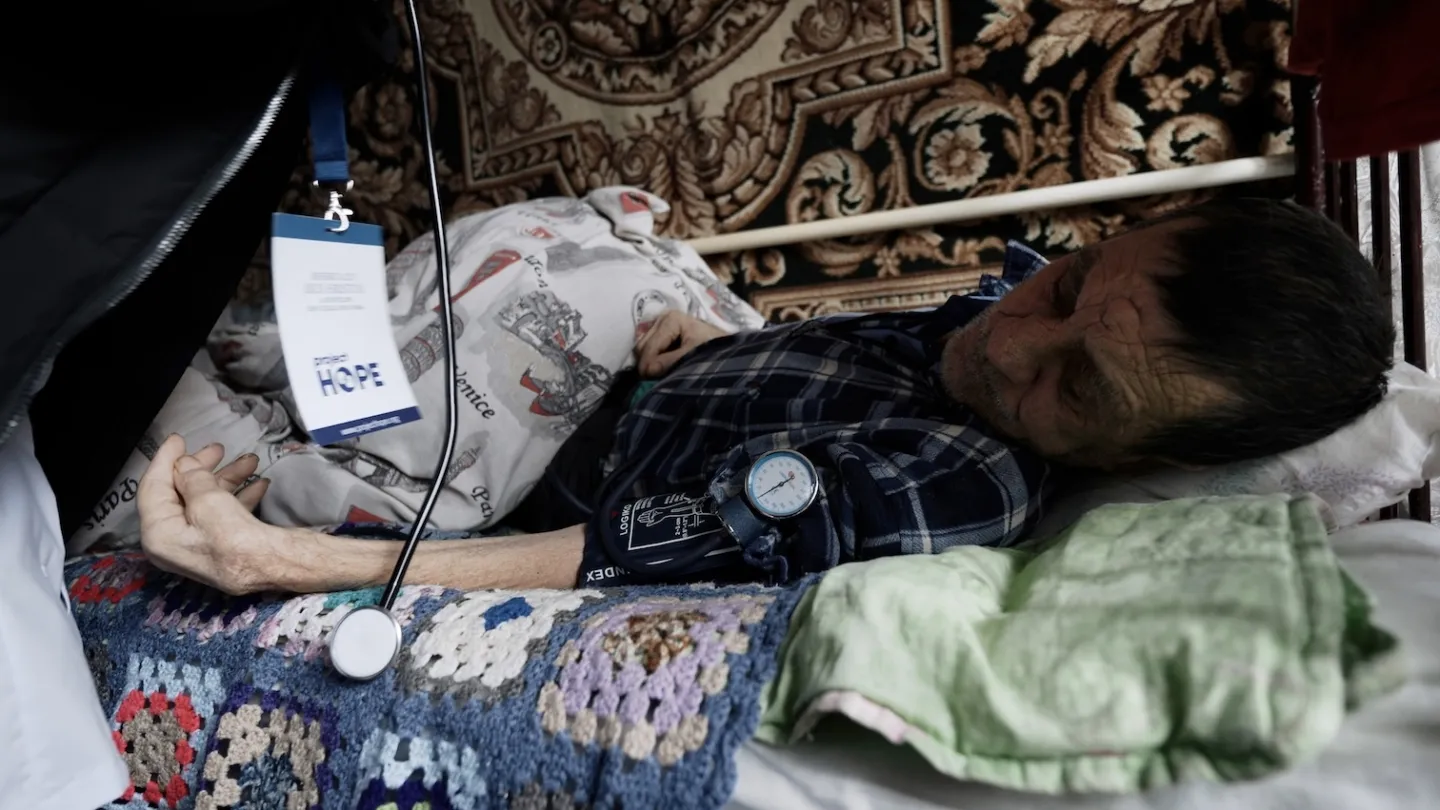
For months, Maria did everything she could to care for her husband on her own. He was bedridden, and his condition was worsening as severe bedsores developed and left him weak and unable to eat.
They live in Popeasca, a small, rural village in Moldova, where accessing even routine health care is difficult. Limited transportation, staffing shortages, and fragile infrastructure mean that urgent or specialized care is often out of reach.
Without help, Maria feared her husband would not survive.
That changed when a Project HOPE mobile medical unit (MMU) reached their village.
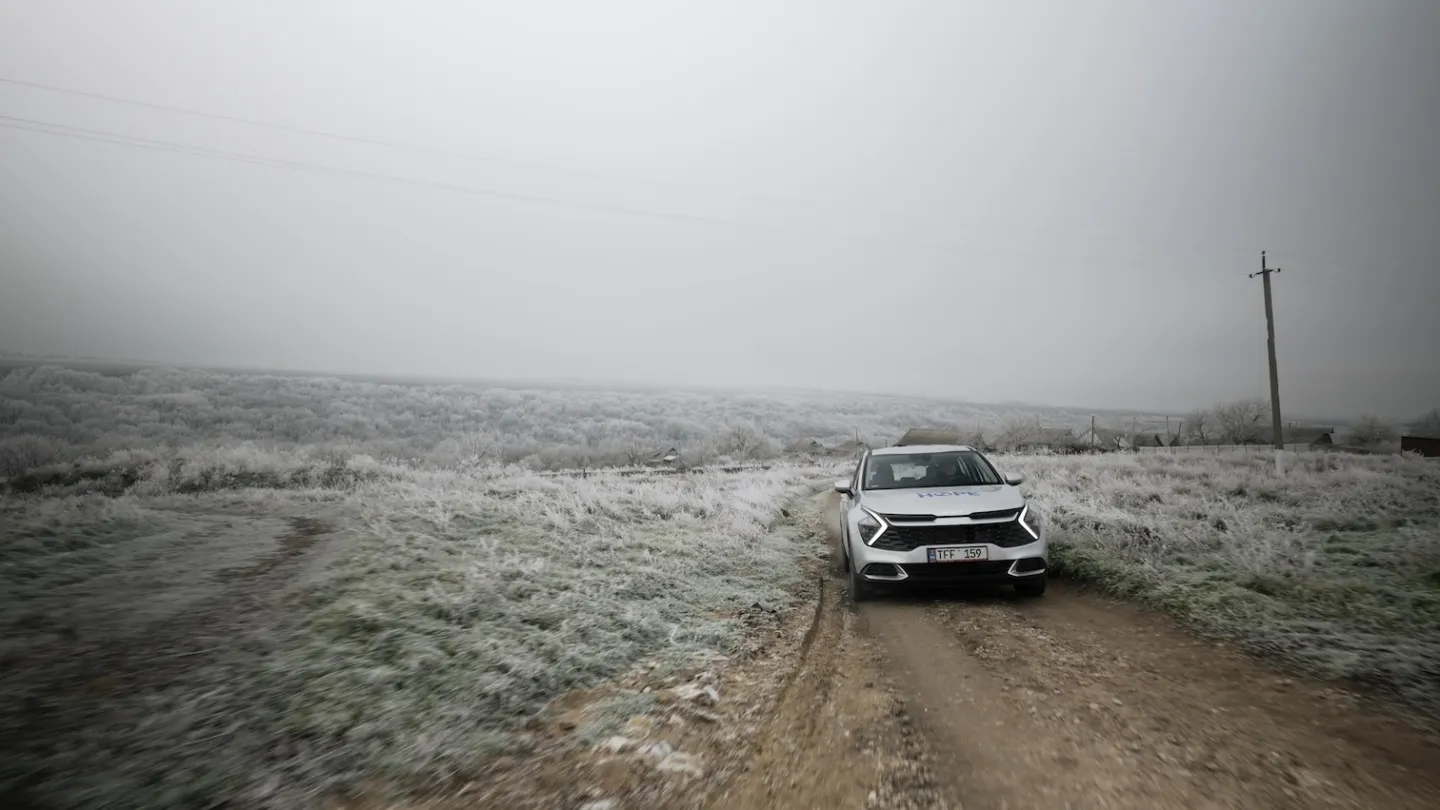
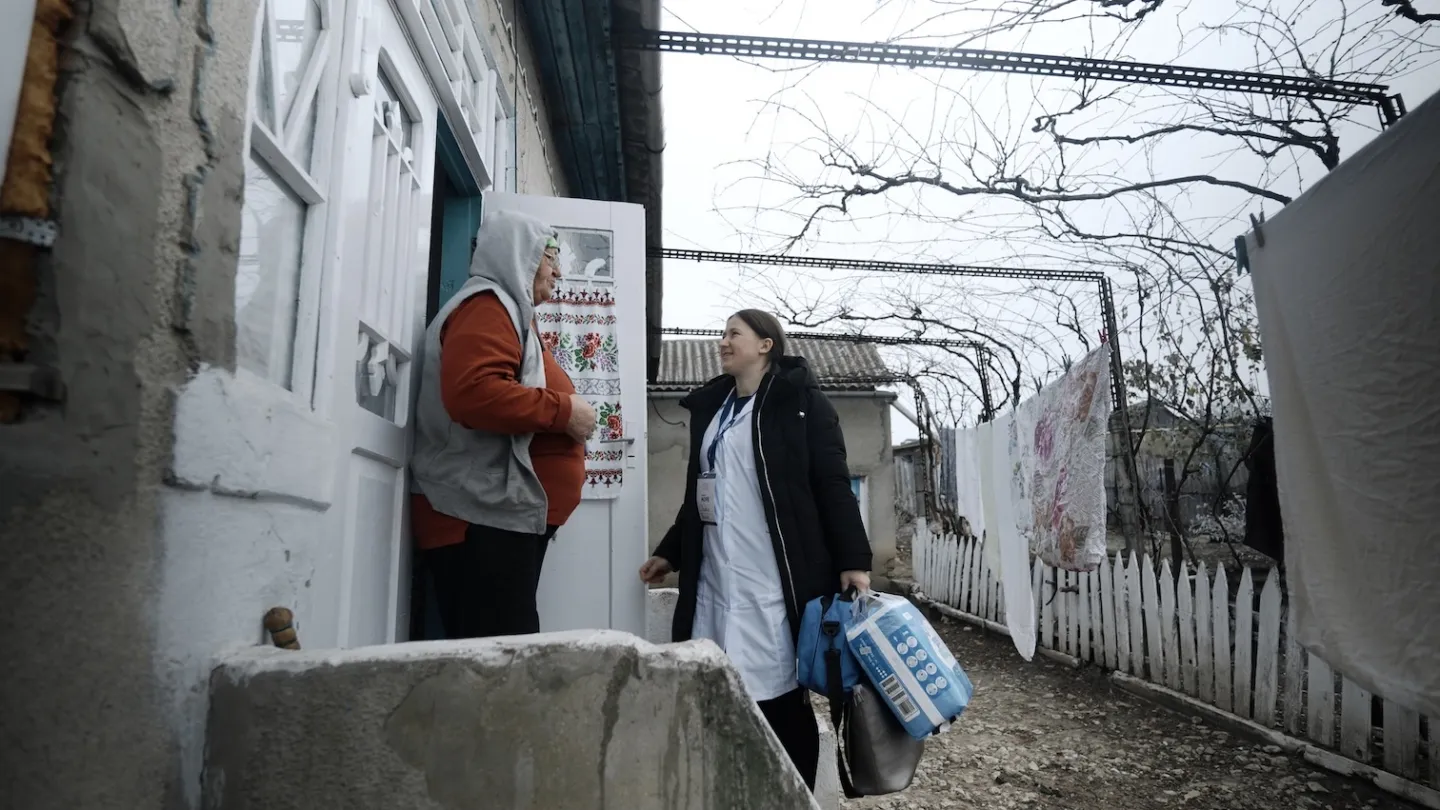
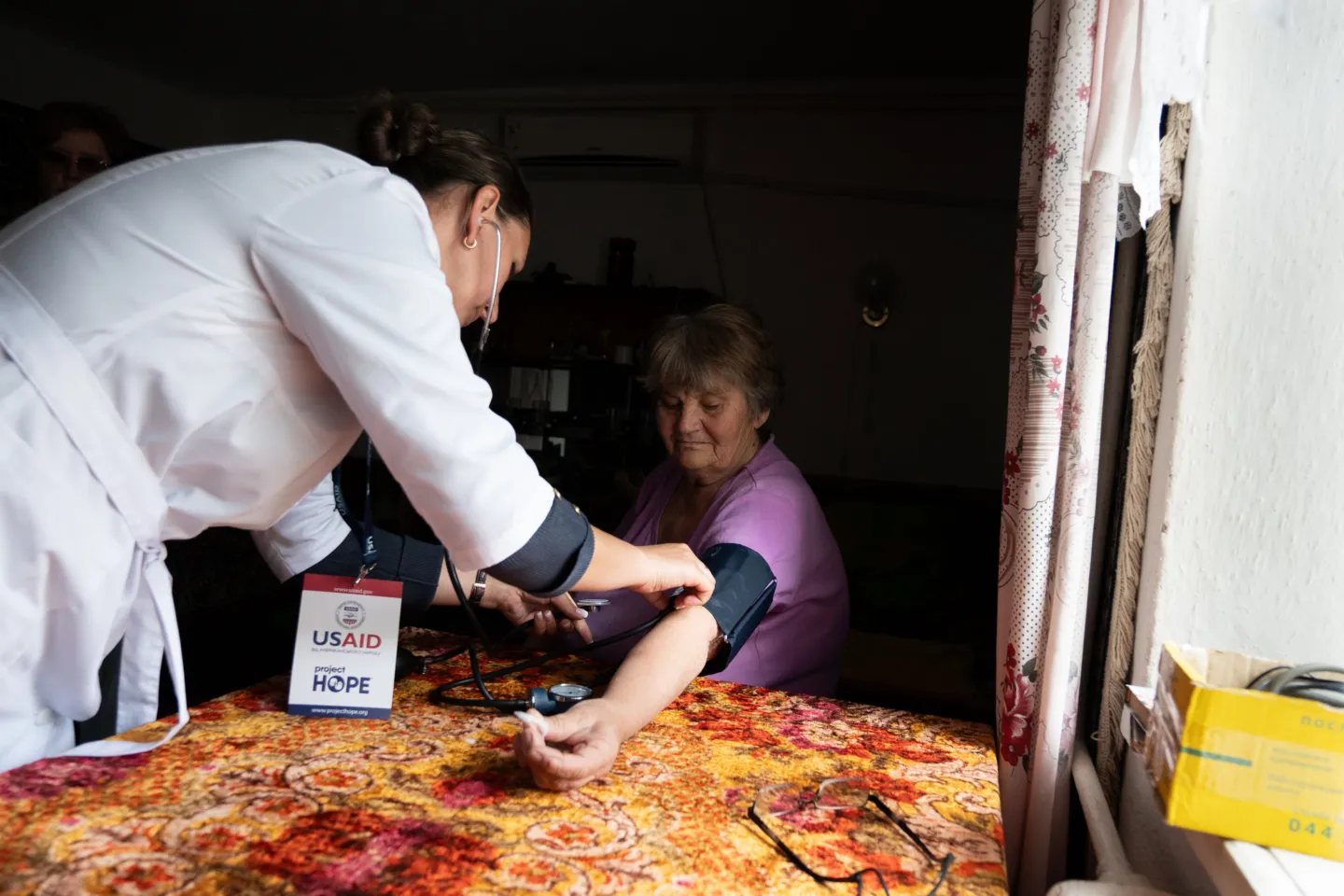
A doctor and nurse began making regular home visits, providing the care and supplies Maria and her husband could not access on their own. “They came to our home, changed the dressings, and brought us medicine, bandages, and even adult diapers,” Maria said.
Through a partnership with the Ștefan Vodă District Hospital, Project HOPE deploys MMUs to deliver home-based care to people in Popeasca and other hard-to-reach communities in Moldova, offering supplies, treatment, psychosocial support, personal care, and occupational therapy when needed. In Moldova alone, these MMU teams have provided more than 4,500 medical consultations and over 2,400 mental health consultations in the past year.
For Maria and her husband, and for thousands of other families like theirs around the world, Project HOPE’s mobile medical units are not just a stopgap. They are a lifeline and a vital part of our work to ensure everyone, everywhere has access to health care.
Reaching people where health systems can’t
Around the world, MMUs help us reach those most at risk of severe health issues, especially in crises caused by war or disaster.
Mobile units look different depending on the setting and offer a variety of free services, including primary health consultations, medications, mental health and psychosocial support (MHPSS), hygiene supplies, and more. Each MMU is tailored to the specific contexts in which it operates, whether it’s for people displaced by conflict in northern Ethiopia or communities impacted by Hurricane Helene in the U.S.
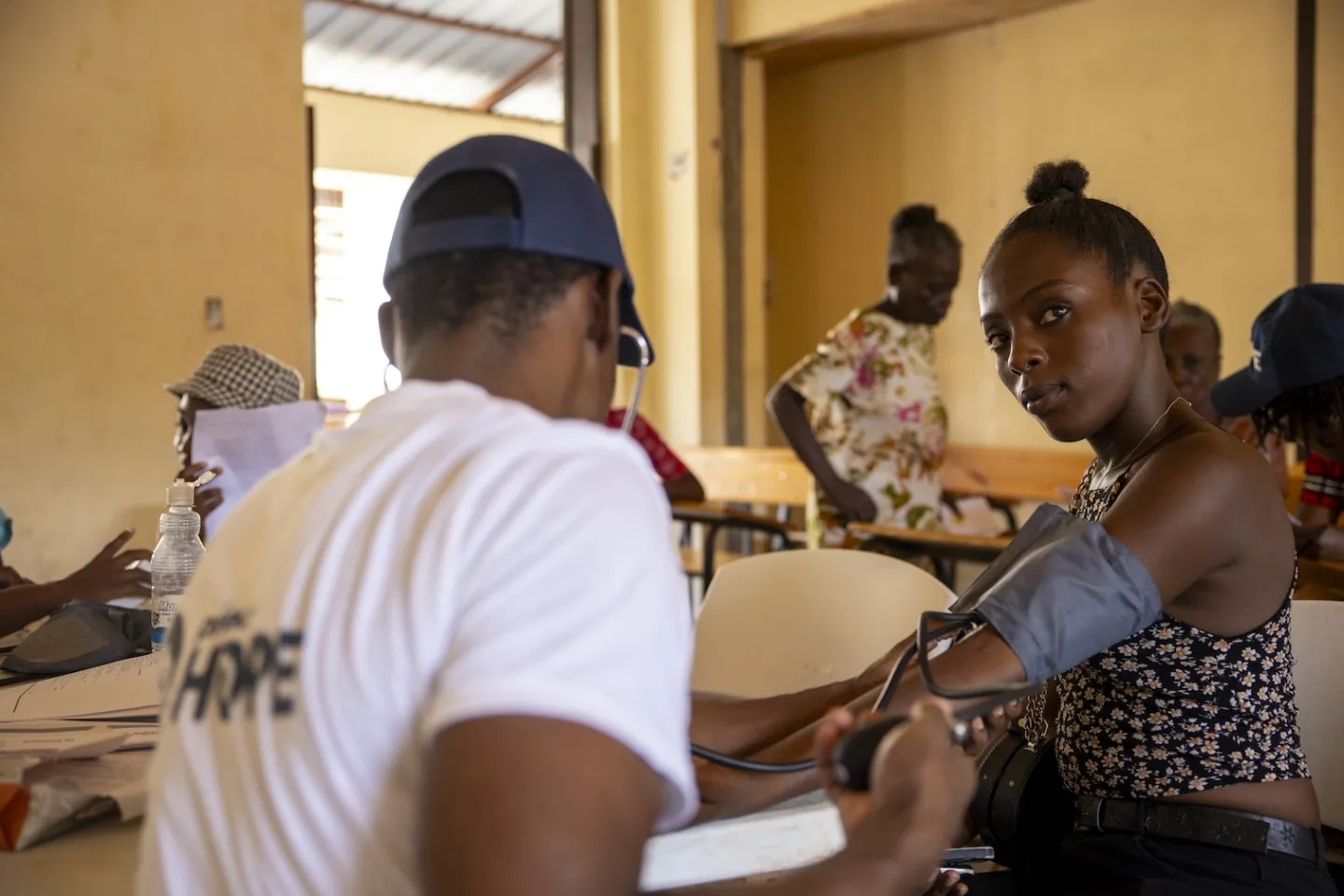
MMUs take many forms. A mobile team may drive to see patients in their own homes or provide services directly from a vehicle. MMU teams can set up clinics in community centers, schools, churches, or other central locations in areas without clinics or hospitals. They can operate multiple days a week, once a week, or for a single day.
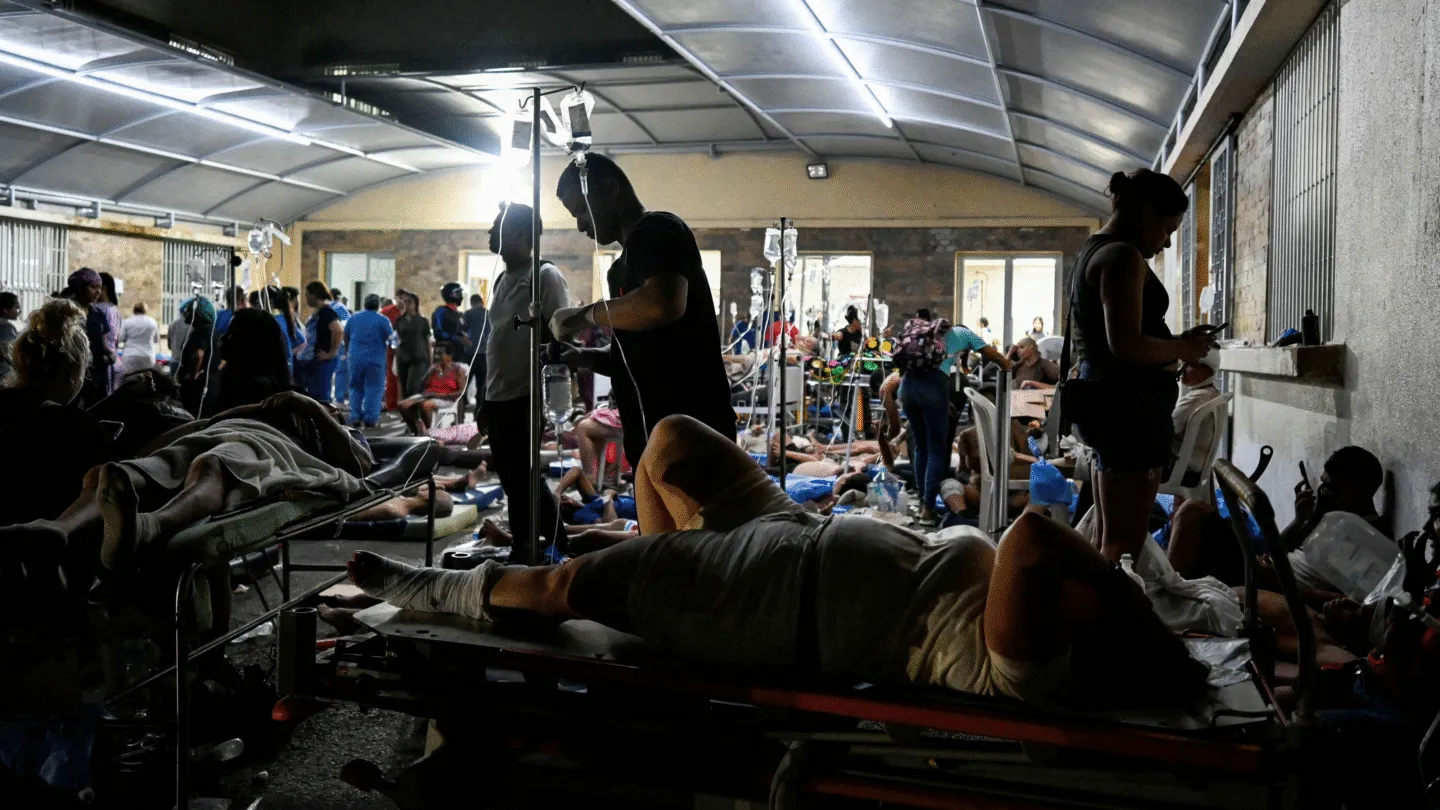
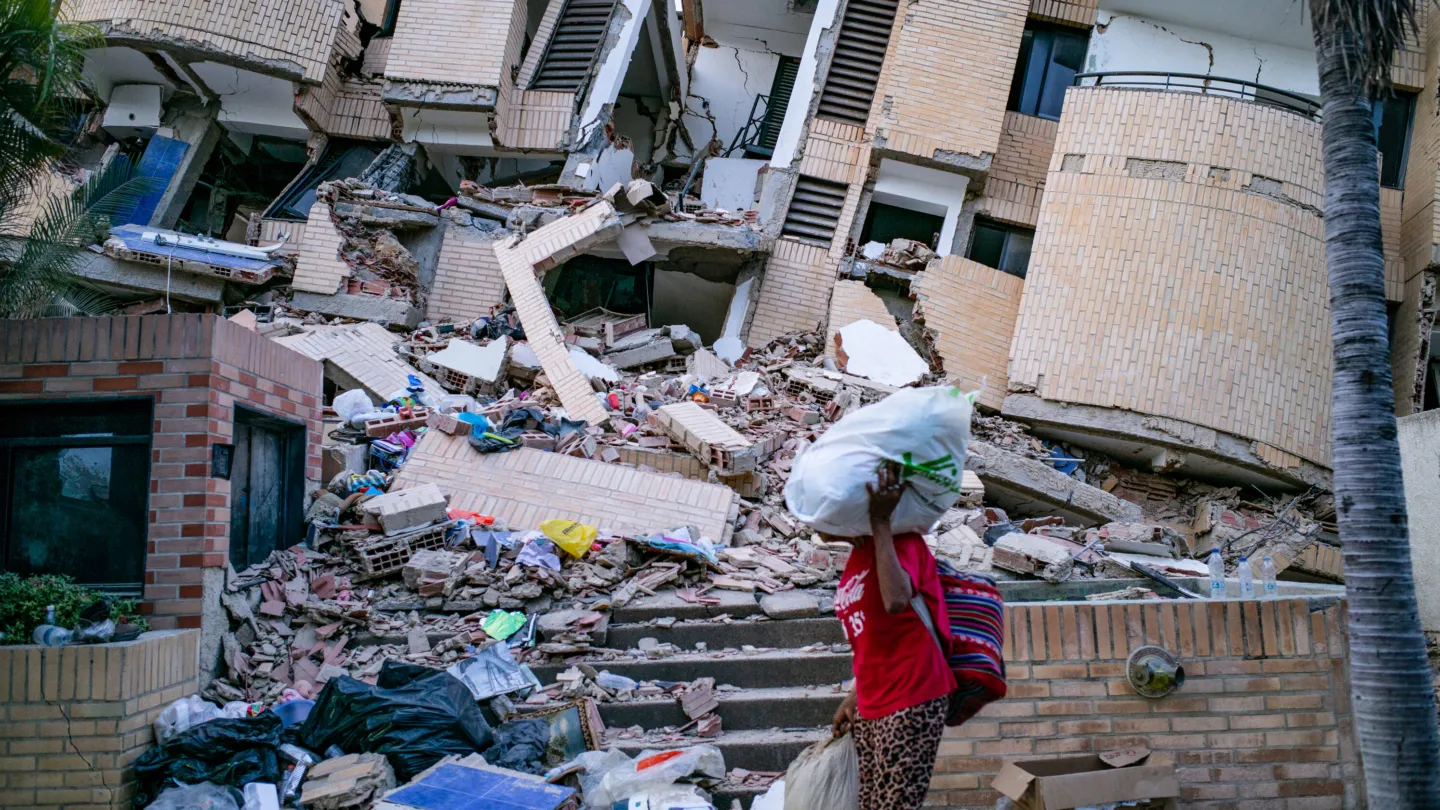
In October 2025, Hurricane Melissa left an unprecedented scale of devastation in Jamaica, with widespread damage to homes and entire communities washed away. It was the strongest recorded hurricane to ever hit the Caribbean nation, impacting an estimated 1.5 million people and leaving an urgent need for clean water, health care, hygiene supplies, psychological first aid, and medical supplies.
But the storm also damaged much of the country’s health infrastructure: Dozens of primary health facilities and multiple hospitals were deemed non-operational, while those still functioning were overwhelmed and forced to operate beyond capacity.
To fill the gaps, Project HOPE launched multiple MMUs staffed by local health workers and Project HOPE emergency responders to reach isolated communities. Our MMUs in St. James, St. Elizabeth, Westmoreland, and Trelawney parishes are delivering primary care, pharmaceuticals, and mental health support directly to areas where roads are damaged and health centers are no longer functioning. Without them, tens of thousands of people would be trying to survive without care.
“Our initial priority has been to stabilize emergency health care services and bring primary care directly to people who are otherwise cut off from accessing services. Now we’re expanding to consider the long-term needs,” said Arlan Fuller, Project HOPE’s Director of Emergency Preparedness and Response. “By equipping health workers, standing up a field hospital, and launching mobile medical units, we are building back capacity for the local health system.”
MMUs around the world
Project HOPE operates MMUs in disaster, crisis, and conflict settings worldwide. Our recent MMU operations have included:
- In Myanmar, Project HOPE supported Community Partners International to deploy MMUs in response to the March 2025 earthquake. Teams of two doctors, two nurses, and three nurse assistants delivered more than 11,700 consultations for trauma management, mental health services, and communicable and noncommunicable diseases.
- In Haiti, Project HOPE MMUs were critical in ensuring access to primary health care and mental health support amid the complex humanitarian crisis. Pop-up clinics operated at schools and other central community facilities and included educational sessions on gender-based violence from community health workers.
- In the U.S., we partnered with the Lestonnac Free Clinic to provide critical health care services to wildfire survivors via a mobile medical van in underserved areas of Los Angeles. We also supported the operating expenses of Good Samaritan Clinic’s MMU to reach people impacted by Hurricane Helene in North Carolina.
Delivering care amid conflict in Ukraine
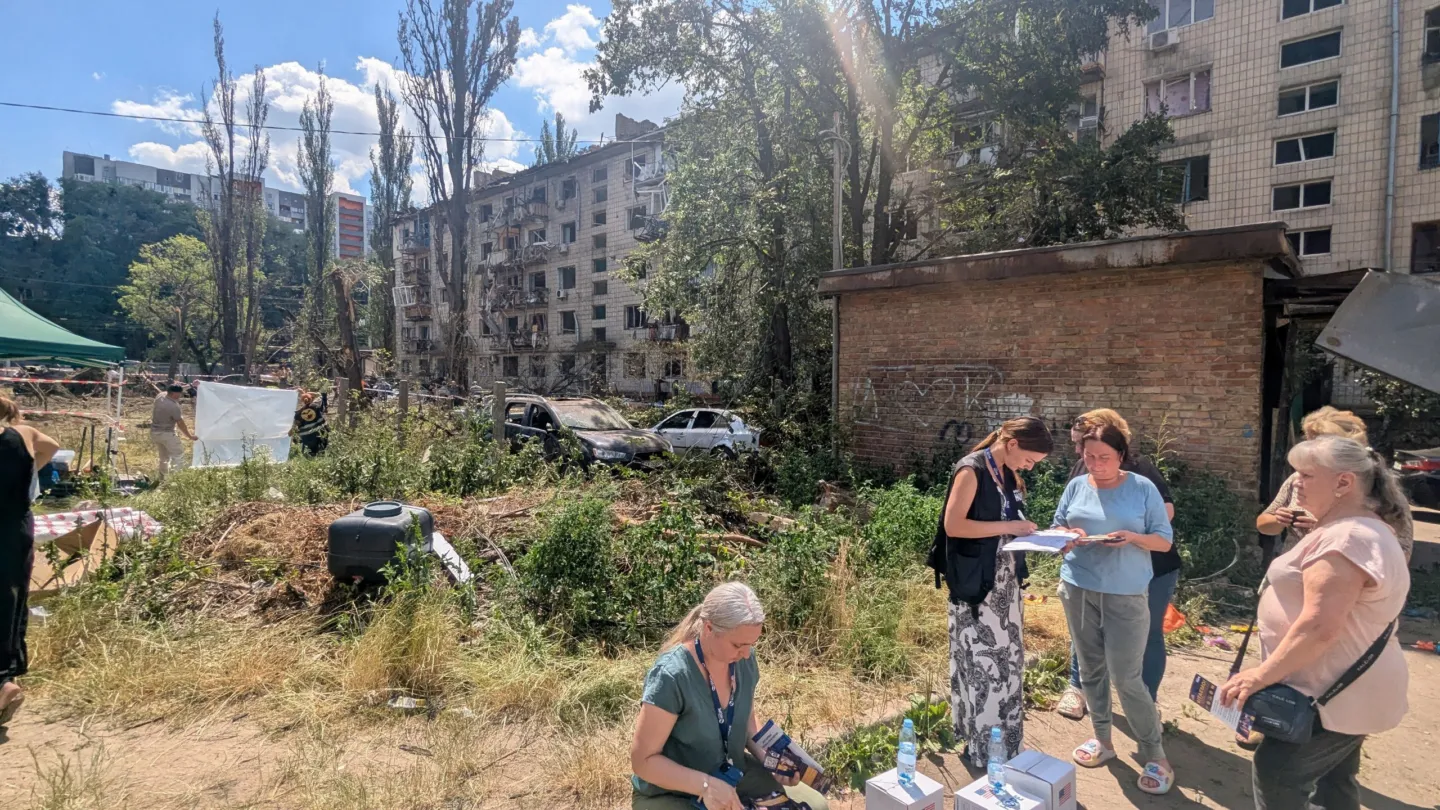
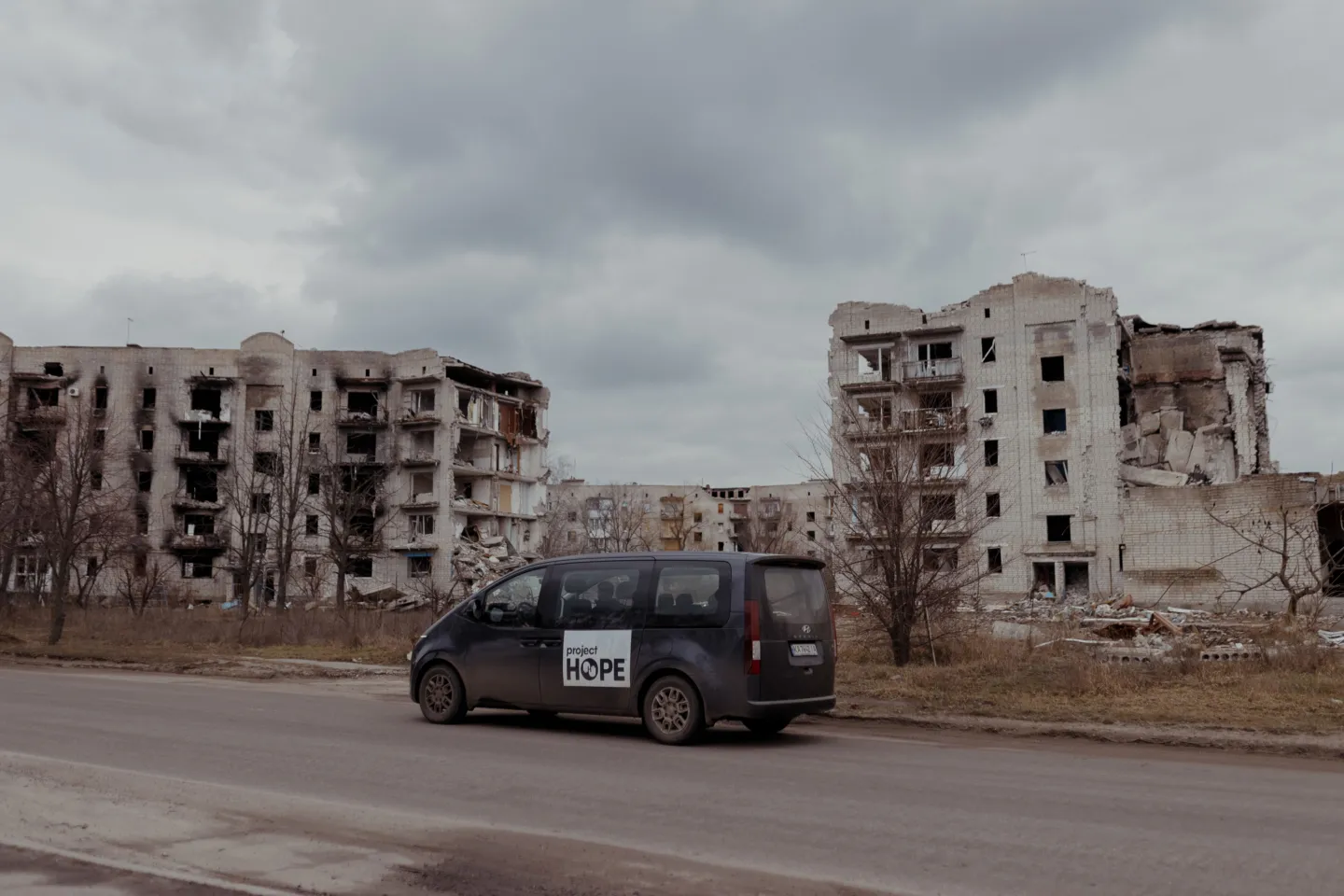
In Ukraine, four years of war has severed health care for communities across the country.
Project HOPE has established MMUs across five regions to bring essential health care to communities affected by the war. Each mobile team — typically made up of a doctor, nurse, social worker, and driver — travels to hard-to-reach areas to provide medical consultations, medications, and mental health support. In the past year alone, these teams have delivered more than 227,840 medical consultations to local residents and internally displaced people.
“People in the city have much better access to care: daily medical services, more medical staff, more options,” says Dr. Inna Viktorivna, a family doctor with Project HOPE. “In rural areas, the situation is harder. We have three villages, but only one has an outpatient clinic, and the number of patients has increased significantly since the full-scale invasion began, mainly due to the large number of internally displaced persons.”
For many rural residents, especially older people, traveling to a clinic is simply not possible. Our mobile units regularly visit settlements and prioritize homebound patients who cannot reach hospitals on their own.
“We do home visits every single day — there hasn’t been a day without them,” Dr. Viktorivna says. “Most often, these are elderly people who can’t move on their own and suffer from chronic cardiovascular, respiratory, or musculoskeletal conditions.”
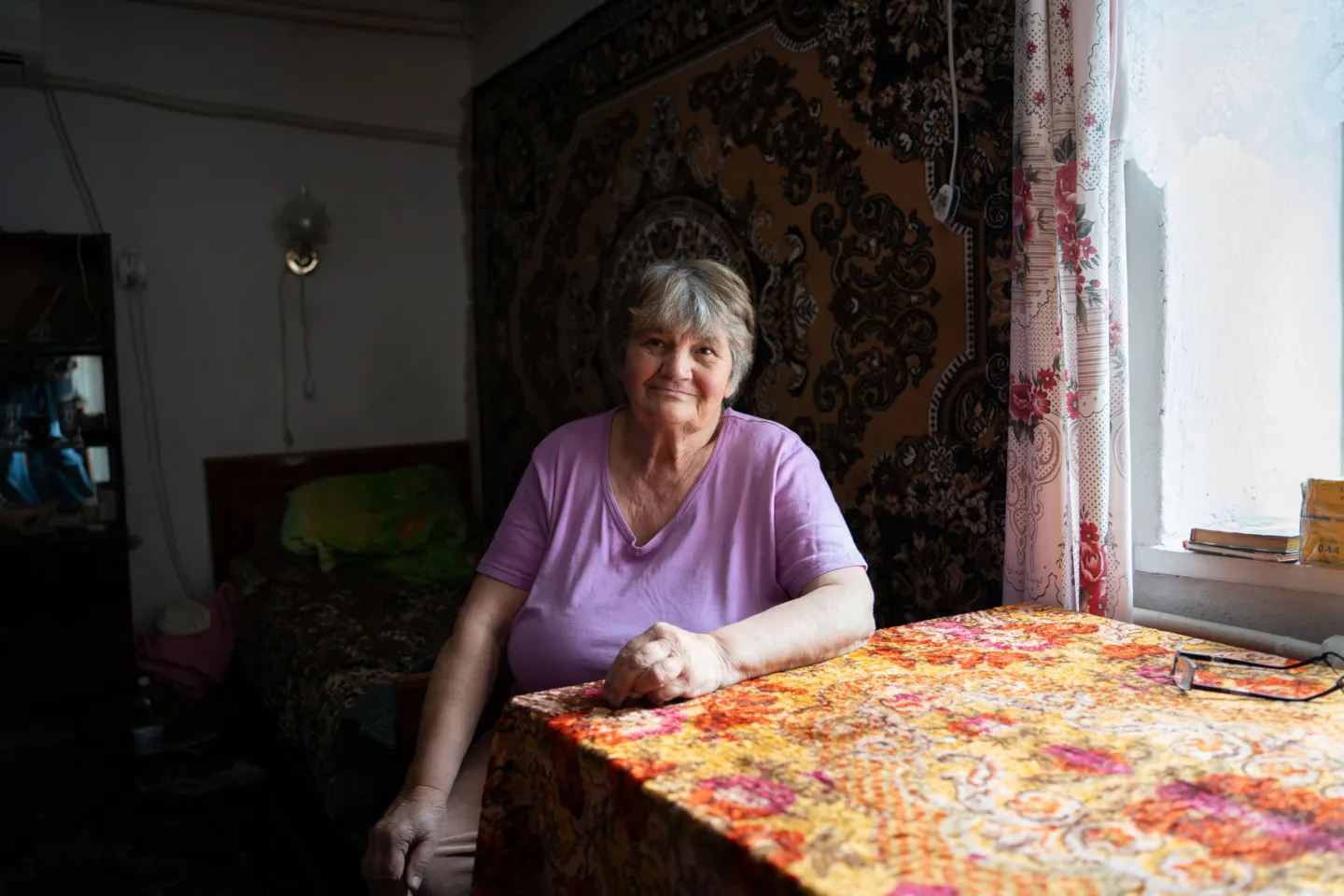
One of those patients is Liubov, a 73-year-old retired kindergarten teacher living alone in the village of Myronivka, in Ukraine’s Nikopol district. There is no real medical care in her village, and her family is spread apart: both her son and grandson are fighting on the front lines.
Liubov lives with high blood pressure and chronic pain. “My knee is injured, and I have trouble walking. My spine hurts a lot too. It’s hard for me to move around,” she says. “I use a cane, and without it, I try my best to manage.”
Dr. Viktorivna and her team visit Liubov once a week, checking on her health and providing treatment at home. “They prescribe IVs, check my blood pressure, and check my blood sugar,” Liubov says. “Whatever issue I bring up, they provide the appropriate help. What I ask for — that’s what I get. Good care.”
Project HOPE has deployed or supported MMUs in more than 14 countries worldwide, bringing care directly to patients when clinics and hospitals are out of reach — and preventing suffering and loss of life before it’s too late.
Back in Popeasca, Maria’s husband is healing because of that care. After two difficult months, he slowly regained his strength.
“Now he’s eating again, and the wounds have healed. I never thought this would be possible,” Maria said. “They brought us everything we needed. … I thank them from the bottom of my heart for their help.”