4 Facts: The State of Women in Health Care
Women health care workers are the backbone of strong health systems. Here are four facts to better understand their contributions to global health and the gender inequities that stand in their way.
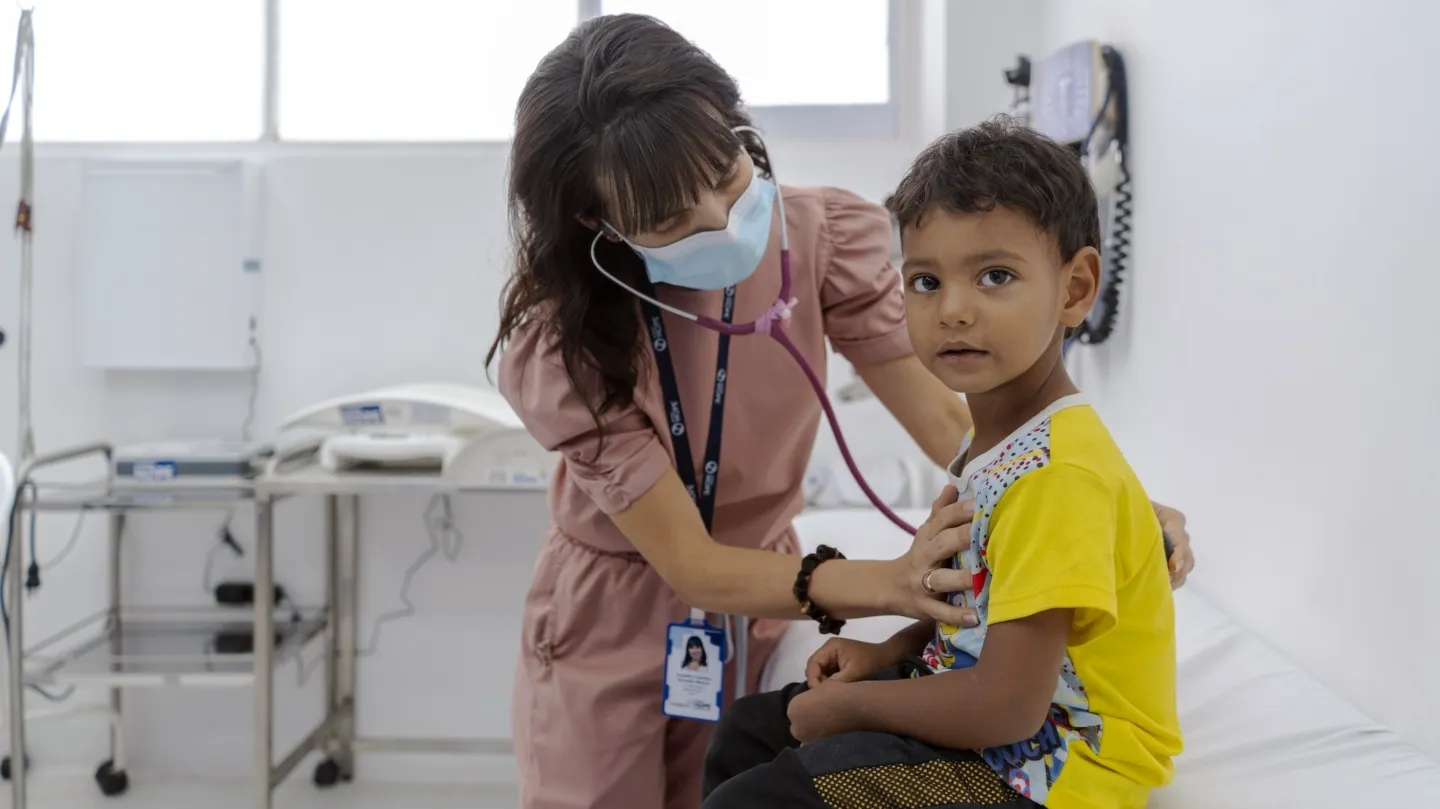
Women make up almost 70% of the global health workforce and contribute over $3 trillion to global health each year.
Yet the health systems they work for aren’t set up to support their own health and well-being.
Women earn less income than men and don’t have an equal stake in decision making. They have less access to adequate personal protective equipment and training and are more impacted by mental health concerns. And global health suffers as a result.
Here are four facts that illuminate the systemic barriers and gender imbalances facing women in health care.
Fact 1: Women provide essential health services for around 5 billion people worldwide.
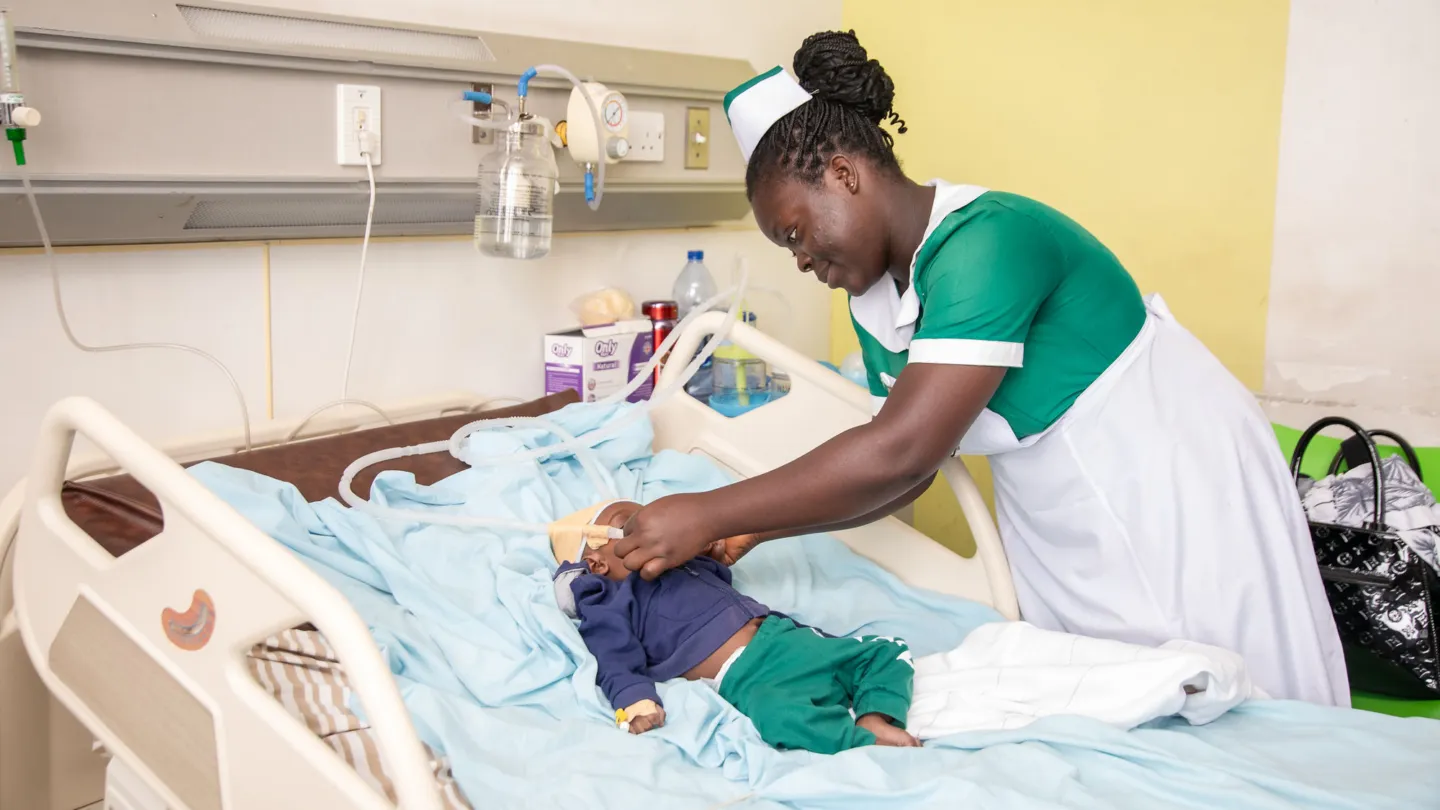
There’s no question that women are the backbone of the global health workforce. In fact, global health is largely in women’s hands: Women make up 67% of the health workforce, 89% of nurses, and 93% midwives worldwide.
It’s estimated that 5 billion people rely on women health care workers for essential health and care services. That’s more than the entire combined populations of Africa, Europe, Australia, North America, and South America.
Women comprise every level of health care, but as we’ll see, those positions aren’t filled equitably. Additionally, women health care workers in many parts of the world often have to take on additional responsibilities, including mental health: There is a huge gap in the availability of specialized mental health services in low- and middle-income countries, meaning that rather than visiting mental health specialists, women are more likely to seek mental health support in primary health care settings while accompanying their children or while attending consultations for other health issues.
Fact 2: Men hold 75% of leadership roles in health care, while women make up the majority of frontline and entry-level roles.
Even though women make up much of the global health workforce, they only hold 25% of senior roles. Women from low- and middle-income countries experience an even greater leadership gap, holding only 5% of senior roles in health care.
This means that although women are delivering most of the care, they usually aren’t the ones making the most important decisions — decisions that often impact women more than men. They are also earning on average 24% less than their male peers.
Closing the leadership gap and addressing pay inequities requires an entire system approach that includes addressing social norms, stereotypes, workplace systems, and cultures.
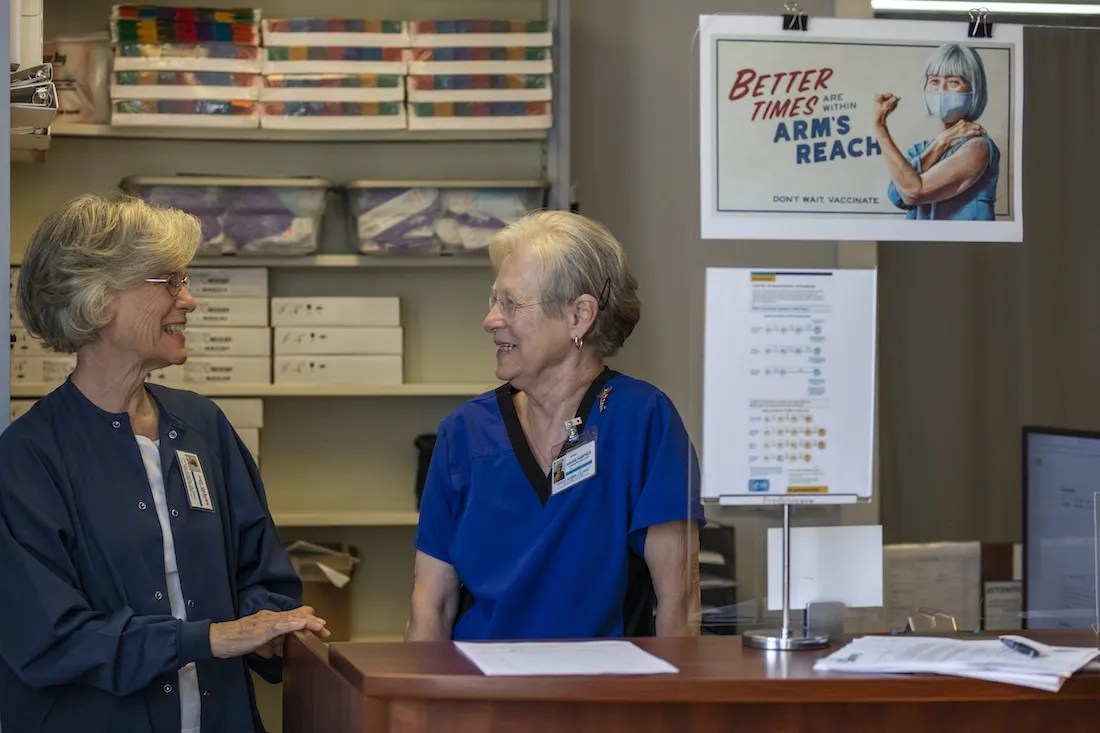
Fact 3: Women health care workers experience higher burnout and mental health risks.
In the U.S., nearly half of women health care workers have experienced burnout in recent years (compared to lower rates among men). Burnout doesn’t just affect providers — it’s linked to poorer patient outcomes and can doubelt he risk of medical error.
Women in health care are also more likely to report mental health issues like depression, anxiety, insomnia, and distress. Yet many don’t pursue treatment, citing lack of time or concerns around stigma and confidentiality as the primary barriers to care.
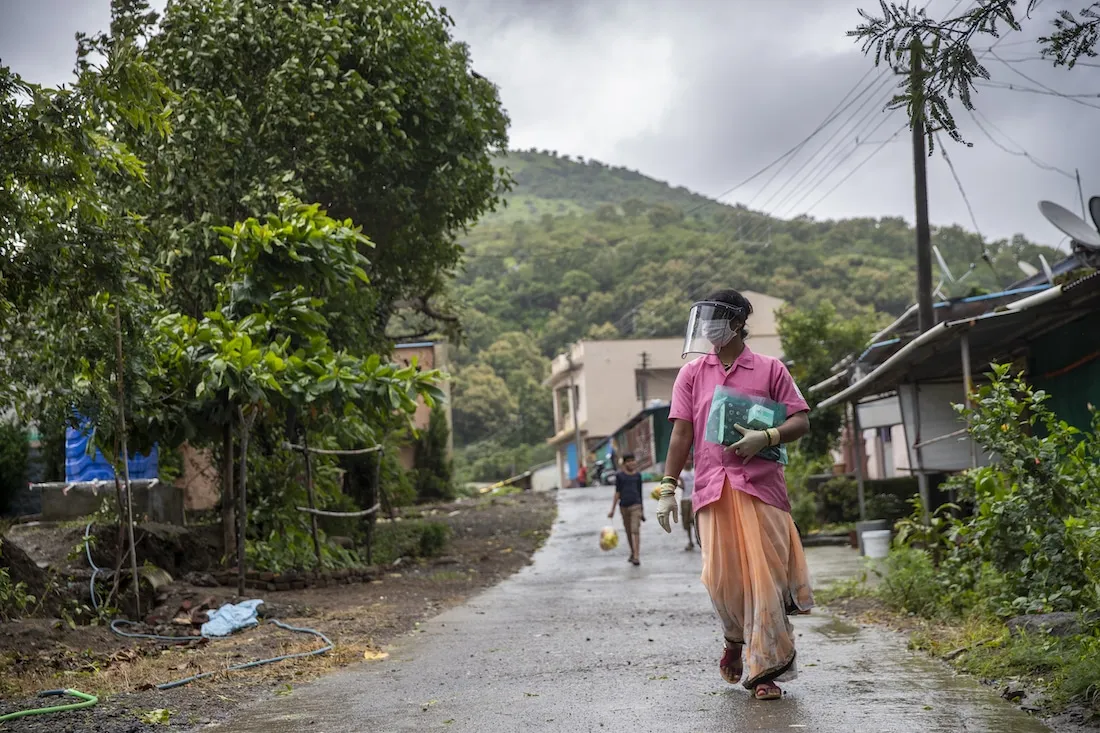
Stressors that make women more prone to poor mental health include juggling multiple roles at work and at home, gender bias and discrimination, and a lack of sufficient support (like well-designed PPE).
“The stigma associated with mental health is still a huge issue around the world — and specifically for health care workers.” says Rawan Hamadeh, a program officer leading Project HOPE’s mental health programs. “Health care workers tend to see themselves as caregivers, so it’s harder for them to seek support or mental health services.”
To address the mental health crisis — and destigmatize it — Project HOPE is educating health workers and ensuring they have the support they need to safeguard their own mental health and overall well-being.
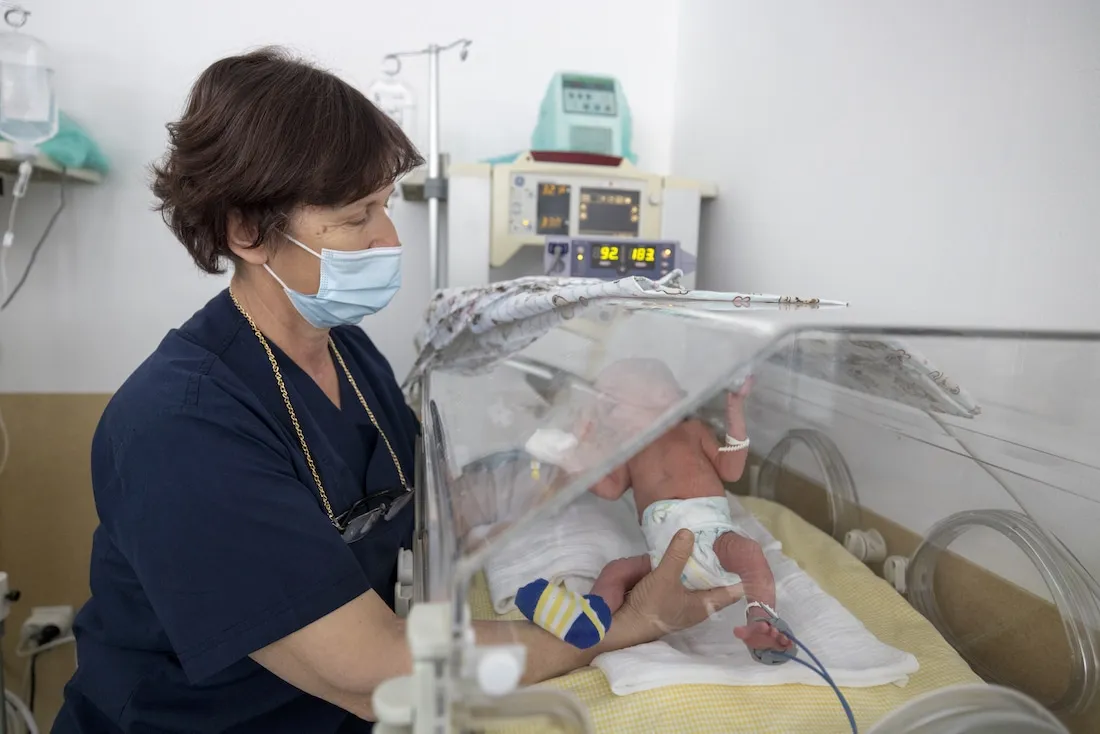
Fact 4: Female doctors have the highest rate of burnout among health workers — and the global workforce is under strain.
Research shows that female doctors, especially those working in critical care and infectious disease specialties, experience higher levels of emotional exhaustion and burnout. Women doctors in the U.S. consistently report greater challenges balancing professional demands with personal life, which contributes to stress, workforce attrition, and inequities in career progression.
During the COVID-19 pandemic, millions of women left their jobs in health care. In April 2020 alone, women lost or left more than 1.5 million — 12% of all jobs held by women in the sector. During the same period, men lost 196,000 jobs — about 6% of all jobs held by men in health care. When people began to return to work, women were slower to come back.
The global health workforce also faces major shortages. Women make up most health care providers worldwide, including the majority of nurses and midwives. Yet the world is short millions of these workers, particularly in lower-income countries, with substantial gaps in nurses and midwives threatening progress toward Sustainable Development Goal 3.
Project HOPE is working to ensure the health systems women work for are set up to support their own health and well-being. In Ukraine, Sierra Leone, Indonesia, North Macedonia, and beyond, we’re working to provide trainings, equipment, protective gear, and mental health support so every health care worker is equipped to care for themselves while providing care for their communities.
This article was originally published on September 6, 2022 and has been updated.

Donate
Please give now to deliver urgent relief to people facing disasters and health crises — and make a lasting impact by rebuilding clinics, supporting health workers, providing mental health care, and more.

Join
Follow us on social media, share photos and videos of our work with your family and friends, and join our community of global health champions.

Fundraise
Whether you’re looking to host an in-person event, create your own fundraiser for your birthday, do a charity stream, or run a race, join our community of fundraisers!