Free Mammograms are Transforming Women‘s Health
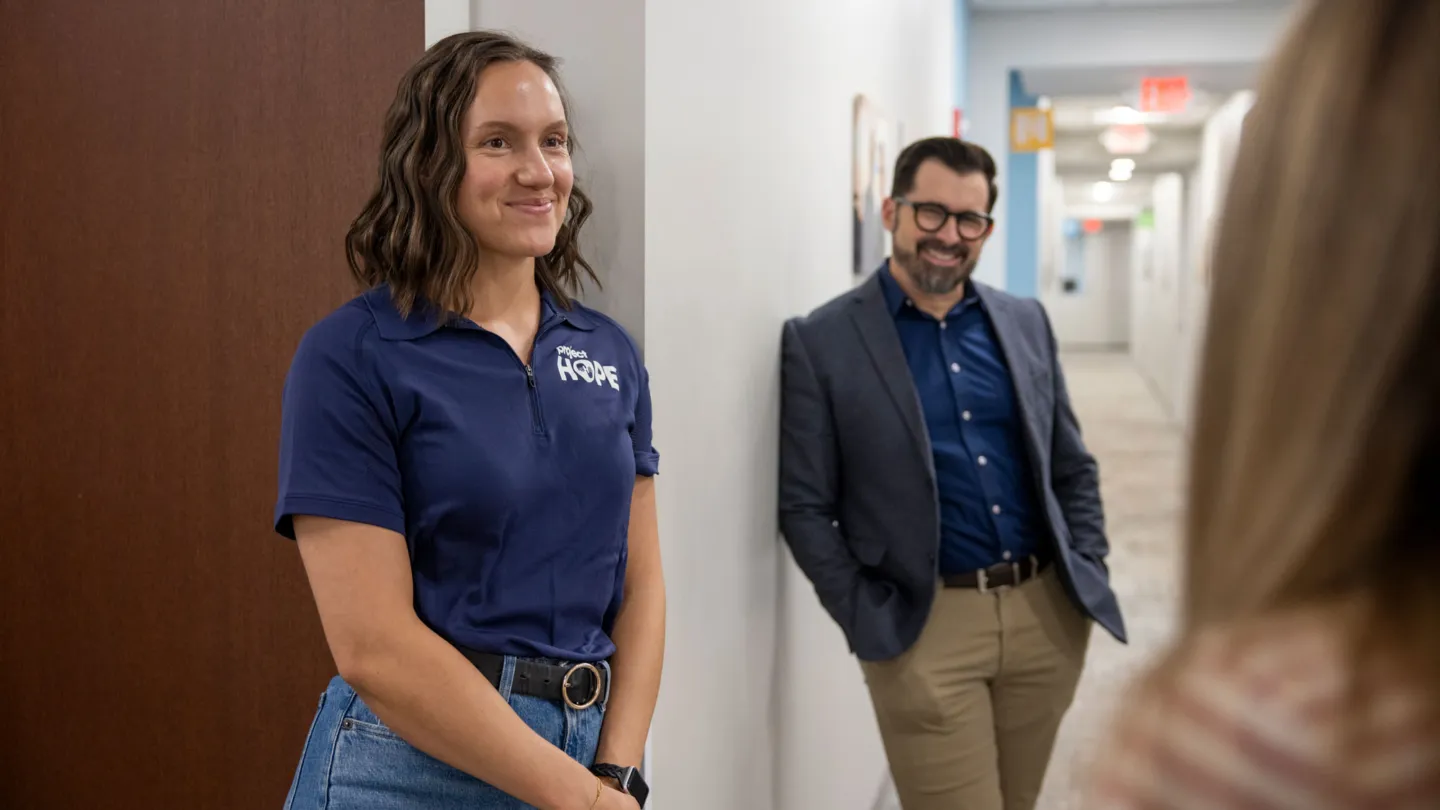
In North Carolina, 9% of the total population does not have health insurance, making it one of the largest uninsured populations in the United States. In areas like Raleigh and Durham, poverty and reduced access to timely and high-quality care create further challenges, especially for women.
Recently, I had the incredible opportunity to visit a program that I fundraised for in partnership with The Labcorp Charitable Foundation. This program, put simply, increases access to breast cancer screening services for women with little or no insurance coverage. But what may surprise you about the program is how human centered it really is. For women who otherwise couldn’t afford regular screenings or are fearful of what they may learn, this program provides a trustworthy place where they will be treated with patience and empathy, and at no cost.
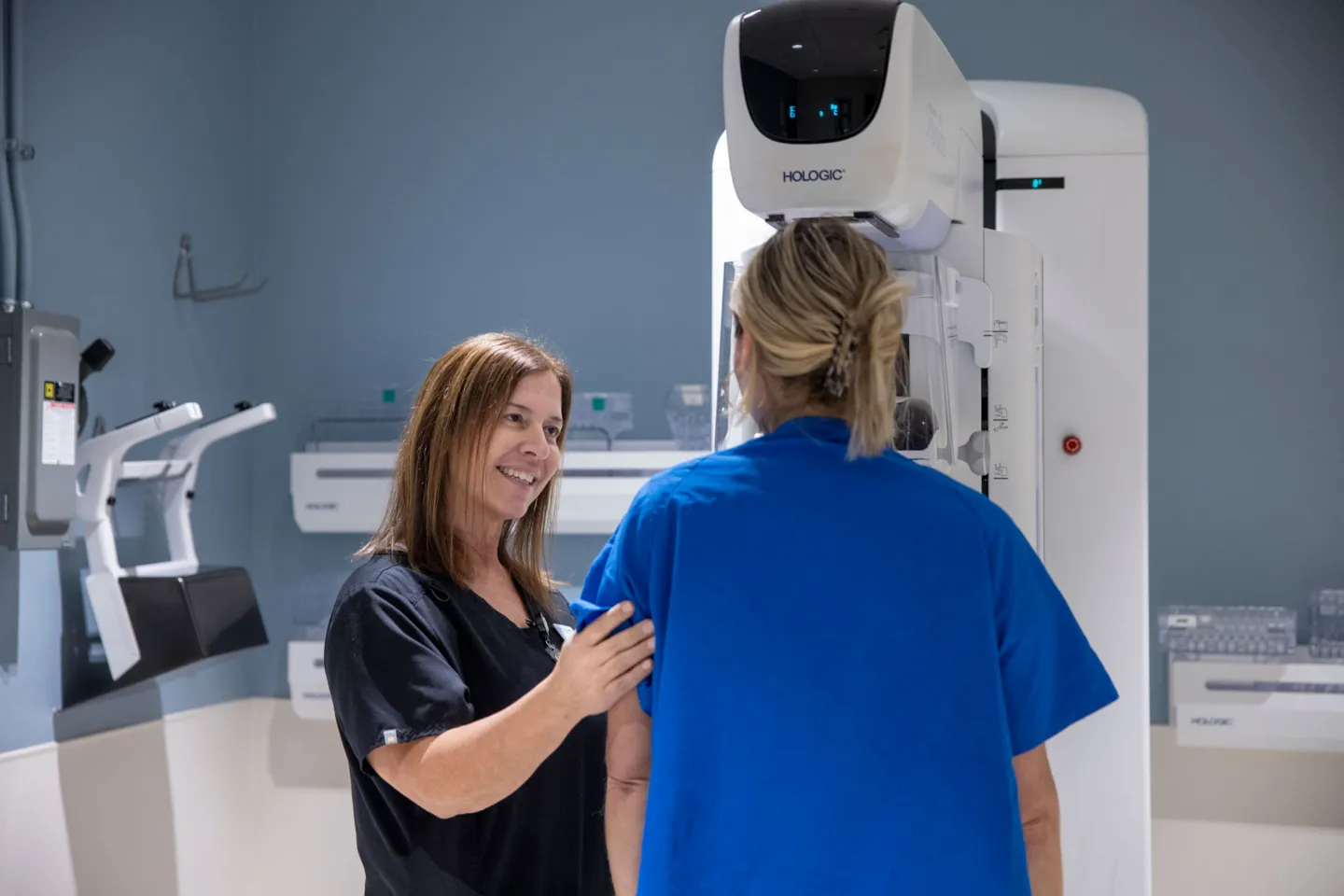
In October 2025, I had the opportunity to visit two Free and Charitable Clinics that are being supported through this program: Samaritan Health and Neighborhealth.
Free and charitable clinics and Look Alike clinics bridge the gap for patients who don’t have health insurance, providing primary and specialty care at no or little cost. The clinics told us that when patients are struggling to afford essentials like food, shelter, and clothing, getting a mammogram feels frighteningly out of reach. The program removes that fear by ensuring their care is free, empowering more women to complete the full diagnostic pathway.
When women have access to screenings, they not only avoid the devastating consequences of late-stage cancer, but they also find relief from the financial fears that could come with an abnormal result. These screenings lead to cascading benefits for families. Once one family member is established as a patient at a free and charitable clinic, they will often bring their spouse, children, or parents in to receive care. One mammogram has the power to change an entire family physically, mentally, and emotionally.
Once one family member is established as a patient at a free and charitable clinic, they will often bring their spouse, children, or parents in to receive care.
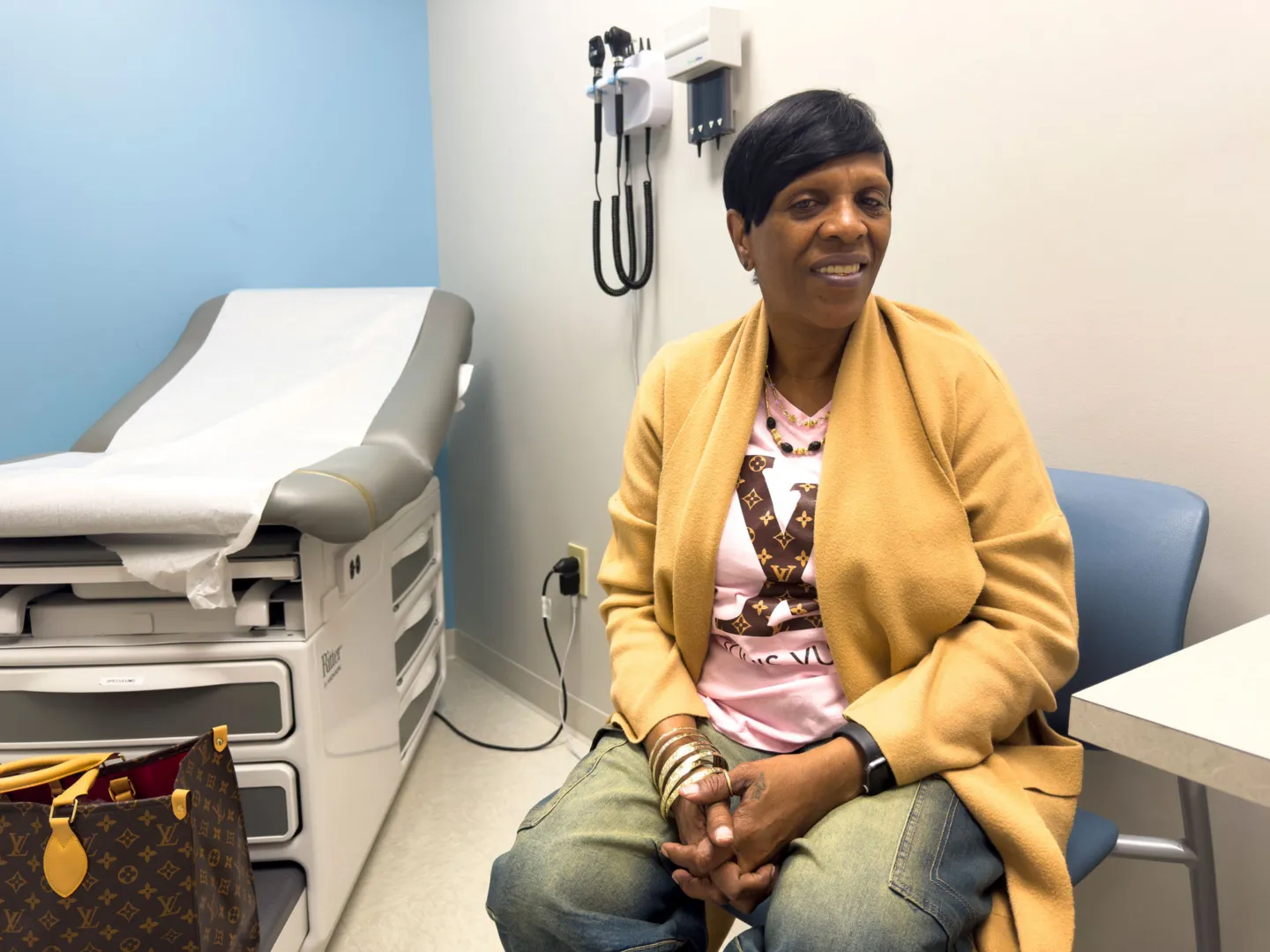
Martha Clark is a patient at NeighborHealth who lost her mother to breast cancer and recently discovered that her father has cancer as well. Her family history requires frequent testing to keep a proactive eye on her health. Martha has been a patient here for years, where accessibility to free cancer screenings from a team she trusts provides her with tremendous peace of mind as she navigates her health.
While routine scans can still make her nervous because of what they may discover, she knows that the team at the clinic will be there to support her.
“Anytime I need them they’re there for me,” she said.
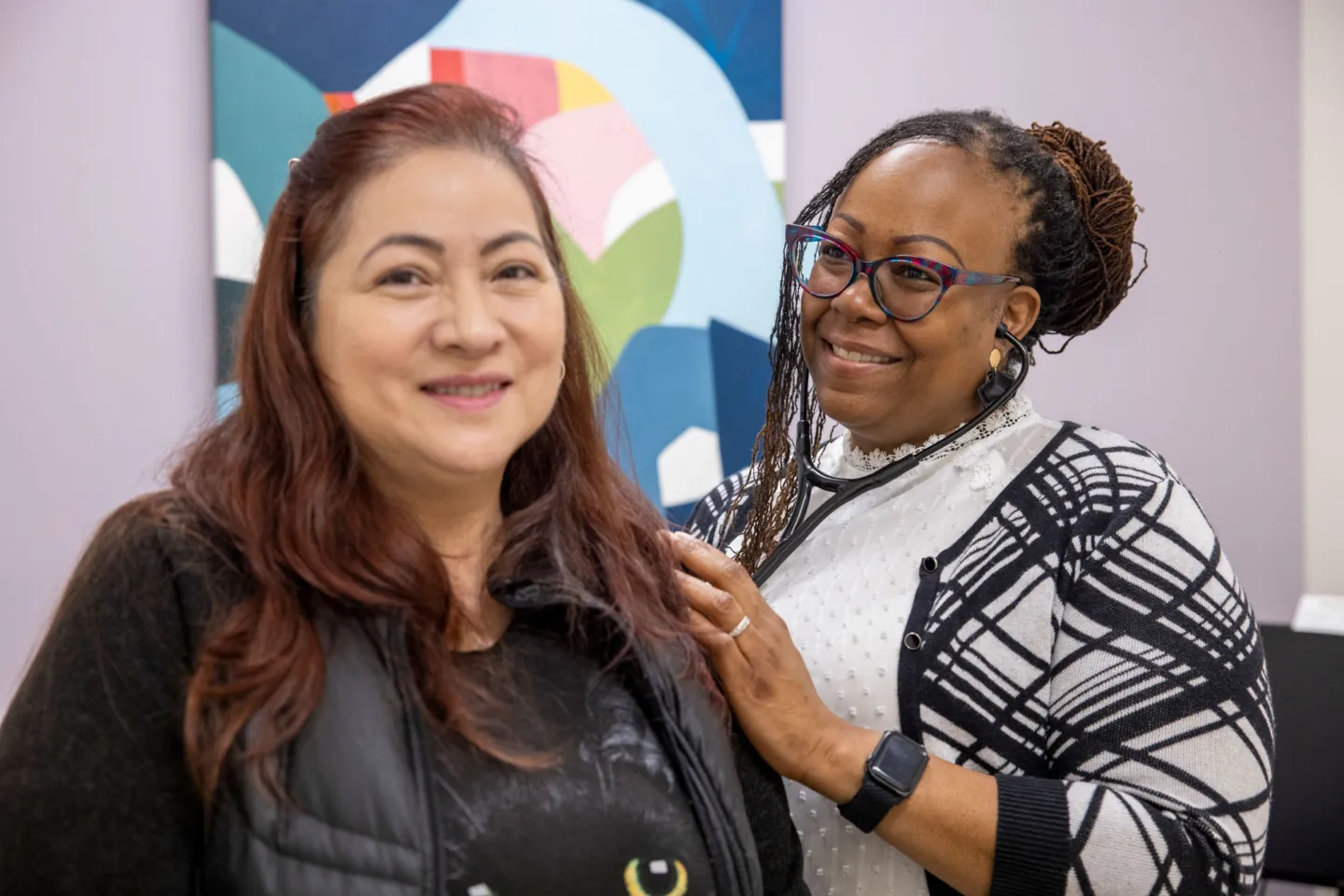
During our visits to the clinics, we learned how these teams advocate for their patients and treat them like family. Kina Edwards, Medical Director at Samaritan Health, embodied this by the way she spoke with her patients. “An abnormal result [on a mammogram] is not something to be concerned about, but rather an opportunity to take a closer look,” she said. This statement was heartwarming, when I think of just how many women she cares for who are facing an abnormal result.
Thanks to Project HOPE, women not only receive standard mammograms, but can also get more detailed screenings if they are needed. A significant and valuable after-effect of this program was not something we could have planned for: the peace of mind that comes with receiving this kind of care and support.
One of Kina’s patients, Yolanda, doesn’t have access to medical care through insurance, and before finding the clinic she had no health care at all. Her extended family is in Colombia, so the clinic team — especially Kina — has become a much-needed second family.
She recently received a free mammogram and had an all-clear result, which put her fears to rest. Free screenings like this also encourage patients like Yolanda to remain in medical care and keep on top of their health, even after going years without seeing a doctor.
My personal highlight of the trip was meeting the team of female mammographers at Raleigh Radiology, which conducts the breast cancer screening services for the program. I was truly touched when speaking to these women; they have such a quiet dignity about them. None of them really wanted their picture taken but were more than happy to talk to us about just how life-changing their day jobs are.
Each of these mammographers accounts for an additional 20 to 30 minutes in their screening schedules for the patients who are referred through this program, as those appointments are often the first time those patients will receive a mammogram.
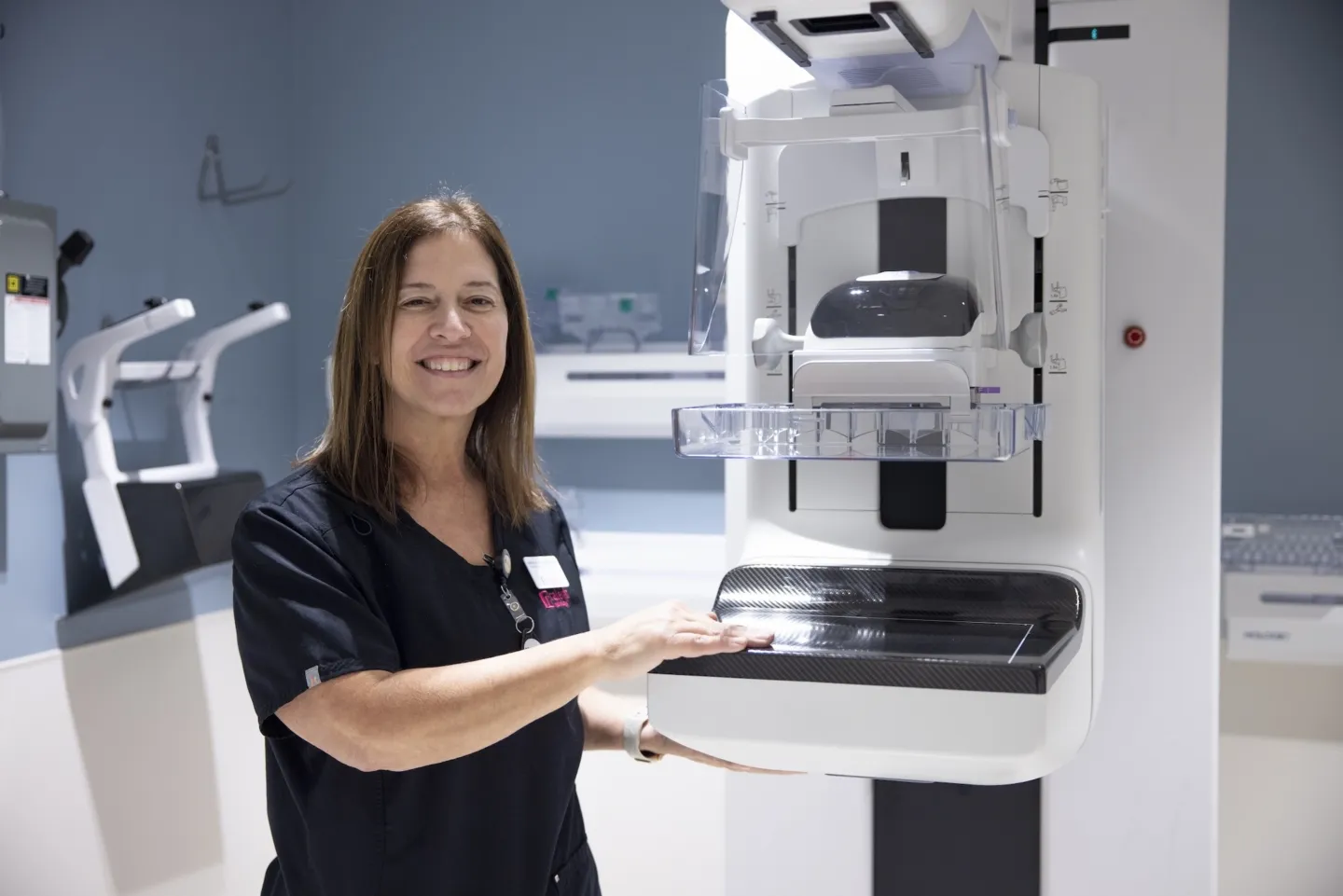
In many health care settings, the number of patients seen per day is the most important measure of success, but here, success is recognized very differently. A large portion of these patients are Spanish speaking, and Raleigh Radiology has a language translation service that allows a translator to assist in the initial screening questions. They build additional time in for the mammographers to explain the process, which can be extremely intimidating for women. The clinic team wants to ensure there is adequate time to answer questions, calm concerns, and explain the procedure in detail so that the women know exactly what they should expect.
The patience, consideration, and attention to detail by this team of women is some of the most inspiring work I have seen in my life. It is quiet work, easy to miss, and often forgotten about, but it means everything to these patients. It is women like this that make the world a better place, that help other women advocate for themselves today, and hopefully for the rest of their lives. It is women like this that make me so incredibly proud to work at Project HOPE.
During this Women’s History Month, let us reaffirm our commitment to advancing women’s health, not just in words, but through action. As we recognize the contributions women make every day in our hospitals, schools, workplaces, and homes, we must also confront the barriers many face in accessing essential care. I hope you all take the opportunity soon to thank your mammographer, your dental hygienist, your nurse, your teachers, and all the women in your lives that are working behind the scenes to make the world a better place.