2026 Hurricane Season Begins: Importance of Preparedness
As the 2026 Atlantic hurricane season officially begins on June 1, Project HOPE is urging families and communities in high-risk zones to prioritize early emergency preparedness.
Forecasters with NOAA’s Climate Prediction Center have predicted a below-normal hurricane season for the Atlantic this year, estimating a 55% chance of a below-normal season. In total, NOAA anticipates 3 to 6 hurricanes, and 1 to 3 major hurricanes. The primary driver behind this year’s forecast is a strengthening El Niño pattern. El Niño typically increases vertical wind shear across the Atlantic and is expected to trigger a much more active and dangerous Pacific hurricane season. Climate change, rising global temperatures, and unprecedented ocean warmth mean that storms can intensify with alarming speed and unpredictability, altering how these systems behave and threatening communities with more volatile weather events.
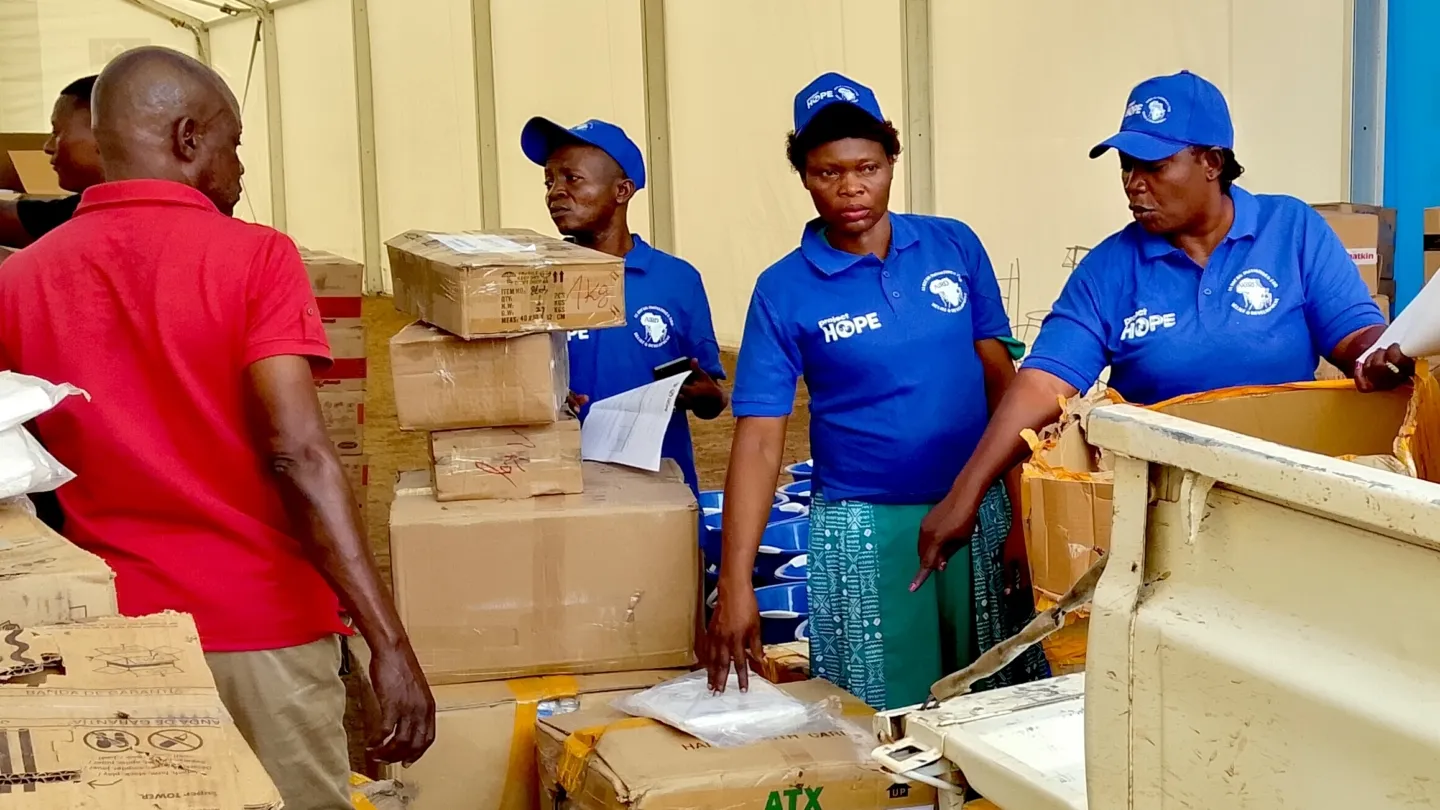
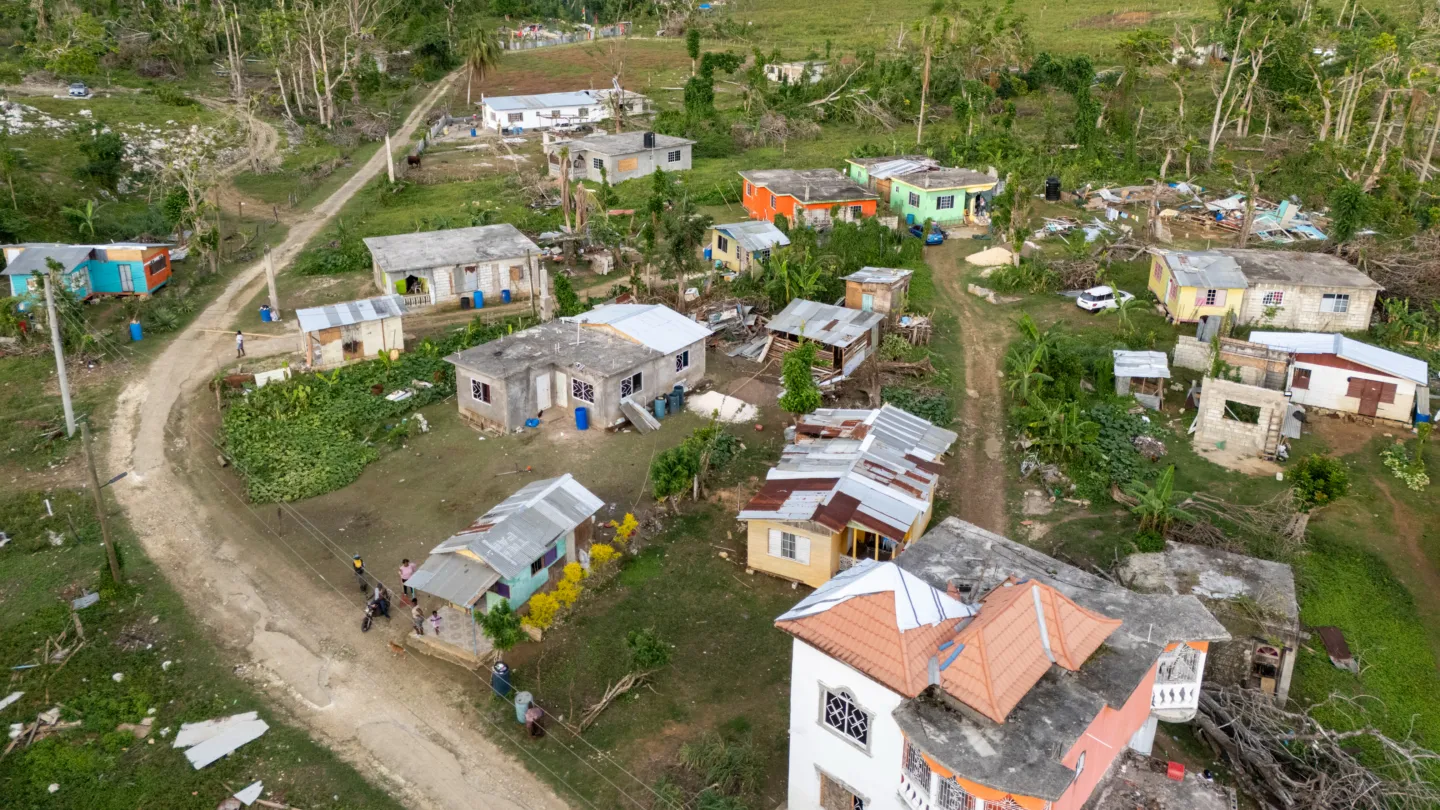
Last year’s Atlantic hurricane season left a trail of historic destruction across the region, most notably marked by Hurricane Melissa in late October 2025. Melissa made history as one of the most powerful Atlantic storms ever recorded, rapidly intensifying to strike Jamaica as a catastrophic Category 5 hurricane before impacting Cuba, Haiti, and the Dominican Republic. Project HOPE launched an immediate emergency response on the ground in Jamaica, deploying medical supplies, running mobile medical units, establishing a field hospital, and providing mental health support to impacted populations and health workers.
“The emerging El Niño pattern adds a complex layer of unpredictability to this hurricane season,” said Arlan Fuller, Project HOPE’s Director of Emergency Preparedness and Response. “As we saw with the devastation of Hurricane Melissa last year, severe storms can rapidly impact both coastal areas and inland communities. Preparedness saves lives, and the time to build a plan is now, before a storm is on the horizon.”
Below are Project HOPE’s tips on how to prepare for a hurricane:
- Monitor Weather Updates: Regularly check for updates from NOAA, the National Hurricane Center, and your local emergency management authorities.
- Stock Emergency Supplies: Before a storm makes headlines, ensure you have a two-week supply of non-perishable food, water, flashlights, batteries, and essential medical supplies. If you have children or pets, remember to stockpile their specific items as well.
- Plan for Evacuation: Map out your evacuation routes and identify local shelter options. Share these plans with friends, family, and neighbors, and always heed evacuation orders from local authorities immediately.
- Secure Your Property: Close hurricane shutters or board windows, secure loose outdoor objects, and trim nearby tree branches that could threaten your home or block exit paths.
- Prepare Vehicles: Keep your vehicle’s gas tank filled and maintain an emergency car kit. If possible, move vehicles to higher ground if flooding is projected.
- Maintain Power Backups: Keep cell phones, laptops, and external power banks fully charged in anticipation of widespread power outages.
Project HOPE has a long history of responding to disasters and health crises, including Hurricanes Melissa, Helene, Milton, Idalia, Ian, and Fiona in recent years. For media inquiries, email media@projecthope.org.
###