We’ve Seen an Ebola Crisis Before. We Cannot Repeat the Same Mistakes.
More than a decade ago, during the West Africa Ebola crisis, I testified before Congress while leading emergency operations for a response that covered West Africa. At the time, the world was scrambling to understand and contain a deadly outbreak that was overwhelming fragile health systems in Liberia, Sierra Leone, and Guinea.
What I said then remains painfully true today: Ebola is never just a virus. It is a test of whether the world is willing to act early, coordinate seriously, protect frontline health workers, earn community trust, and strengthen health systems before they collapse.
Today, the Democratic Republic of Congo and Uganda are confronting a rapidly expanding Ebola outbreak caused by the Bundibugyo strain — a rare and particularly challenging form of the virus for which there is currently no approved vaccine or specific treatment. The World Health Organization has declared the outbreak a Public Health Emergency of International Concern following cross-border transmission into Uganda, including cases in Kampala.
Ebola is never just a virus. It is a test of whether the world is willing to act early, coordinate seriously, protect frontline health workers, earn community trust, and strengthen health systems before they collapse.
The numbers are deeply concerning, with cases and deaths on the rise in both DRC and Uganda. Just as troubling, there remains significant uncertainty about the true scale of transmission because of insecurity, population movement, delayed detection, limited surveillance, and diagnostic constraints in affected areas.
We have seen this movie before. And we know exactly what happens when the world responds too slowly.
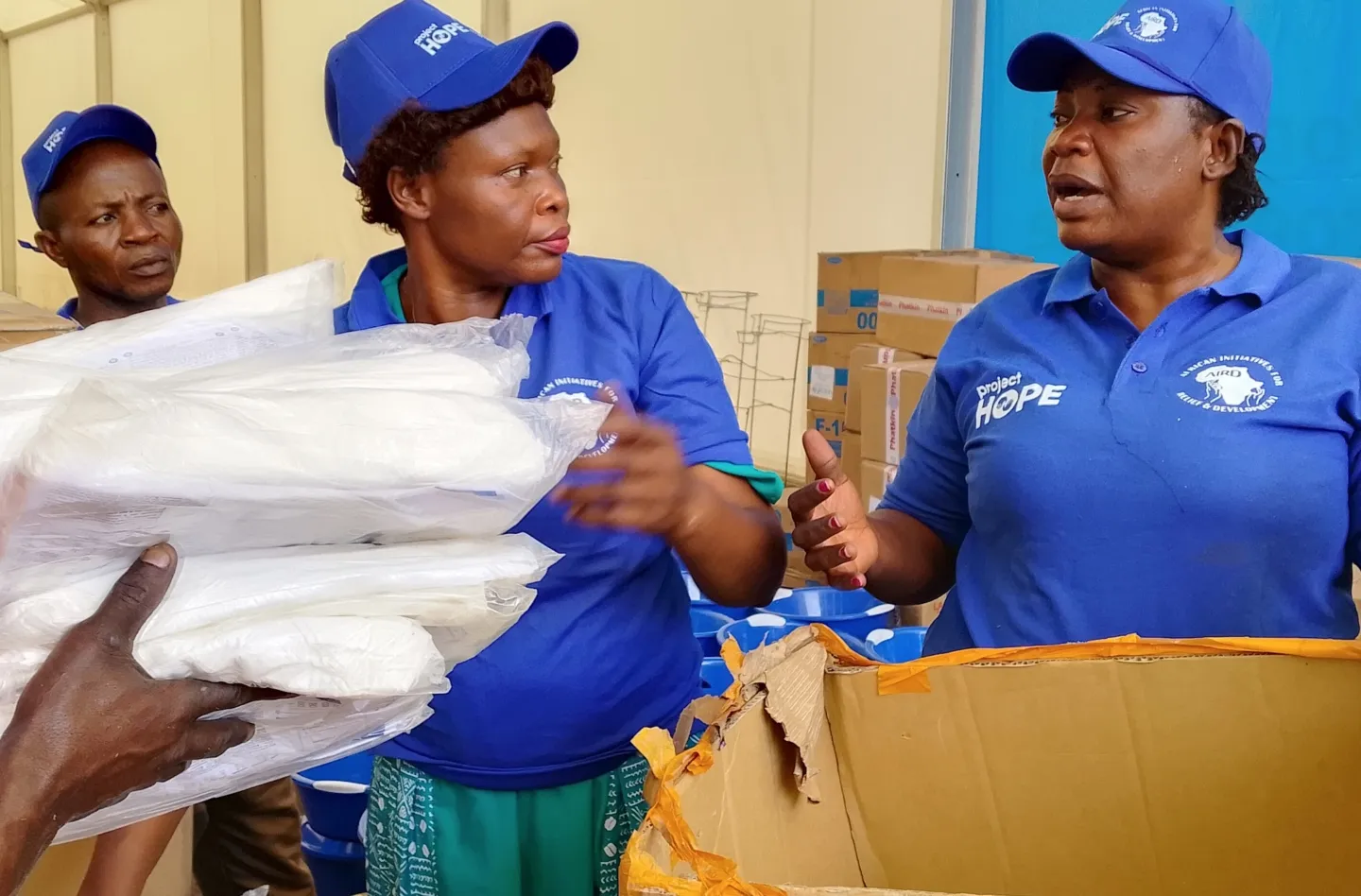
During my congressional testimony in 2014, I warned that Ebola was exposing the consequences of years of underinvestment in fragile health systems. Countries emerging from conflict lacked basic surveillance systems, trained healthcare workers, laboratory capacity, water and sanitation infrastructure, infection prevention and control (IPC) systems, and treatment facilities. Those weaknesses allowed the virus to spread faster than responders could contain it.
The same pattern is repeating itself today.
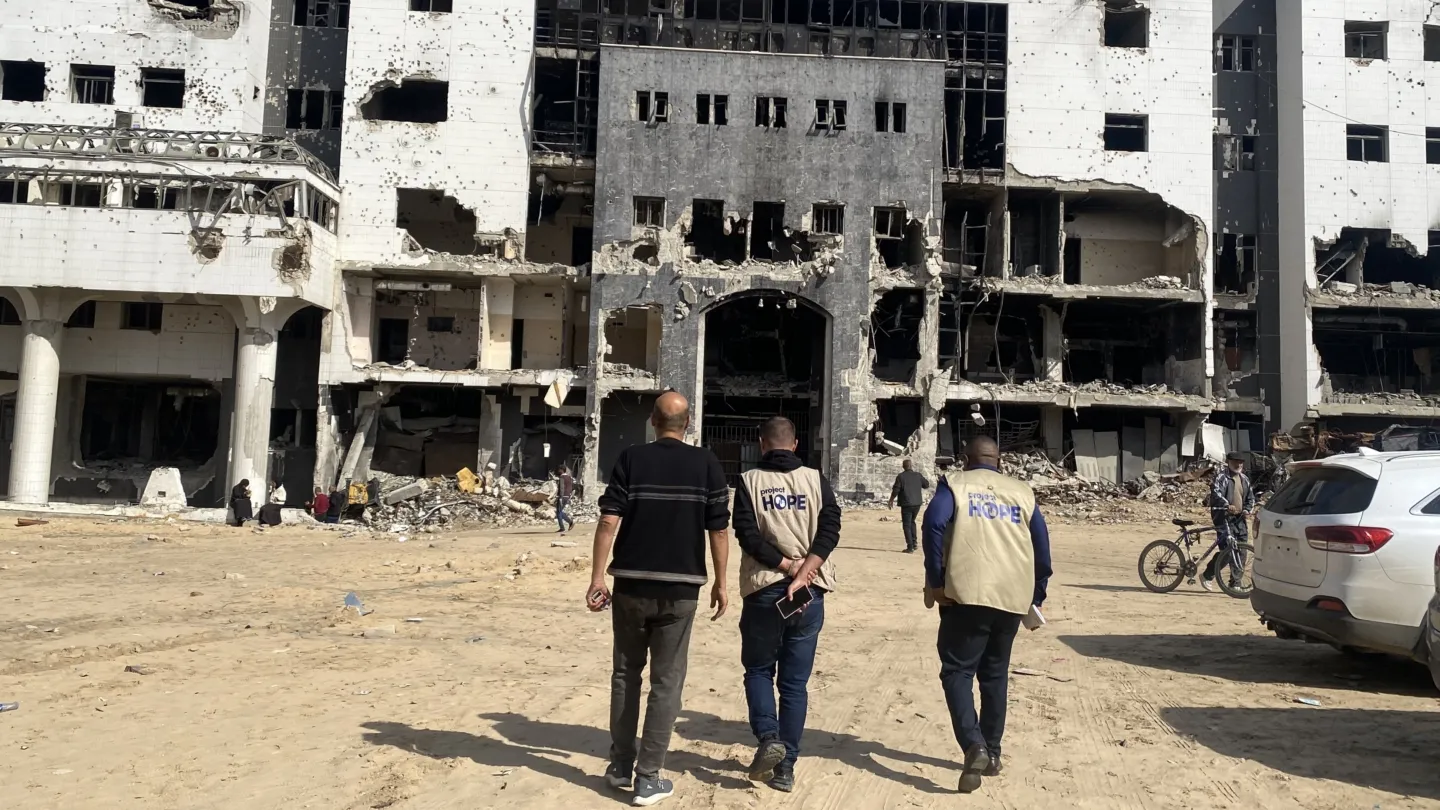
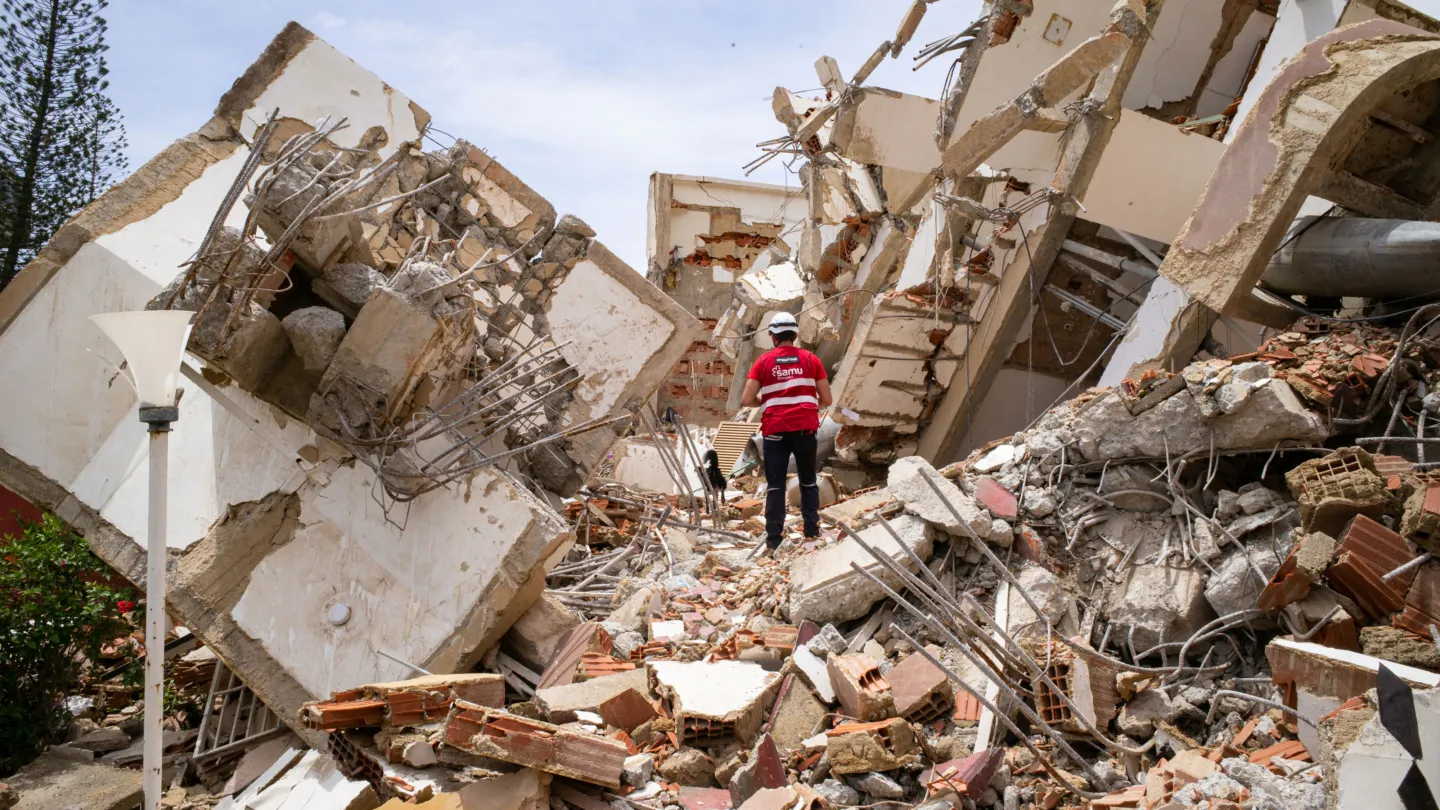
The current outbreak is unfolding in eastern Congo, in areas already destabilized by conflict, displacement, insecurity, and deep mistrust of authorities. Health facilities and frontline responders are operating under extraordinary pressure. Contact tracing teams face serious access constraints. Follow-up with exposed individuals is difficult in areas where insecurity limits movement and where communities may be fearful, displaced, or distrustful. Several healthcare workers have already died.
The outbreak also appears to have circulated for weeks before confirmation. Early cases were difficult to detect because field diagnostics were primarily focused on the more common Zaire strain of Ebola, rather than Bundibugyo virus. By the time the outbreak was confirmed, transmission chains had already expanded across multiple health zones and into neighboring Uganda.
The lesson from 2014 should have been clear: you do not stop Ebola at airport checkpoints in Europe or the United States. You stop Ebola by investing aggressively and immediately where the outbreak begins.
That means several things must happen now.
First, the response must prioritize frontline health workers.
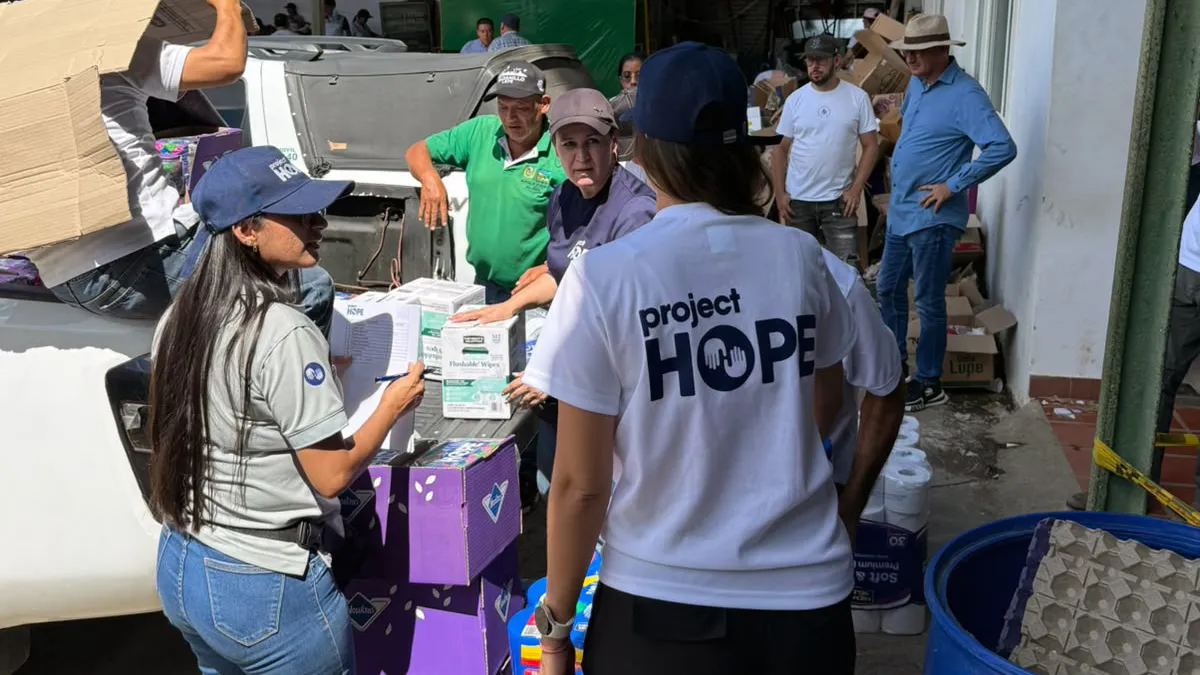
During the West Africa epidemic, thousands of healthcare workers continued treating patients despite inadequate protection, fear, and exhaustion. Many paid with their lives. Health workers remain the first line of defense in every outbreak, but they cannot operate without proper personal protective equipment, rigorous infection prevention and control systems, training, safe triage protocols, reliable supplies, psychosocial support, and medical evacuation mechanisms.
You do not stop Ebola at airport checkpoints in Europe or the United States. You stop Ebola by investing aggressively and immediately where the outbreak begins.
Second, water, sanitation, and hygiene (WASH) must be treated as a frontline disease-control intervention.
Ebola transmission is fundamentally driven by contact with infected bodily fluids, making hand hygiene, safe water access, sanitation systems, environmental cleaning, decontamination, and safe waste management essential pillars of outbreak control. Every treatment unit, isolation center, clinic, border crossing, and community response site must maintain strict WASH standards, and those protections must extend beyond healthcare facilities into households, schools, marketplaces, and public spaces.
Without strong WASH systems, infection prevention and control protocols cannot function effectively.
Third, responses must be regional, not national.
Viruses do not recognize borders. Eastern Congo is deeply interconnected with Uganda, Rwanda, South Sudan, and neighboring countries through migration, trade, and displacement routes. Cross-border surveillance, laboratory coordination, data sharing, traveler screening, and joint preparedness planning are essential. Waiting until cases appear elsewhere is already too late.
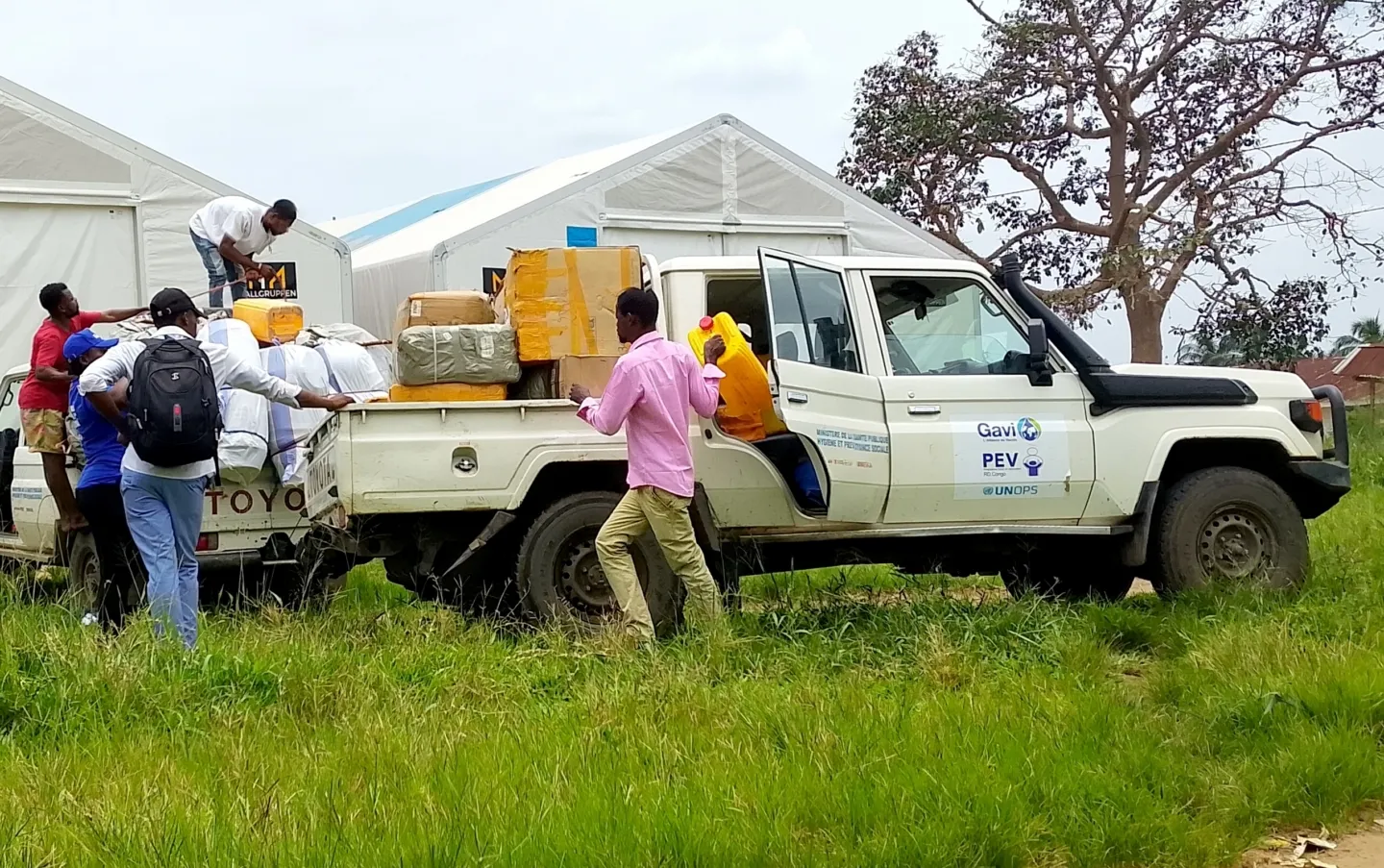
Fourth, Ebola is not ultimately defeated inside Ebola Treatment Units.
Treatment centers are essential for isolation, supportive care, and reducing transmission. But outbreaks are stopped at the community level.
Safe caregiving practices at home, early symptom reporting, trusted local communication, safe and dignified burial practices, community surveillance, and behavior change rooted in trust are what interrupt transmission chains. Communities do not simply receive the response. They are the response.
Fifth, community trust must remain central to containment efforts.
Public fear, misinformation, stigma, and distrust of authorities can undermine even the best medical interventions. Local leaders, faith leaders, women’s groups, survivors, and community health workers are not peripheral actors in an Ebola response. They are central to containment.
Sixth, the world must invest in operational capacity and not simply pledges.
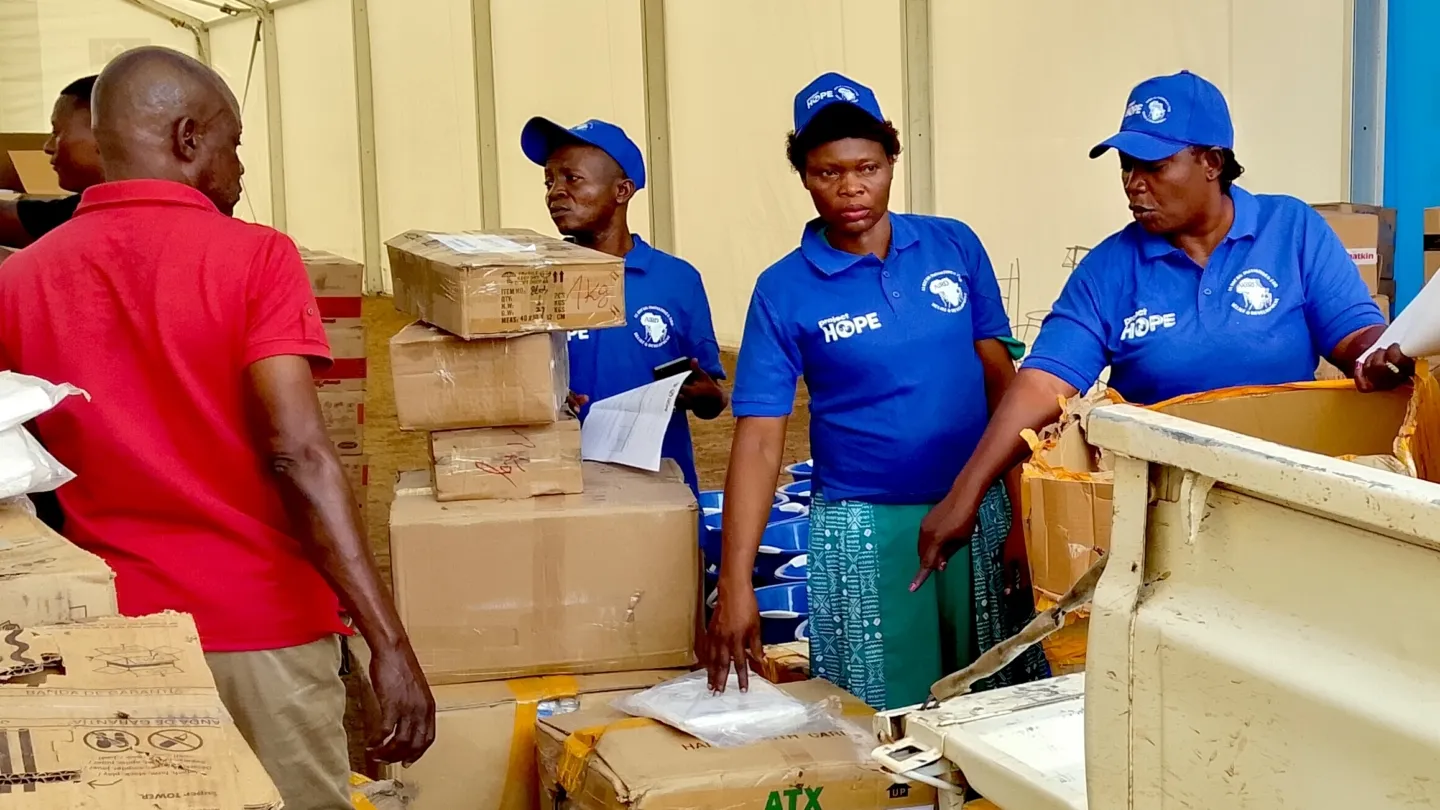
During my testimony before Congress, I emphasized that humanitarian organizations often had the expertise and willingness to respond but lacked the logistical support, rapid financing, transport systems, laboratory surge capacity, and emergency staffing mechanisms necessary to move at the speed outbreaks require.
That remains true today.
The global community must also stop treating health system strengthening as optional charity rather than collective security. Ebola, Covid-19, mpox, cholera, and measles all point to the same reality: fragile health systems anywhere can become a threat everywhere.
We often speak about “lessons learned” after every major outbreak. But lessons are meaningless if they are not institutionalized through sustained investment, operational readiness, and political will.
In 2014, the world eventually mobilized enormous resources to stop Ebola in West Africa. But that mobilization came after thousands had already died and entire countries had been pushed to the brink.
We cannot afford another delayed response driven by panic instead of preparedness.
The world already knows what needs to be done. The only question is whether we are willing to act before this crisis becomes far worse.
Rabih Torbay is CEO of Project HOPE.