Rat Bites, Fractures, Celiac Disease: In Gaza, Everything Is an Emergency
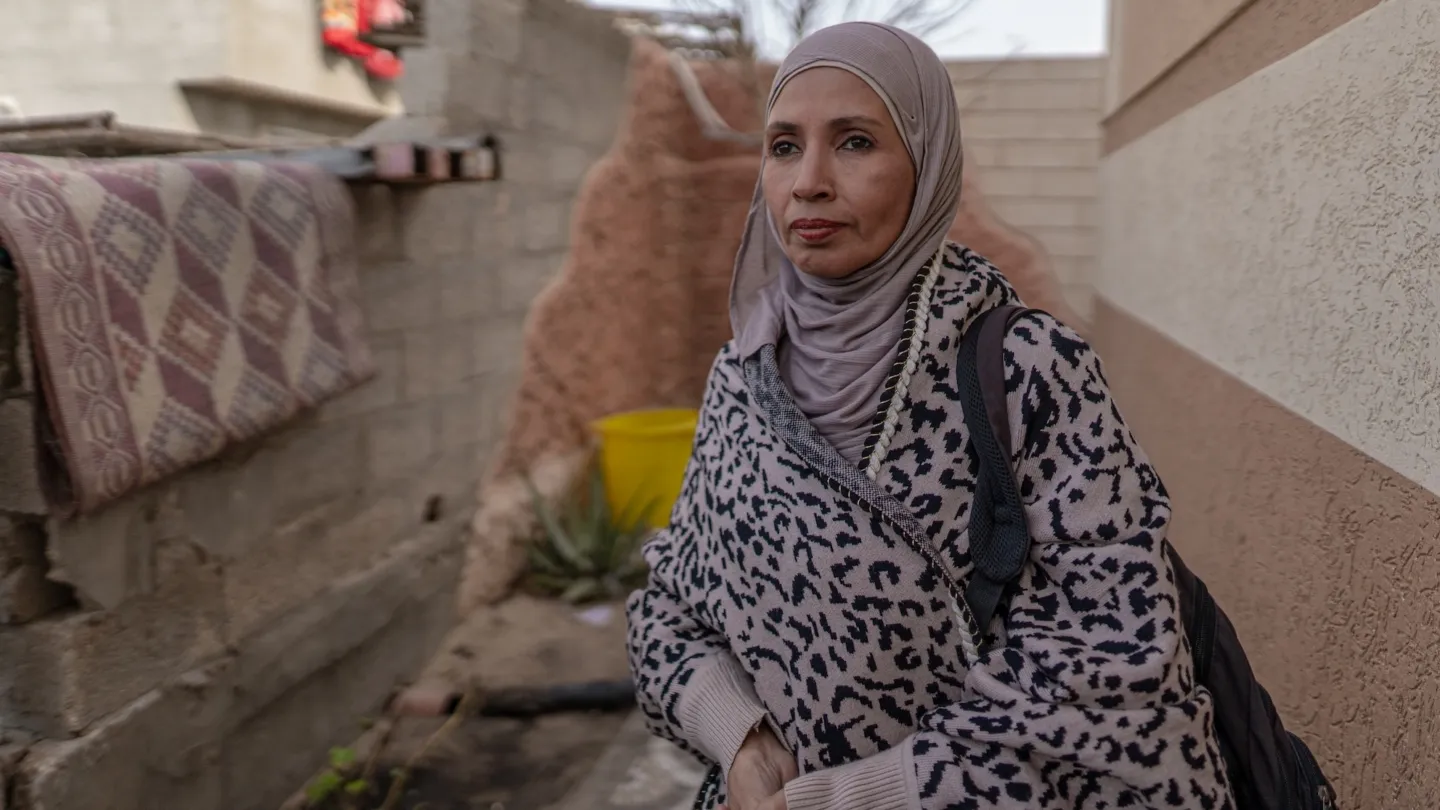
Tamara has celiac disease. In another context, that might mean carefully checking labels at the grocery store or avoiding certain foods at restaurants. In Gaza, it has become a life-threatening condition.
Displaced from Rafah and forced to move repeatedly throughout the war, Tamara now lives in an overcrowded house in Khan Younis with 15 other family members. Eleven of them are also living with celiac disease.
Gluten-free food has all but disappeared in Gaza. Medications and nutritional supplements are scarce. Malnutrition has become so severe that some of her family members are experiencing dangerously low blood sugar levels.
“My health condition is very serious,” Tamara says. “I suffer from severe abdominal pain, chronic diarrhea, and vomiting to the point that I have to go to Nasser Hospital two or three times a night.”
“The unavailability of gluten-free flour and specialized foods… the lack of medications and nutritional supplements… leads to severe osteoporosis and constant physical pain,” Tamara says.
The only way Tamara can access care is to make long journeys across Gaza to reach a Project HOPE clinic.
“It’s far,” she says, “but I have to go because there I receive zinc, paracetamol, vitamins, and other nutritional supplements, which are sometimes used as meal replacements to compensate for the lack of food.”
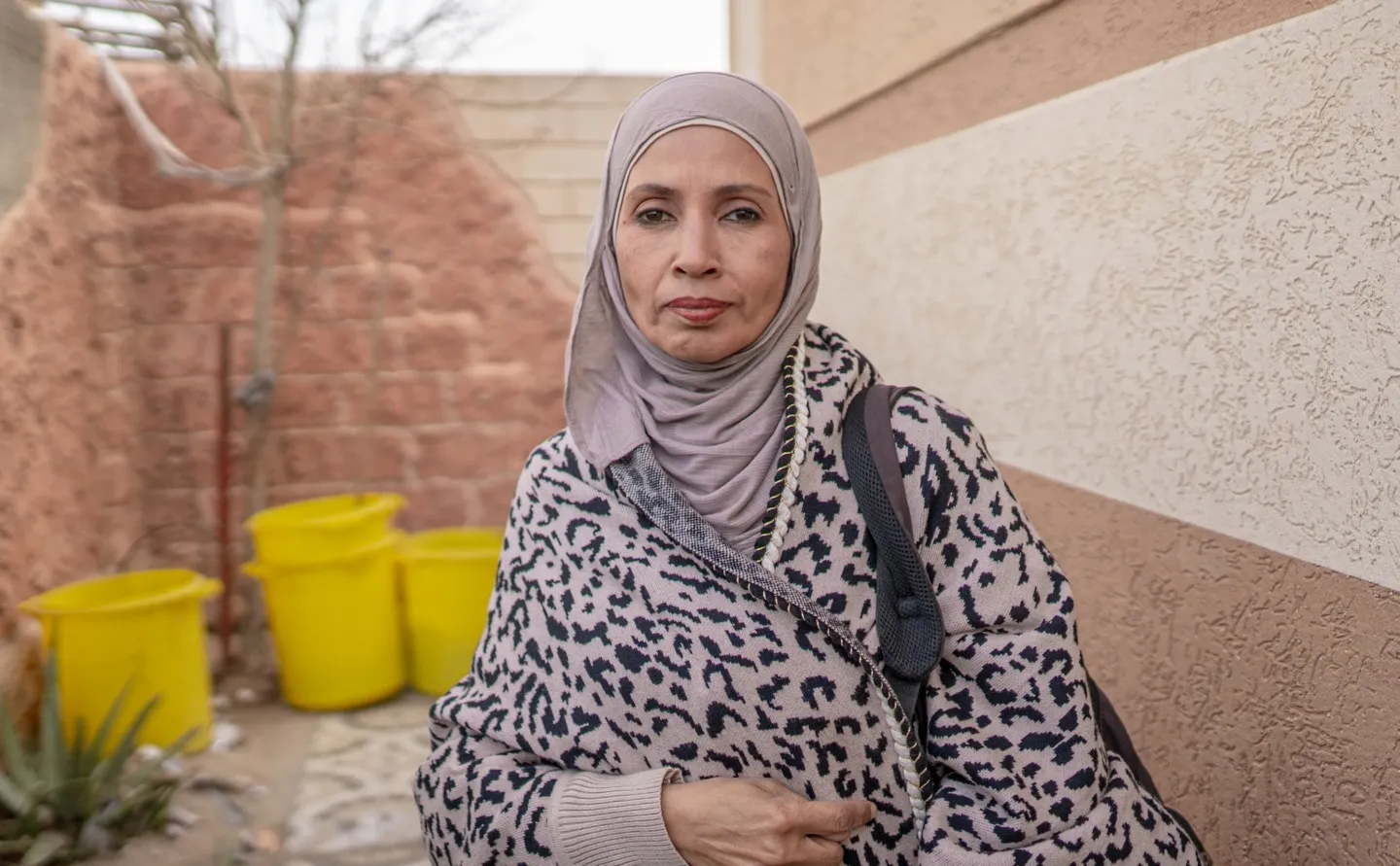
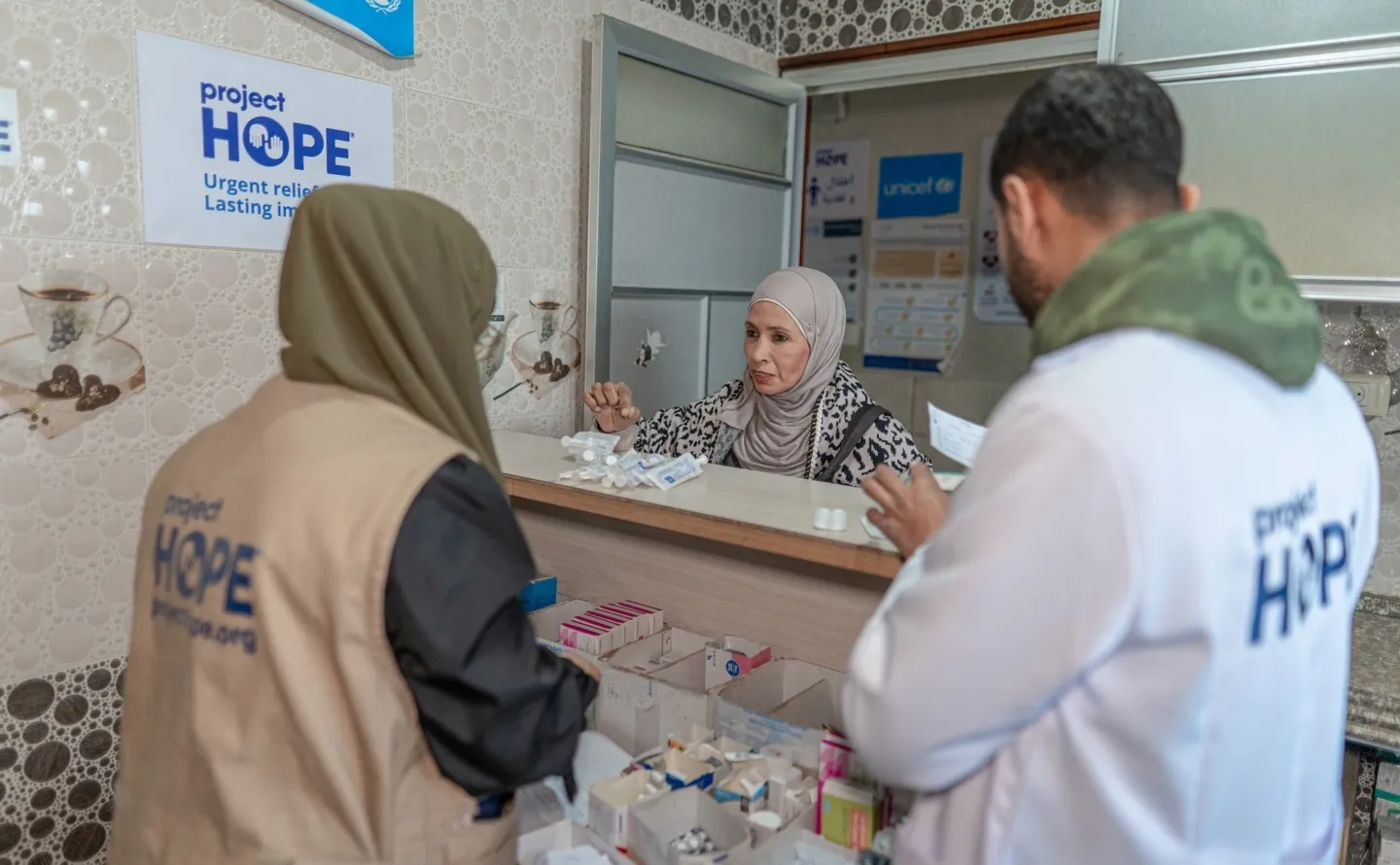
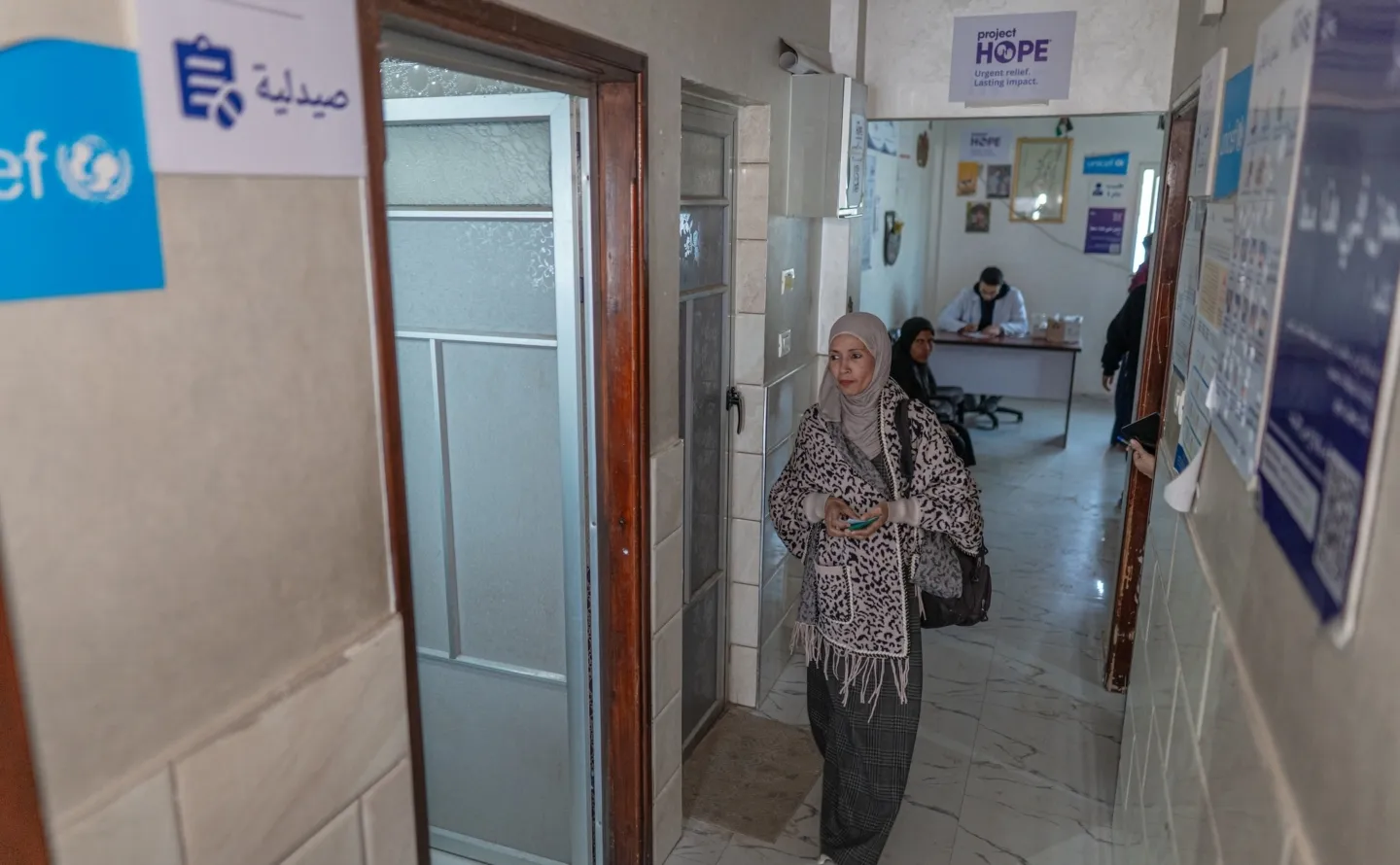
Tamara lives with 15 other family members and cares for her elderly father and 23-year-old son as she strains to manage her celiac disease. Many of her other family members are also living with the condition.
For Tamara and her family, the lack of gluten-free food, medicine, and nutritional supplements has turned a manageable chronic illness into a daily fight for survival.
To reach treatment, Tamara takes multiple forms of public transportation to a Project HOPE clinic, where vitamins and supplements sometimes serve as meal replacements because food is so scarce.
Tamara’s story reflects a much larger health emergency unfolding across Gaza. Despite the existence of a ceasefire, health challenges are catastrophic, affecting people of all ages and circumstances.
Most families are displaced in overcrowded shelters, makeshift tents, or out in the open, living among overflowing garbage, contaminated water, and collapsing sewage systems. In many areas, sewage runs openly through streets and displacement camps while access to safe drinking water and sufficient food remains dangerously limited. Deteriorating shelter conditions and rising temperatures are also forcing more people outside, increasing exposure to environmental hazards and insecurity.
Most families are displaced in overcrowded shelters, makeshift tents, or out in the open, living among overflowing garbage, contaminated water, and collapsing sewage systems.
These conditions are accelerating the spread of disease. Compounding the emergency are widespread infestations of rodents and pests that have overtaken densely populated camps and damaged neighborhoods where waste continues to pile up, contributing to rising cases of skin diseases, parasitic infections, and rodent bites. This year alone, more than 17,000 cases of rodent-related injuries or external parasite infestations have been recorded.
At the same time, shortages and restrictions on humanitarian aid have severely limited access to food, medications, fuel, hygiene supplies, and pest-control materials needed to contain outbreaks and keep health services running.
The major health conditions in Project HOPE’s clinics:
- Respiratory infections
- Waterborne and sanitation-related illnesses
- Skin infections, particularly scabies and tinea
- Rodent bite injuries
- Wound and trauma-related injuries
- Malnutrition among children and pregnant and breastfeeding women
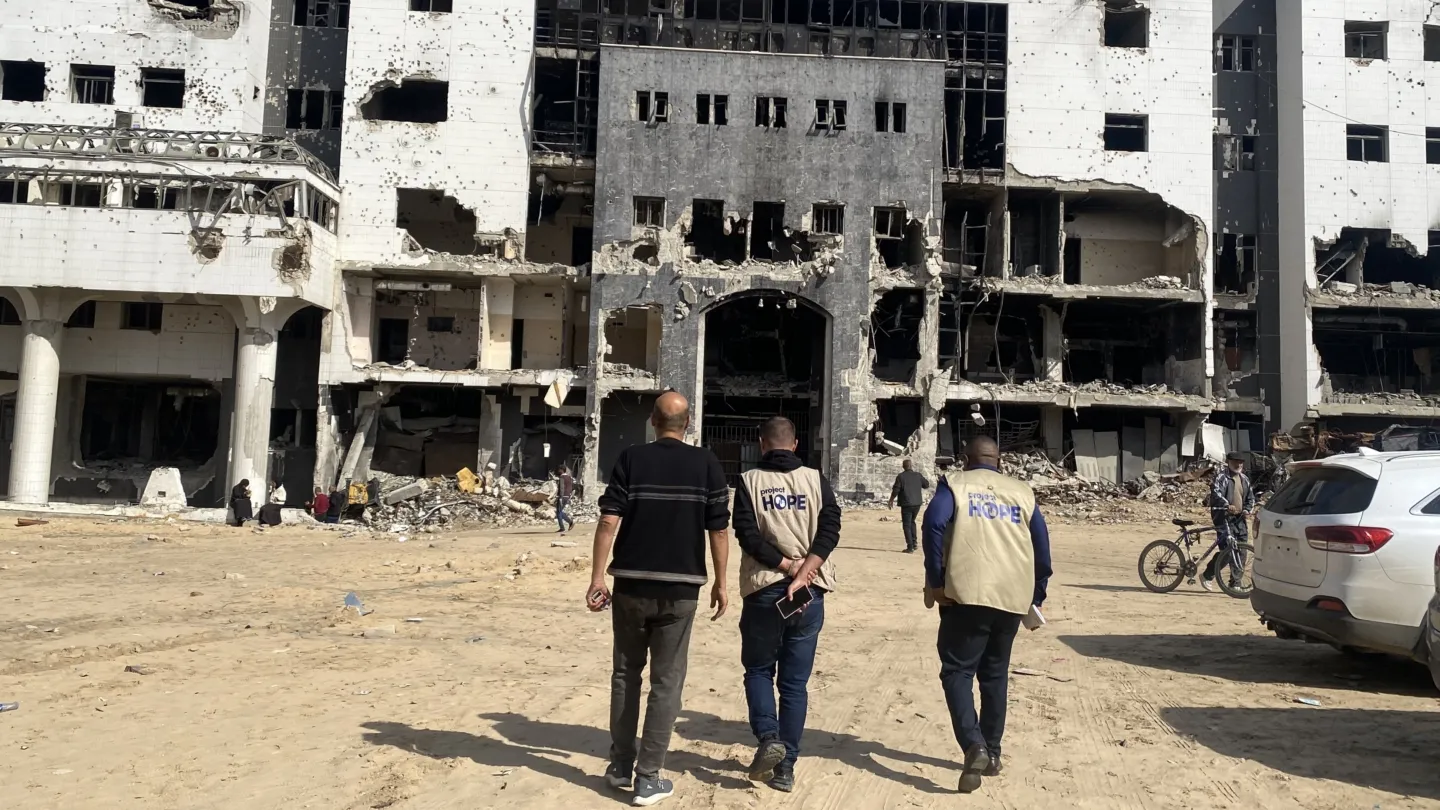
The medication shortage is felt profoundly inside Project HOPE’s clinics. Project HOPE is currently operating seven health clinics across Gaza, some of which are seeing as many as 500 patients a day despite having the capacity to serve roughly 70. Teams are responding to a wide range of urgent needs, from malnutrition and chronic illnesses to rapidly spreading infections.
“One of our main challenges is the shortage of medications and the unavailability of many essential drugs, especially for chronic diseases and [treating] children,” says Mohammed Al-Mudalala, a Project HOPE pharmacist. “Although we receive support, it is not sufficient, mainly due to the restrictions on the quantities of medical supplies entering Gaza.”
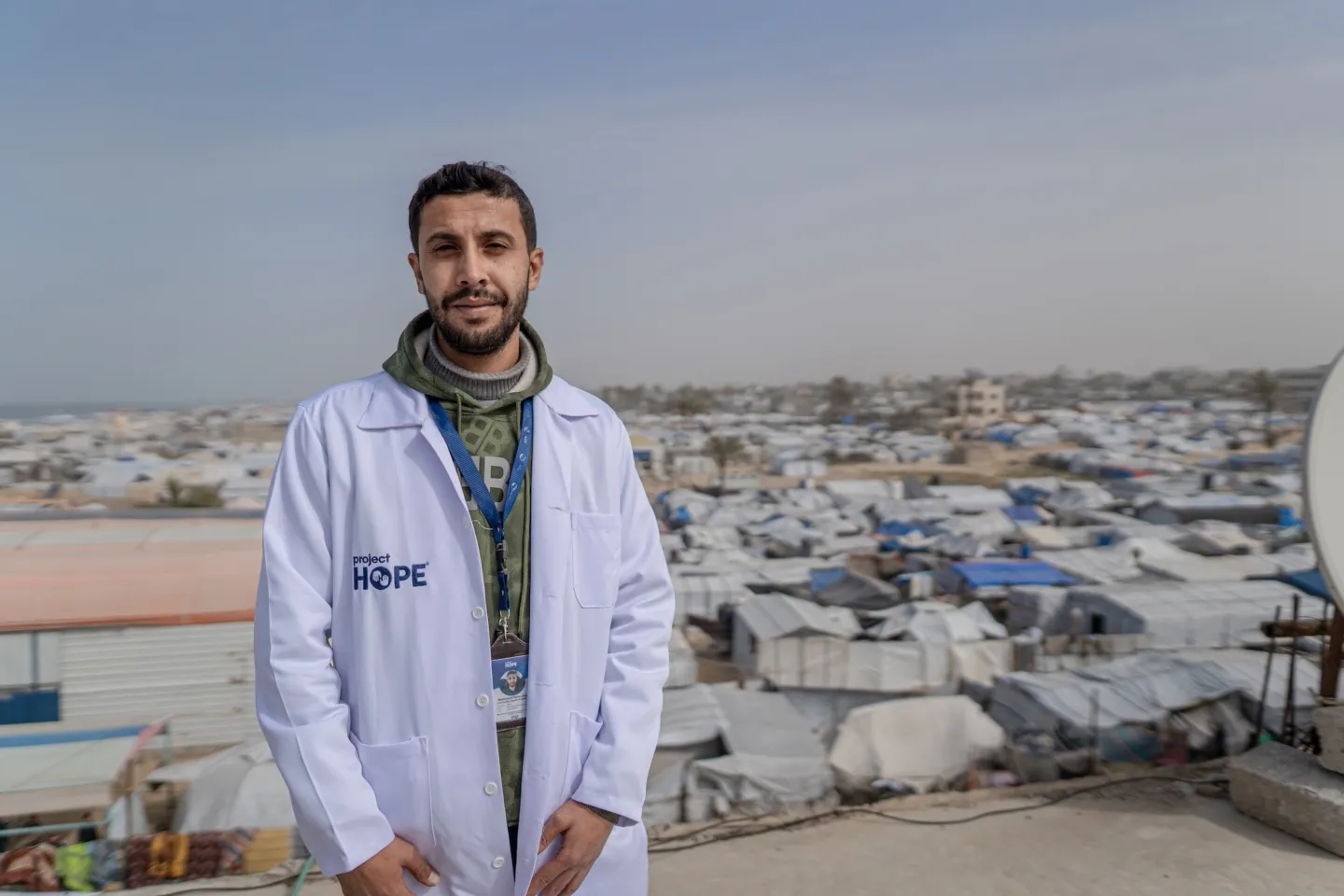
With supplies critically limited and patient needs continuing to surge, health workers are forced to make difficult decisions every day about how to stretch medications and care across overwhelming demand. In some cases, medications are being rationed pill by pill because there simply is not enough to go around.
“Due to limited supplies, we often have to divide the available medications among a large number of patients in order to benefit as many people as possible,” Al-Mudalala says.
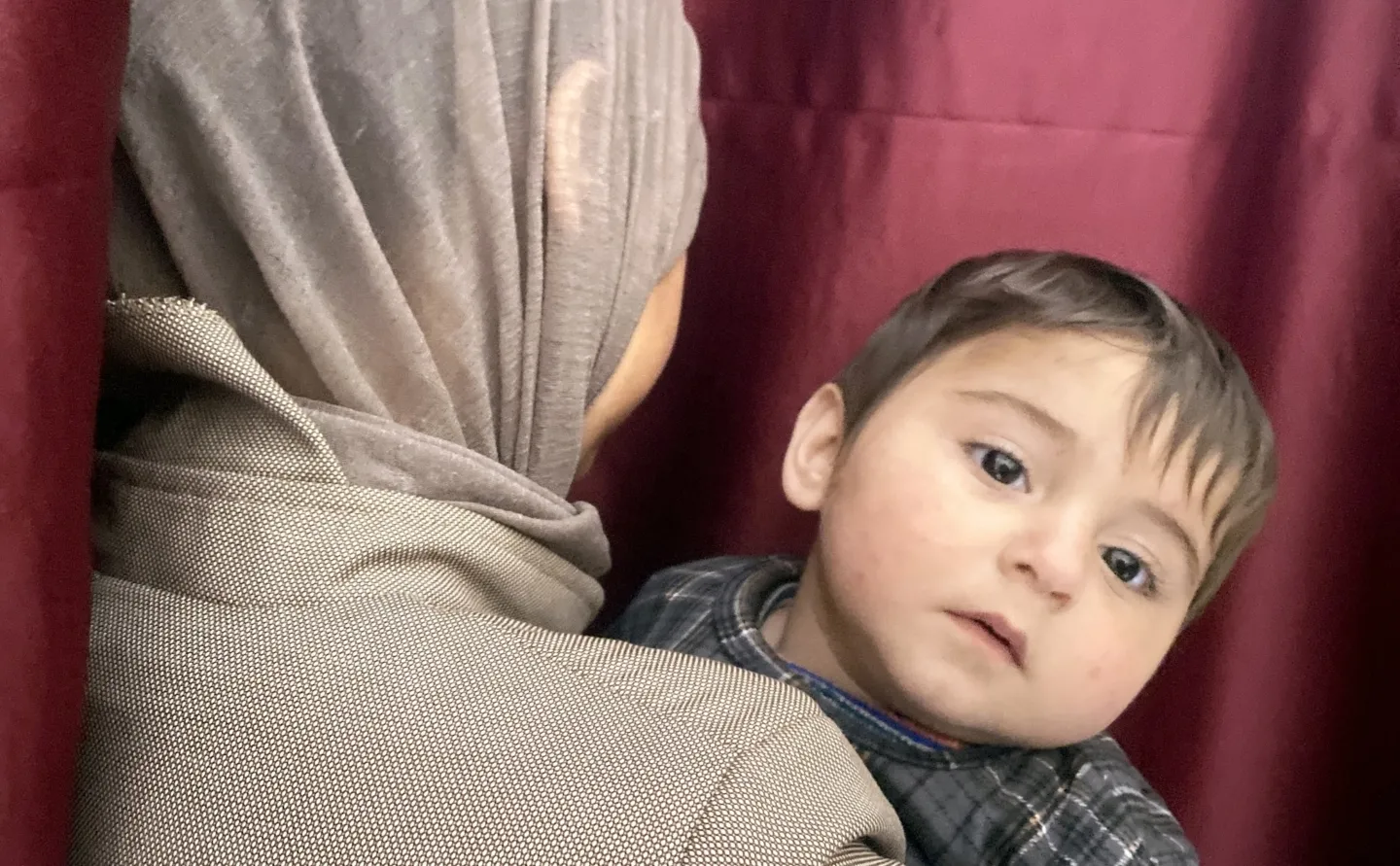
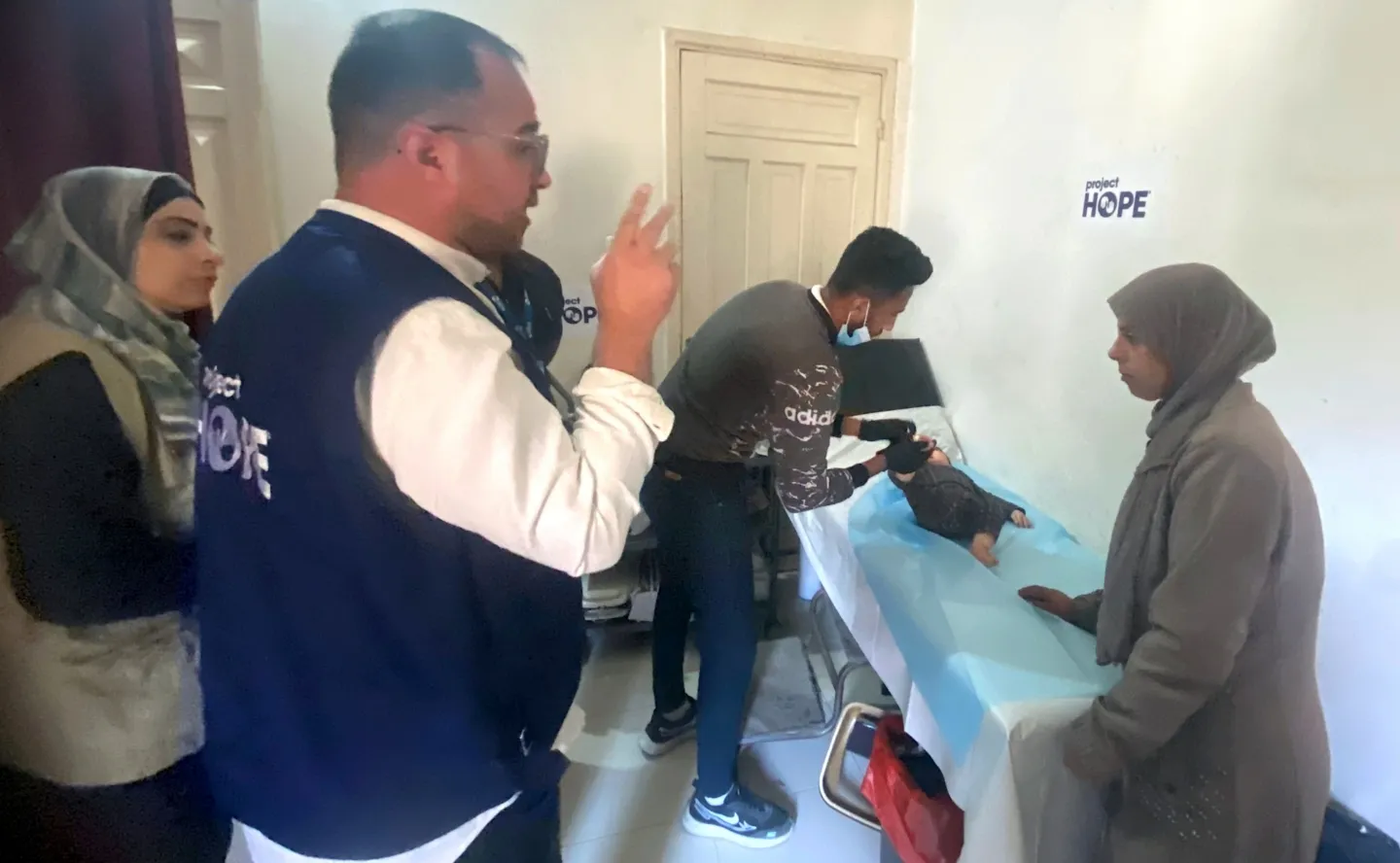
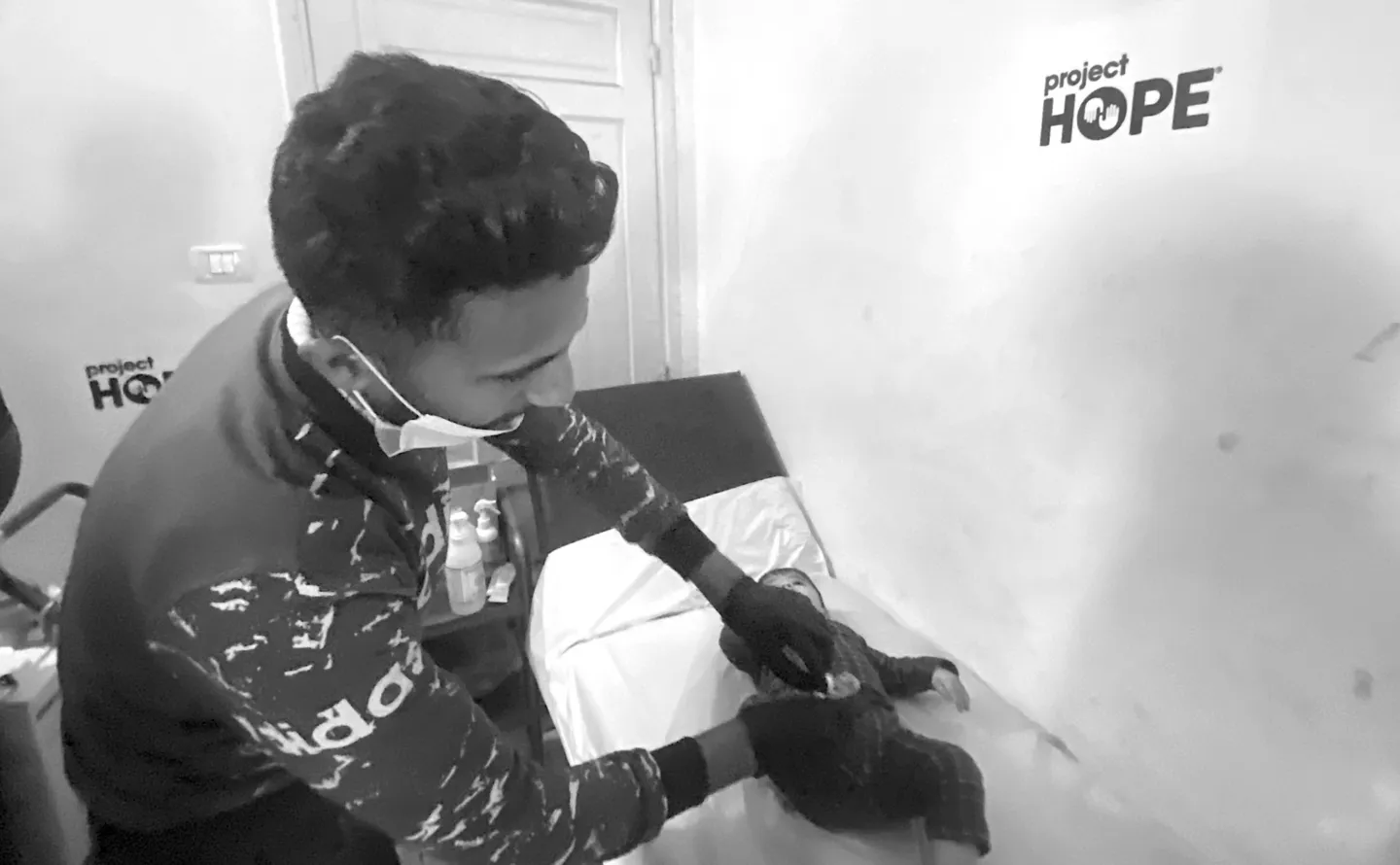
One-year-old Ahmad was brought to a Project HOPE clinic in Gaza City after being bitten by a rat inside his family’s tent.
“It was 3 a.m. when I woke up to my children screaming,” says Ahmad’s mother, Israa Wahdan. “The rat was biting my son’s toe, and I rushed to pull it away and get him to the hospital.”
After Ahmad received emergency treatment for tetanus exposure, his mother brought him to a Project HOPE clinic for ongoing wound care and dressings.
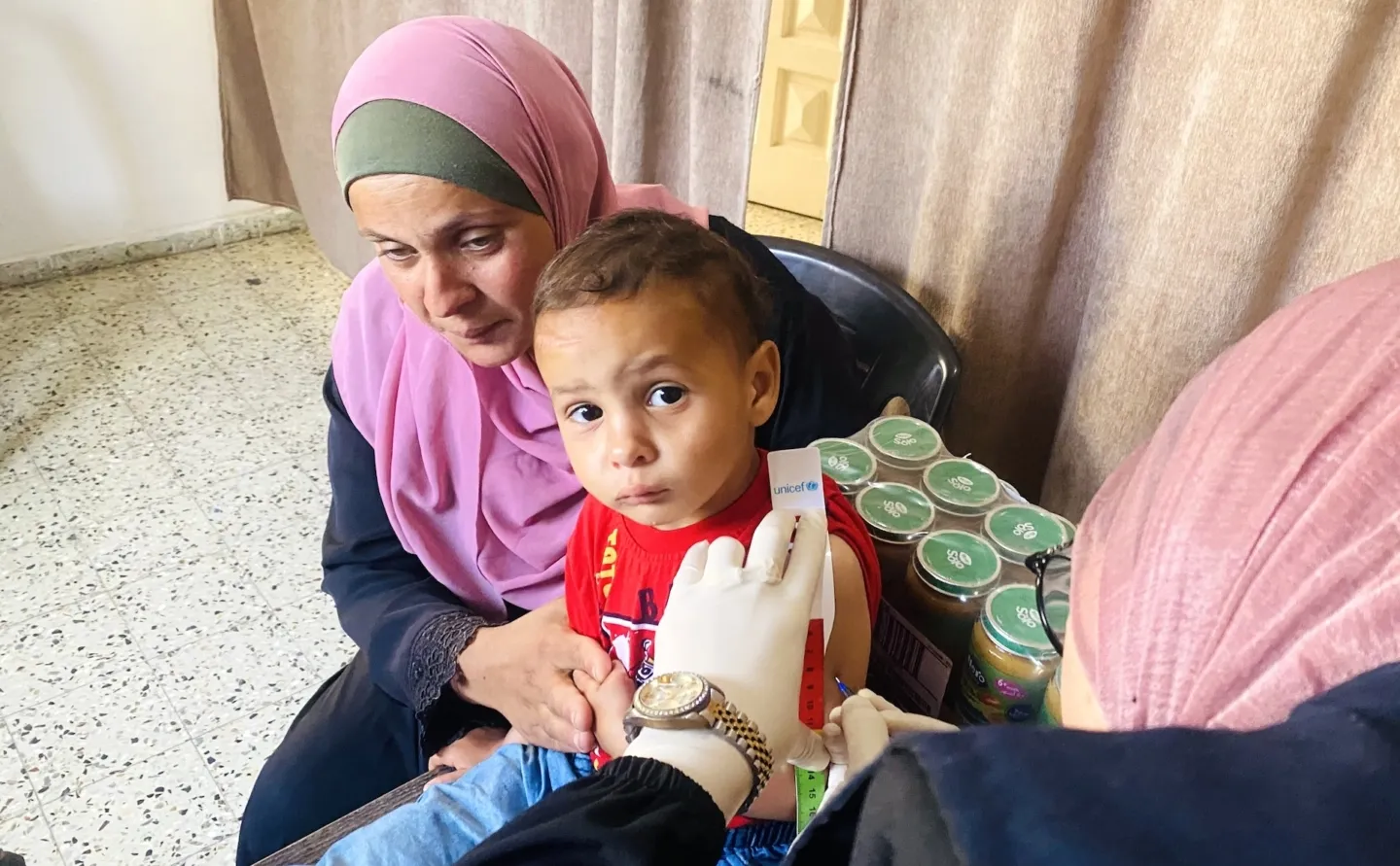
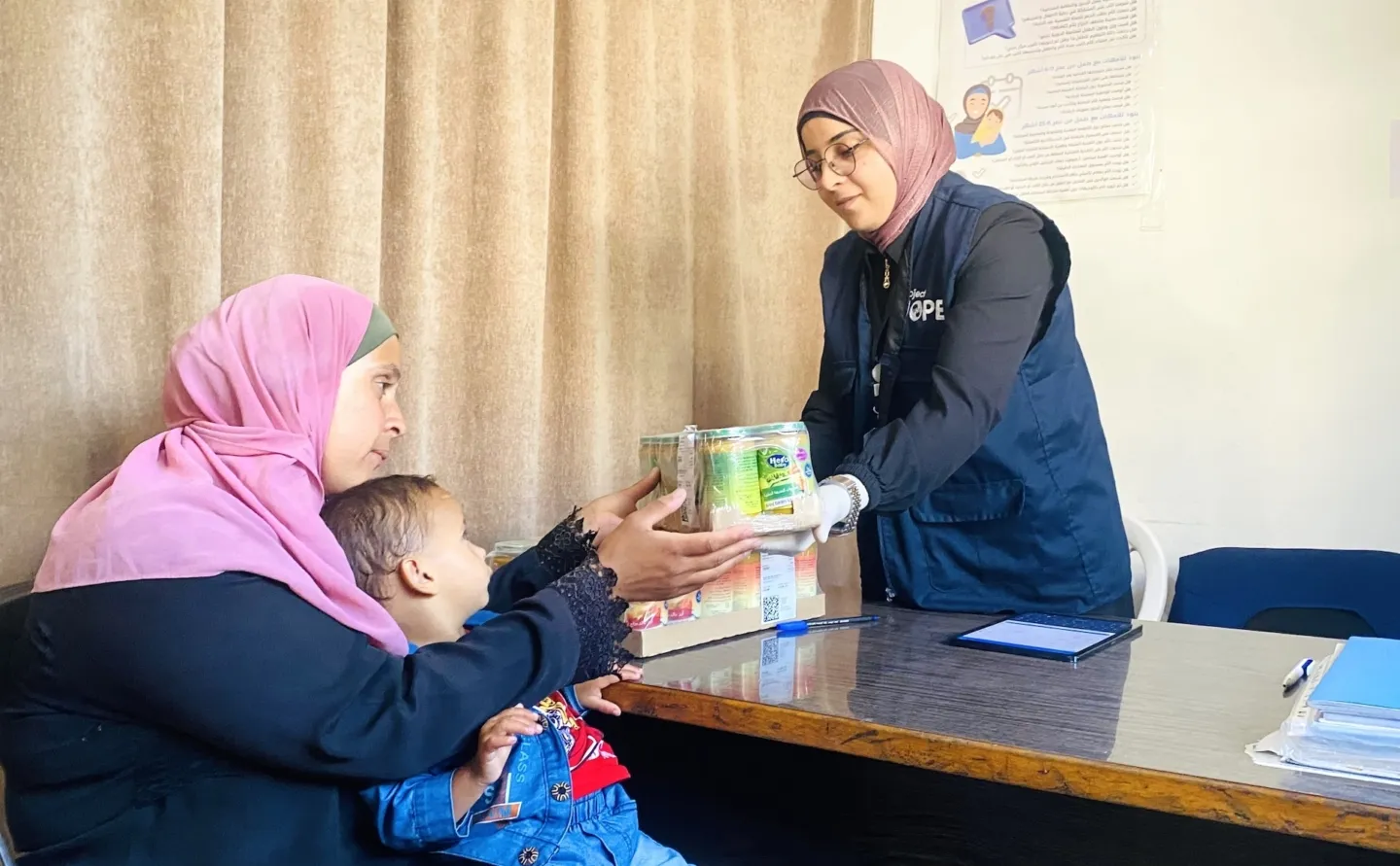
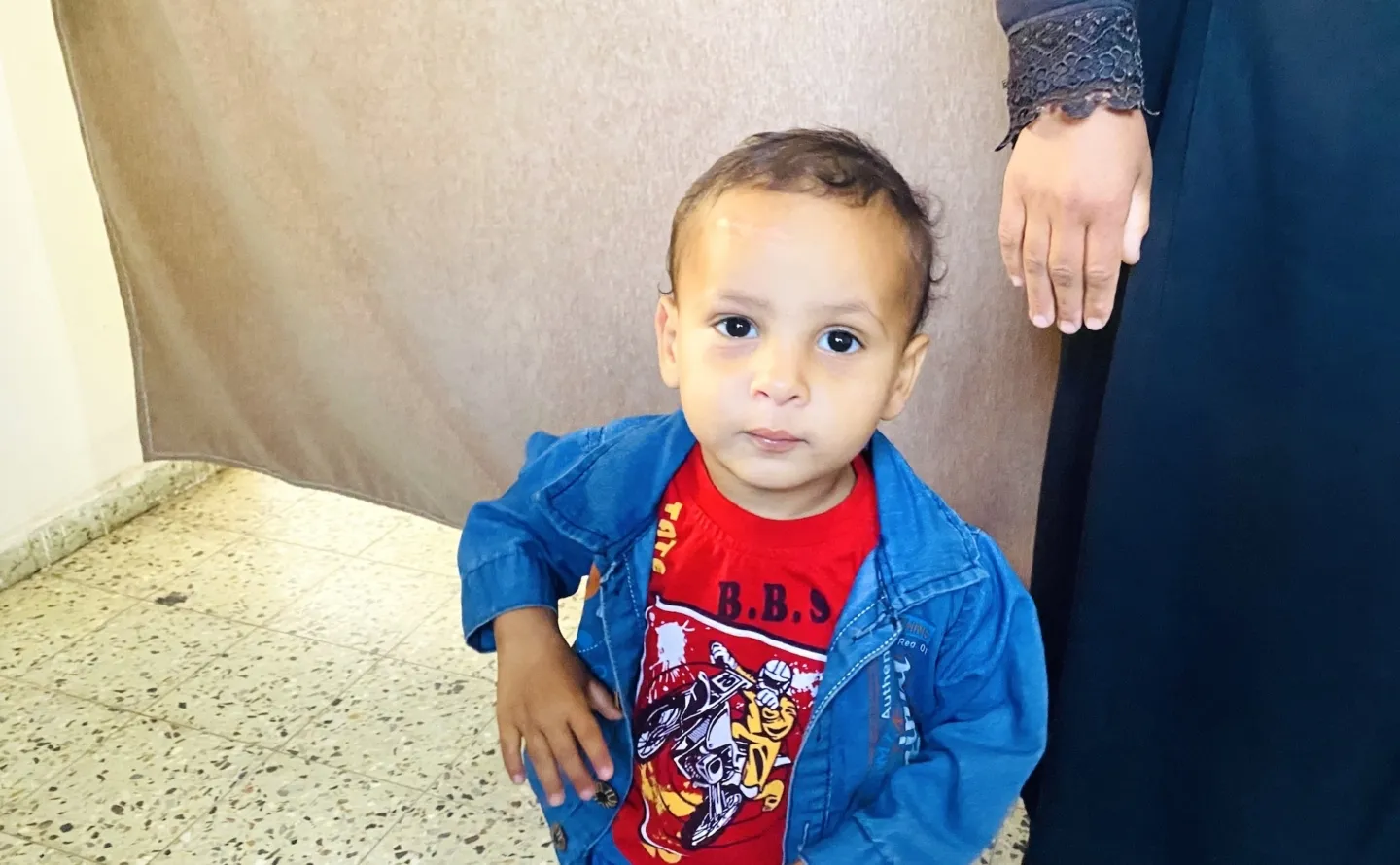
Yousef was nearly killed in an airstrike in Gaza. When his mother, Maysaa, brought him to a Project HOPE clinic in Deir al Balah for wound care, the team discovered that the 1-year-old was severely malnourished.
Yousef was immediately enrolled in a treatment program, where he received nutritional supplements and weekly follow-up care while Maysaa received guidance on feeding practices.
Over time, Yousef’s condition has improved dramatically, and he is now showing clear signs of healthy growth.
“I can clearly see the relief on patients’ faces when treatment is available free of charge, especially under these extremely difficult circumstances.” –Mohammed Al-Mudalala, Project HOPE pharmacist in Khan Younis
Jamal, 28, was displaced from northern Gaza and now lives in a tent camp in Deir al-Balah. He recently became a father for the first time. The milestone comes after a series of profound personal losses and injuries sustained during the conflict.
“[Before the war] I owned a car rental business, and my father had a solar energy company next to my place,” Jamal says. “Our house and the building were destroyed in the bombing, my sisters were killed, and we lost all our savings. Right now, I am not working and have no income.”
Jamal fractured his leg during the conflict and went a month without treatment as hospitals struggled with shortages of essential medical supplies.
“At first, when they told me my leg might need amputation, I was devastated,” Jamal says. “If it weren’t for this clinic providing treatment, free medications, and home support, I might have lost my leg — or worse.”
Now that his health has stabilized, Jamal has begun helping others in the camp where he can. But with months of lost income and debt from medical costs acquired before finding the clinic, his greatest concern is how to support his wife and newborn son.
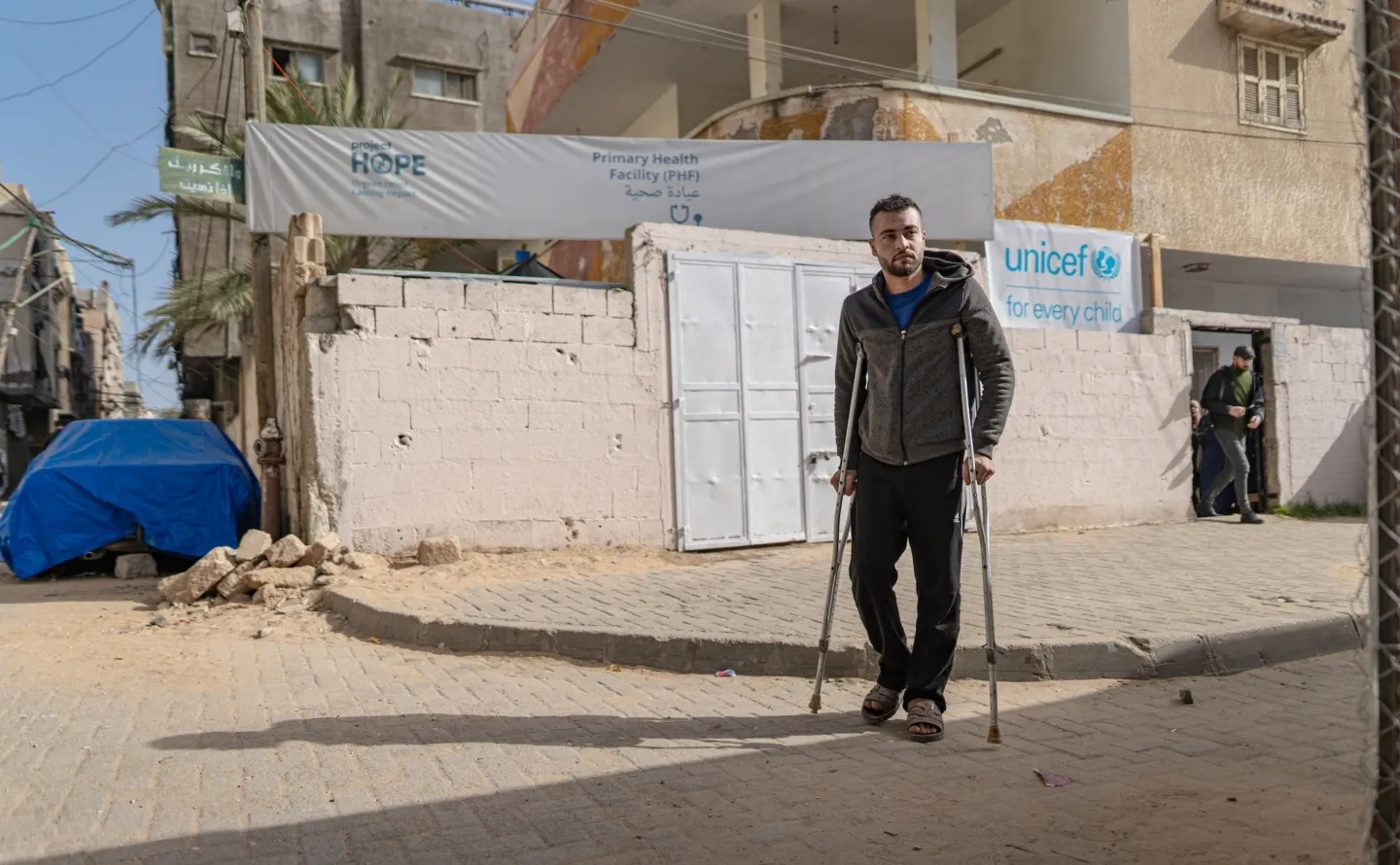
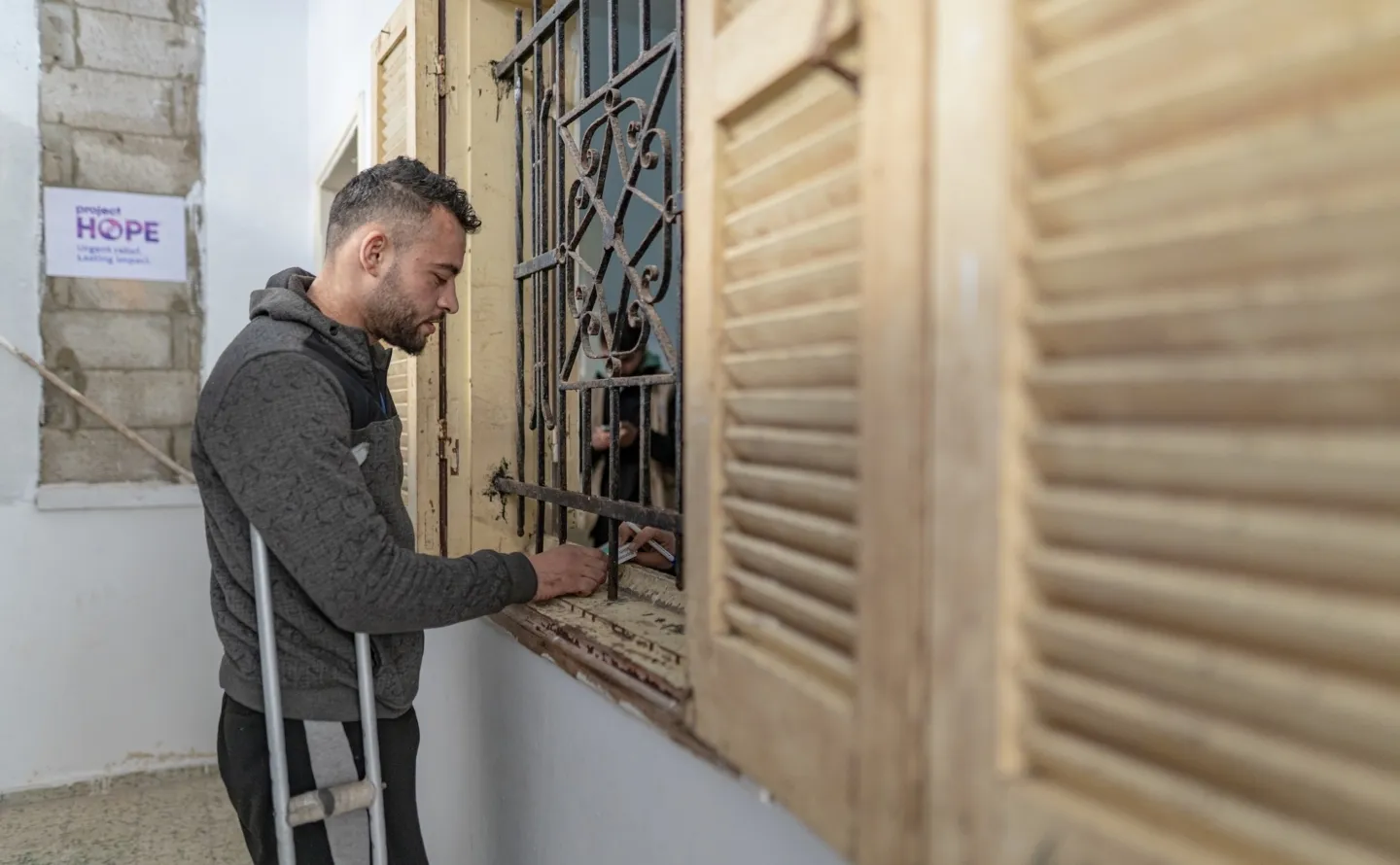
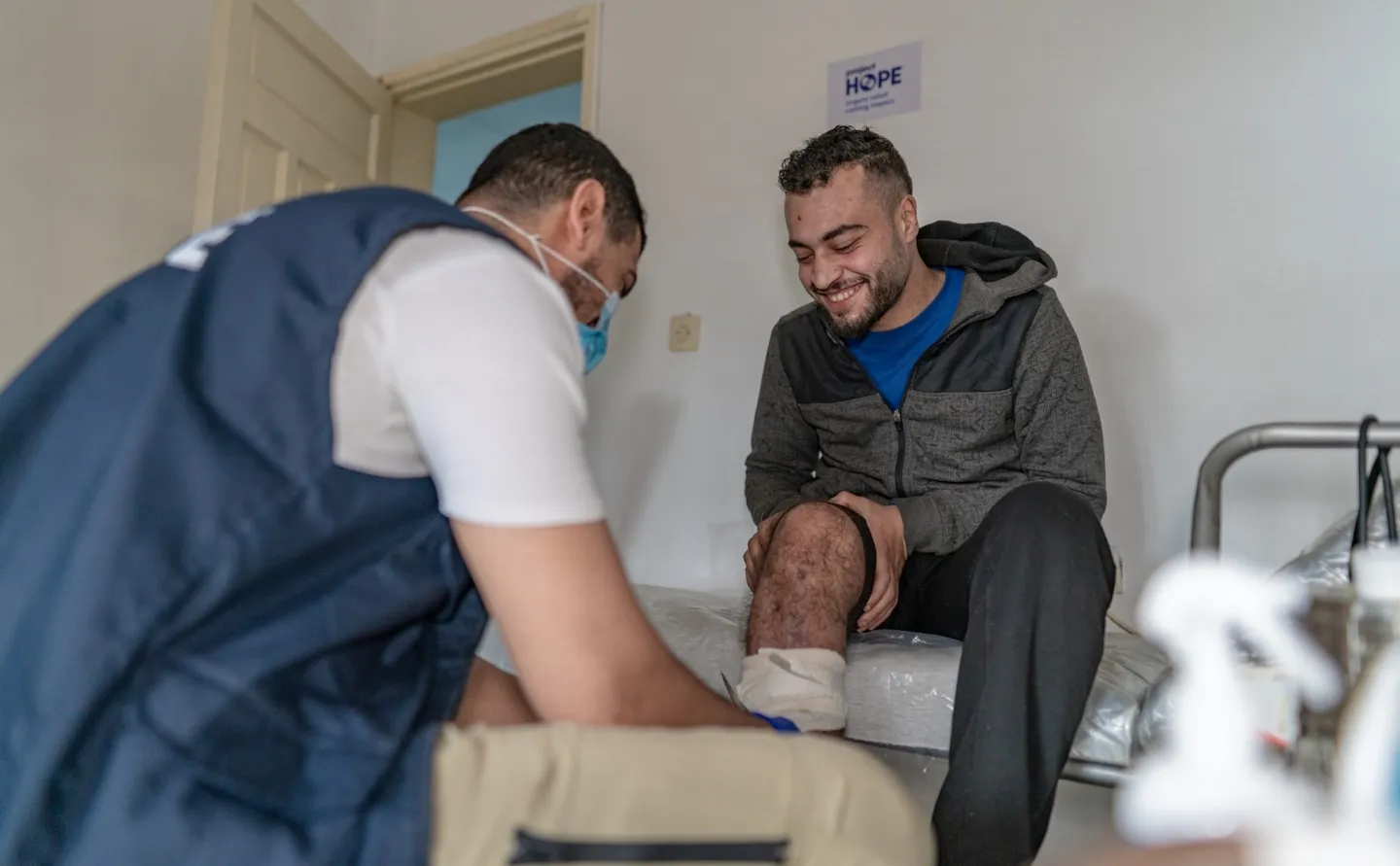
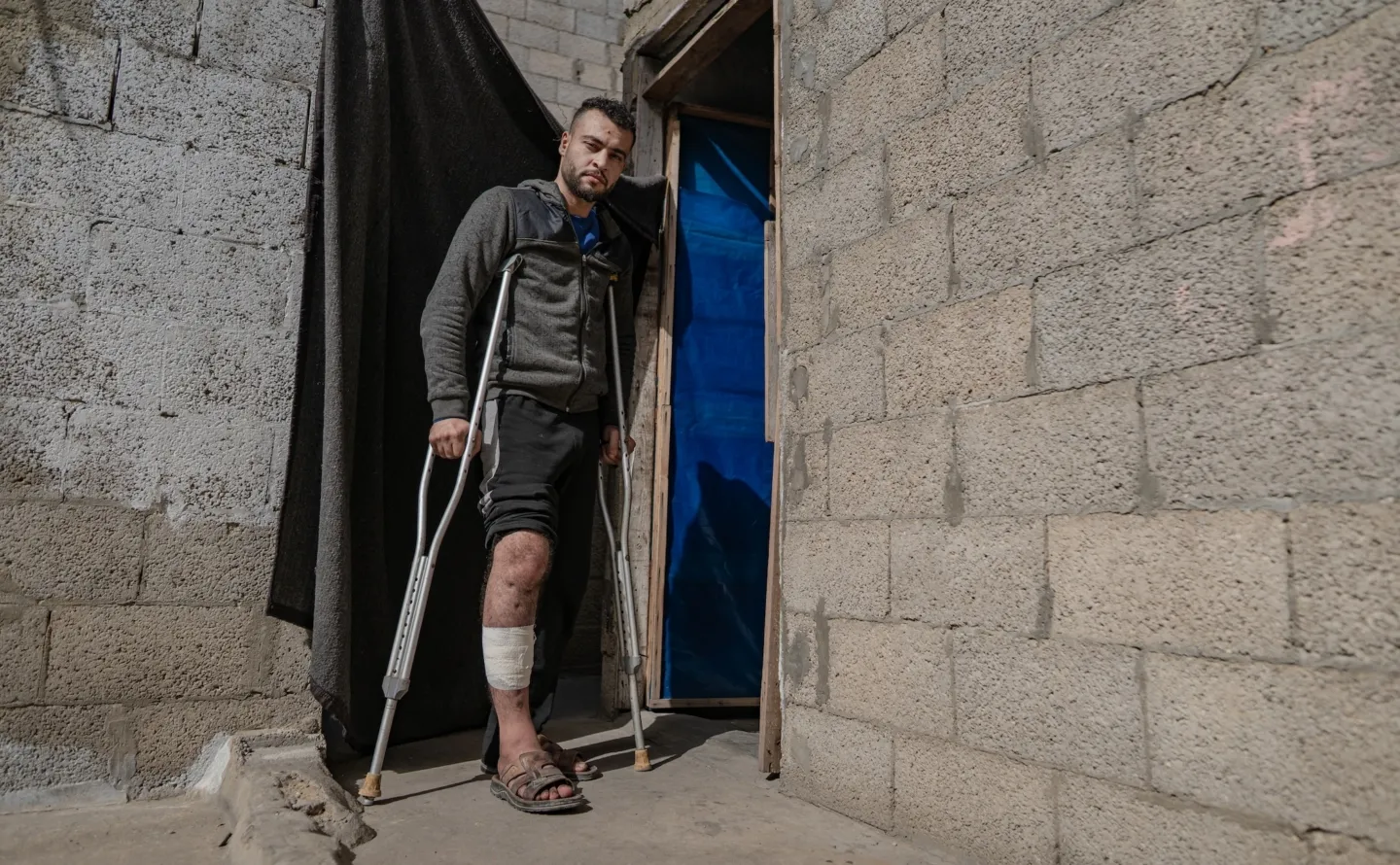
Displaced from northern Gaza and now living in a tent camp in Deir al-Balah, Jamal recently became a father for the first time.
Before the war, Jamal and his family owned two businesses. Both were destroyed. He lost his sisters, his savings, and his source of income.
Jamal fractured his leg during the conflict and went a month without treatment until he found a Project HOPE clinic where he received treatment, free medication, and home support.
“If it weren’t for this clinic providing treatment, free medications, and home support, I might have lost my leg — or worse,” he says.
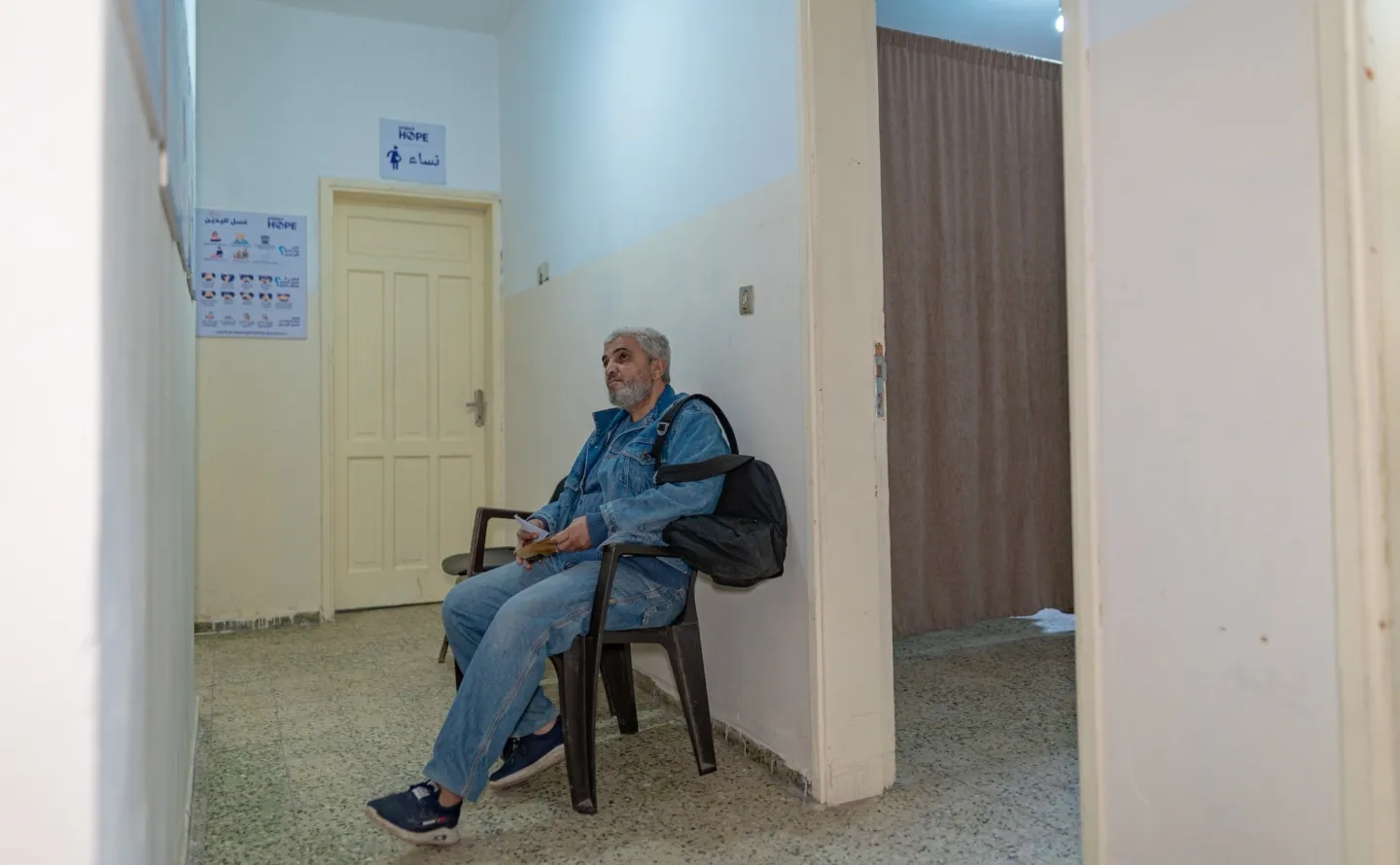
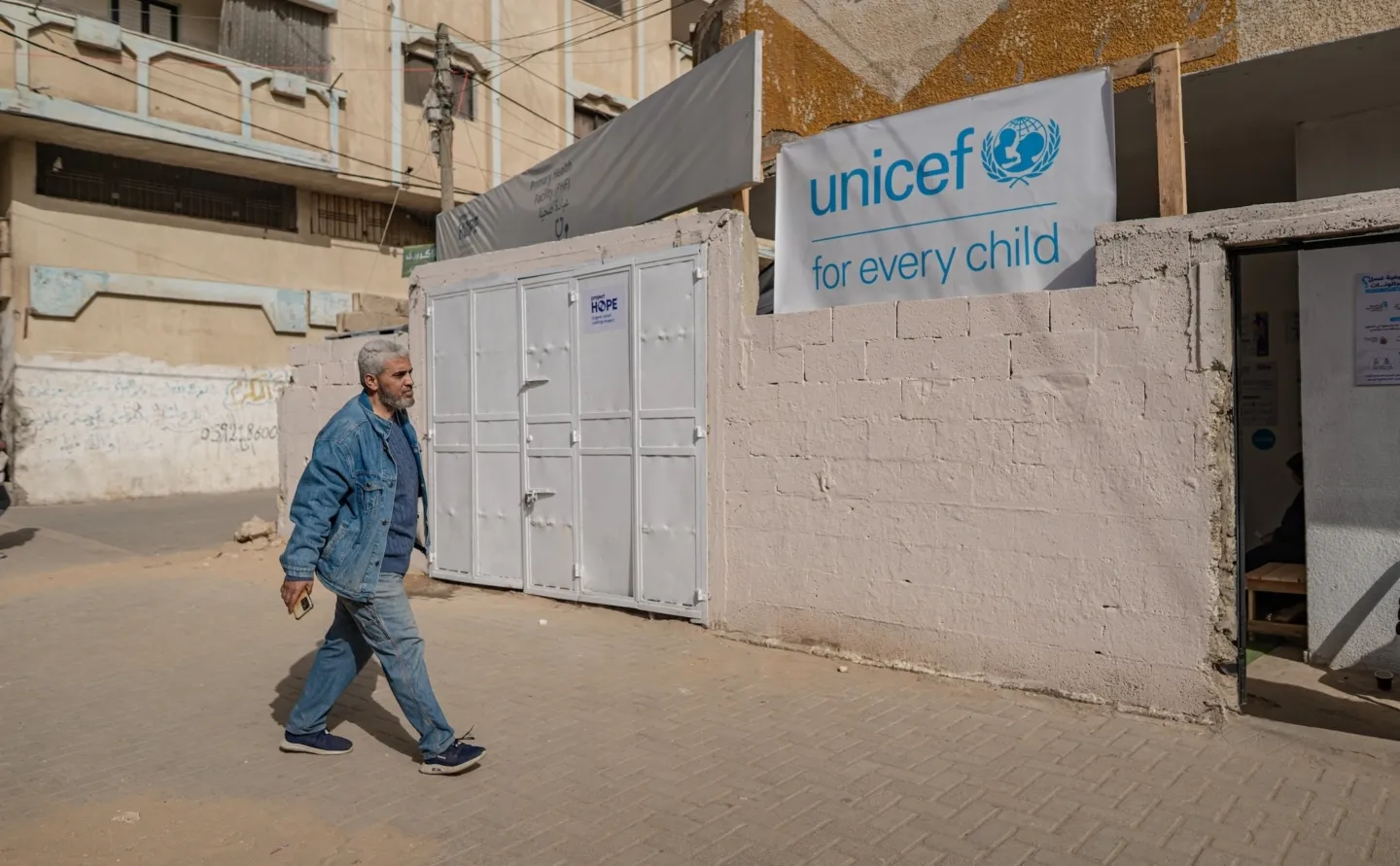
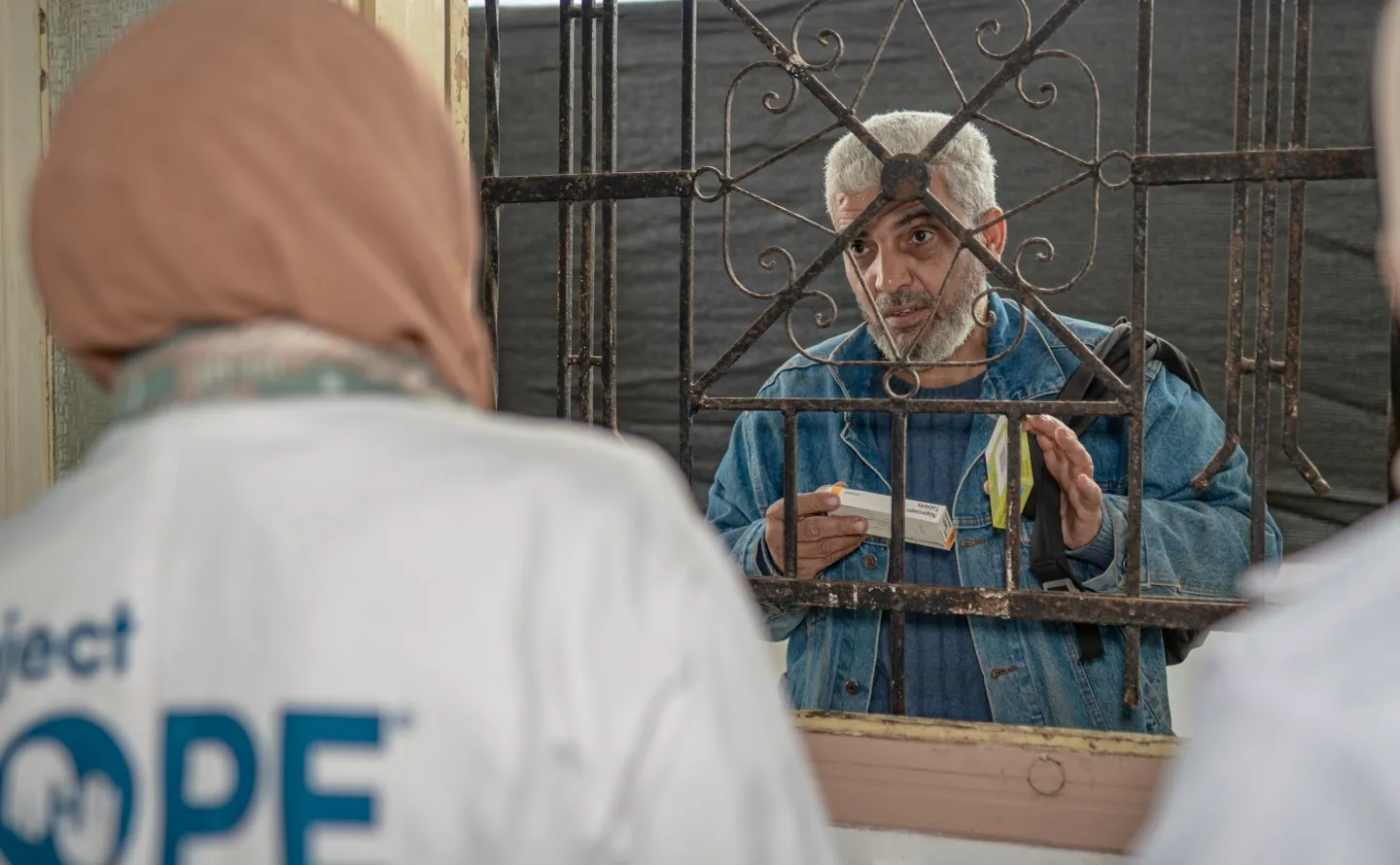
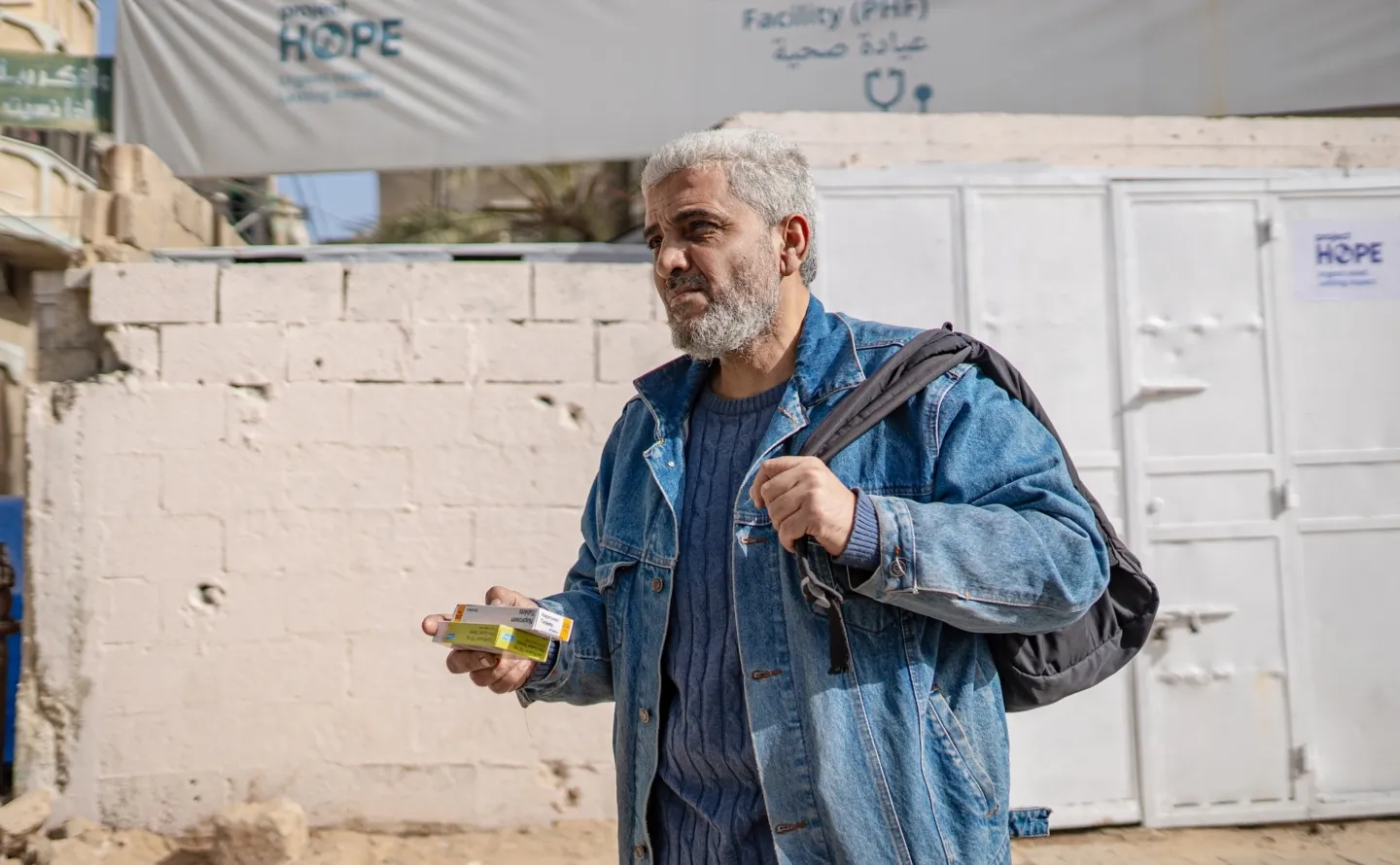
Hassan, 57, is originally from a town in the West Bank. He had come to Gaza just before the war, unaware that the escalation would prevent him from returning home.
“My life has changed drastically… but I have done everything possible to make sure my children do not feel the full extent of these changes,” he says.
After months of severe back pain and ineffective treatment, he finally received proper testing and care through a Project HOPE clinic, where he was diagnosed with urinary tract infections.
When medicine is accessible, it provides immediate relief. But it often isn’t. “If the medicine is expensive, I sometimes skip it, because I prefer feeding my children over buying medicine for myself,” he says.
The war in Gaza may be paused, but its health crisis is not. For people like Tamara, conditions that were once manageable are now becoming life-threatening simply because the essentials needed to survive — medicines, treatment, nutrition, clean water, and safe shelter — remain out of reach.
“My greatest wishes are for safety, reliable access to food and treatment for celiac disease, and a better future for my son,” Tamara says.
Click here to learn more about Project HOPE’s response in Gaza and how you can help.
All photos of Tamara, Mohammed, Jamal, and Hassan by Jaber Badwan, International Health Partners (IHP), 2026. Used with permission.