Expanding Access to Lifesaving Postpartum Hemorrhage Care in Sierra Leone
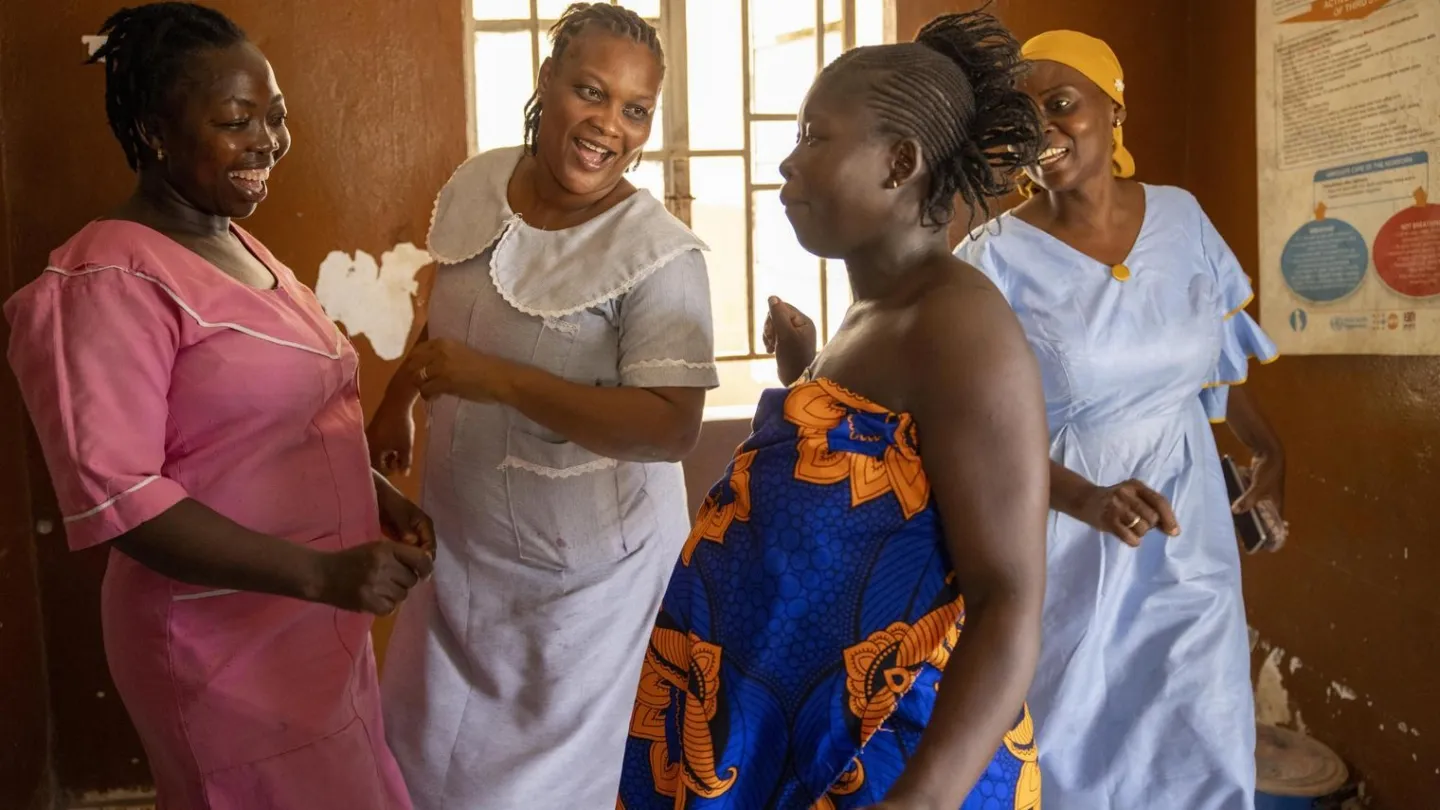
Project HOPE, in partnership with Sierra Leone’s Ministry of Health (MoH) and local partners, has expanded access to lifesaving prevention and care for postpartum hemorrhage (PPH) in Sierra Leone through a year-long initiative. PPH is one of the leading causes of maternal death worldwide and specifically in Sierra Leone, despite incredible progress over the last decade. Through health worker training, facility mentorship, and support for national health systems, this program complemented Project HOPE’s long-term presence in the country to strengthen local capacity and improve maternal health outcomes.
PPH remains a major threat, particularly in settings where health facilities face challenges related to medicine storage, transportation, and access. 70% of health facilities lack a functioning refrigerator, and frequent power outages can impact efficacy for medications like oxytocin that require a consistent cold chain. To address these barriers, Project HOPE supported the introduction and scale-up of heat-stable carbetocin (HSC) and tranexamic acid (TXA), two evidence-based medicines that can help prevent and treat excessive bleeding after childbirth, respectively.
“Every mother deserves the opportunity for a safe delivery and a healthy future,” said Annette Ofodum, Project HOPE’s Country Lead in Sierra Leone. “Through this partnership, health workers across Sierra Leone have gained the skills, confidence, and support needed to better prevent and manage postpartum hemorrhage, helping save lives today while strengthening maternal health systems for years to come.”
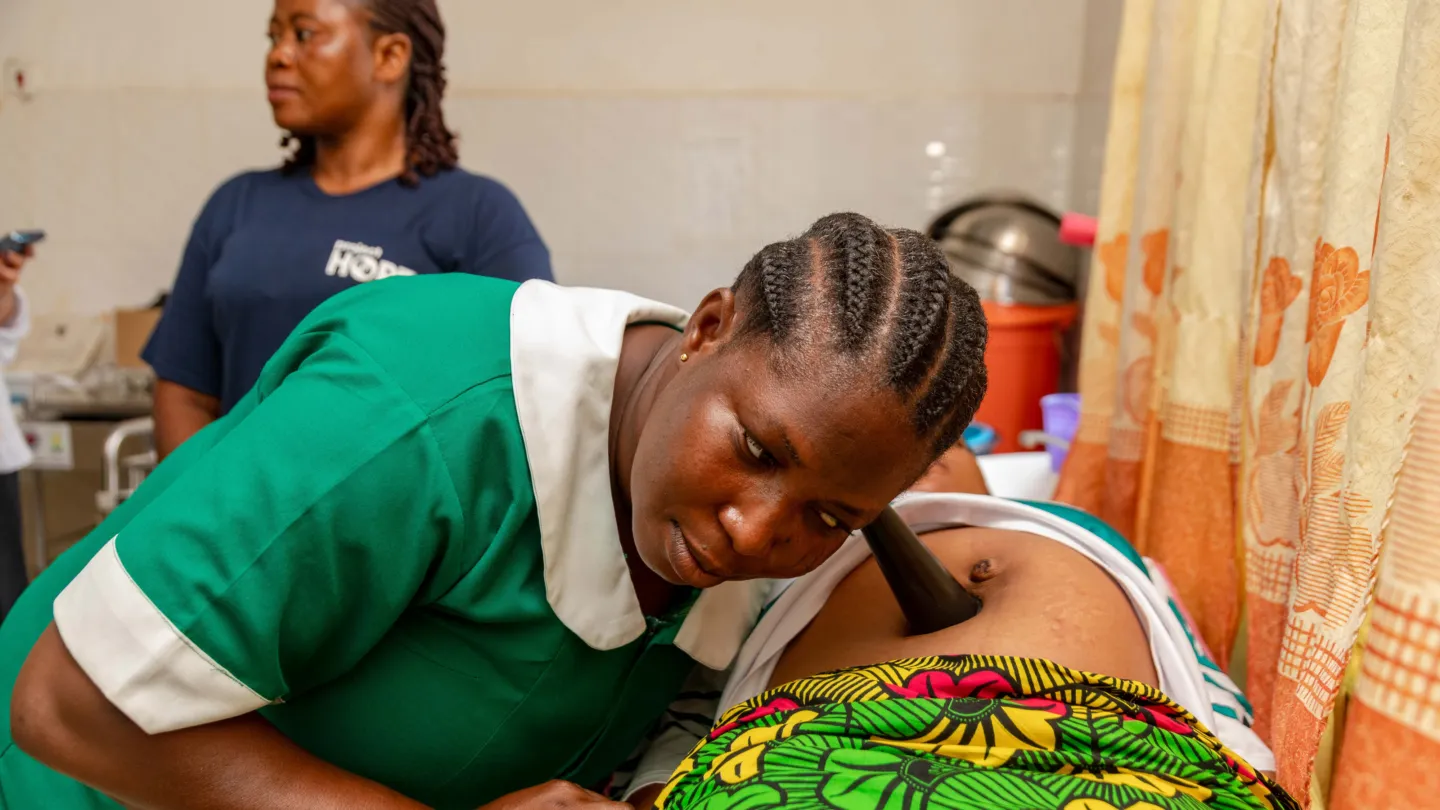
The initiative strengthened maternal health services in 184 public and faith-based health facilities, serving nearly 868,000 people. Over the course of the project, Project HOPE trained and mentored hundreds of health workers and tutors to strengthen their ability to prevent, recognize and respond quickly to PPH and other obstetric emergencies. During mentorship visits, project teams reviewed more than 4,200 deliveries and supported facilities in implementing best practices for PPH prevention, early detection, and treatment. As a result, 3,923 women received HSC for PPH prevention and 182 women received TXA to treat PPH, demonstrating the growing adoption of lifesaving maternal health interventions at the facility level.
As part of the program’s focus on long-term sustainability, Project HOPE worked with the MoH and academic institutions to integrate PPH prevention and treatment into pre-service midwifery curricula across Midwifery Schools in Bo, Makeni and Kenema, helping prepare the next generation of health workers. The project also strengthened national coordination around maternal health by supporting technical working groups that brought together government leaders and partners to address supply chains, health worker training, monitoring systems, and implementation.
As Sierra Leone continues its efforts to reduce maternal mortality, the partnerships, skills, and systems strengthened through this initiative will help ensure more women have access to timely, evidence-based care during childbirth and beyond.
For press inquiries, please contact media@projecthope.org.
This work was sponsored by PATH on behalf of the Reproductive Health Supplies Coalition―the world’s largest network of reproductive health organizations―with funding from MSD through its MSD for Mothers initiative.* The views expressed therein are entirely those of the authors and do not necessarily represent those of PATH, RHSC, MSD for Mothers, or CHAI or PATH, RHSC, or CHAI’s donors.
*MSD for Mothers is a global initiative to help create a world where no woman has to die while giving life. MSD for Mothers is an initiative of Merck & Co., Inc., Rahway, NJ, USA.