Malawi Launches Upgraded National Child Protection System
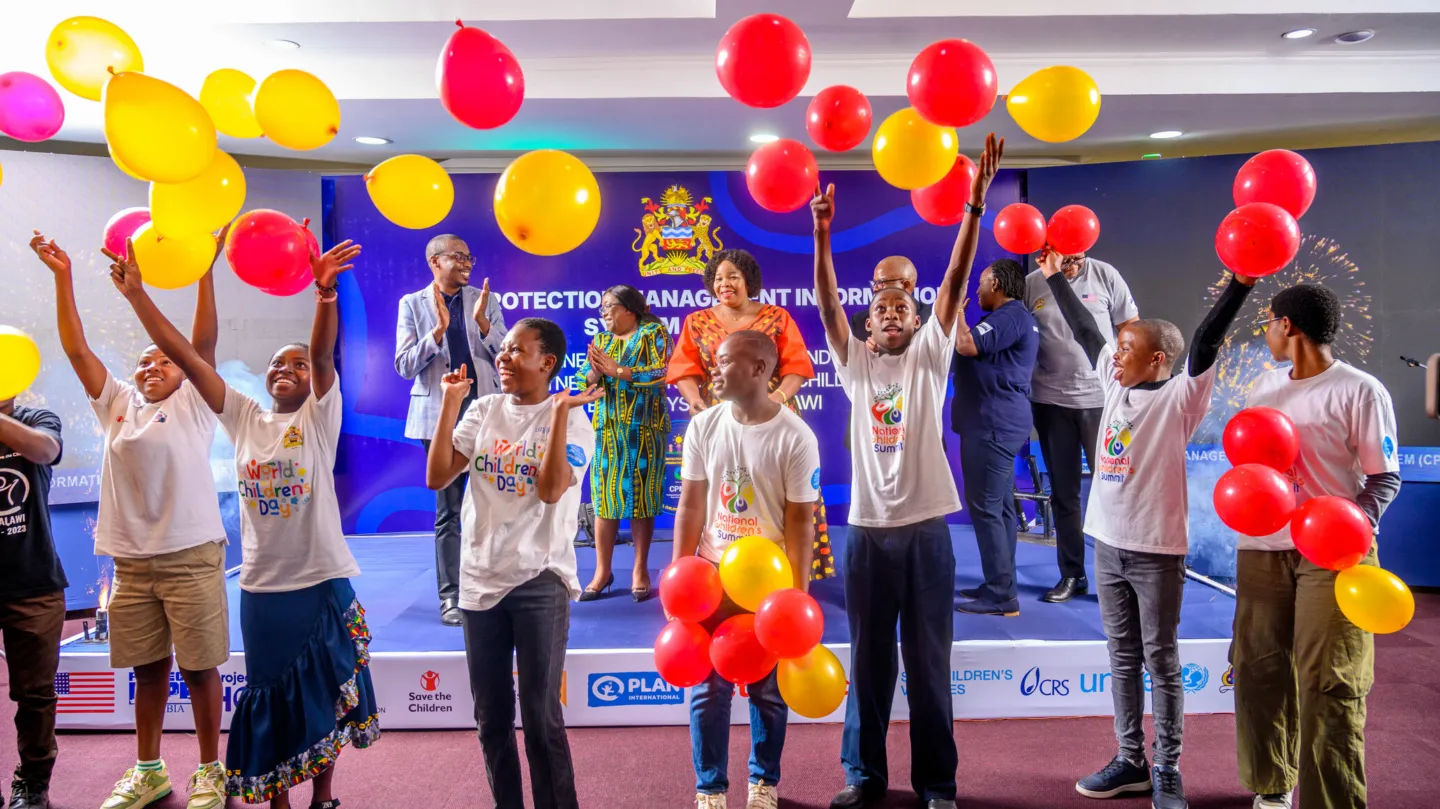
The Government of Malawi, through the Ministry of Gender, Children, Disability and Social Welfare, has launched its upgraded Child Protection Management Information System (CPMIS). Developed with critical technical and financial support from Project HOPE, Project HOPE Namibia, and the Africa Public Health Network (APHN) under the U.S. Department of State-funded ANAPA project, this milestone marks a transformative shift from paper-based tracking to an advanced digital ecosystem built on the globally recognized DHIS2 platform.
Historically, tracking child protection cases, ensuring continuous follow-up, and coordinating across extension workers in rural areas has been hindered by logistical friction. Paper records were frequently incomplete, damaged, or lost, creating steep challenges for monitoring children’s long-term wellbeing, protecting highly sensitive personal information, and compiling reliable national data. The upgraded CPMIS resolves these systemic vulnerabilities by serving as Malawi’s core national digital architecture to record, track, and manage data for orphaned, at-risk, and vulnerable children.
“The upgraded CPMIS offers a transformative opportunity for social workers and frontline case managers to seamlessly enter, analyze, and leverage high-quality data for timely decision-making in service delivery,” said Tiwonge Moyo, Country Representative for Project HOPE in Malawi. “By digitizing our approach, we eliminate the gaps left by paper-based records, ensuring that child protection interventions are swift, accountable, and targeted so that Malawi’s most vulnerable children can truly thrive.”
The impact of this system is already visible. In the Zomba District of rural Malawi, a young girl identified as being at risk of extreme neglect and violence was successfully assisted when a child protection worker used the system’s collaborative network to connect her and her caregiver to essential social services. This intervention secured her immediate safety at the household level and facilitated her readmission to school, exemplifying the critical importance of keeping vulnerable children visible within the national support network.
To support the sustainable operation of this platform, Project HOPE has conducted extensive capacity-building initiatives. Training has been provided to Community Child Protection Workers, District Social Welfare Officers, Case Management Desk Officers, and core national departments within the Ministry to ensure data is effectively used for evidence-based decision making. Simultaneously, specialized training was provided to the Ministry’s IT Department to manage backend technical infrastructure and handle independent day-to-day troubleshooting, establishing a resilient framework capable of operating far beyond donor-funded lifecycles.
With the system currently active across 16 key districts, participants and implementing partners emphasized the immediate need for concerted cross-sector collaboration to fund and execute the rollout to the remaining 13 districts, ultimately securing nationwide coverage across all 28 districts of Malawi.
An official launch event took place on June 11, 2026, in Lilongwe that brought together approximately 250 prominent stakeholders, including government officials, development partners, traditional and faith leaders, civil society organizations, and media representatives.
Photos of the event are available here.
To learn more or set up an interview, email media@projecthope.org.