Reps. Kiggans, Bera Introduce Project HOPE-Sponsored Bipartisan SECURE Health Act

Today Representatives Jen Kiggans (R-VA-2) and Ami Bera (D-CA-6) introduced, the “SECURE Health Act,” in the U.S. House of Representatives to clarify and focus U.S. support for frontline health workers as pandemic threats, climate-related displacement, and conflict-related health system disruptions become more frequent. The SECURE Health Act complements the America First Global Health Strategy by improving and increasing transparency, accountability, and efficiency on U.S. global health workforce investments. This bipartisan Resolution was sponsored by Project HOPE and the Frontline Health Workers Coalition and is endorsed by more than 30 organizations.
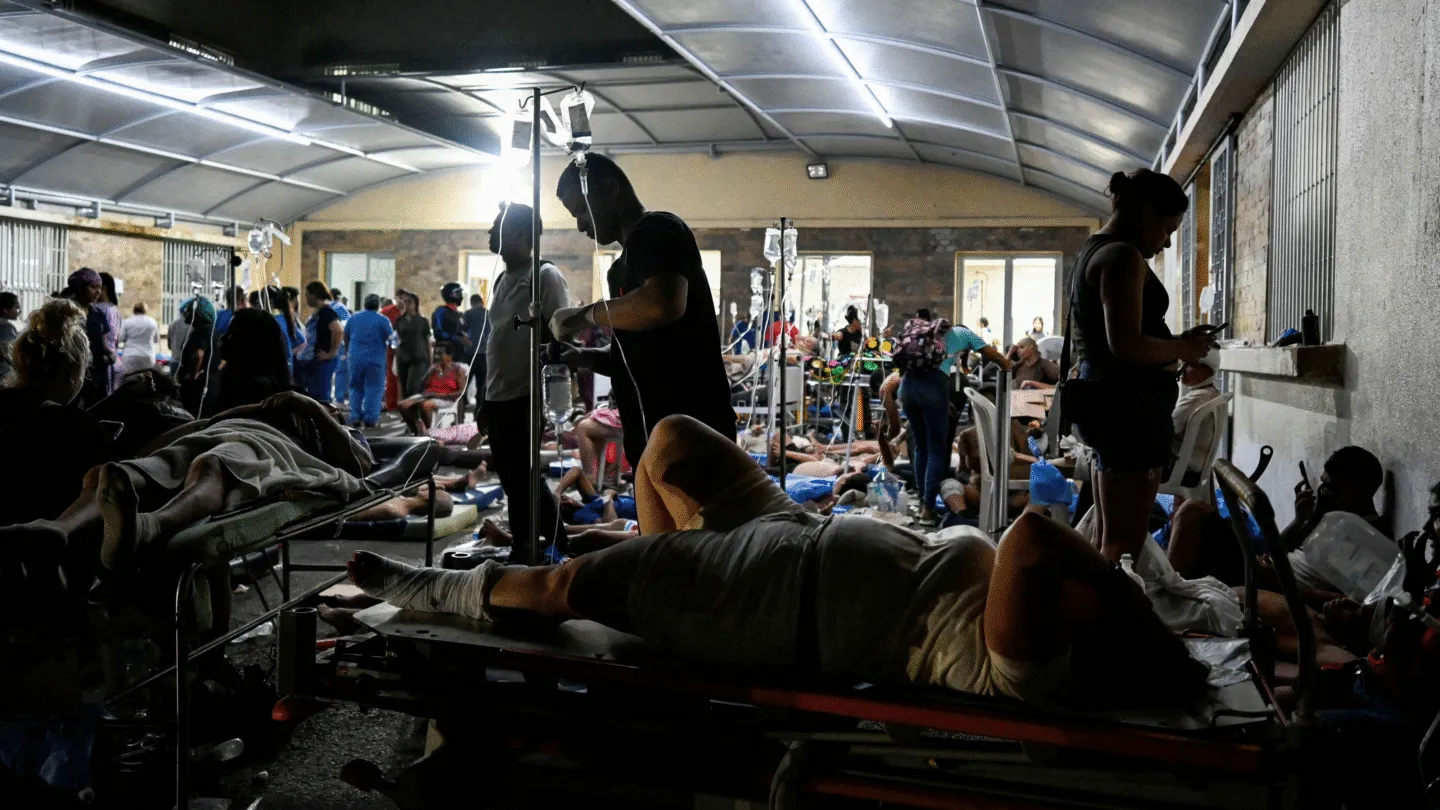
“Around the world, health workers are on the frontlines healing their neighbors and protecting us all. By mitigating health risks, managing disease outbreaks, and responding to crises – health workers defend communities near and far. However, with nearly half the world lacking access to critical health services and a projected shortfall of 11 million health workers by 2030, the need for well-trained and supported frontline health workers is urgent,” said Jed Meline, Project HOPE’s Vice President of Policy and Advocacy. “The SECURE Health Act provides the U.S. with a government-wide global health workforce strategy ensuring the U.S. investment in health workers provides as much protection as possible.”
“I’m a nurse practitioner by trade, and supporting legislation that expands access to quality and efficient medical care remains one of my top priorities in Congress. As it stands today, nearly half of the world’s population still lacks access to reliable, critical health services. If our country wants to remain a force for good in this world, we must do more to strengthen our global health workforce to improve health outcomes and ensure available healthcare related humanitarian assistance internationally,” said co-lead sponsor, Representative Jen Kiggans (R-VA). “The SECURE Health Act addresses this issue by directly coordinating with the President of the United States and relevant Federal departments to support training, protection, payment, and expansion of the global health workforce. This will establish a 5-year strategy to identify areas that are lacking support, while properly utilizing the resources we already have.”
U.S. leadership and investments in global health have resulted in remarkable progress over the decades: a 60% reduction in child mortality and 38% reduction in maternal mortality from 1990 to 2020, a 31% decline in new HIV infections from 2010 to 2020, and a 38% decrease in malaria-related deaths from 2000 to 2019. Studies show that investments in health workers provide up to 900% economic return. Investing in frontline health workers strengthens global health security by enabling earlier detection and response to disease outbreaks — reducing the risk of pandemics that threaten U.S. safety and economic stability.
“Democratic and Republican administrations have long understood that investing in the global health workforce helps build strong health systems that save lives and stop outbreaks before they spread and reach our shores. But to get the most from the resources we already commit, we need stronger planning, better coordination, and a clearer strategy across our government,” said co-lead sponsor Representative Dr. Ami Bera (D-CA). “The bipartisan SECURE Health Act is a smart step forward that will make our investments in frontline health workers more effective, sustainable, and better aligned with our public health and national security goals.”
The SECURE Health Act would:
- Support the expansion, training, payment, support, equipping, and protection of the frontline global health workforce to help address the global shortage of health workers
- Integrate health worker investments to reduce single-disease investments and improve efficiency
- Ensure sustainability of fair pay for health workers by requiring host country contributions and transitioning salary support to domestic financing
- Establish, implement, and regularly revise a measurable 5-year Global Health Workforce Strategy supporting health workers across all U.S. investments in health
- Establish a Global Health Workforce Coordinator and appoint an existing senior official to the role overseeing strategy implementation and resource allocation
- Create an Interagency Task Force to coordinate and oversee implementation and ensure alignment of global health investments across U.S. agencies
- Define annual reporting requirements and support a biannual independent global report on Global Health Workforce funding, training, salaries, employment, and protection
The full text of the resolution is available here.
The resolution is endorsed by:
- Frontline Health Workers Coalition
- Accelerate Global, LLC
- Advancing Synergy
- American Society of Tropical Medicine and Hygiene
- Association For Promotion Sustainable Development
- AVAC
- CARE
- Catholic Medical Mission Board
- Community Health Impact Coalition
- CORE Group
- Elizabeth Glaser Pediatric AIDS Foundation (EGPAF)
- FHI 360
- Friends of the Global Fight Against AIDS, Tuberculosis and Malaria
- Fund for Global Health
- Global Health Council
- Global Network et Black People Working in HIV
- Greenlight Initiative Foundation Ghana
- Housing Works, Inc.
- Medical IMPACT
- North Carolina Global Health Alliance
- Operation Smile
- PAI
- Project HOPE
- Resolve To Save Lives
- Save the Children
- Shot@Life
- Training for Health Equity Network: THEnet
- Treatment Action Group
- UNICEF USA
- United to Beat Malaria
- World Vision