Earthquakes in Venezuela: How to Help
Project HOPE is in Venezuela responding to the deadly earthquakes that struck outside Caracas. Learn more about our response and how you can help.
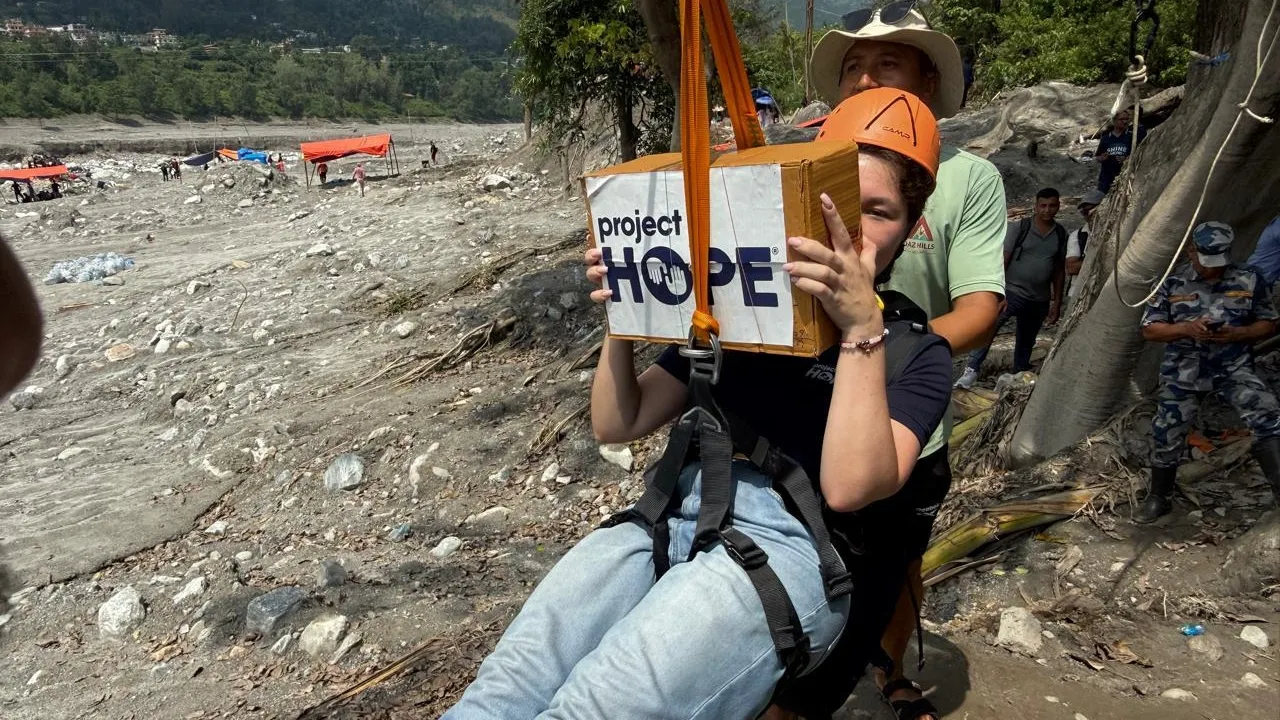
Project HOPE is responding to urgent health and humanitarian needs in Venezuela after devastating earthquakes. Our teams are operating mobile medical units, and local health workers are working to treat patients and deliver psychological first aid.
Thousands of families remain displaced, while damaged health facilities, disrupted services, and ongoing infectious disease risks continue to affect communities working to recover. Read on to learn more about how you can help.
- Read our latest Situation Report
- How you can help
- What are the greatest needs?
- Our history in Venezuela
- Project HOPE in the news
What you need to know in Venezuela
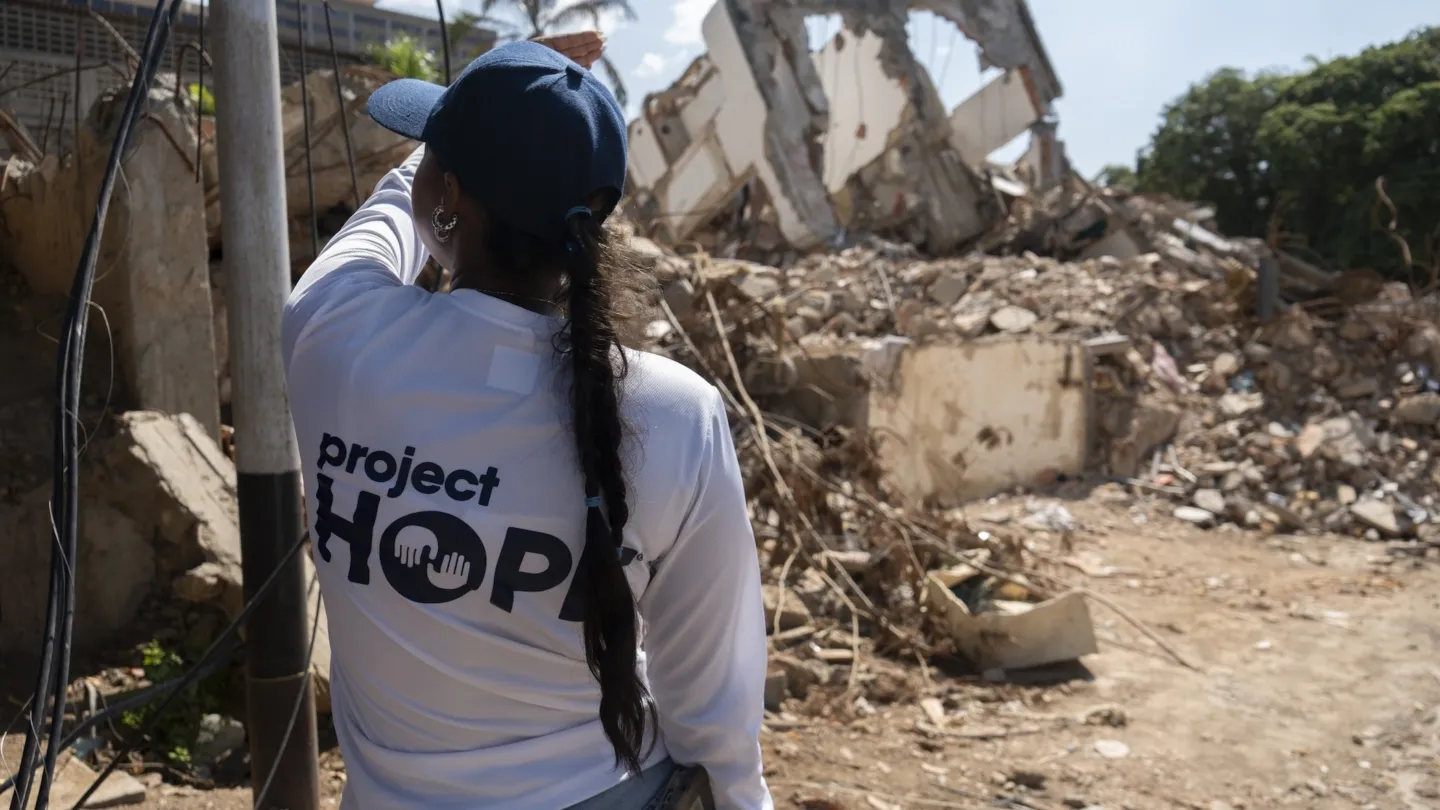
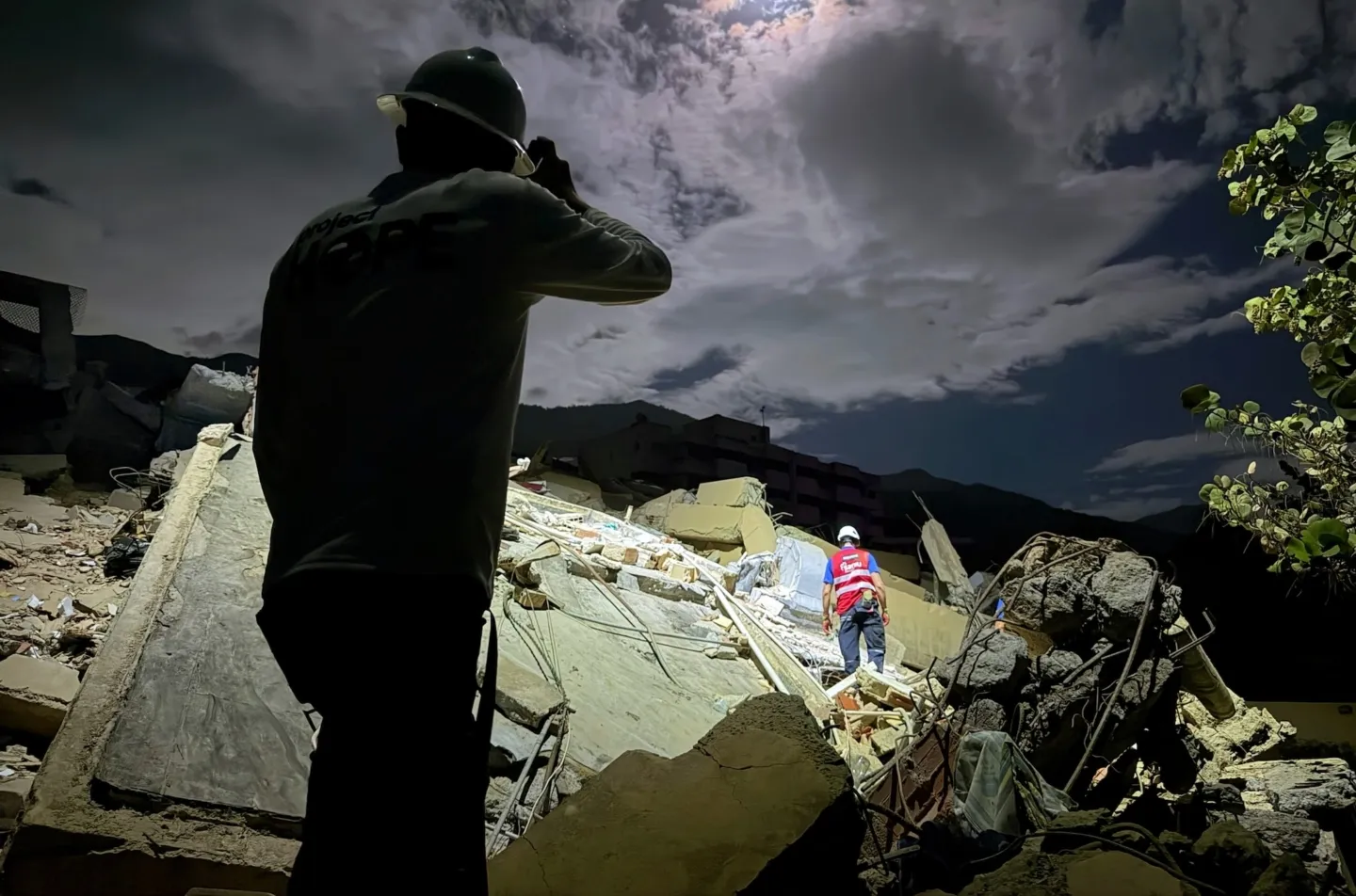
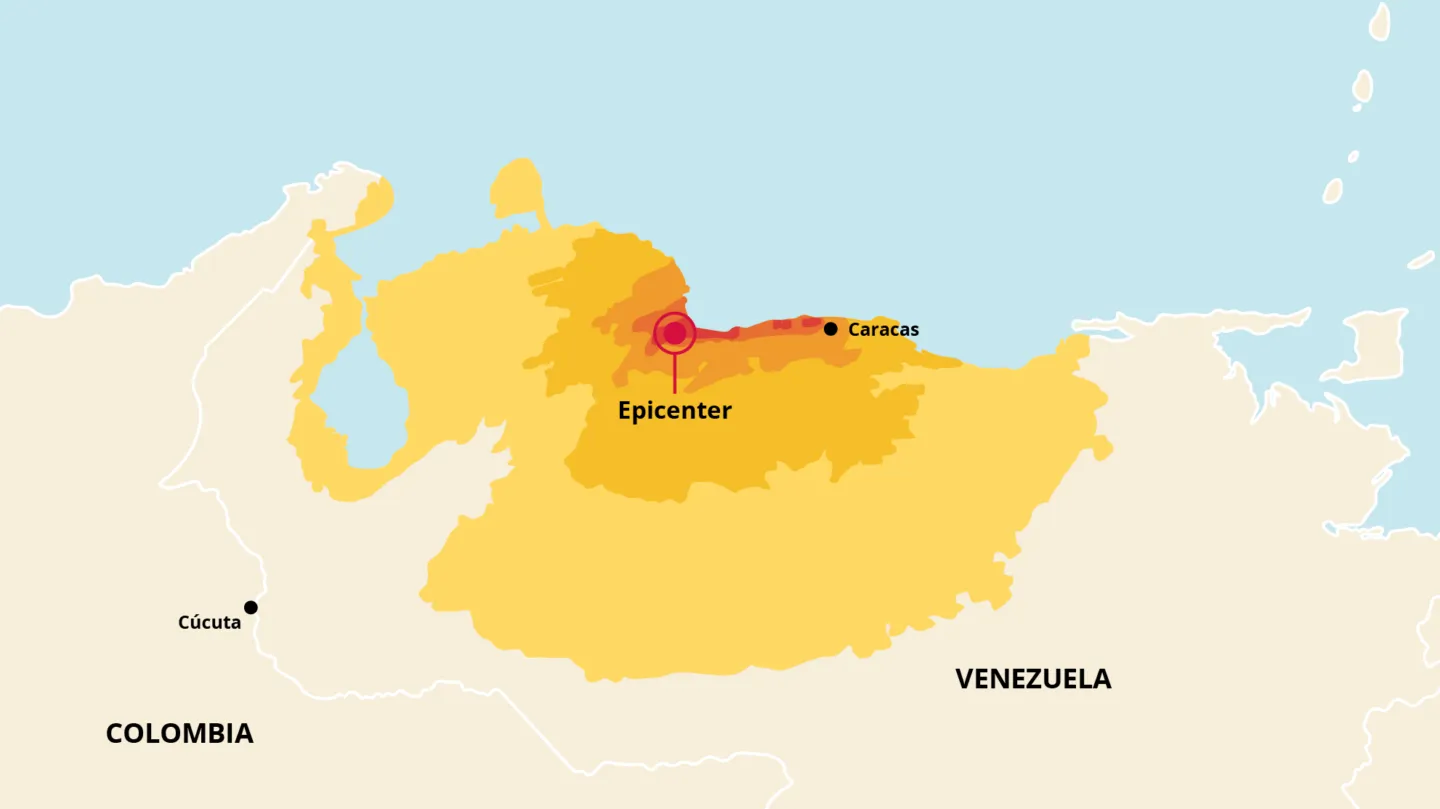
On the evening of June 24, 2026, two deadly back-to-back 7.2 and 7.5 magnitude earthquakes struck Venezuela near San Felipe, outside Caracas. The second earthquake was the biggest to hit Venezuela in over a century and more than 1,500 aftershocks have continued to terrorize survivors.
More than 6,400 people were killed and at least 16,700 injured. The extent of the damage is widespread, with at least 190 collapsed buildings, NASA estimating 59,000 buildings damaged, and significant impacts on critical infrastructure. Up to 6.8 million people have been affected by the earthquakes.
How has Project HOPE responded?
• Emergency Medical Personnel
• Medicines and Medical Supplies
• Hygiene Kits
• Psychological First Aid
• Mobile Medical Units
• K-9 Search and Rescue Team
How is Project HOPE responding to the earthquakes in Venezuela?
With more than 100 local staff already in Venezuela, Project HOPE started responding just hours after the first earthquake and mobilized emergency response teams to meet the most urgent health and humanitarian needs.
Within 48 hours, Project HOPE completed a rapid needs assessment across heavily impacted areas, identifying critical gaps in the local health system that our teams are working quickly to fill so that health workers and their communities have what they need.
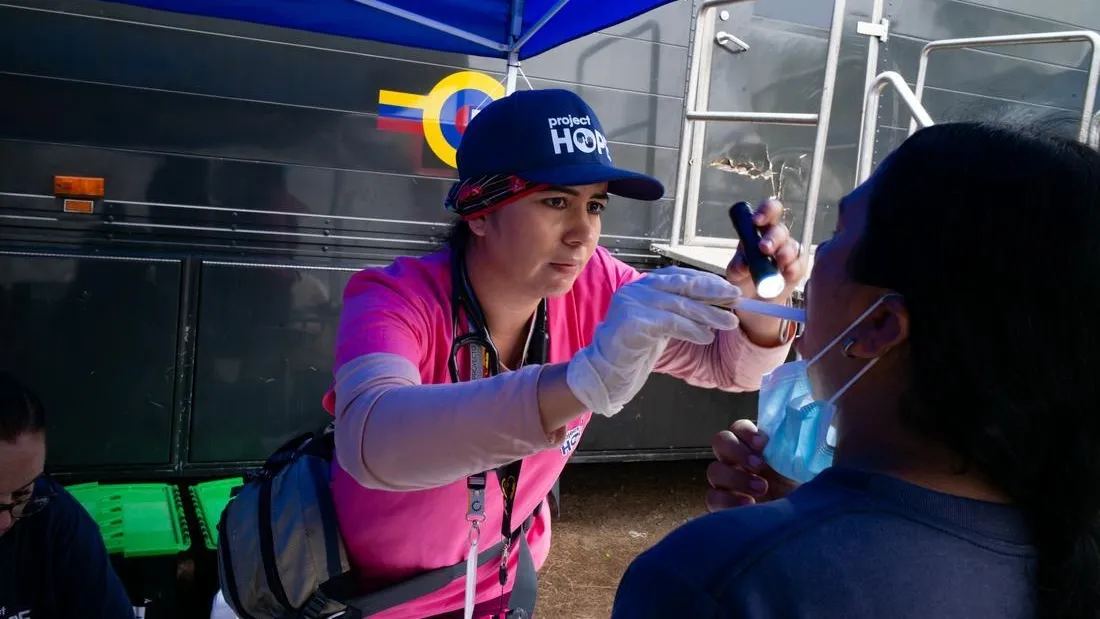
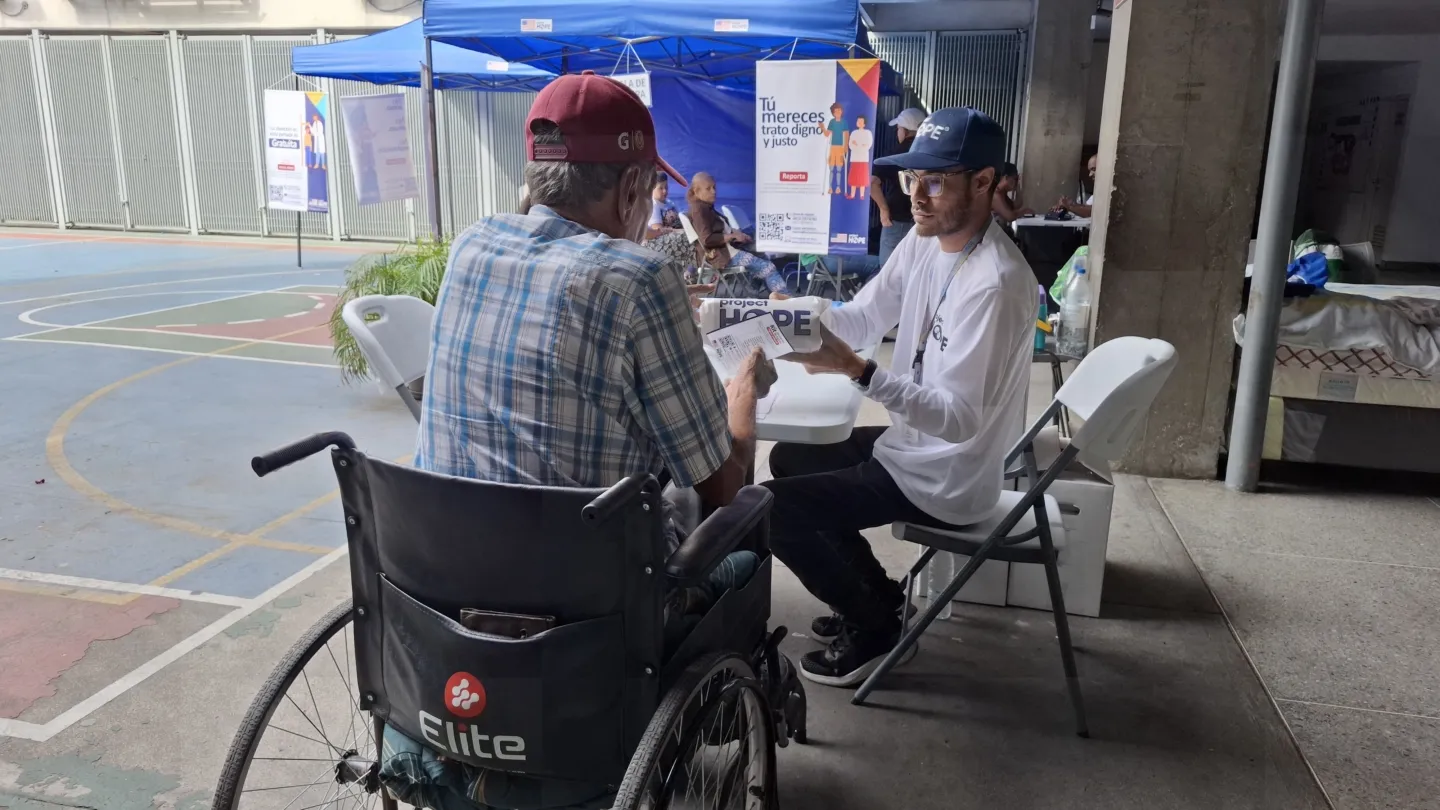
Project HOPE is now operating 12 mobile medical units and supporting 15 health centers across Distrito Capital, Miranda, and La Guaira, providing more than 25,000 medical consultations since the beginning of the response. Our teams are helping ensure earthquake survivors and people in vulnerable positions have access to primary healthcare, maternal healthcare, and other urgently needed health services. They are actively treating patients for dehydration, upper respiratory infections, diarrhea, hypertension, asthma, urinary tract infections, and skin conditions, alongside acute earthquake-related injuries.
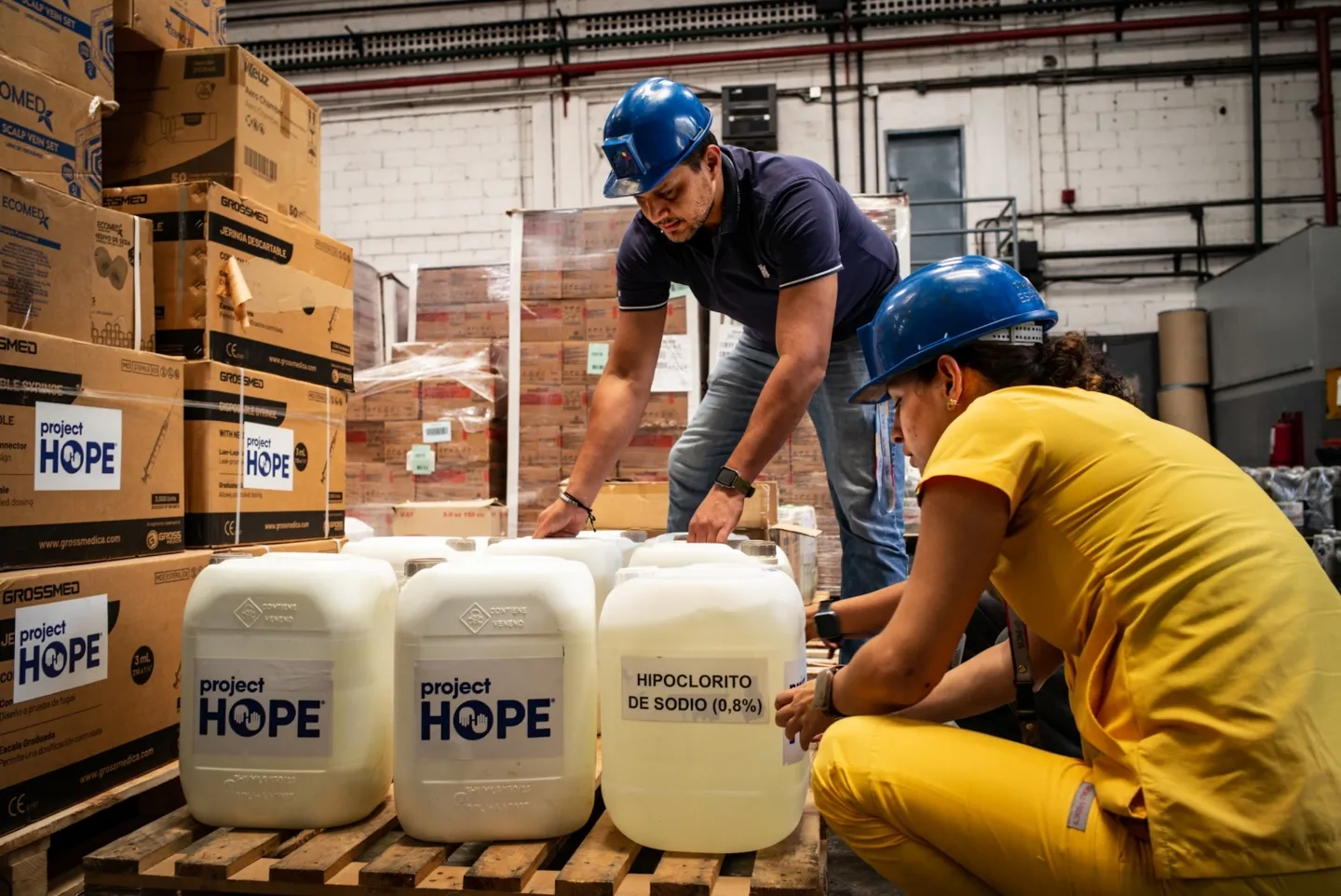
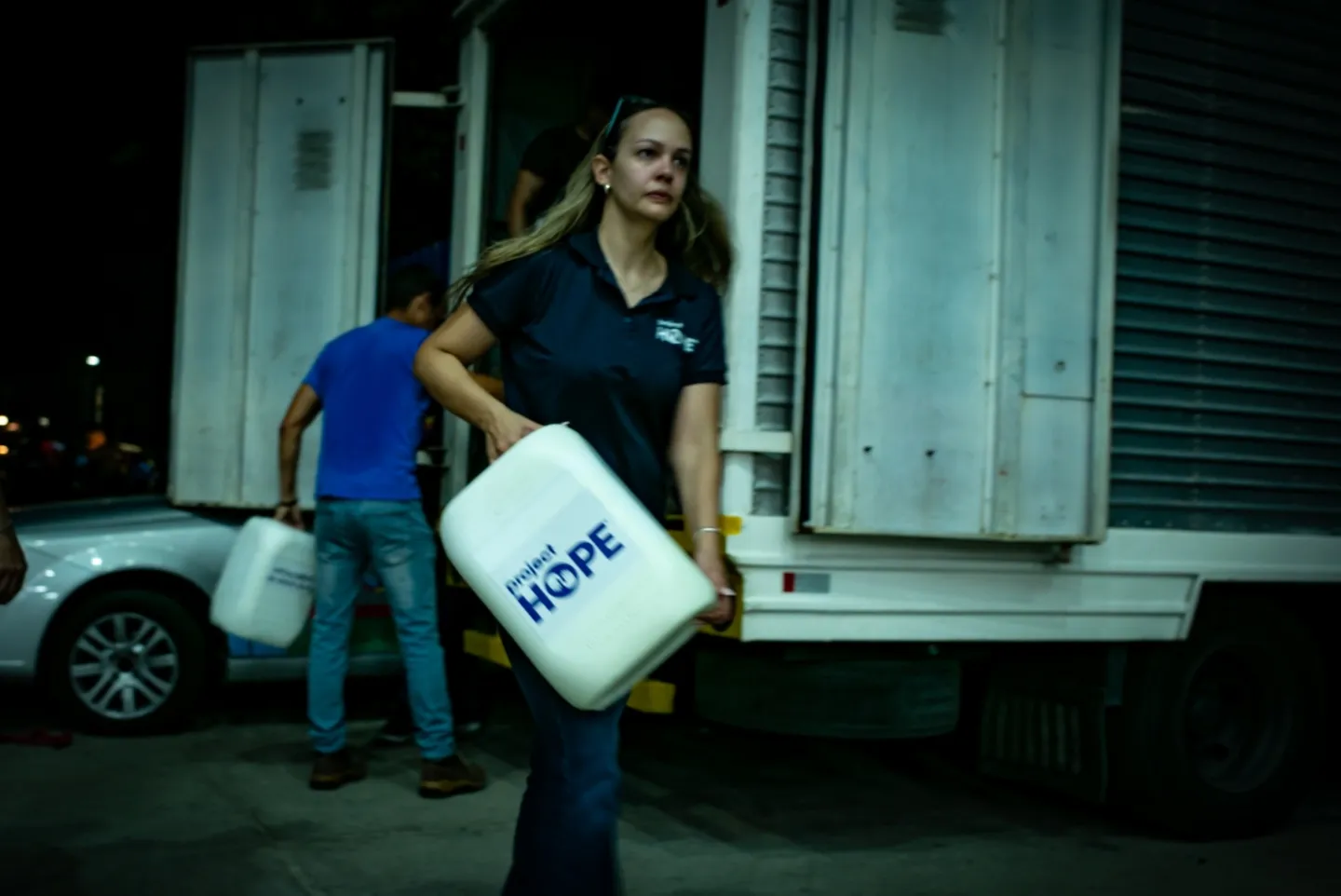
Project HOPE is also providing critical medicines, medical supplies, equipment, and infection prevention and control supplies to health workers, while distributing clean water, family hygiene kits, water purification tablets, and cleaning supplies to affected communities. More than 23,300 hygiene kits have been distributed, and 176,000 liters of clean water have been delivered through water trucking services.
We are also providing mental health support for patients and families at health centers and via telehealth, supporting survivors experiencing acute stress, grief, and trauma.
“More than anything, they need a sense of peace because they are deeply distressed and experiencing a lot of anxiety… They are going through grief, navigating emotional processes triggered after the crisis. Those are their primary needs: they want peace of mind, they want to be heard, they want tranquility, and they need someone to validate that what they are experiencing is normal.”
– María, Project HOPE Community Outreach Worker
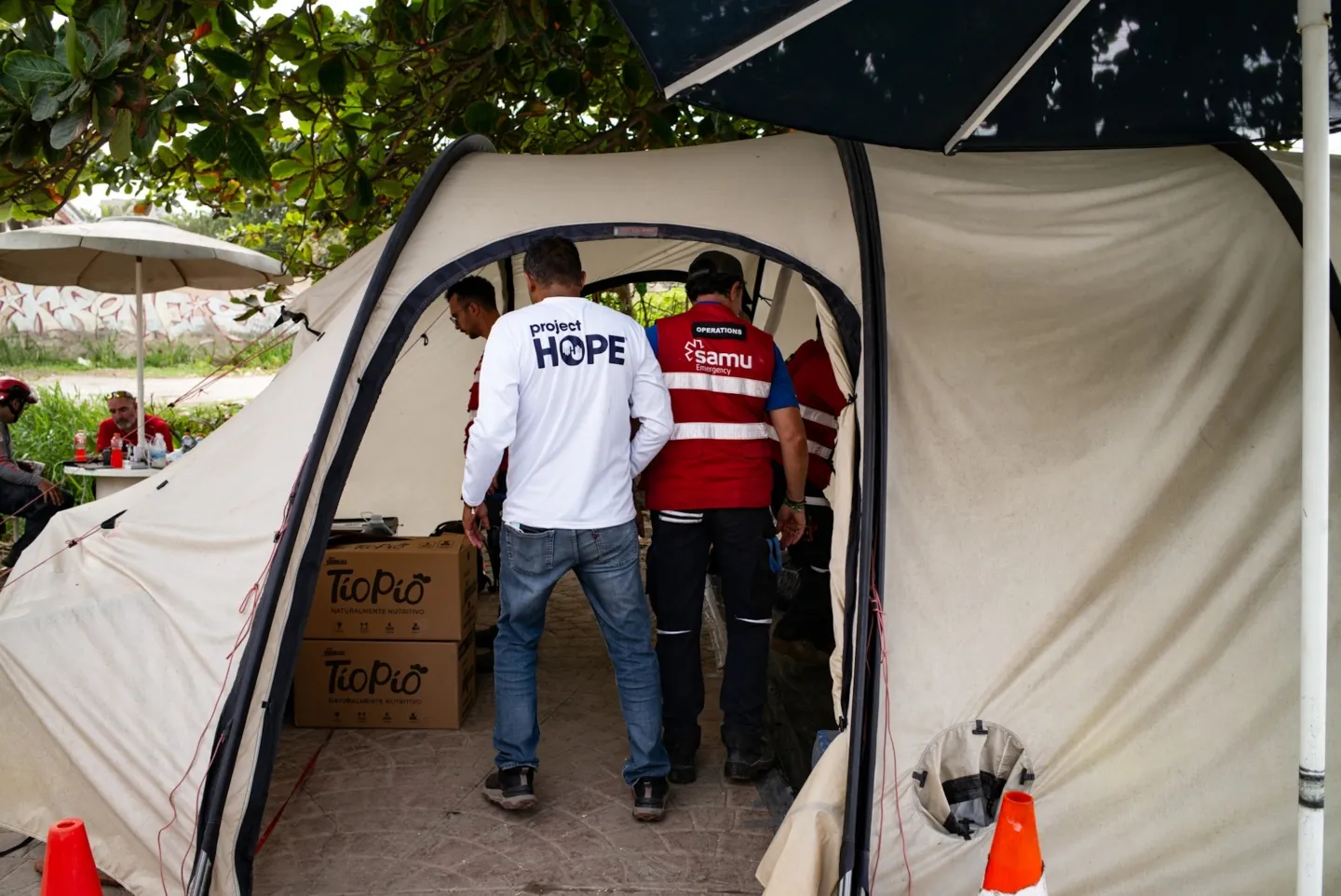
With our long-time partners, SAMU, Project HOPE previously supported search-and-rescue operations with a K-9 team and emergency medical personnel. The team worked around the clock to search rubble, clear debris, and support medical needs in the first days and weeks after the earthquakes.
What are the greatest needs following the earthquakes in Venezuela?
Prior to the Caracas earthquakes, nearly 8 million people in Venezuela — more than a quarter of the population — already needed humanitarian support. This disaster has compounded a complex humanitarian and economic crisis, making immediate support essential as families try to stabilize and meet their basic needs.
In the days after the earthquakes, Project HOPE’s rapid needs assessment across health facilities in heavily impacted areas found that 64% of surveyed health facilities were forced to suspend some services, while 36% reported dealing with out-of-service emergency areas and 29% had non-operational cold chain equipment, limiting access to essential lifesaving medicines, including insulin.
Local health workers reported that 57% of facilities lost power, the same amount lost access to clean, running water, and all health facilities we surveyed reported some degree of structural damage. Critically, 43% of facilities lack staff trained in psychological first aid and 71% of health centers surveyed were in need of medications like antibiotics, respiratory drugs, IV fluids, and more. Project HOPE’s priority remains supporting families displaced by the earthquakes while helping stabilize the health system so people can continue accessing essential, lifesaving healthcare.
Many people in Venezuela continue to face barriers in accessing clean water, sanitation, and hygiene services, and essential supplies like hygiene and personal care items. Damaged water and sanitation infrastructure has significantly increased the risk of cholera, typhoid fever, hepatitis A, and other waterborne diseases, while standing water and overcrowded living conditions have heightened the threat of mosquito-borne illnesses such as dengue, Zika, and Chikungunya. Health facilities also urgently need infection prevention and control supplies and support to safely care for patients.
As communities continue the long process of recovery, many people continue to cope with displacement, uncertainty, and the psychological effects of the disaster. Civilians report being terrified of the threat of future earthquakes, and survivors need mental health support as they navigate destruction and the loss of homes, livelihoods, and loved ones.
What is Project HOPE’s history in Venezuela?
Project HOPE has been providing critical health and humanitarian assistance inside Venezuela since 2019, reaching communities with critical assistance and conducting medical consultations.
“It’s all pretty intense. Especially as humanitarian workers who witness crises in other places up close, I believe nothing prepares you to experience one in your own homeland. I’m fine and the team is fine. There is nothing left to do but move forward. It’s really tough. Everything here takes a thousand times more effort… I don’t know how we’re going to recover.”
– Project HOPE team member in Venezuela
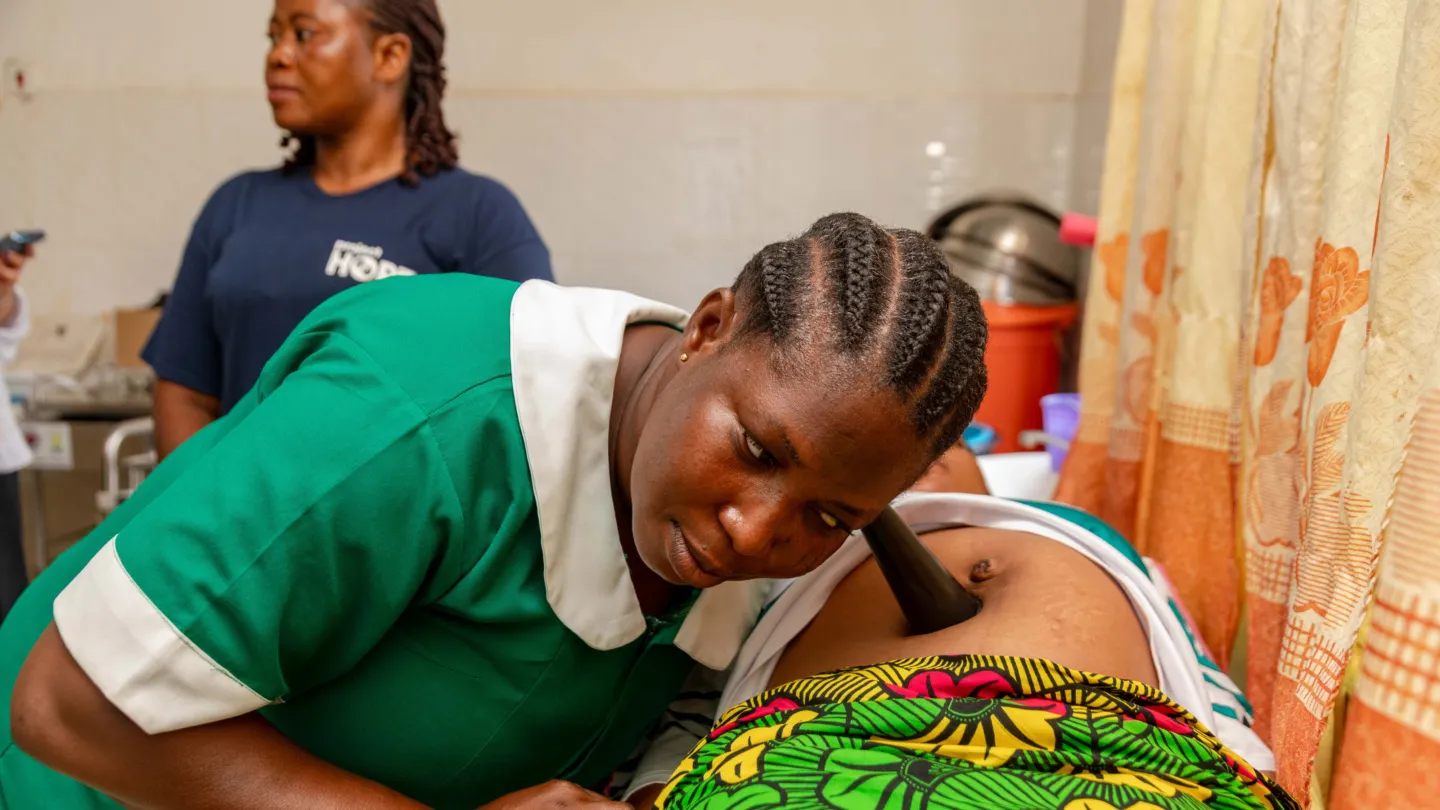
For years, Project HOPE has expanded access to primary healthcare, medicines, and health education while supporting local health workers and health facilities across Venezuela. We have also increased access to mental health and psychosocial support, strengthened water, sanitation, and hygiene (WASH) services in health facilities to help prevent the spread of infectious diseases, and provided nutrition support for pregnant women, new mothers, and newborns.
How you can help Venezuela
The earthquakes in Venezuela have displaced thousands of people and worsened a humanitarian catastrophe that impacts women, children, families, and entire communities made vulnerable by this crisis. If you want to help, here’s how you can get involved:
1. Make a lifesaving gift to support our work now and for the future.
2. Interested in an employee giving campaign for Venezuela? Please contact us — we are happy to help.
3. Stay up-to-date on this story and our lifesaving work around the world by following us on Facebook, Instagram, LinkedIn, and X/Twitter, and help spread the word about our response.
4. Fundraise for Venezuela by streaming on Tiltify to raise money for Project HOPE. If you’re a content creator, you can start a charity stream on Tiltify to Stream for HOPE and raise funds for Project HOPE’s mission. Tag us on social @projectHOPEorg to let us know about your charity stream so we can thank you!
Volunteering: At this time, we are not seeking volunteers to deploy to our response in Venezuela. This is an ongoing response and needs may change. We encourage interested parties to submit an application with our volunteer emergency response database and we will reach out if your specialty is requested.
This article was last updated on October 6, 2026.