5 Health Issues We’re Tackling in the United States
Project HOPE’s domestic program team and technical experts share the urgent issues we’re tackling in 2026 and beyond.
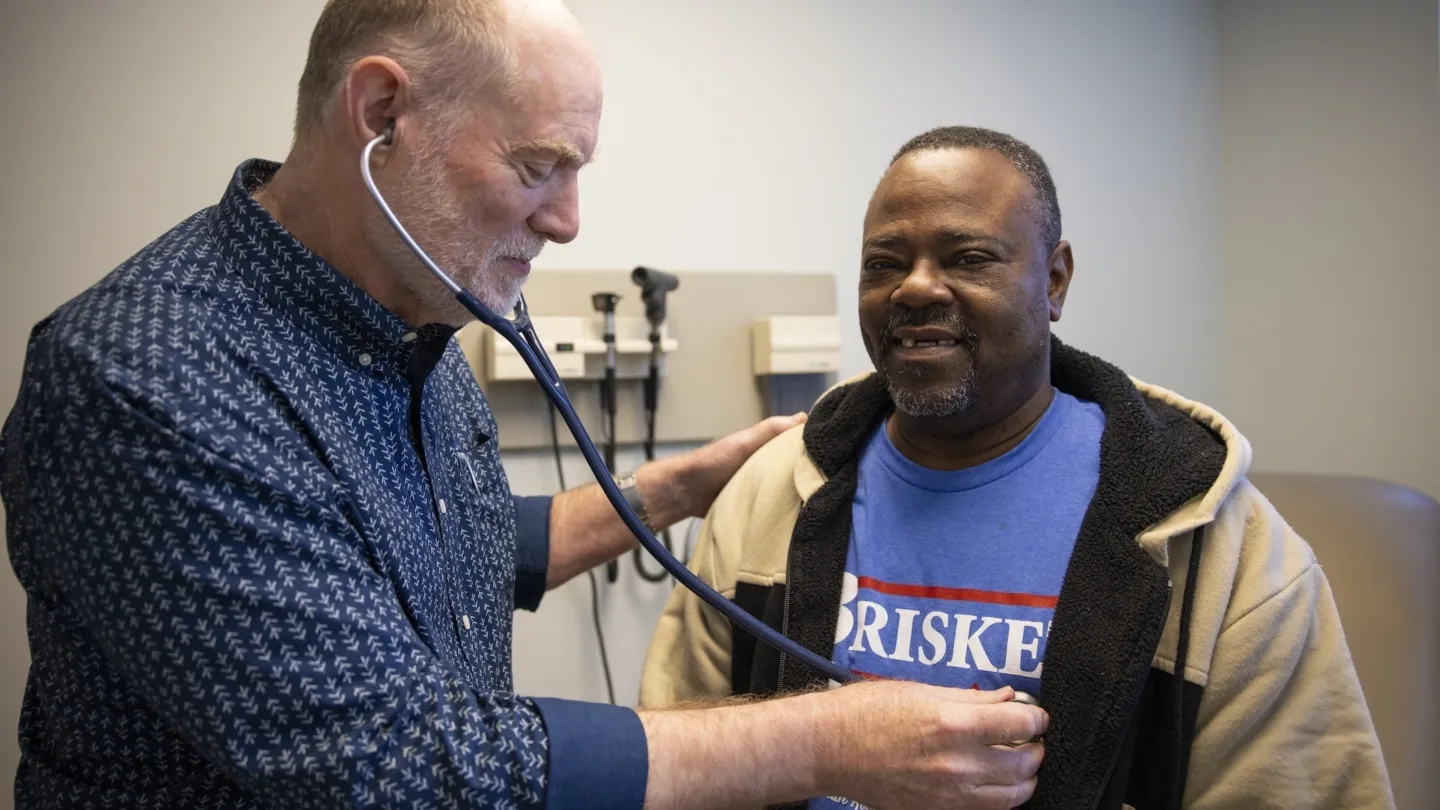
High-quality care remains out of reach for millions of people in the United States, despite having one of the most advanced health systems in the world. Communities across the country face persistent and evolving health challenges, including provider workforce shortages, barriers to accessing primary and specialty care, rising mental health needs, increasingly severe weather emergencies, and maternal health services that remain inaccessible for far too many pregnant and postpartum women.
Project HOPE’s global experience responding to health crises has shown us that the most effective solutions begin with investing in and supporting health workers on the front lines. Across the country, our team is focused on helping doctors, nurses, and other health professionals ensure continuity of care, improve community- and mobile-based healthcare delivery, and harness the power of community health workers (CHWs).
As we move through 2026 and prepare for the years to come, our domestic program experts are focused on five urgent health issues — and the solutions needed to address them.
1. Access to Healthcare in Underserved Communities
Anna Tate, MPH
Director, Domestic Programs
Across the United States, millions of people face steep barriers to accessing essential, and sometimes lifesaving, healthcare. A third of Americans report delaying or forgoing necessary care due to cost, and free and charitable clinics and community health centers continue to serve more patients year after year. Additionally, as health insurance premiums continue to rise, millions more Americans are at risk of losing coverage altogether, further widening gaps in access to care for low-income and underserved populations. But the challenges to healthcare access go beyond cost — geography, transportation, quality concerns, health worker burnout, and persistent workforce shortages all play a role.
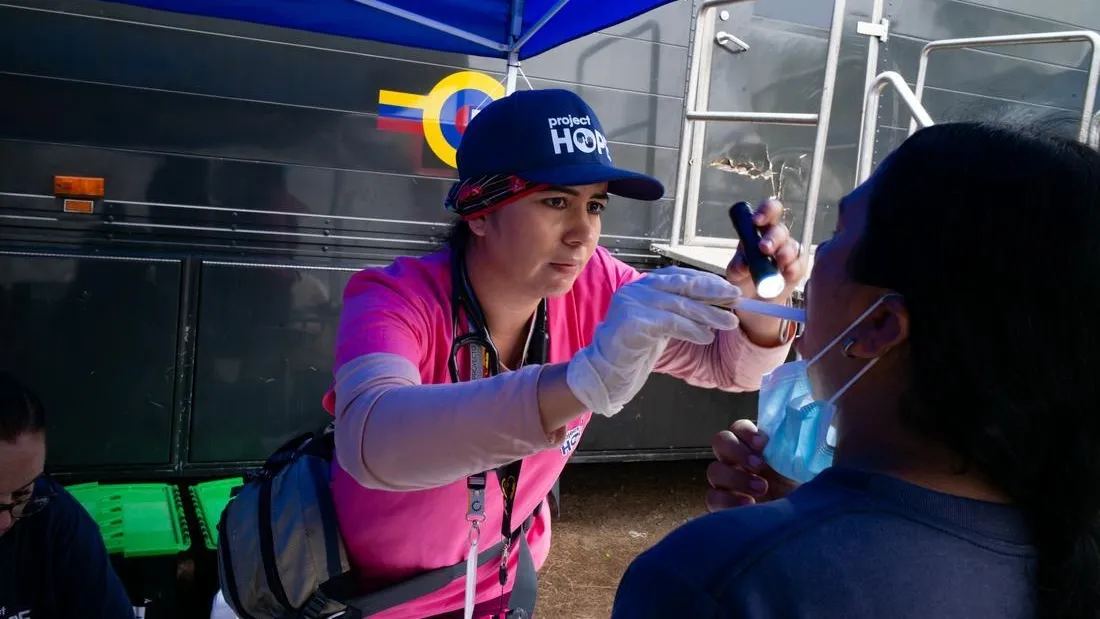
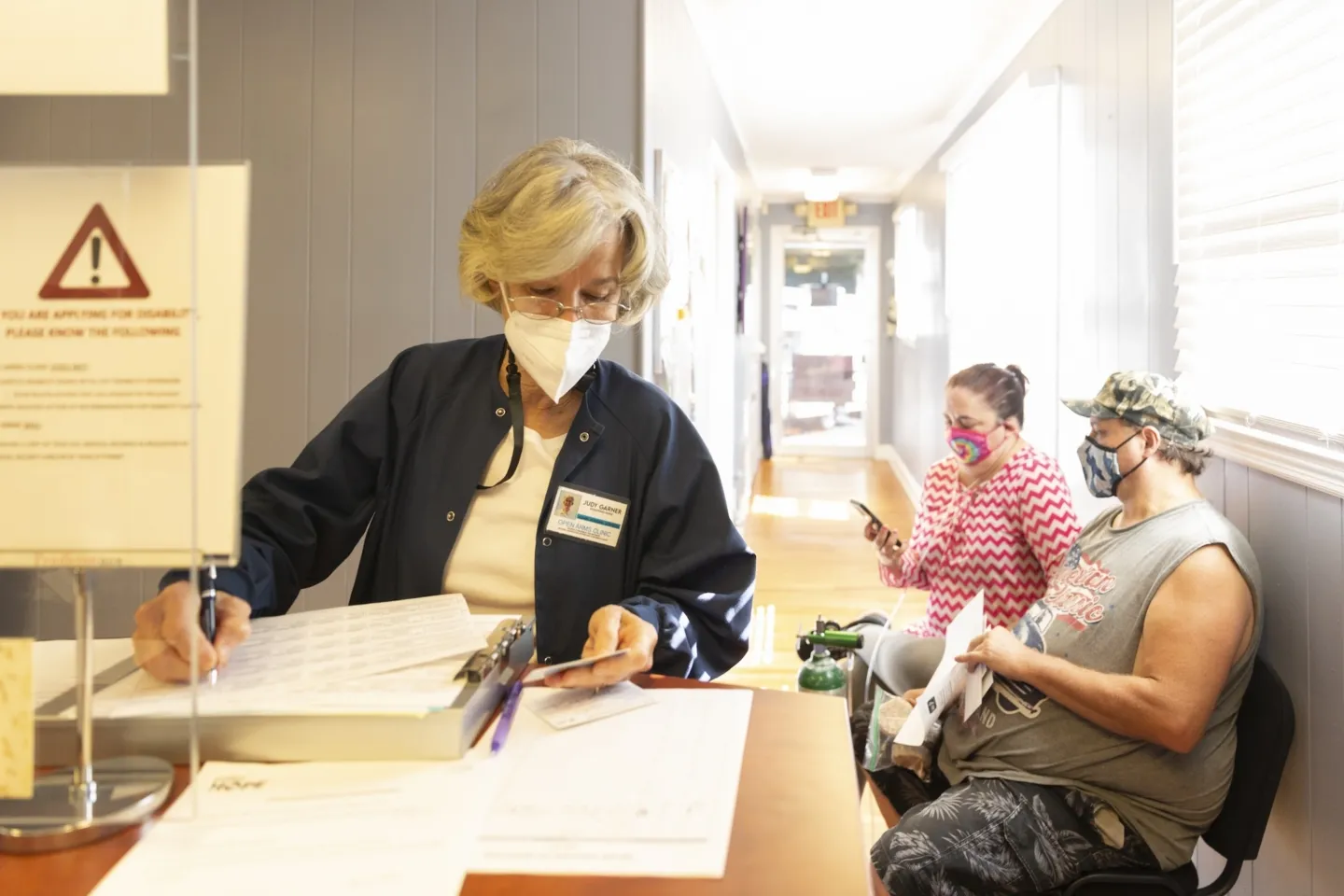
In rural and underserved communities, patients are often forced to delay or forgo care altogether, leading to worse outcomes for preventable and treatable conditions. Project HOPE works alongside free and charitable clinics, federally qualified health centers, and community health workers to expand community-based and mobile care delivery for uninsured and underinsured populations.
Through mobile clinics, screening programs, and partnerships with trusted local providers and CHWs, we have improved access to essential services like diabetes care and management, cancer screenings, vaccinations, and mental health support.
Looking ahead, we envision a future where no one is forced to go without care because of where they live or what they can afford.
2. Increasingly Severe Disasters and Emergencies
Anna Jackson, MDP
Program Manager, Domestic
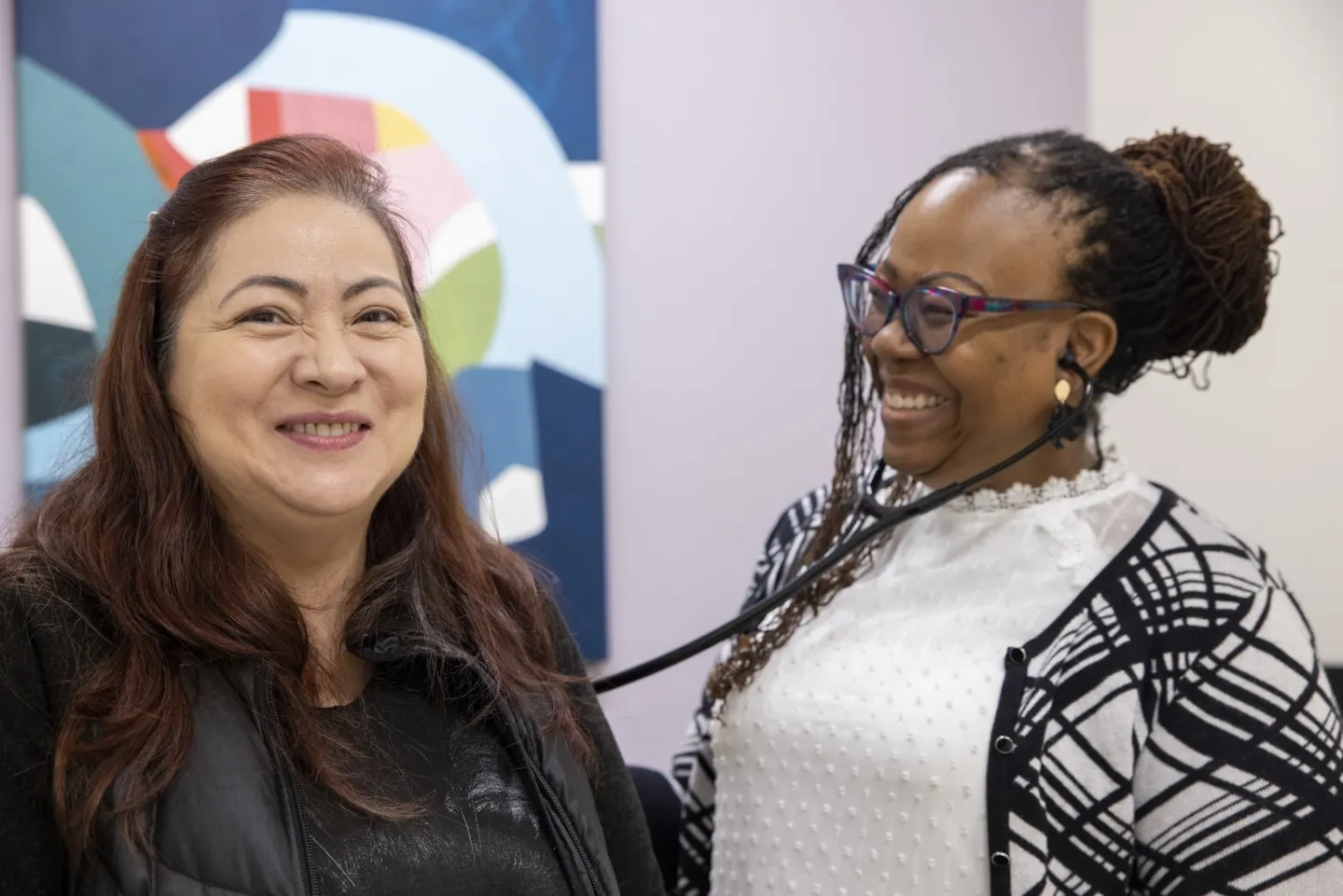
In recent years, communities across the U.S. have faced an unrelenting series of disasters, leaving lasting health, social, and economic consequences in their wake. As 2026 unfolds, the U.S. faces increasingly complex and severe disaster risks, with extreme heat driven by El Niño conditions, a projected record-breaking wildfire season, and the continued threat of hurricanes placing communities across the country at heightened risk. Yet despite these growing threats, nearly half of Americans don’t feel prepared for a disaster in their communities.
As it stands, millions of Americans are at risk of displacement and disruption to their local health systems as a direct result from a natural disaster. Local governments, health systems, and organizations serving populations in vulnerable positions must prepare now, before disaster strikes and lives are lost.
Millions of Americans are at risk of displacement and disruption to their local health systems as a direct result from a natural disaster.
Project HOPE has experience assisting communities across the full disaster cycle — from preparedness to response and long-term recovery. We prioritize supporting the frontline responders and health workers going above and beyond during times of crisis, so that the people who know their communities best have the support and resources they need.
As weather becomes more severe and disasters more common, communities will need tangible support, whether that means deploying emergency teams, delivering medical supplies, or training people on psychological first aid and mental health care.
3. Maternal, Newborn, and Child Healthcare Gaps
Kristin Anderson, MSN, RN
Program Officer, Americas
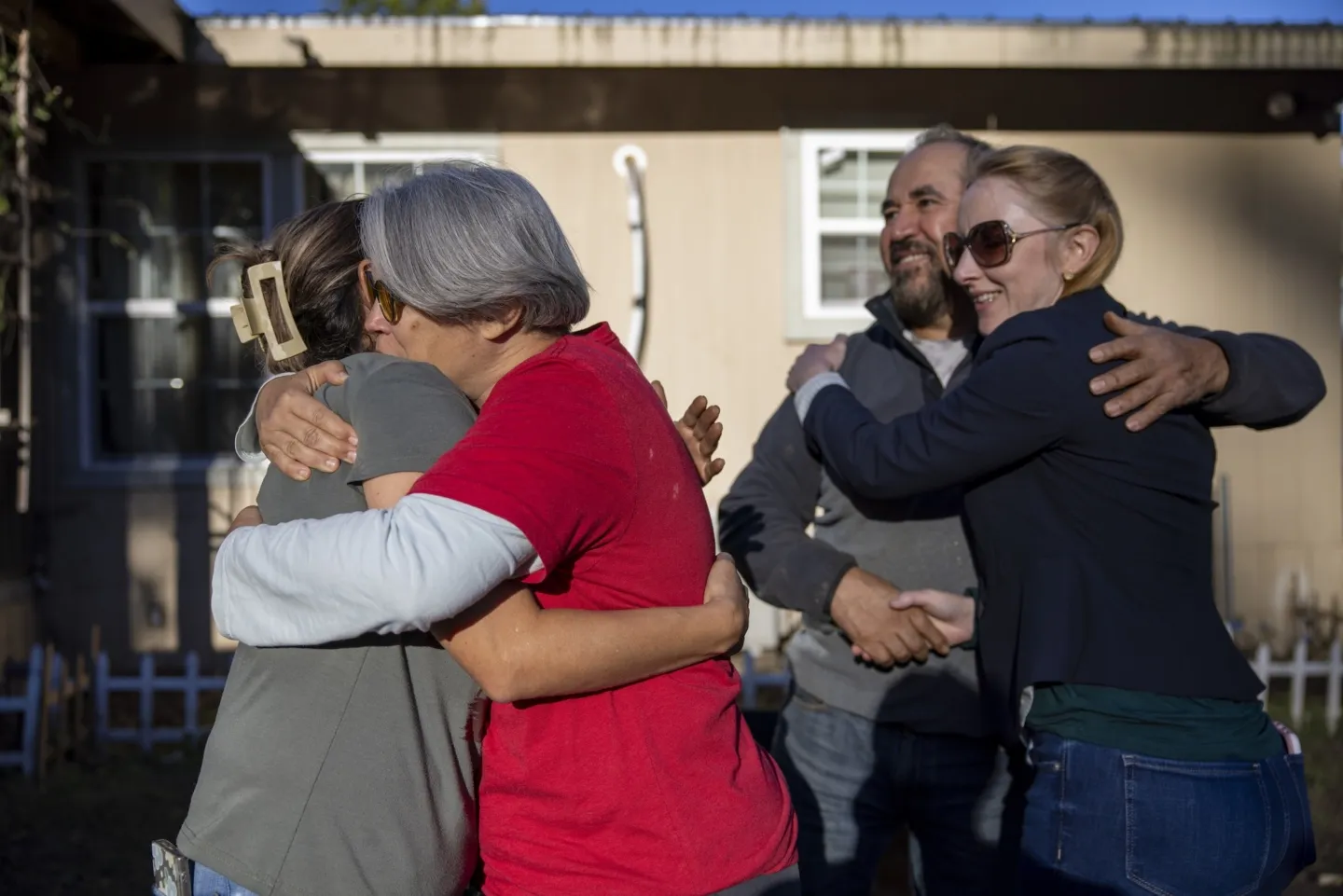
Health systems across the United States continue to face challenges delivering adequate maternal and child healthcare services to all who need it. Provider shortages, maternity care deserts, transportation barriers, and workforce constraints disproportionately affect pregnant women, new mothers, infants, and children, particularly in rural and historically underserved communities, but the gaps in access to quality care are solvable.
Evidence demonstrates that community, mobile, and culturally responsive healthcare models can effectively connect underserved populations to essential maternal, newborn, and child health services, improve outcomes, and reduce disparities.
Across the United States, families face persistent barriers to care. Whether in rural communities, remote regions, or underserved urban neighborhoods, health systems need targeted support to ensure that families have access to the essential care that saves the lives of pregnant women, new mothers, infants, and children every day. If we want healthier futures for the next generation, fewer preventable maternal deaths, and stronger communities, we must invest in proven solutions that bring care closer to where families live and work.
Project HOPE is working alongside local partners to strengthen care for mothers and children, including by increasing access to breastfeeding support groups and ensuring that health workers in under-resourced communities have access to the training, equipment, and resources they need.
4. Surging Mental Health Needs
Anna Jackson, MDP
Program Manager, Domestic
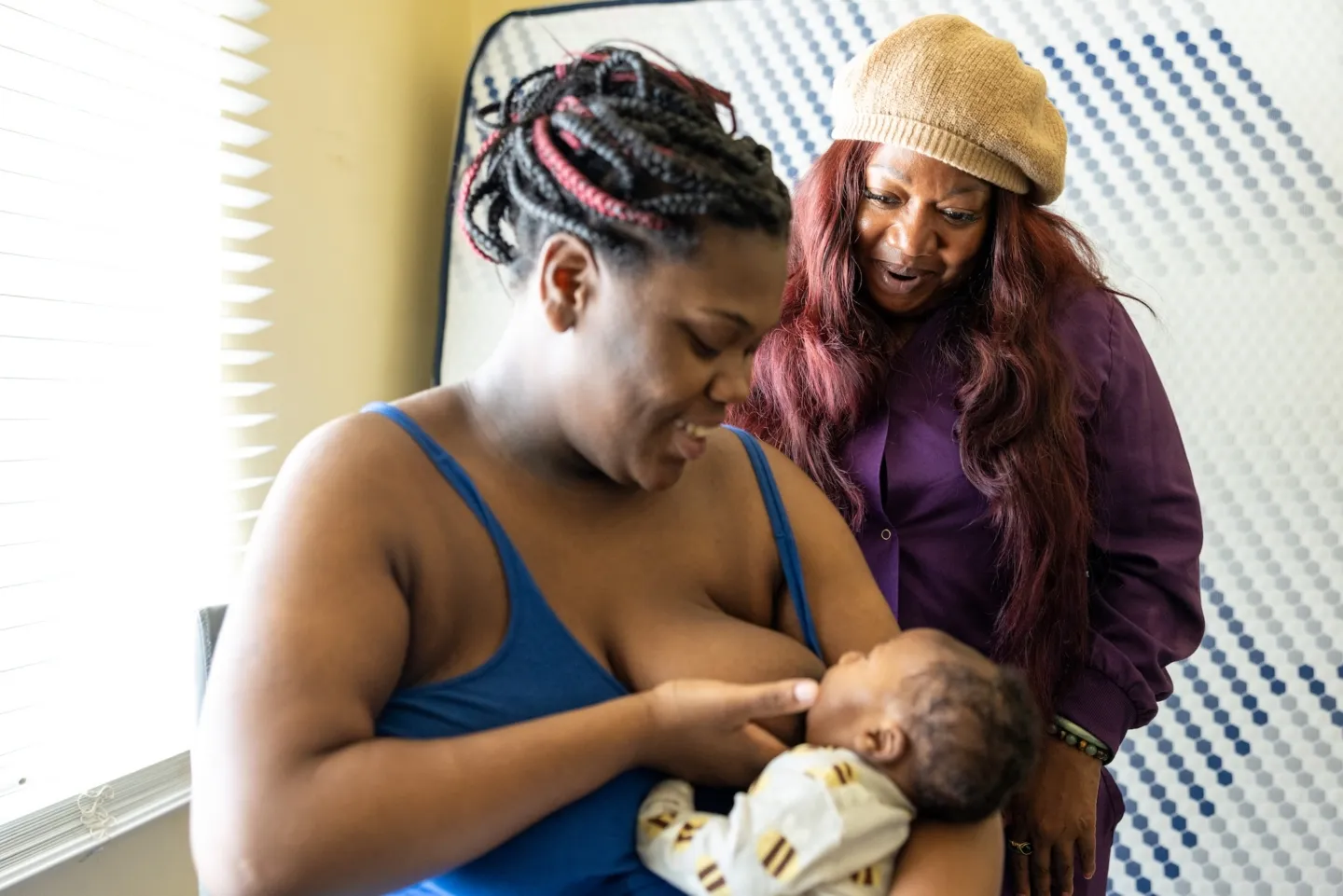
1 in 5 Americans live with a mental health condition and 1 in 3 children between the ages of 12 and 17 report facing mental health issues like depression, anxiety, post-traumatic stress disorder, or other behavioral and developmental problems each year. Mental health needs are surging, and local health and social service systems aren’t prepared to meet the needs of millions.
Many communities — particularly rural and underserved populations — lack sufficient mental health providers, leaving essential, lifesaving care out of reach of far too many people in the United States. And even when services are available, high out-of-pocket costs, inadequate insurance coverage, and other financial barriers often prevent individuals and families from accessing the care they need.
Project HOPE is responding by expanding access to mental health support through the training of frontline workers and the integration of mental health services into community-based settings and broader health programs. In Los Angeles, for example, Project HOPE delivered psychosocial support and arts-based healing programming across wildfire-affected communities. Innovative approaches like these, including community-based and arts-driven interventions, can help create accessible, stigma-free entry points for care.
Art therapy and music therapy can help stabilize participants, allow people to recognize mental health needs, and equip them with effective coping skills without activating the fear, discomfort, and hesitance that prevents many from seeking care for mental health challenges.
As demand for this kind of care continues to grow, especially for children, expanding the mental health workforce and strengthening community-based support systems will be pivotal. Our focus is on building sustainable approaches that meet people where they are and connect them to needed care.
5. Preparedness for Biosecurity Threats and Disease Outbreak Response
Anna Tate, MPH
Director, Domestic Programs
A significant number of communities and health systems across the U.S. are under-resourced and underprepared to respond to infectious disease outbreaks and emerging biosecurity threats, including measles, Hantavirus, Mpox, novel influenza strains, and novel coronaviruses like SARS-CoV-2, the virus behind the COVID-19 pandemic.
We need to strengthen readiness at the community level by training health workers, improving disease surveillance, and promoting rapid response capabilities. CHWs and other frontline staff across health systems should play a key role in these efforts, as they can help identify risks early and effectively communicate between health systems and the communities they serve.
By training health workers and investing in preparedness today, we can ensure a faster, more effective, lifesaving response when the next threat arrives.
Project HOPE’s domestic team brings direct experience in infectious disease preparedness and response, including disease surveillance, community-level outbreak monitoring, and federal biosecurity strategy.
In partnership with the National Association of Free & Charitable Clinics and Moderna, Project HOPE has also supported free and charitable clinics in expanding access to COVID-19 vaccines — reaching 77 clinics across 29 states and supporting the administration of more than 6,000 vaccines to uninsured and underserved patients.
In a world where disease outbreaks can happen anywhere, at any time, and localized outbreaks can quickly spiral into pandemics, health systems in the U.S. cannot afford to be under-prepared for future biosecurity threats. By training health workers and investing in preparedness today, we can ensure a faster, more effective, lifesaving response when the next threat arrives.
Looking Ahead
The solutions to these challenges lie in strengthening community-based care, supporting frontline health workers, and ensuring continuity of care for those who need it most.
Project HOPE remains committed to advancing these efforts and is actively expanding community-based and mobile care models, strengthening infectious disease preparedness, and helping to improve community health workforce capacity across the United States.
We welcome collaboration with partners, local organizations, donors, and funders who share our commitment to health equity and community resilience.