Health Crisis Deepens in Venezuela as Facilities Face Shortages and Capacity Gaps
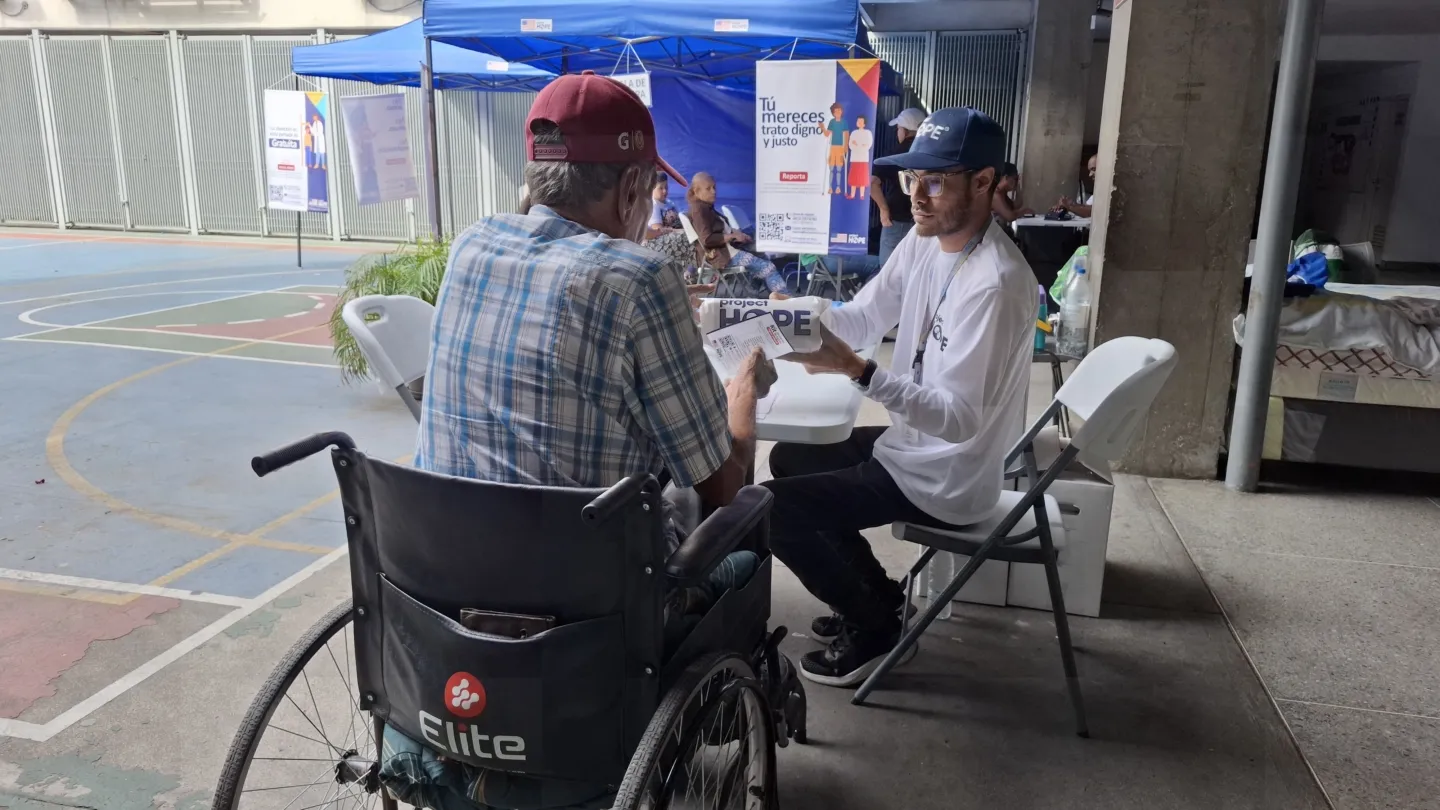
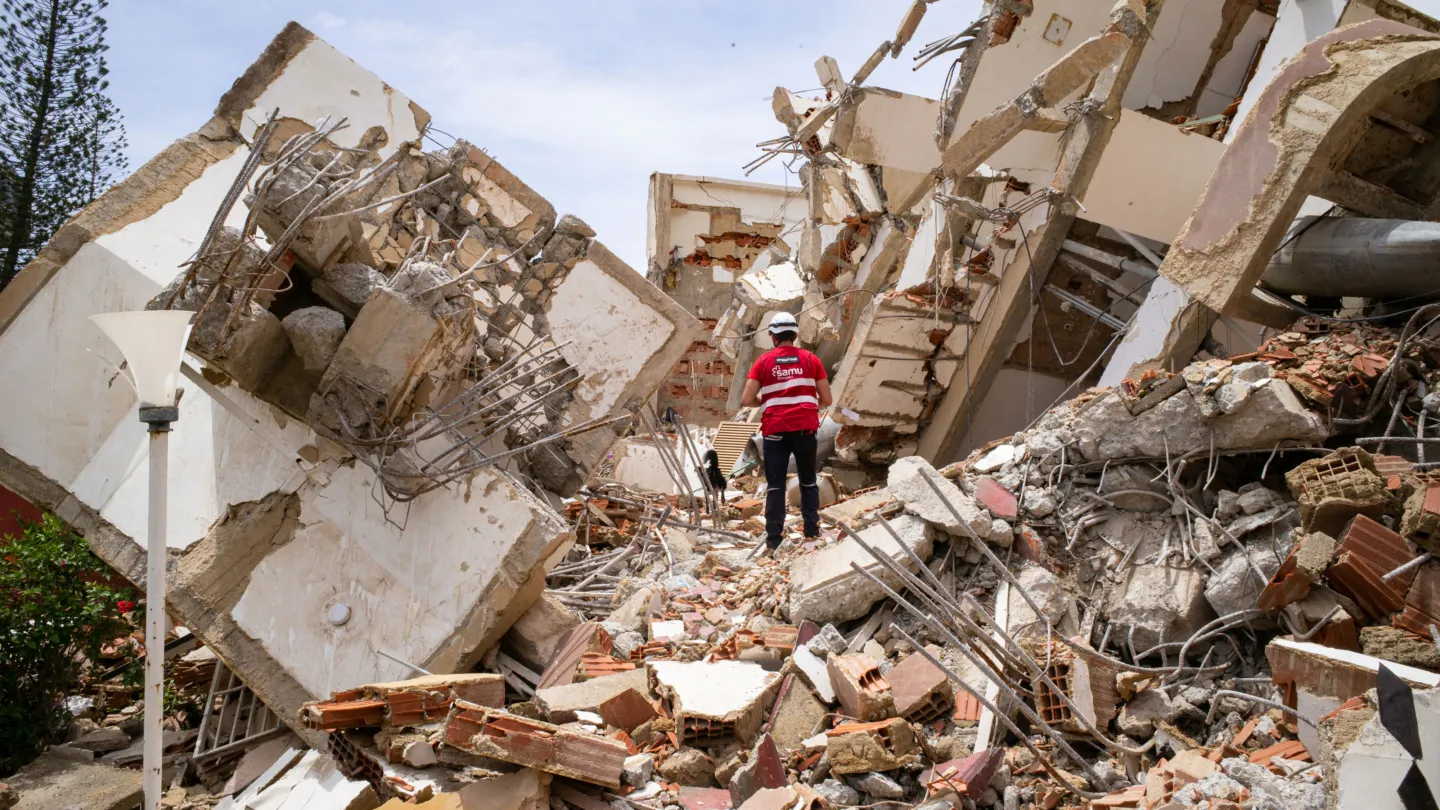
One month after major earthquakes devastated northern Venezuela, Project HOPE and its local subsidiary, Proyecto Esperanza, conducted a needs assessment that found damaged infrastructure and shortages of essential medicines are severely crippling the region’s healthcare system.
The assessment surveyed 12 health facilities and 160 households across Distrito Capital, Miranda, and La Guaira. While health facilities remain open and communities show a strong baseline knowledge of disease prevention, systemic supply failures and physical deterioration are hindering the delivery of healthcare.
“This emergency is just beginning. Health needs have shifted over the past month, but it is necessary to stay present, move into a stabilization phase, and prepare for the future reconstruction of the system,” said Carolina De Jesús, Project HOPE’s Country Lead in Venezuela. “The physical impact of the earthquakes affected a health system already struggling with pre-existing vulnerabilities. Doctors and nurses are working tirelessly, but without adequate electricity, running water, or essential medicines, treating routine illness and acute trauma will continue to be a challenge.”
Key assessment findings reveal severe gaps in emergency obstetric care, mental health and psychosocial support (MHPSS) services, water quality monitoring, handwashing infrastructure, and protection mechanisms:
- Shortages of Lifesaving Maternal Care Supplies: Essential medicines needed to treat pregnancy and obstetric emergencies are critically low, with average availability at just 12.7%, compromising the ability to respond to preeclampsia, eclampsia, and postpartum hemorrhage. While 81.8% of facilities report managing pregnancy complications, only 36.4% provide delivery services or have the capacity to manage obstetric emergencies, putting mothers and newborns at increased risk.
- Gaps in Disease Detection and Outbreak Response: None of the assessed facilities can manage malaria cases, and while 63.6% can treat dengue, fewer than one in five (18.2%) have rapid diagnostic tests available and only 36.4% of staff have had technical training needed to detect and respond to disease outbreaks.
- Limited Capacity to Treat Malnutrition: More than half (54.5%) of facilities screen for malnutrition, but only 36.4% can manage moderate acute malnutrition, and just 18.2% can treat severe cases, leaving vulnerable children and families with few options for care.
- Infrastructure Damage to Health Facilities: More than half (54.5%) of health facilities assessed showed damage to walls and other masonry elements, while some reported structural damage that may affect service delivery and patient safety.
- Lack of Specialized Protection Care: More than 81% of health facilities lack dedicated spaces to provide clinical care for survivors of sexual violence, and only 9.1% maintain programs that address violence and abuse.
- Unsafe Water Quality: Fewer than half (44.4%) of health facilities test water quality or use chlorination treatment, and less than half have maintained water storage tanks in the past year, increasing the risk of waterborne illness.
In response to the growing health needs, Project HOPE has rapidly expanded its health; water, sanitation, and hygiene (WASH); and MHPSS operations across northern Venezuela. Currently, Project HOPE operates eight mobile medical units to provide primary, maternal, and MHPSS care to affected communities, particularly displaced families living in temporary shelters and remote communities.
Alongside mobile operations, the team is providing direct clinical assistance and operational support to five health facilities in Distrito Capital and Miranda, with plans to extend this critical support to five additional clinics in La Guaira. To mitigate infectious disease risks and prevent secondary outbreaks in the community, Project HOPE ensures health facilities have access to clean water and also carries out emergency water trucking that delivers 10,000 liters of safe drinking water twice weekly to displacement shelters, while simultaneously distributing family hygiene kits and leading community hygiene promotion sessions. To help address anxiety and disaster-related stress, the response team has connected displaced residents and frontline healthcare workers with psychological first aid.
Access photos here. Read the full needs assessment report here.
Interviews are available upon request. For more information or to schedule an interview, please contact media@projecthope.org.