5 Hunger Emergencies You Should Know: United States
Hunger and nutrition challenges aren’t limited to countries with widespread food shortages. They exist in the U.S., too. Learn more about underreported hunger crises around the world, and how Project HOPE is helping strengthen nutrition and build healthier futures.
Around the world, some of the most serious hunger and nutrition crises rarely make international headlines.
And while hunger is often associated with a lack of food, the reality is more complex — shaped by conflict, climate shocks, displacement, poverty, and limited access to quality healthcare.
In this web series, we’re exploring often-overlooked hunger and nutrition crises, and how Project HOPE is working with local partners to strengthen health systems, expand nutrition services, and help communities build healthier, more resilient futures.
In the U.S., food insecurity is putting millions of families’ health at risk
In one of the wealthiest countries in the world, millions of families struggle to put nutritious food on the table. In 2024, roughly one in seven U.S. households experienced food insecurity, meaning they lacked consistent access to enough food for an active, healthy life.
And the problem is getting worse. A May 2026 survey found that more Americans are struggling to access food today than during the height of the COVID-19 pandemic. In another study, published this month, 34% of participants reported skipping meals or reducing portion sizes because of financial pressures in the past year, up seven percentage points from December 2025.
The consequences extend far beyond hunger. Without reliable access to nutritious food, people face greater health risks, particularly those managing chronic conditions. And when families are struggling to meet their most basic needs, preventive healthcare often takes a back seat to more immediate concerns.
Across the country, free and charitable clinics are seeing these challenges firsthand. Serving uninsured and underserved communities, these clinics care for people whose financial circumstances often force them to choose between meeting basic needs and seeking medical care.
“More and more people can’t afford to eat, or they are choosing rent over food,” says Kelley Baumann, clinic lead at Clínica Nuevas Raíces, a free and charitable clinic in Chicago. “At [the clinic], you see people from all walks of life and people who by appearance you may not guess that they are food insecure. They’re wearing suits, scrubs, uniforms. People are working but they still can’t make ends meet.”
“You see people from all walks of life and people who by appearance you may not guess that they are food insecure. They’re wearing suits, scrubs, uniforms. People are working but they still can’t make ends meet.”
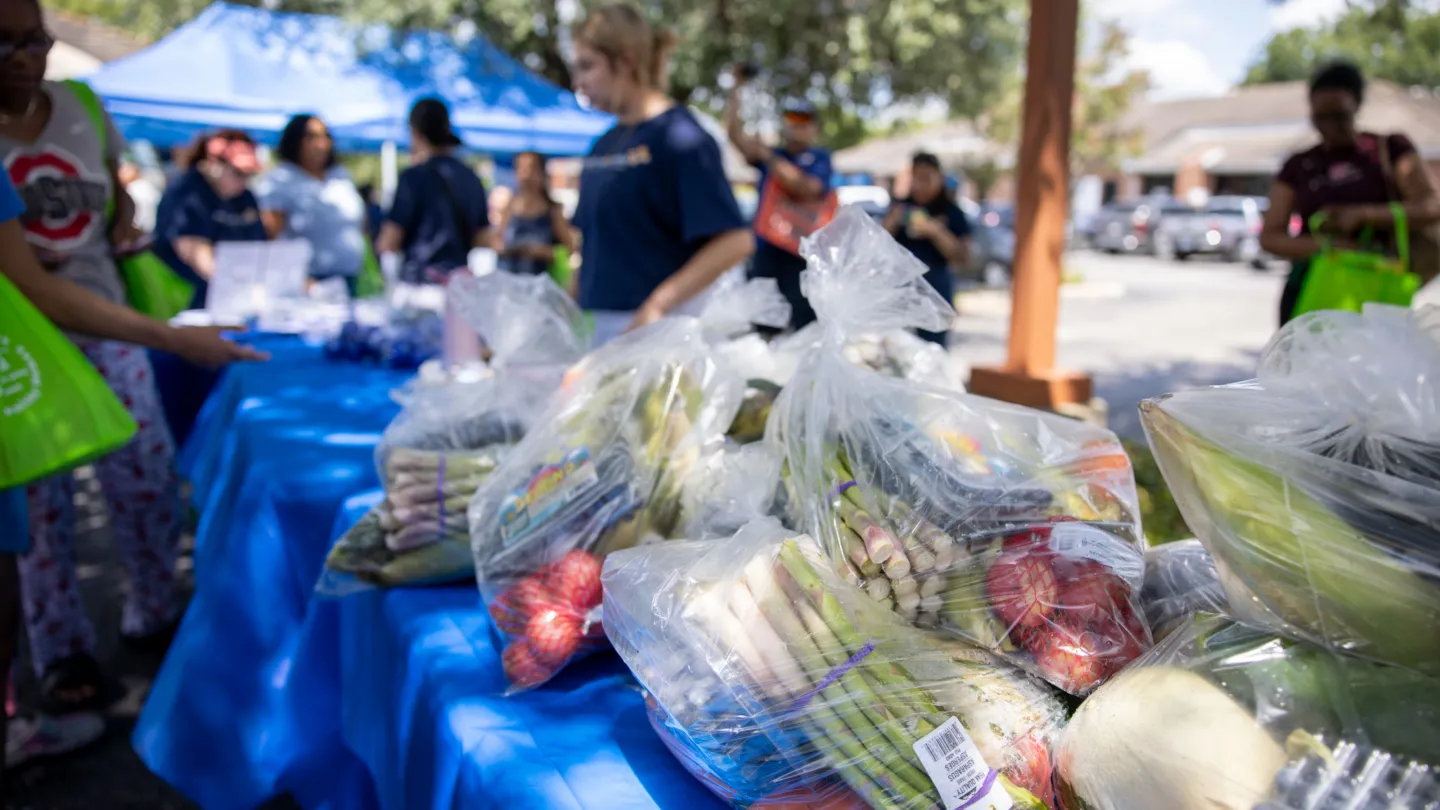
Clínica Nuevas Raíces primarily serves uninsured immigrants living below the poverty line. Operating out of the Pilsen Food Pantry, which serves thousands of families each month, the clinic screens every patient for food insecurity. Nearly all patients need assistance and receive groceries and information about accessing additional food.
The pantry has seen a sharp rise in demand as grocery prices have climbed and SNAP (Supplemental Nutrition Assistance Program) benefits have been reduced. SNAP has helped more than 42 million Americans afford groceries each month.
For patients managing chronic conditions, access to nutritious food is especially important. Yet for those who are working or unhoused, fast food is often the only available and affordable option during the day. Clinic staff report that many patients have diabetes or high blood pressure, conditions that can worsen without access to healthier options.
“We hear from most patients that there are few healthy food options that are affordable,” Baumann says. “In most countries and particularly South America, fresh produce is available on street corners at low prices. In the U.S., produce is only found in grocery stores and is expensive and low quality.”
“We all hope for everyone to have healthcare someday and having food is foundational to that,” Baumann says.
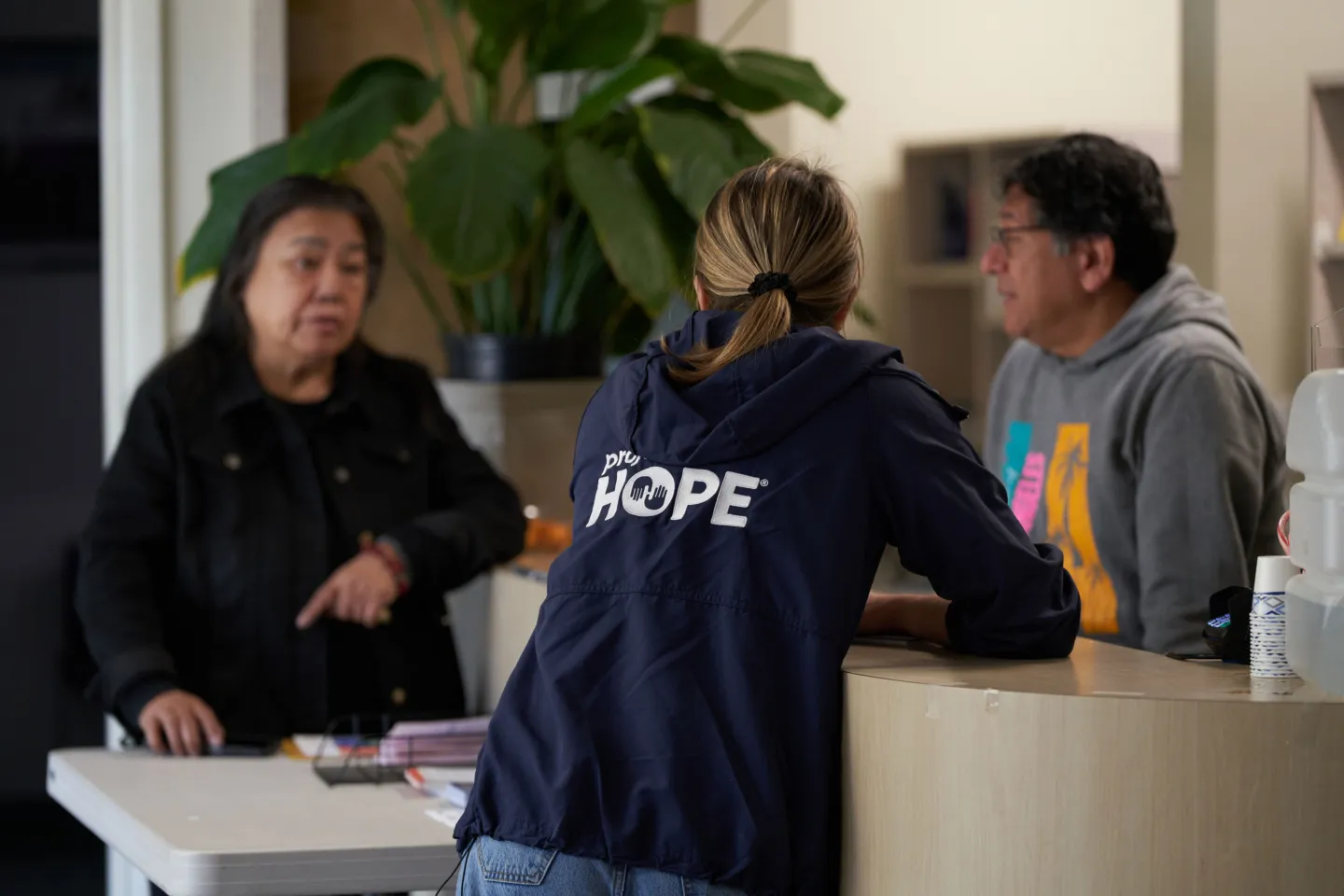
Project HOPE has supported free and charitable clinics like Clínica Nuevas Raíces since the COVID-19 pandemic, helping them expand access to essential healthcare for people who might otherwise go without it. These trusted community providers offer a critical safety net, connecting patients with medical care and resources to address the broader challenges undermining their health.
Helping mothers give their babies a healthy start
Nutrition challenges can also begin at the very start of life.
Breastfeeding is one of the most effective ways to improve maternal and child health and nutrition, yet in the United States, only about 28% of infants are exclusively breastfed through six months, notably lower than the global average of around 48%. And there are significant disparities: According to the CDC, 79% of Black infants begin breastfeeding compared with 88% of white infants.
Black mothers face barriers including limited access to lactation support, inadequate paid family leave, and financial pressure to return to work soon after giving birth.
To help address these challenges, Project HOPE, through the generous support of an anonymous donor, developed the Nurture ATL initiative in partnership with the Center for Black Women’s Wellness and the Healthy Mothers Healthy Babies Coalition of Georgia to expand breastfeeding education and postpartum support for mothers in metro Atlanta.
Through the initiative, the Center for Black Women’s Wellness expanded its Magic Milk Mommies program, offering free virtual peer support groups where mothers could learn about breastfeeding, navigate challenges, and connect with others going through similar experiences.
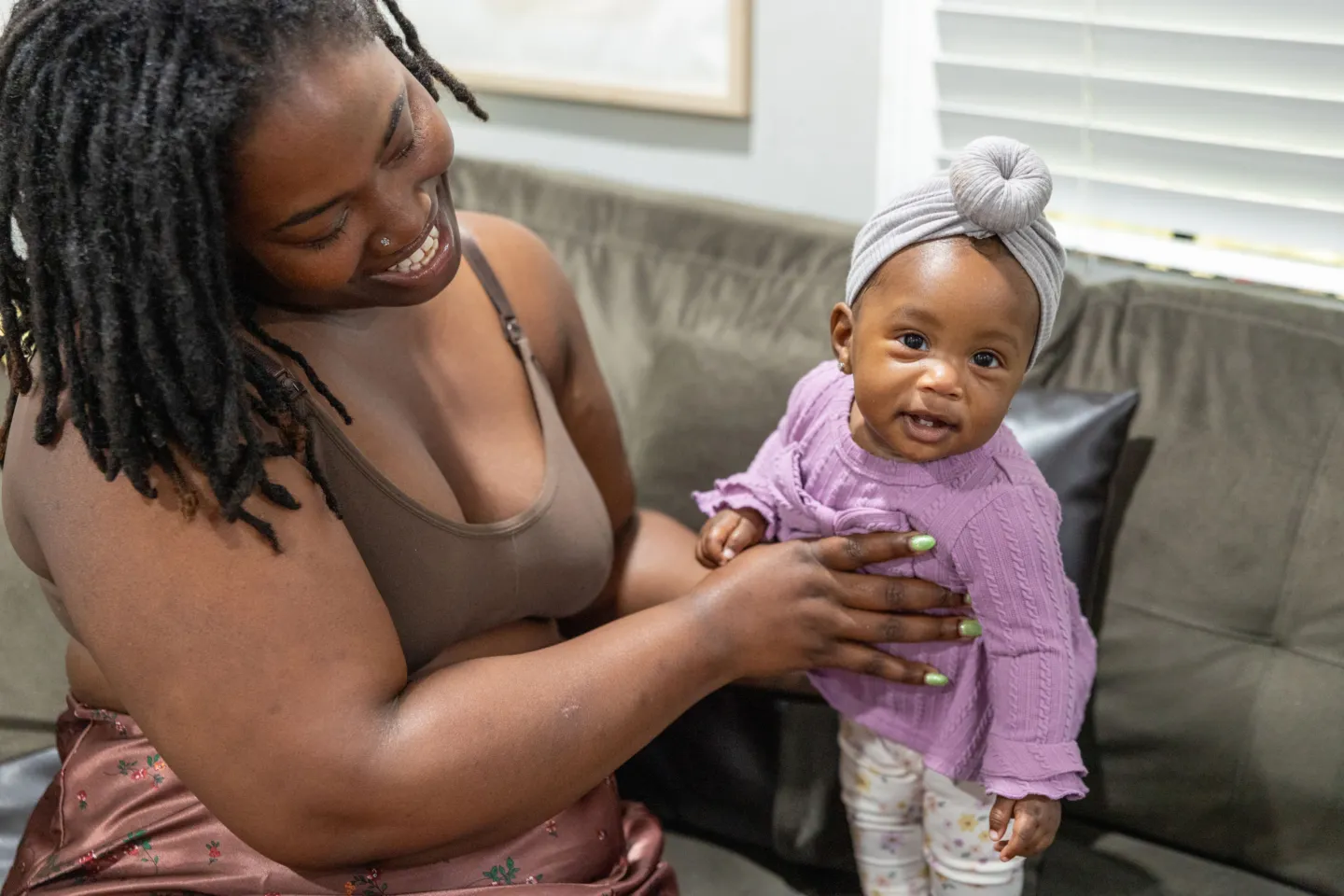
For Aliyah, this support has made a meaningful difference. She had been determined to breastfeed, but complications during labor required her to transfer from a birthing center to a hospital, where she struggled to access the lactation support she had requested.
“I had my baby on a Saturday, and the hospital told me I wasn’t going to be able to see a lactation consultant before I even started having contractions,” she shared. “I told them I needed one as soon as my baby was born and I thought they would have supplied me with one, but they didn’t,” she said.
Through Magic Milk Mommies, Aliyah found the encouragement and guidance she was seeking. Today, she is exclusively breastfeeding her daughter.
“In my family, nobody breastfeeds,” she said. “I feel like I’m actually breaking a cycle.”
From helping families access essential healthcare to supporting mothers as they nourish their babies, Project HOPE is working with trusted local partners to address the health consequences of food insecurity across the U.S.