5 Hunger Emergencies You Should Know: The Philippines
In some of the Philippines’ most densely populated communities, nutritious food and quality care can remain out of reach — even when health centers are nearby. Learn more about underreported hunger crises around the world, and how Project HOPE is helping strengthen nutrition and build healthier futures.
Around the world, some of the most serious hunger and nutrition crises rarely make international headlines.
And while hunger is often associated with a lack of food, the reality is more complex — shaped by conflict, climate shocks, displacement, poverty, and limited access to quality healthcare.
In this web series, we’re exploring often-overlooked hunger and nutrition crises, and how Project HOPE is working with local partners to strengthen health systems, expand nutrition services, and help communities build healthier, more resilient futures.
In the Philippines, malnutrition can hide in plain sight
Nearly 1 in 4 children under 5 in the Philippines experiences stunting or impaired growth caused by chronic or recurrent malnutrition, which is about the same as the global rate. But among children in the country’s poorest households, that figure rises to 37%, well above the global average of 23%.
In urban communities like Tatalon, Bagong Silangan, and Payatas in Quezon City — the country’s most populous city — the reasons are complex. Poverty makes nutritious diets difficult to afford, while recurring public health and environmental shocks can limit food diversity and further disrupt families’ access to food and essential services. And even where primary health centers are available, frontline health workers may lack the training, tools, nutrition supplies, and reliable data they need to identify children at risk and connect families with appropriate care.
Even where primary health centers are available, frontline health workers may lack the training, tools, nutrition supplies, and reliable data they need to identify children at risk and connect families with appropriate care.
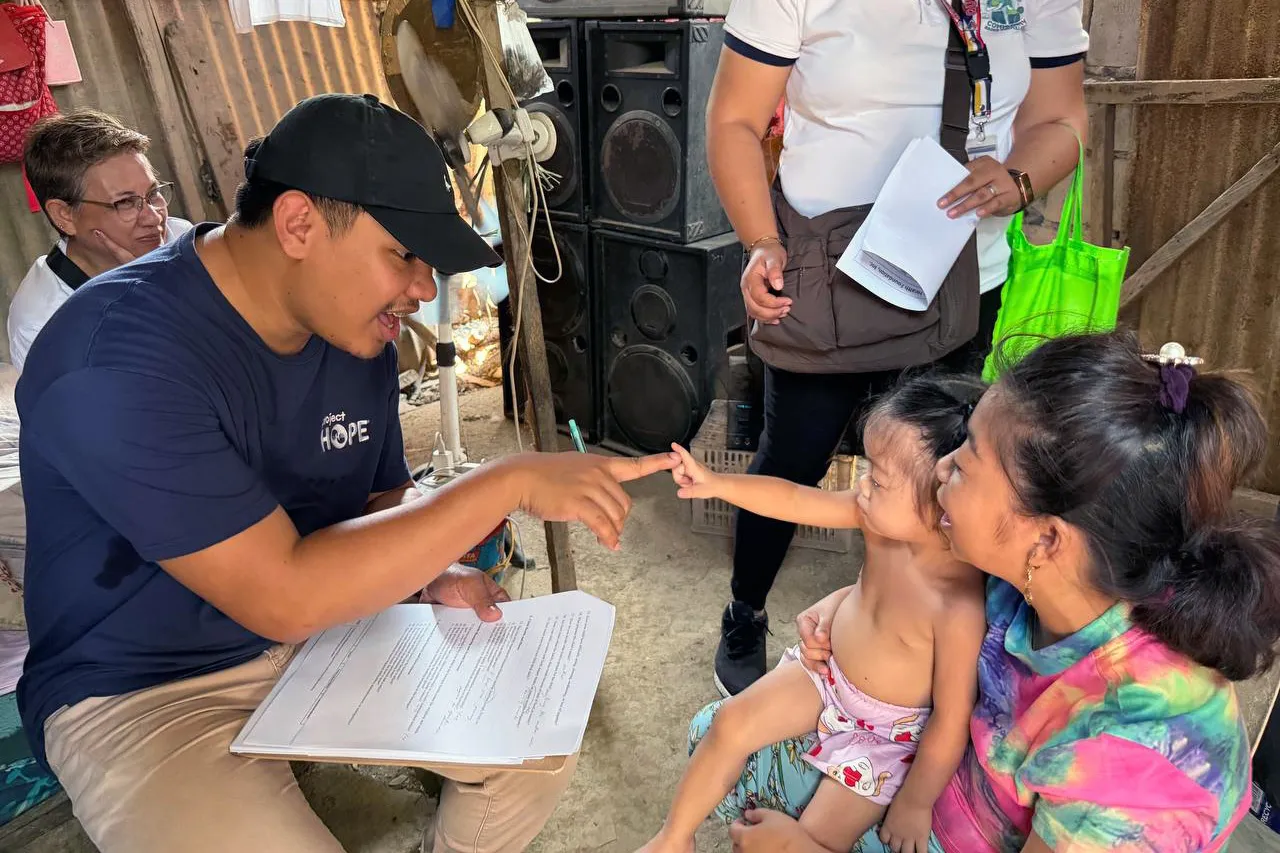
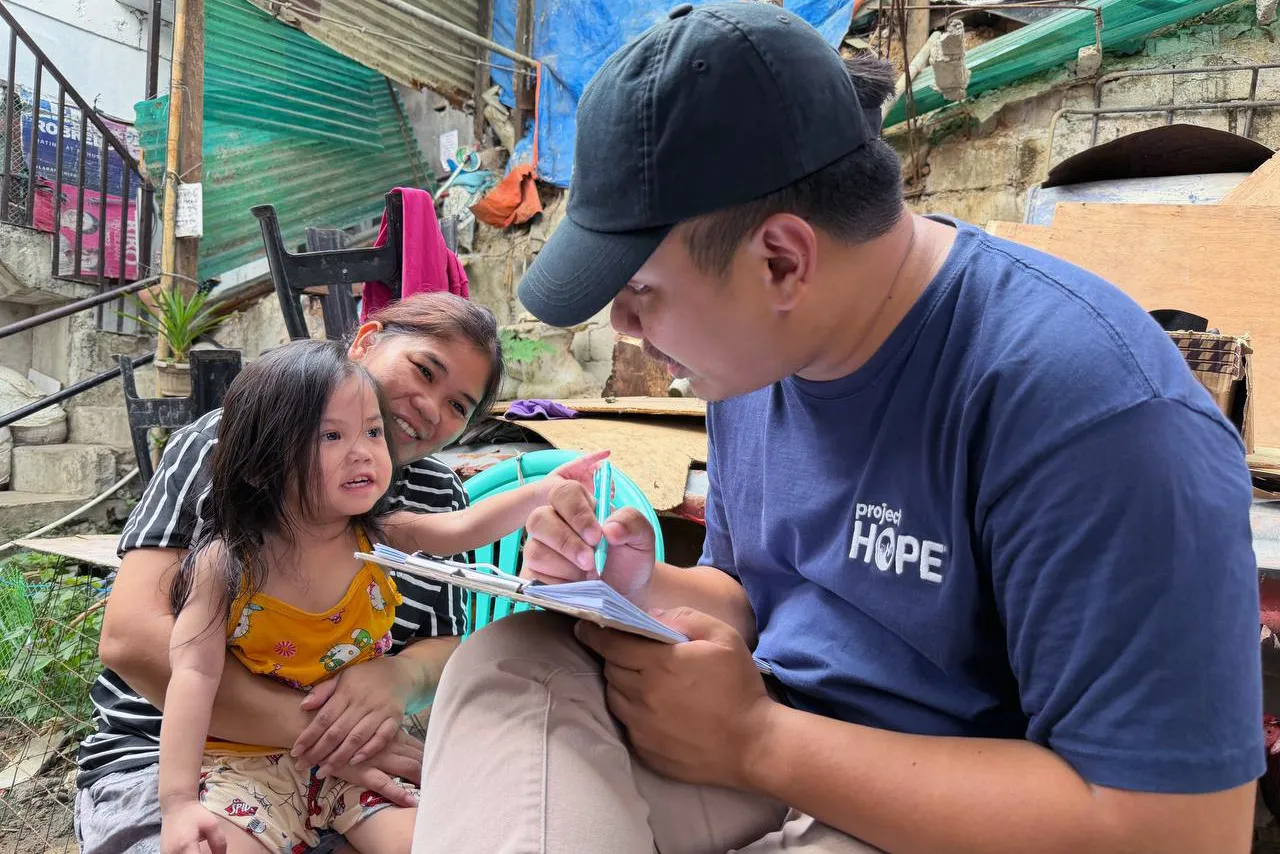
Malnutrition can also be difficult for families to recognize. In Bagong Silangan, Jenalyn Marcelo knew her youngest daughter, 2-year-old Jhanerose, was smaller than other children her age, but she didn’t realize how serious her condition had become. During routine community growth monitoring in January 2026, health workers found that Jhanerose weighed just 17 pounds and was experiencing severe acute malnutrition, including severe wasting, underweight, and stunting.
Strengthening nutrition care where families already seek help
With support from The Church of Jesus Christ of Latter-day Saints, Project HOPE worked alongside the Quezon City government and local partners to strengthen nutrition services within the primary healthcare system. The project trained frontline health workers in maternal, infant, and young child nutrition during the critical first 1,000 days of a child’s life while improving nutrition screening, counseling, referrals, and access to essential supplies, including micronutrient powders and Ready-to-Use Therapeutic Food (RUTF).
For Jhanerose, early identification opened the door to care. Her mother received counseling on feeding practices, dietary diversity, meal planning, and regular growth monitoring, while Jhanerose received RUTF, micronutrient powder, and other nutrition support.
Less than five months after she was identified, Jhanerose had gained six pounds and grown more than two inches, and her weight-for-height had improved from severe acute malnutrition to the normal range. Although she continued to experience stunting — a reminder of the lasting effects of chronic undernutrition — the immediate threat of severe acute malnutrition had been overcome.
With support from The Church of Jesus Christ of Latter-day Saints, Project HOPE worked alongside the Quezon City government and local partners to strengthen nutrition services within the primary healthcare system.
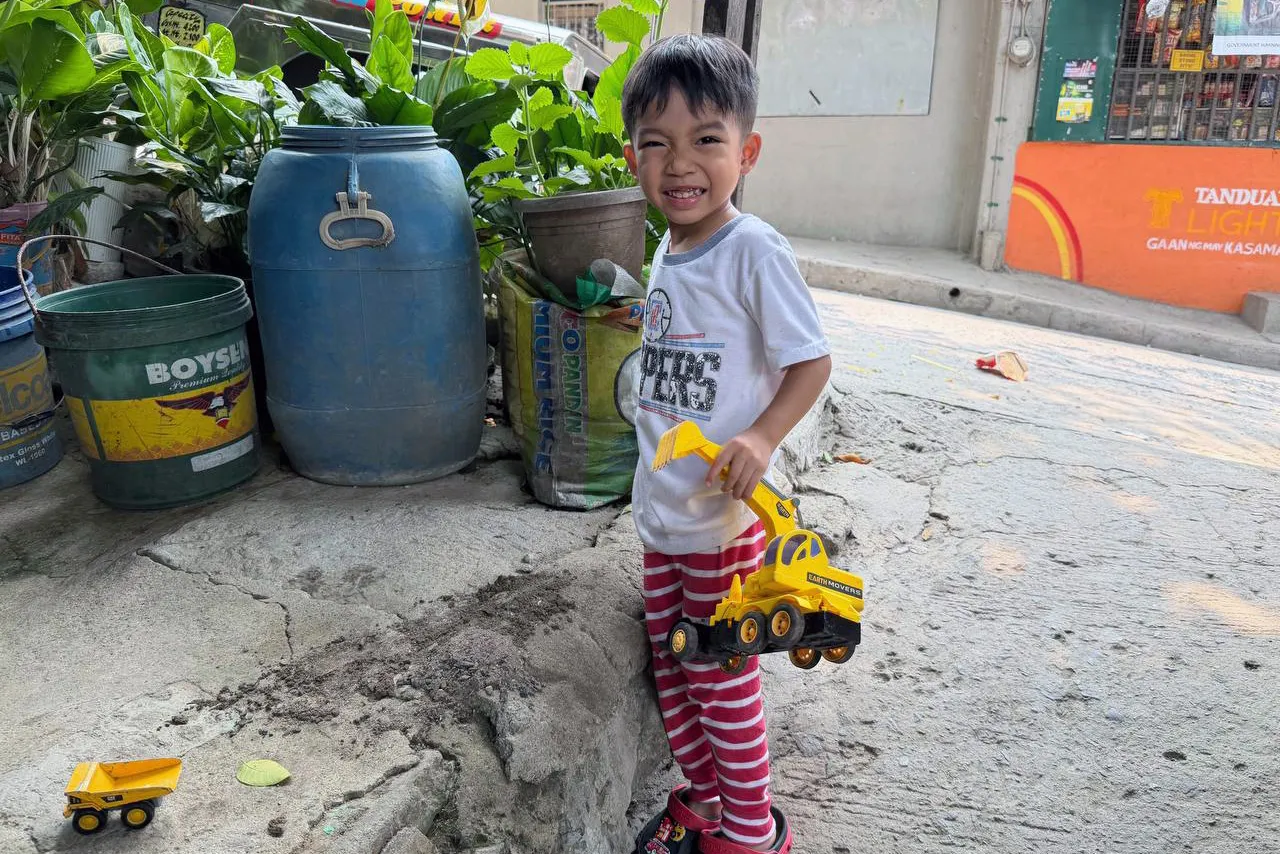
At the Lupang Pangako Health Center, 4-year-old Ryker Zion Bulanadi’s experience shows why routine monitoring matters even when a child appears healthy. Ryker was energetic, playful, and constantly on the move, but a growth assessment in January 2026 found that he was underweight. His family continued bringing him to the health center, adapting his diet around a sensitive stomach and lactose intolerance, and later received additional nutrition support, including RUTF and micronutrient powder. By August, Ryker had gained two pounds and grown nearly an inch.
For his mother, Apple, supporting Ryker’s nutrition has meant a series of small, practical changes: adjusting meals to what his body can tolerate, monitoring his growth, and incorporating additional nutrition support into his routine.
Stories like Jhanerose’s and Ryker’s are part of a broader effort to strengthen nutrition care across Quezon City. Project HOPE has worked to equip 600 community health workers and nutrition committees and reach more than 32,000 women and children in Tatalon, Payatas, and Bagong Silangan. We’ve also strengthened nutrition information systems and data quality so local health teams can better identify needs, make informed decisions, and sustain quality nutrition services over the long term.
Because preventing malnutrition isn’t only about making nutritious food available — it also means ensuring that families have knowledgeable health workers, reliable screening, appropriate treatment, and quality nutrition services close to home.