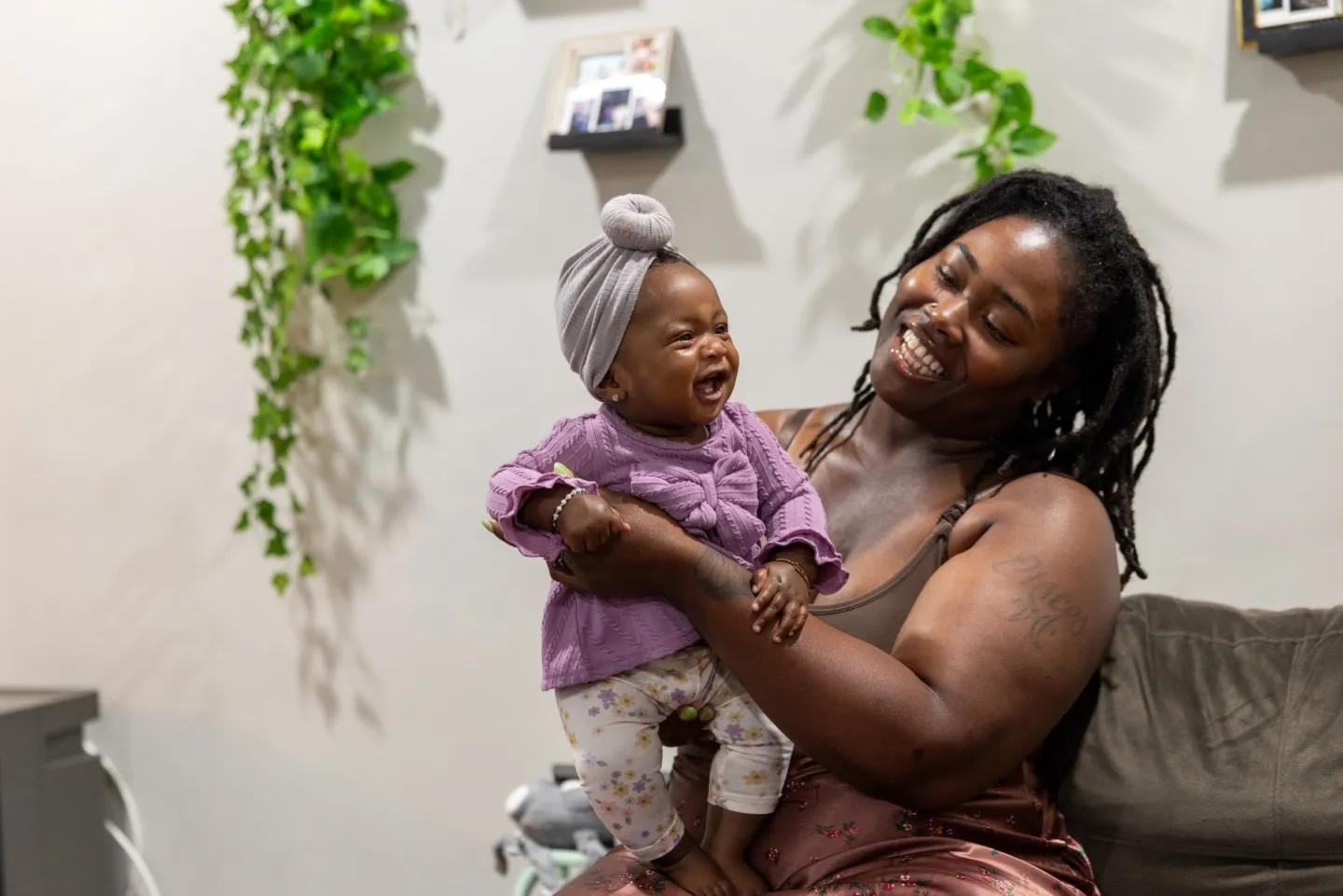
How Community Support is Helping Black Mothers Breastfeed
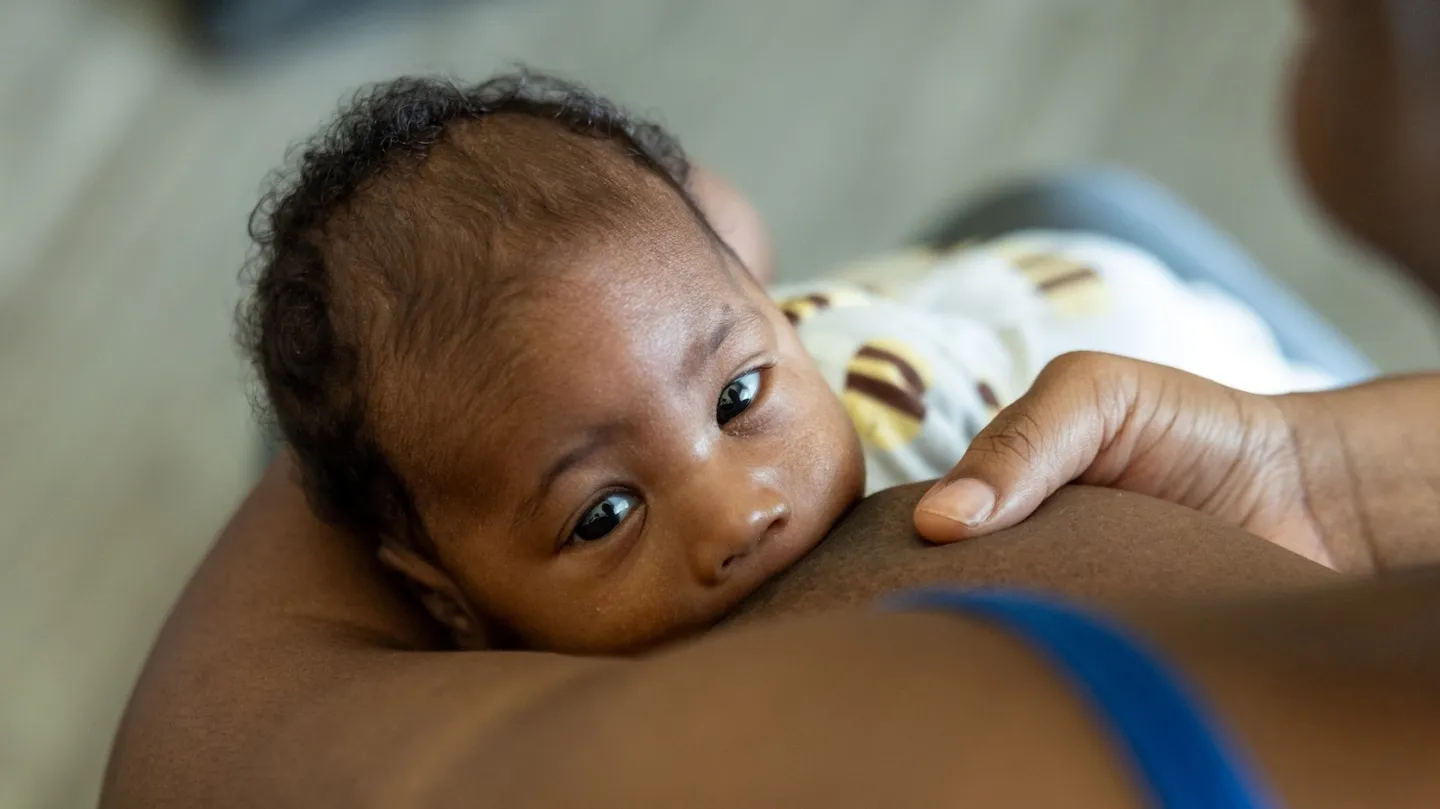
In Georgia, new mom Aliyah saw firsthand the breastfeeding disparities and maternal health concerns that Black women continue to face in the United States.
During her pregnancy, she was set on exclusively breastfeeding and planned to deliver her baby at a birthing center. But when she went into labor, complications changed those plans. Her blood pressure became dangerously high, so her birth plan had to change. Recognizing the signs of a potentially serious pregnancy complication, her care team transferred her to a hospital where she could receive immediate treatment.
While Aliyah’s birth plan didn’t go to plan, she delivered a healthy baby girl and remained committed to breastfeeding. But like many Black mothers, she found it hard to receive the support she needed.
“I had my baby on a Saturday, and the hospital told me I wasn’t going to be able to see a lactation consultant before I even started having contractions,” she shared. “I told them I needed one as soon as my baby was born and I thought they would have supplied me with one, but they didn’t.”
The Reality for Black Women in America
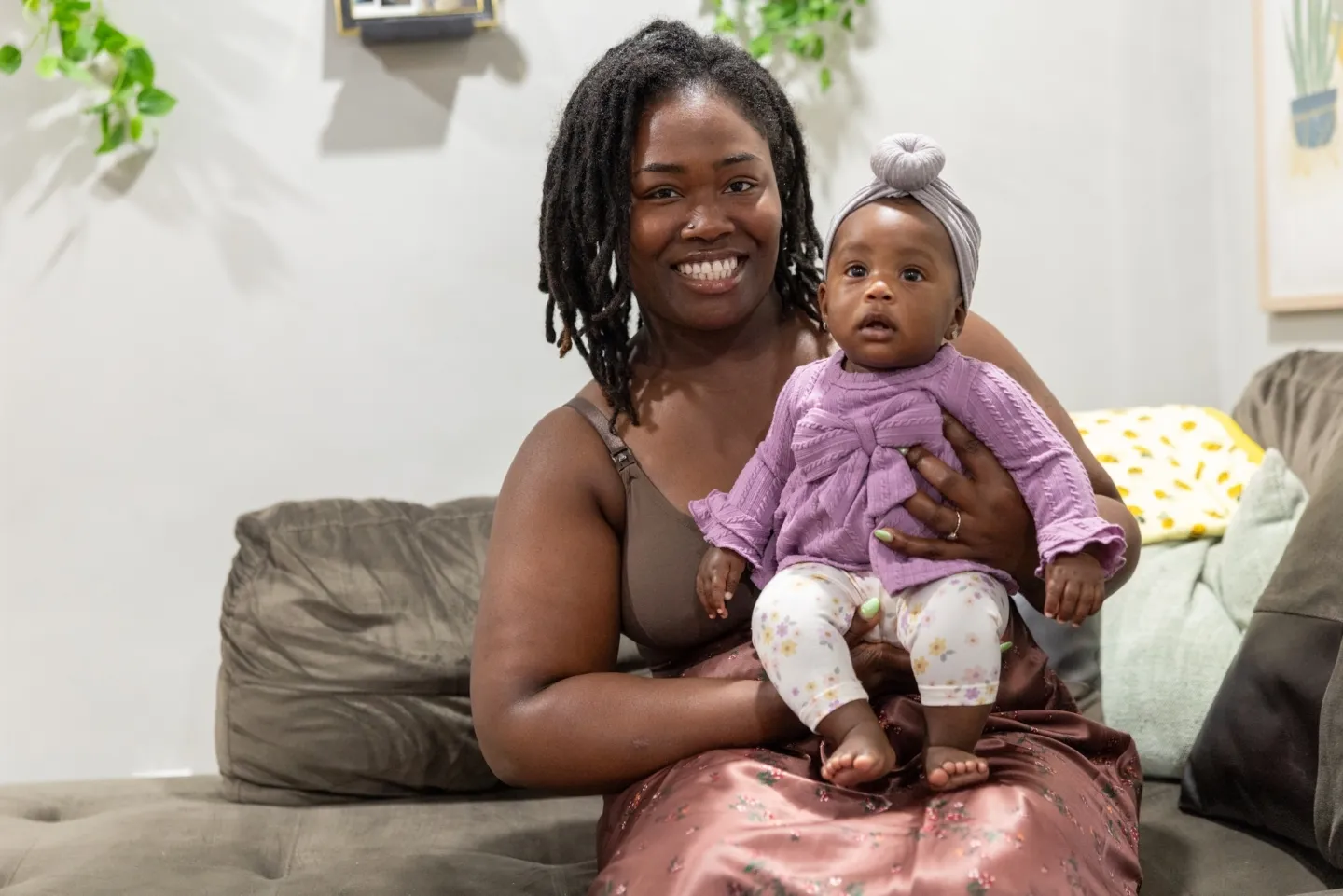
Black women in the U.S. continue to experience lower breastfeeding initiation and duration rates. The causes are driven by a combination of factors, including limited access to culturally responsive lactation support and gaps in postpartum resources. Taken together, these challenges contribute to the sobering reality that Georgia consistently ranks among the worst states in the nation for Black maternal and neonatal mortality.
For many mothers, breastfeeding is more than a feeding choice. It’s an important investment in the health of both mother and baby. Breastfeeding is associated with reduced risk of infant illness, lower rates of sudden infant death (SID), and improved cognitive development. For mothers, breastfeeding supports postpartum recovery, strengthens the maternal-infant bond, and reduces the risk of certain chronic diseases and postpartum complications.
Breastfeeding is associated with reduced risk of infant illness, lower rates of sudden infant death, and improved cognitive development.
Like Aliyah, new mom Berneisha always wanted to breastfeed. But after a medically complicated birth where she was diagnosed with preeclampsia and her newborn son experienced breathing complications, they both remained in the hospital for two weeks.
Black women face a significantly higher rate of major birth-related complications, and extended hospital stays tied to these birthing complications can make it difficult to establish and maintain milk supply during the critical postpartum period.
Like many new mothers on their breastfeeding journey, when Berneisha returned home, she felt overwhelmed and worried that her baby wasn’t getting enough milk and questioned whether she would be able to continue breastfeeding at all.
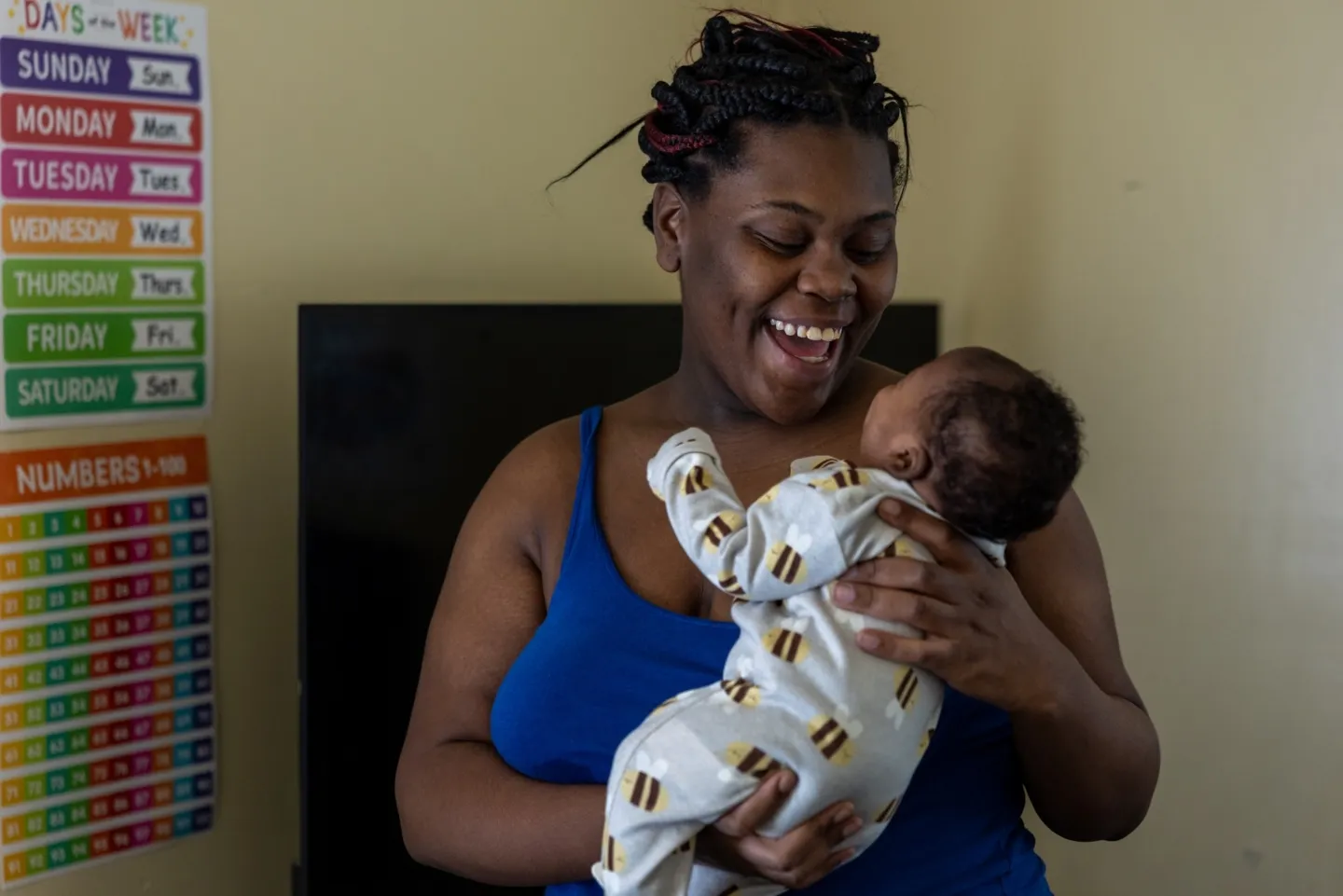
For mothers like Aliyah and Berneisha who are struggling to breastfeed, accessing culturally competent and affordable support can feel like an uphill battle. Representation within the lactation workforce remains limited: only about 10% of Certified Lactation Consultants (CLCs) in the U.S. are Black, and just 2% are International Board-Certified Lactation Consultants (IBCLCs) who have completed the highest level of training and are typically covered by insurance.
Without providers who reflect on their lived experiences or understand the barriers they face, many Black mothers give up on breastfeeding as they’re left to navigate breastfeeding challenges on their own.
The Power of Community
Community-based, free programs play a critical role in bridging gaps in care by helping mothers navigate postpartum recovery and infant feeding, yet they are often underfunded despite their impact.
Recognizing this need, Project HOPE funded the Nurture ATL initiative which was implemented in partnership with the Center for Black Women’s Wellness (CBWW) and the Healthy Mothers Healthy Babies Coalition of Georgia.
Through this funding, CBWW was able to expand access to its virtual peer-support program, Magic Milk Mommies, a longstanding initiative that provides facilitated peer-to-peer discussions on breastfeeding education and the postpartum period.
The program added two additional cohorts for mothers with babies up to six months old, extending support well beyond pregnancy to encourage longer breastfeeding duration rates in the critical months when many mothers stop breastfeeding due to a lack of resources or support.
Both Berneisha and Aliyah were in the same cohort and shared that the program helped them continue to breastfeed even when they wanted to give up.
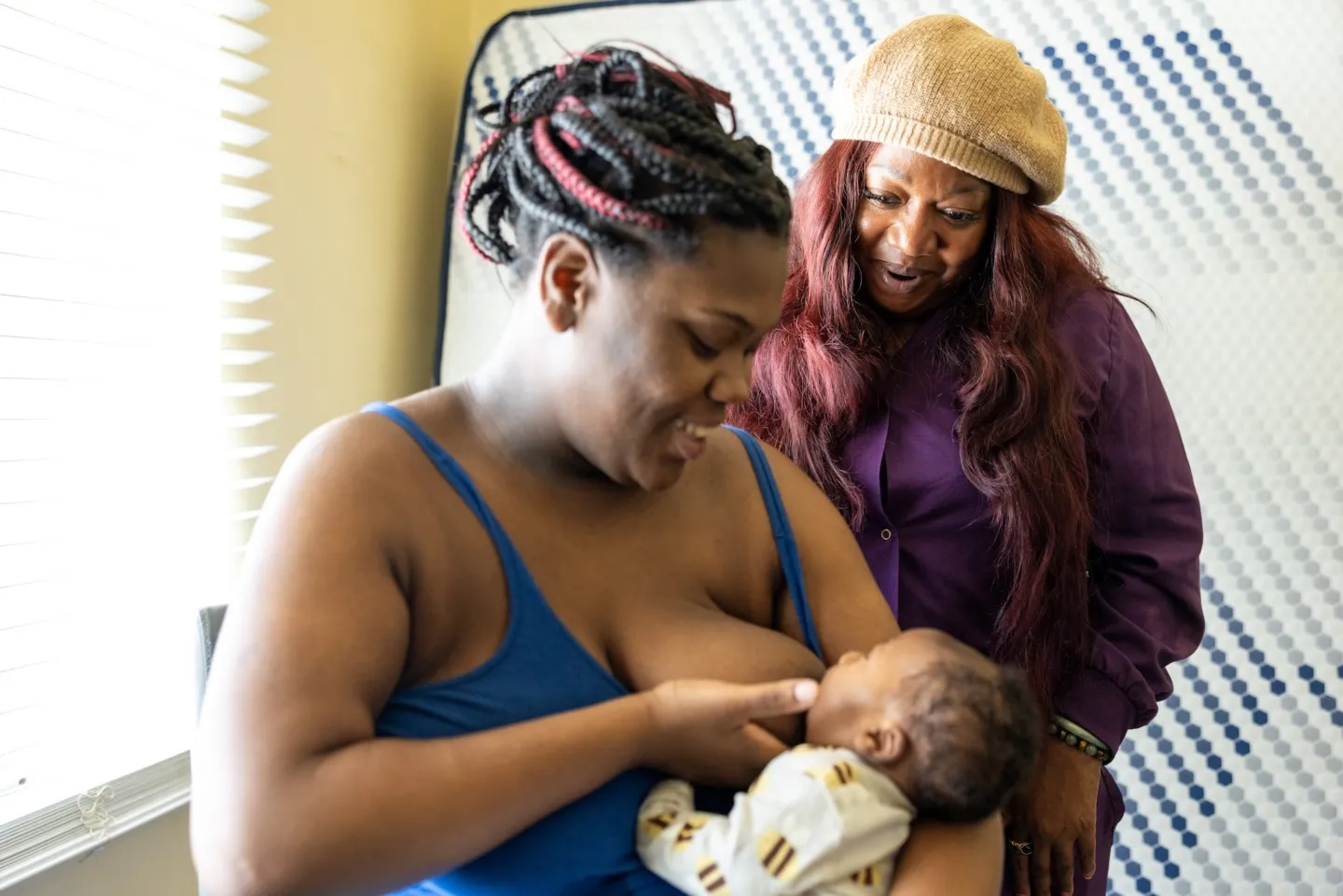
Perez Davis, a doula and Family Support Specialist at CBWW who facilitates the group, said the peer connections formed through Magic Milk Mommies often become just as valuable as the educational content, serving as a source of encouragement and accountability for mothers navigating their breastfeeding journeys.
“Because Berneisha was in that class, it made her continue to want to breastfeed,” she shared. “I remember Aliyah messaging Berneisha. They have never met in person, but on our Zoom classes, Aliyah messaged Berenisha, ‘It’s going to get better.’”
More Than Breastfeeding
Programs like Magic Milk Mommies provide more than practical breastfeeding guidance. They help foster confidence, connection, and community among mothers who may otherwise feel isolated during their postpartum journey. They create spaces where Black mothers can learn from one another, share challenges, celebrate milestones, and receive culturally relevant support.
Today, both Berneisha and Aliyah are still exclusively breastfeeding — a testament to how culturally-responsive, relationship-based care can strengthen trust, engagement, and improve breastfeeding initiation and duration rates among Black mothers by helping them feel empowered and supported by those within their community.
“In my family, nobody breastfeeds,” Aliyah said. “I feel like I’m actually breaking a cycle.”