Lebanon Is More Than The Crises It Has Endured
In a country that has endured so much, hope continues to take root.
Two weeks ago, I returned to my homeland, Lebanon.
I make this trip a couple of times a year, but there is something about approaching Beirut from the air that never gets old. The mountains rising above the Mediterranean, the familiar coastline, the deep blue sea. No matter how many times I return, the sight fills me with joy. It is home.
But that joy is often accompanied by heartbreak.
This time, as we drove from the airport through Beirut’s southern suburbs, we passed buildings freshly damaged or reduced to rubble. Sadly, these scenes are all too familiar in a country that has endured one crisis after another for as long as I can remember.
I grew up during Lebanon’s civil war, 15 long and devastating years that claimed more than 120,000 lives and displaced over a million people. But even after the war ended, peace and stability remained elusive.
Foreign occupation. Political assassinations. Repeated conflicts. An economic collapse that wiped out the life savings of countless families. The COVID-19 pandemic. The devastating Beirut port explosion. And most recently, the conflict between Hezbollah and Israel, which has displaced hundreds of thousands of people and left entire communities, particularly in southern Lebanon, in ruins.
As so often happens, it is ordinary Lebanese families, many of whom have no part in the fighting, who are paying the heaviest price.
Every time Lebanon begins to find its footing, another crisis knocks it back down.
Sometimes, it feels as though this is the heartbreaking reality of being Lebanese: learning to rebuild, only to have to start all over again.
And yet, somehow, people keep going.
Sometimes, it feels as though this is the heartbreaking reality of being Lebanese: learning to rebuild, only to have to start all over again.
Lebanon was once known as the “hospital of the Middle East,” a country renowned for its doctors, hospitals, and medical expertise. Today, that reputation stands in painful contrast to the reality facing so many Lebanese families.
Years of economic collapse, political instability, and conflict have pushed the healthcare system to the brink. Many of the country’s most talented healthcare professionals have left in search of better opportunities abroad. The collapse of the Lebanese currency has made medical care increasingly unaffordable, while poverty and unemployment have left families struggling to meet even their most basic needs.
Nearly half the population lacks health insurance, and poverty has risen dramatically over the past decade. For far too many families, seeking medical care has become a financial decision rather than a medical one.
Public hospitals, often the only remaining safety net for the most vulnerable, are severely underfunded. Many struggle to pay for electricity, fuel, essential medicines, and basic supplies. In rural communities, access to healthcare is even more limited. People travel long distances to see a doctor, and too often, they simply go without care.
The ongoing violence has made an already dire situation worse. Attacks on healthcare facilities, ambulances, and medical personnel have killed and injured frontline health workers, leaving communities with even fewer options for care.
And yet, despite all of this, I continue to meet extraordinary people who refuse to give up on their communities.
This visit was particularly meaningful because I had the opportunity to share it with people who have become true partners in our work.
Peter Soderberg, whose family foundation, the Elsa and Peter Soderberg Charitable Foundation, has generously supported Project HOPE’s work in Lebanon over the past two years, joined us along with the foundation’s Executive Director, Jessica Millman.
Over several busy days, we traveled across the country, visiting hospitals, meeting healthcare workers, seeing our programs firsthand, and discussing what more we could do together.
It was an opportunity not just to see the challenges, but to meet the people who are finding solutions, often with remarkably limited resources.
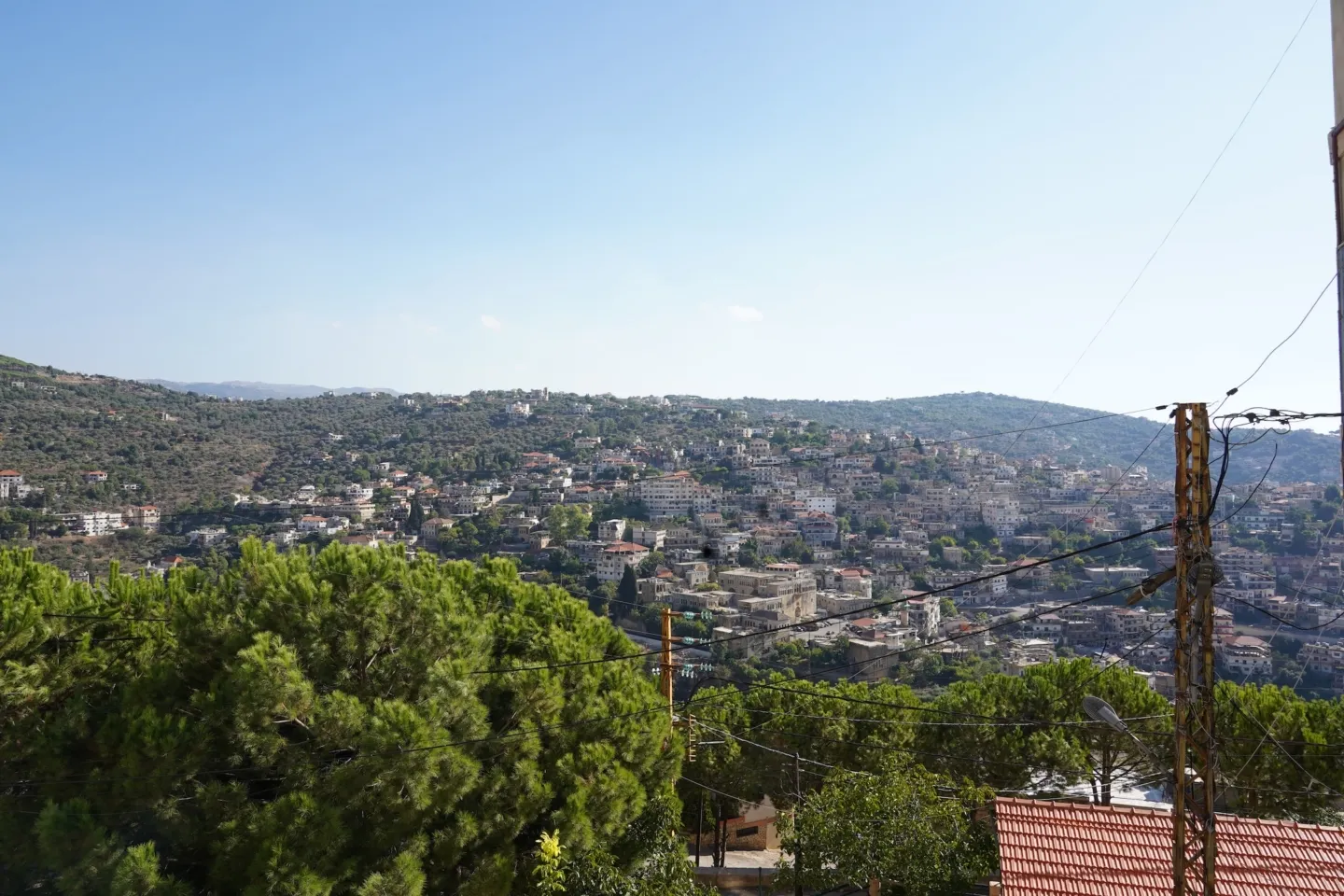
Our first stop was in southern Lebanon, in the beautiful Hasbaya District, a region of mountains, ancient olive groves, and villages that has witnessed far too much conflict.
Many families displaced from other parts of the south have sought refuge here. Yet even with a ceasefire in place, the area remains vulnerable to shelling and drone activity. The threat of violence is never far away.
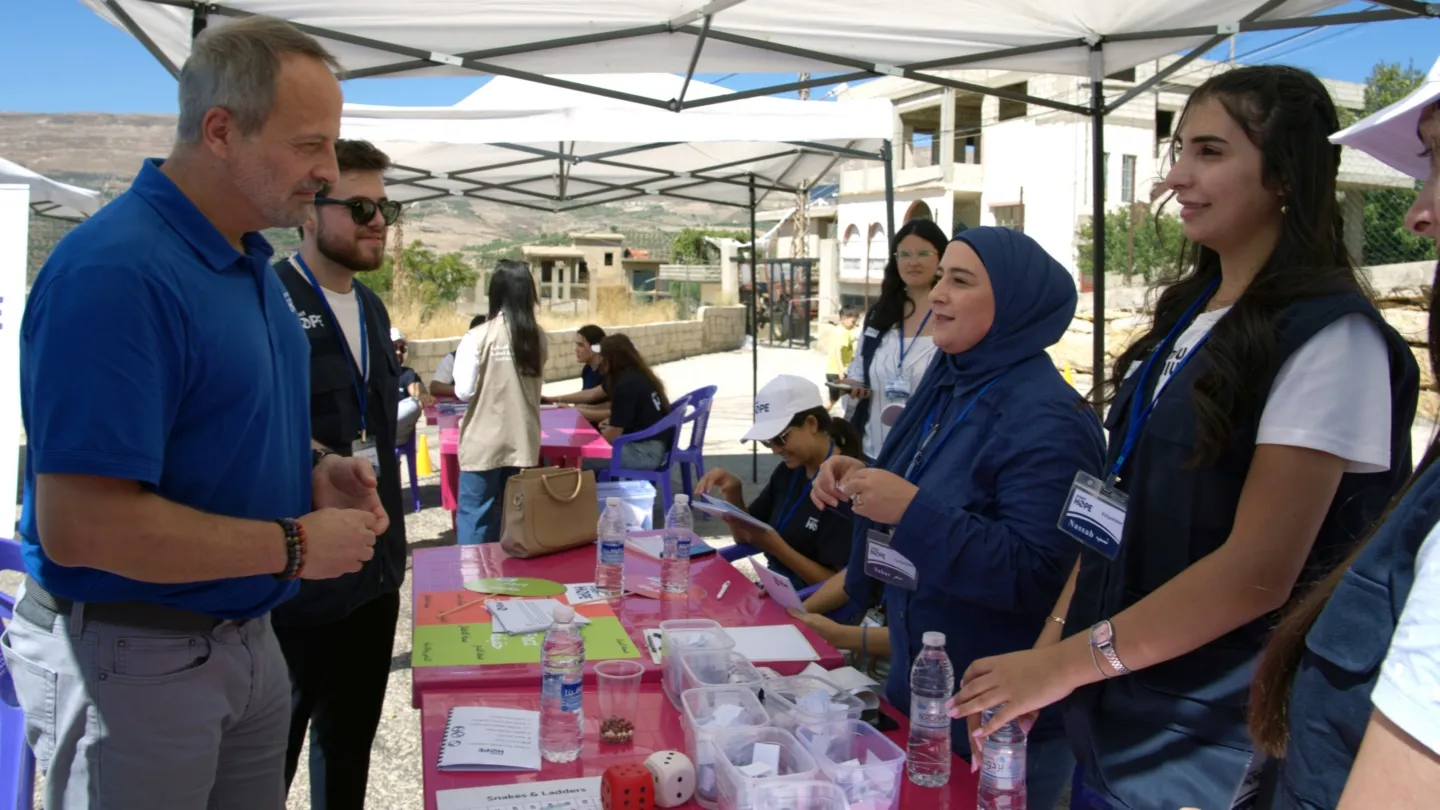
In the village of Mimess, we joined a community health event organized by our Project HOPE team.
Residents arrived to receive screenings for chronic diseases, learn about nutrition and healthy living, and participate in interactive health education activities. Each person received a “Health Passport” to guide them through the different stations.
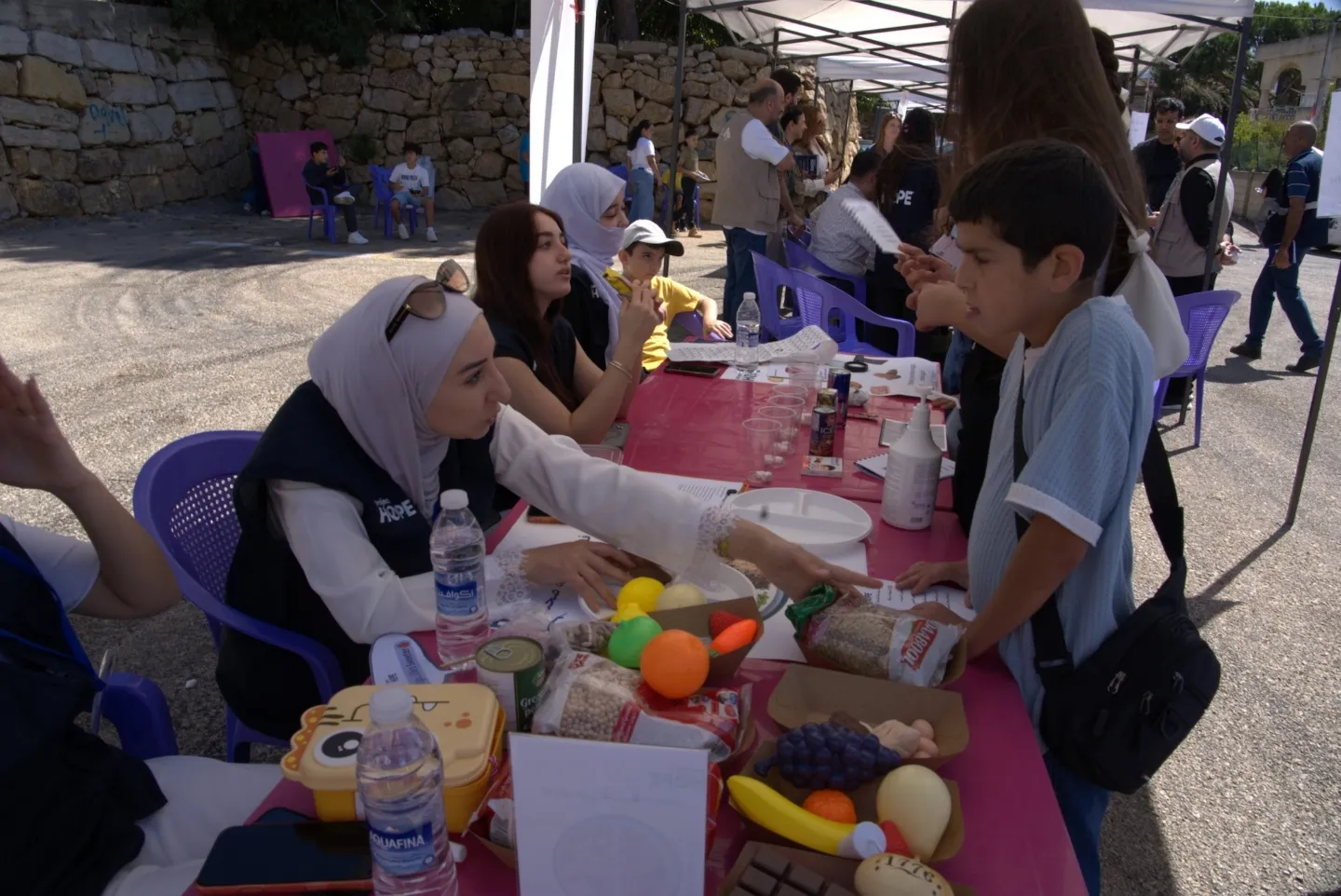
I participated myself, getting my blood pressure, blood sugar, height, and weight checked. Nutritionists and medical professionals were there to explain the results, answer questions, and refer people for additional care when needed. There was even homemade tabbouleh!
What struck me most wasn’t just the quality of the event, but the energy surrounding it. Young volunteers were everywhere, smiling, helping elderly residents, engaging with children, and enthusiastically sharing health information.
These were young Lebanese men and women who could easily have chosen to focus on their own challenges. Instead, they were giving their time to help their neighbors.
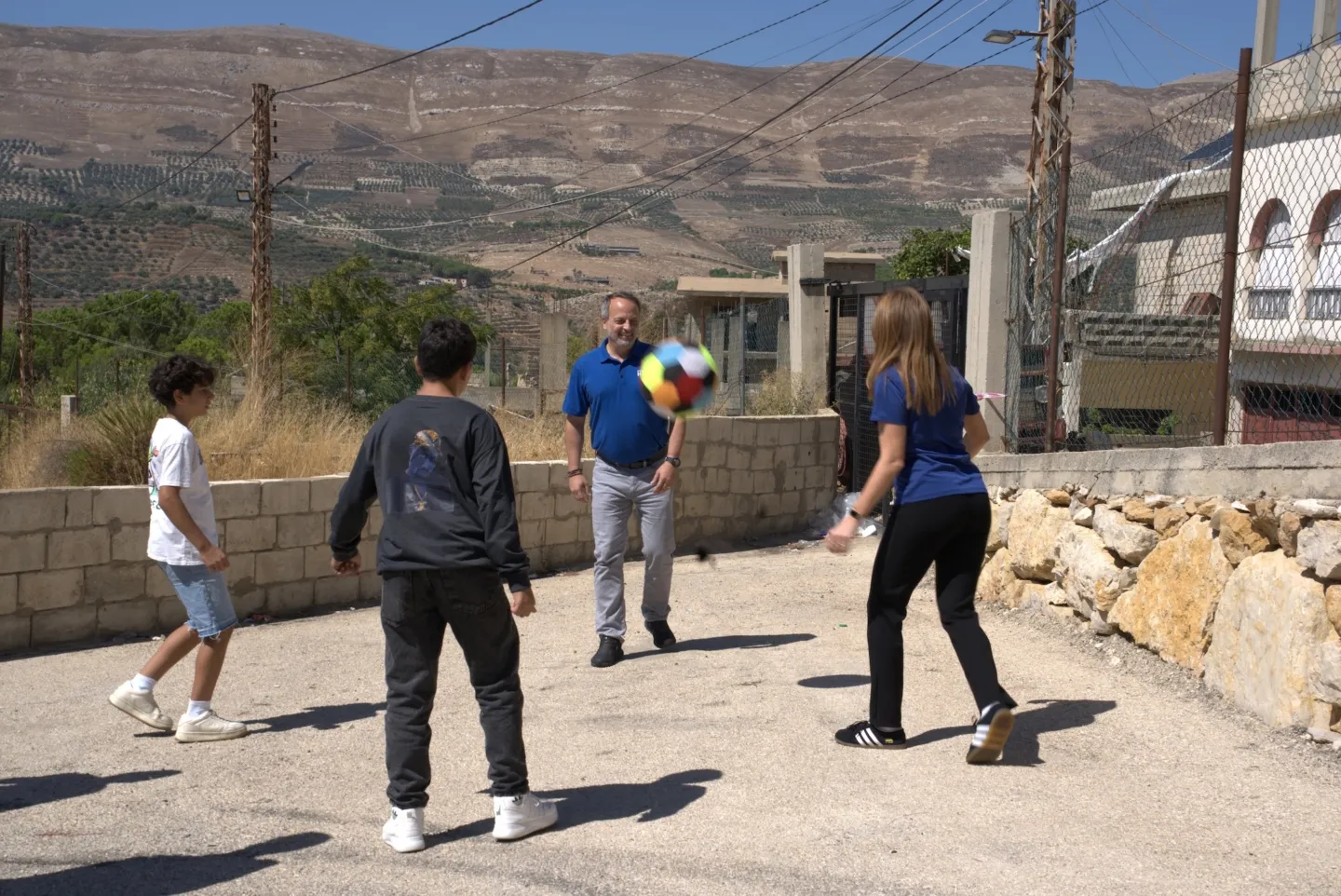
At one point, I found myself kicking a soccer ball around with two young boys. For a few minutes, there were no discussions about war, displacement, or struggling hospitals. Just children laughing, playing, and showing off their soccer skills.
It was a small moment, but one that stayed with me.
These were young Lebanese men and women who could easily have chosen to focus on their own challenges. Instead, they were giving their time to help their neighbors.
From Mimess, we traveled to Hasbaya Governmental Hospital, which serves approximately 70,000 people across the surrounding communities.
We were joined by Member of Parliament Firas Hamdan, who represents the district and accompanied us during our visit to the hospital.
The hospital provides essential services, from maternal and child healthcare to radiology and cancer treatment. For many families in the area, it is their only realistic option for medical care.
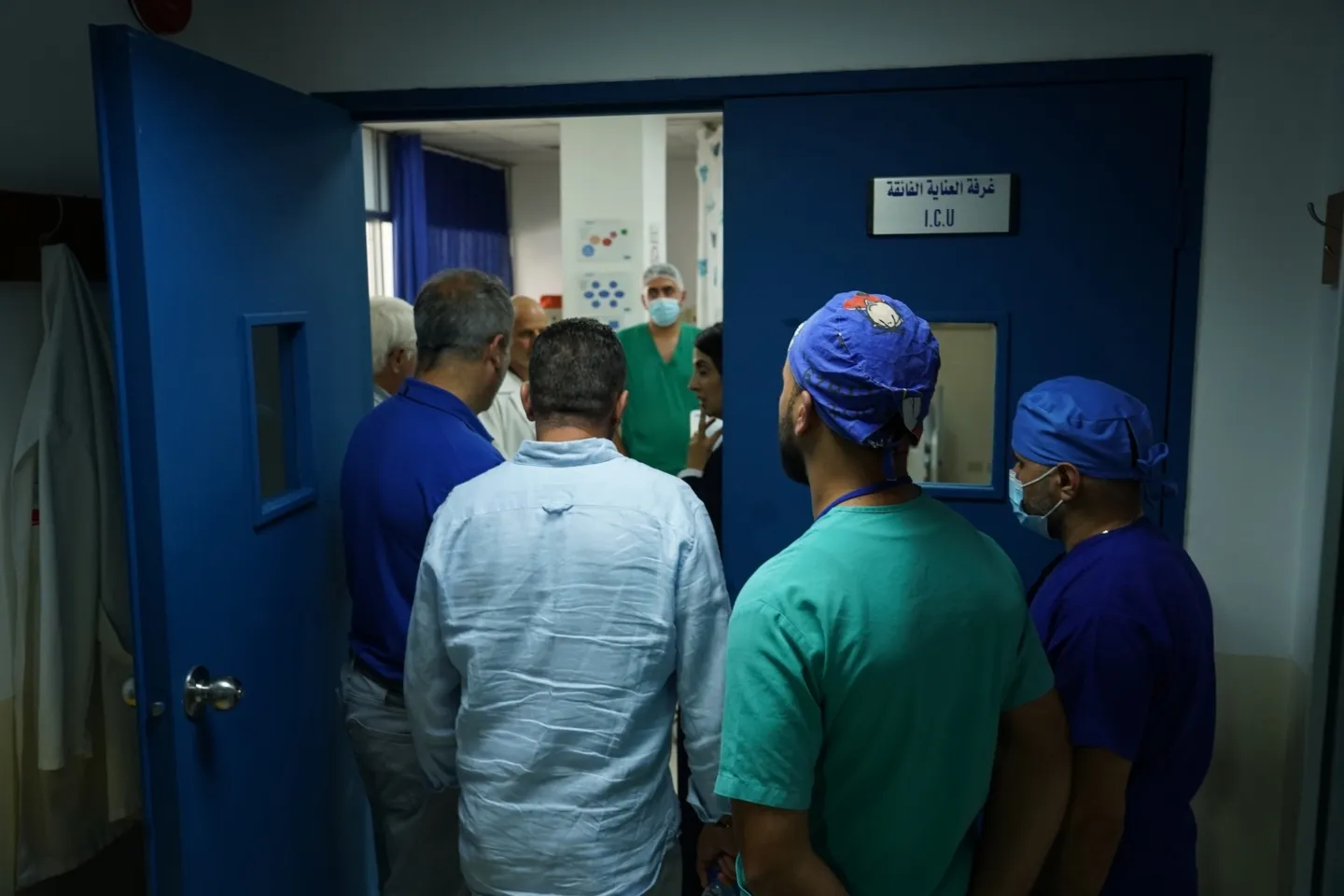
Last year, Project HOPE worked with the hospital’s remarkable director, Dr. Samah Bitar, to reopen its intensive care unit after years of closure.
Walking through the ICU and seeing patients receiving care was deeply moving.
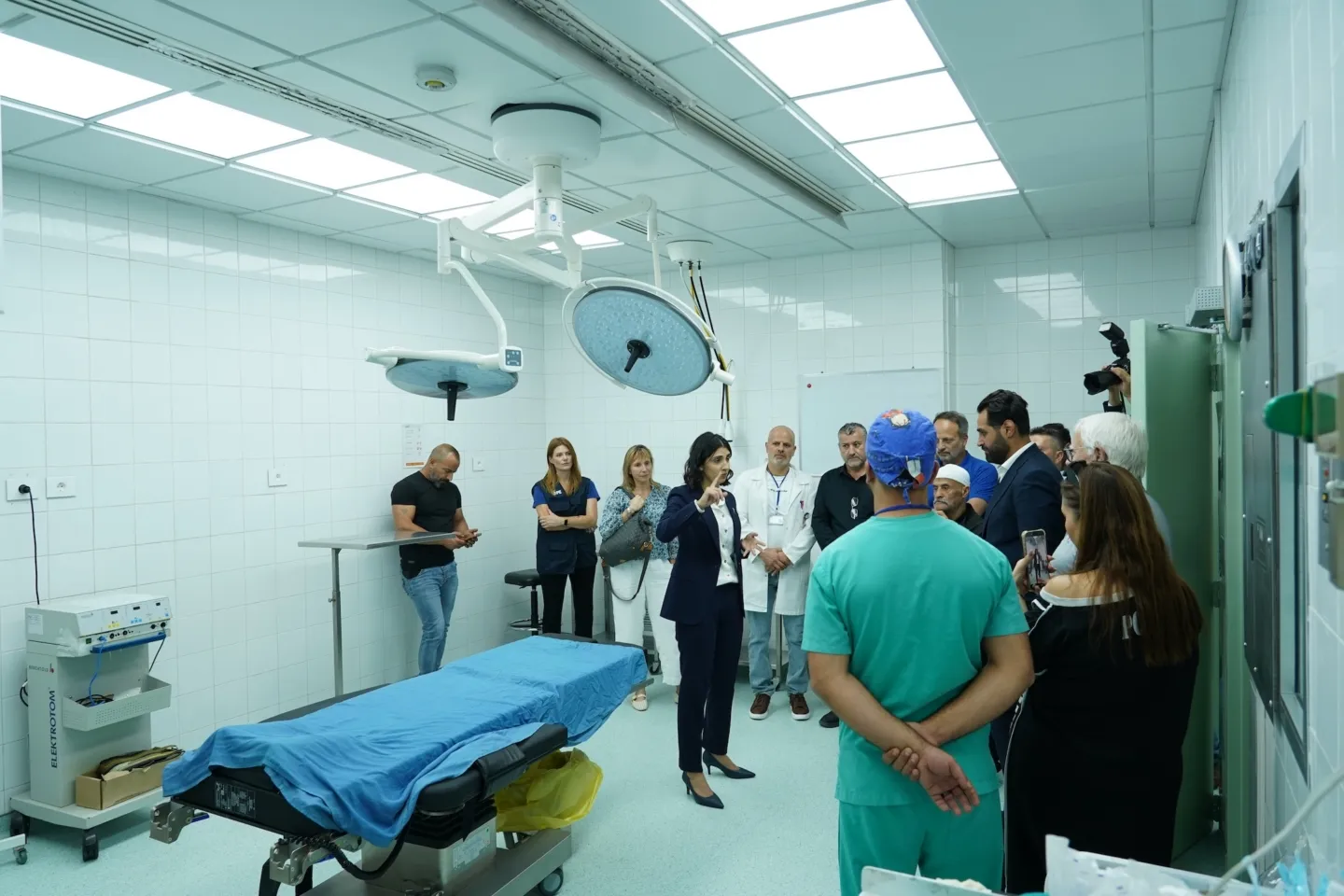
But what moved me even more was meeting the doctors, nurses, and hospital staff who had chosen to stay. Despite the danger, the uncertainty, and the enormous personal sacrifices, they continued showing up to care for their communities.
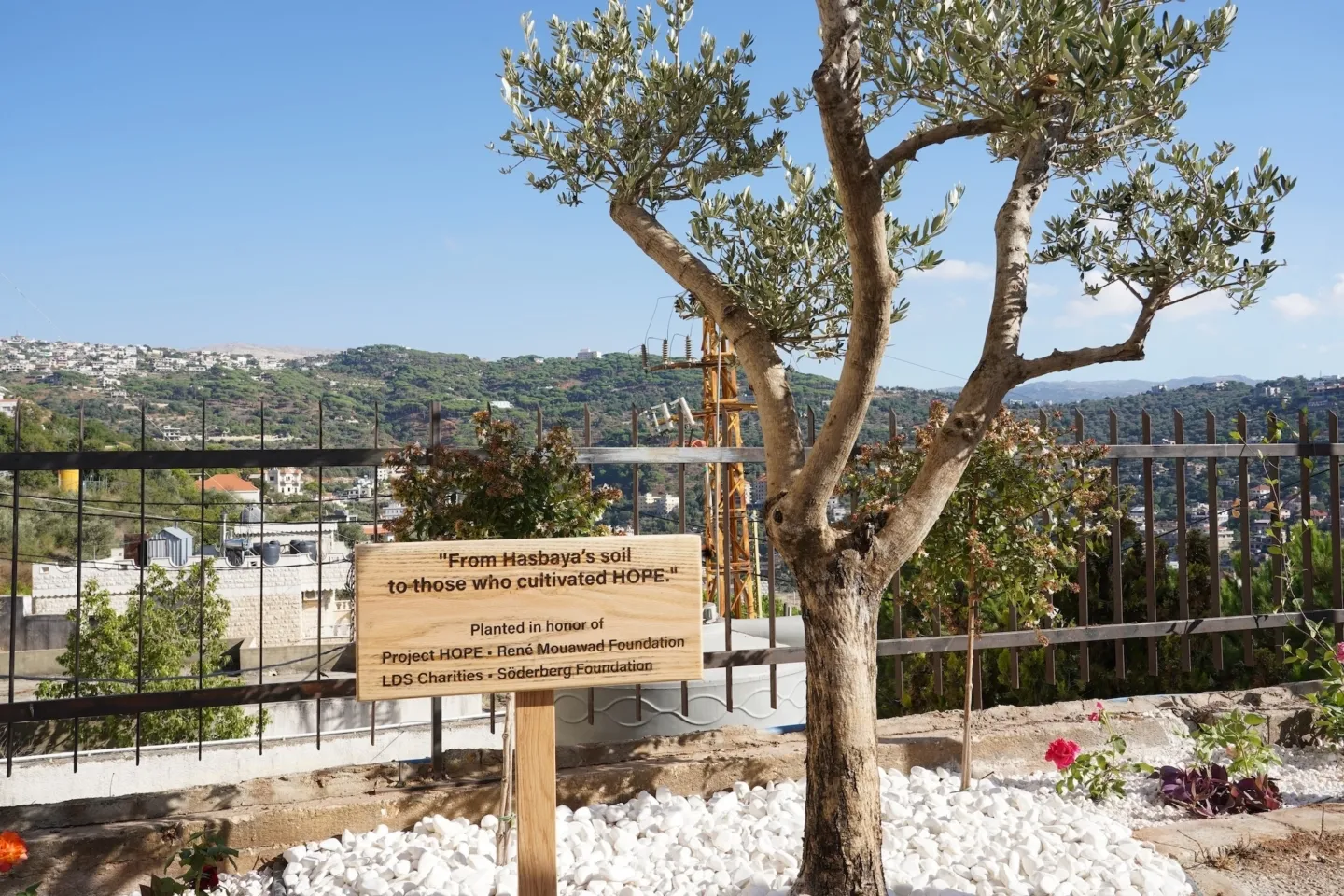
Dr. Samah and her team later invited us outside to plant an olive tree in recognition of Project HOPE and the partners and donors who helped make the hospital’s progress possible. MP Hamdan joined us for this symbolic moment.
In Lebanon, the olive tree is more than just a tree. It represents peace, endurance, belonging, and the deep connection between people and their land.
As we planted that young tree, I couldn’t help thinking about what it symbolized.
Long after our visit, long after the current crisis, I hope that tree will still be standing, its roots growing deeper and its branches offering shade to future generations.
In many ways, that is exactly what we hope to accomplish through our work: not simply responding to today’s emergency, but helping build something that will last.
Throughout our visit, we also spent time with frontline healthcare workers participating in Project HOPE training programs.
Some were learning techniques to manage stress, trauma, and burnout. Others were participating in mass casualty management training, preparing for the possibility of another devastating attack.
It is heartbreaking that healthcare workers must constantly prepare for the next mass casualty event. But it is also inspiring to see their commitment to being ready to save lives when that moment comes.
In northern Lebanon, we visited Halba Governmental Hospital in Akkar, one of the country’s poorest regions.
The hospital serves a population of approximately half a million people, and the pressures on its staff and facilities are enormous.
Its director, Dr. Khodreen, has guided the hospital through some of Lebanon’s most difficult years. He and his team are doing everything they can to provide quality care, but they urgently need support to expand and rehabilitate the facility to meet the growing needs of the surrounding communities.
As we walked through the hospital, I was struck again by how much is being accomplished with so little.
And that became a recurring theme throughout the trip.
Healthcare workers attending training sessions after exhausting shifts. Emergency responders preparing for the next crisis without knowing whether their salaries will be paid. Hospital directors finding creative ways to keep services running. Young volunteers giving their time and energy to help others.
Everywhere we went, we met people who had every reason to be discouraged, but who continued to work, innovate, and believe in a better future.
They weren’t waiting for someone else to fix things. They were doing what they could, with what they had, for the people around them.
That, to me, is the Lebanon I know.
Everywhere we went, we met people who had every reason to be discouraged, but who continued to work, innovate, and believe in a better future.
They weren’t waiting for someone else to fix things. They were doing what they could, with what they had, for the people around them.
People often speak about the resilience of the Lebanese people. And yes, Lebanon is resilient. Its people have survived extraordinary hardship.
But I sometimes wonder whether we have come to expect too much of that resilience.
People should not have to be endlessly resilient. They should not have to rebuild their homes, their businesses, their hospitals, and their lives over and over again.
They deserve stability. They deserve security. They deserve the opportunity to plan for tomorrow without fearing what might happen tonight.
And they deserve access to healthcare, regardless of where they live or what they can afford.
This visit reminded me of how much Project HOPE has accomplished in Lebanon, but also of how much more remains to be done.
We will continue working alongside local healthcare professionals and communities to strengthen hospitals, train frontline workers, expand access to medical and mental health services, and fill critical gaps in care.
Our goal isn’t simply to help Lebanon survive the next crisis. It is to help build a healthcare system that is stronger, more accessible, and better prepared for the future.
Like the people we serve, we are not giving up.
As I prepared to leave Lebanon once again, I found myself reflecting not only on the destruction and hardship we had witnessed, but on the extraordinary moments of life unfolding all around us.
In Hasbaya, women danced and sang in a restaurant while drones buzzed in the distance and plumes of smoke rose on the horizon.
In villages across the south, families welcomed us with extraordinary warmth, offering baskets filled with homemade olive oil, makdous, kishk, and za’atar. These were people who had experienced so much hardship, yet their first instinct was to give.
Children played soccer and proudly showed off their one-handed push-ups. Fishermen headed out to sea, hoping for a good catch. Families gathered around tables, sharing meals, stories, and laughter.
Life continued, even under the shadow of war.
These were people who had experienced so much hardship, yet their first instinct was to give.
I thought about the people we had met: Dr. Samah, Dr. Khodreen, the young volunteers in Mimess, the nurses and emergency responders, the families who welcomed us into their communities.
Their determination, generosity, and humanity are what give me hope for Lebanon.
I have spent much of my life working in countries affected by war, disasters, and humanitarian crises. I have seen extraordinary suffering, but I have also seen the remarkable capacity of people to help one another and rebuild.
When it comes to Lebanon, though, it is personal.
This is the country that shaped me. The place where I grew up, where my memories are rooted, and where a part of me will always belong.
I wish its people didn’t have to be so strong. I wish they could simply live, raise their children, pursue their dreams, and enjoy the beauty of their country in peace.
And I hope that one day, they will.
Until then, the hundred-year-old olive trees will continue to bear fruit. The cedars will continue to stand tall. The Mediterranean will continue to shimmer beneath the mountains.
And the people of Lebanon will continue to find reasons to live, to love, to laugh, and to hope. Because Lebanon is more than the crises it has endured. And its people deserve a future defined by so much more than survival.
Rabih Torbay is CEO of Project HOPE.