The Global Mental Health Crisis: How to Help
At least 1.2 billion people worldwide are living with a mental health disorder, with conditions like anxiety and depression being the most common. Learn more about this global crisis and what you can do to help.
What you need to know about mental health
Mental health challenges affect people in every community, in every country, and the need for care is growing. Conflict, displacement, disasters, economic uncertainty, and other crises can put additional strain on mental health and increase the need for care.
For people living through conflict, the risks are especially high: One in five people experiencing conflict will develop a mental health disorder, making it imperative that they receive support through tools such as psychological first aid to prevent lasting impacts.
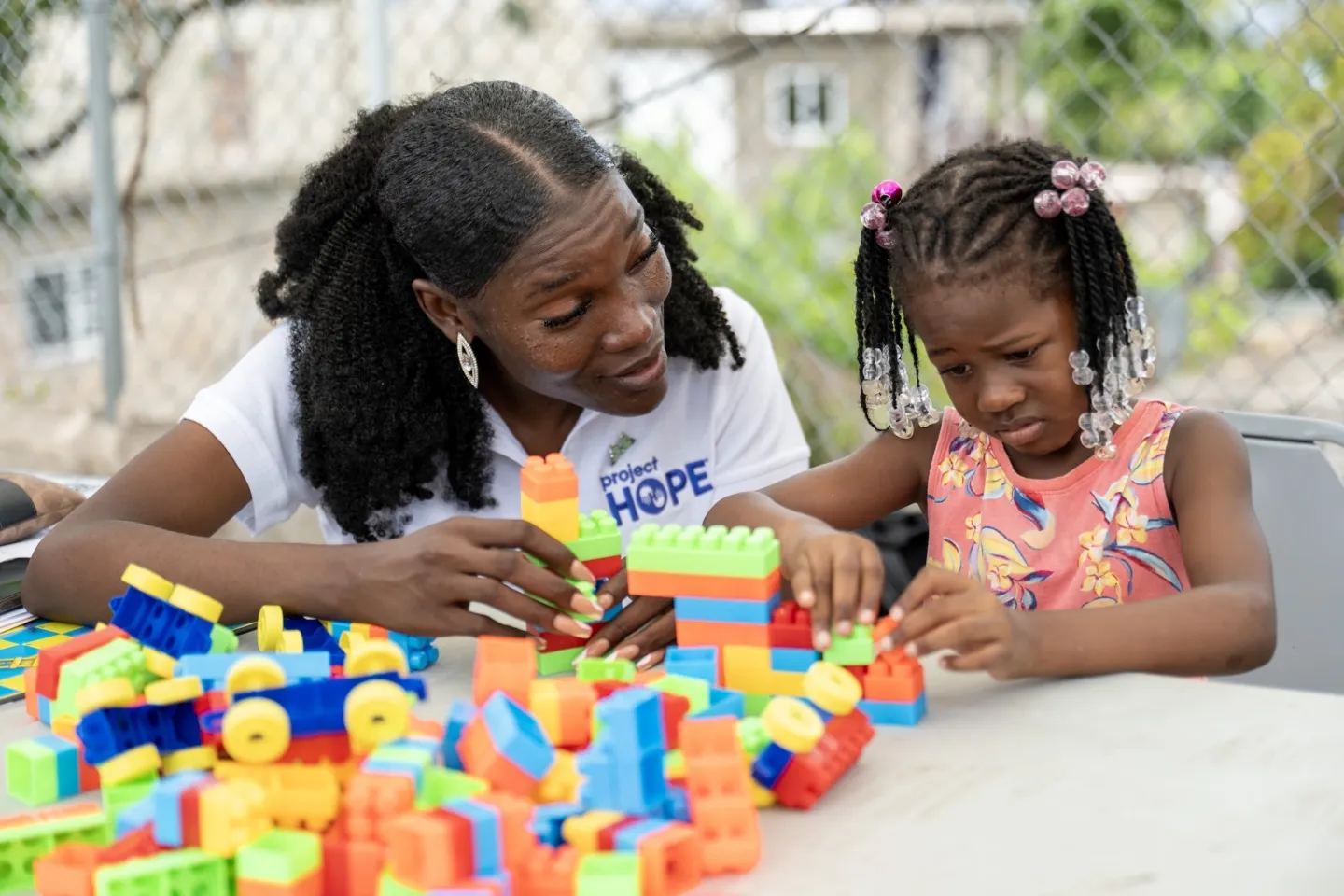
>> READ MORE: What is Psychological First Aid?
Yet for most people, mental healthcare remains out of reach. A shortage of trained health workers, stigma and discrimination, and the cost of care can all prevent people from getting the help they need. Half the world’s population lives in countries where there is only one psychiatrist for every 200,000 patients, while governments only spend about 2% of their health budgets on mental healthcare.
These gaps are especially severe in under-resourced communities, underscoring the need to make mental healthcare more accessible and integrate it into primary healthcare and other trusted, stigma-free entry points to care.

1 in 4
women experience depression
Women are twice as likely as men to be diagnosed with clinical depression.

>1.2 billion
people worldwide live with a medical health condition
Mental health conditions are the second-leading cause of long-term disability, impacting 1 in 7 people worldwide.

1 in 3
young adults face mental health issues
The most common mental health conditions faced by children are depression, anxiety, and post-traumatic stress disorder.
What is Project HOPE doing to help?
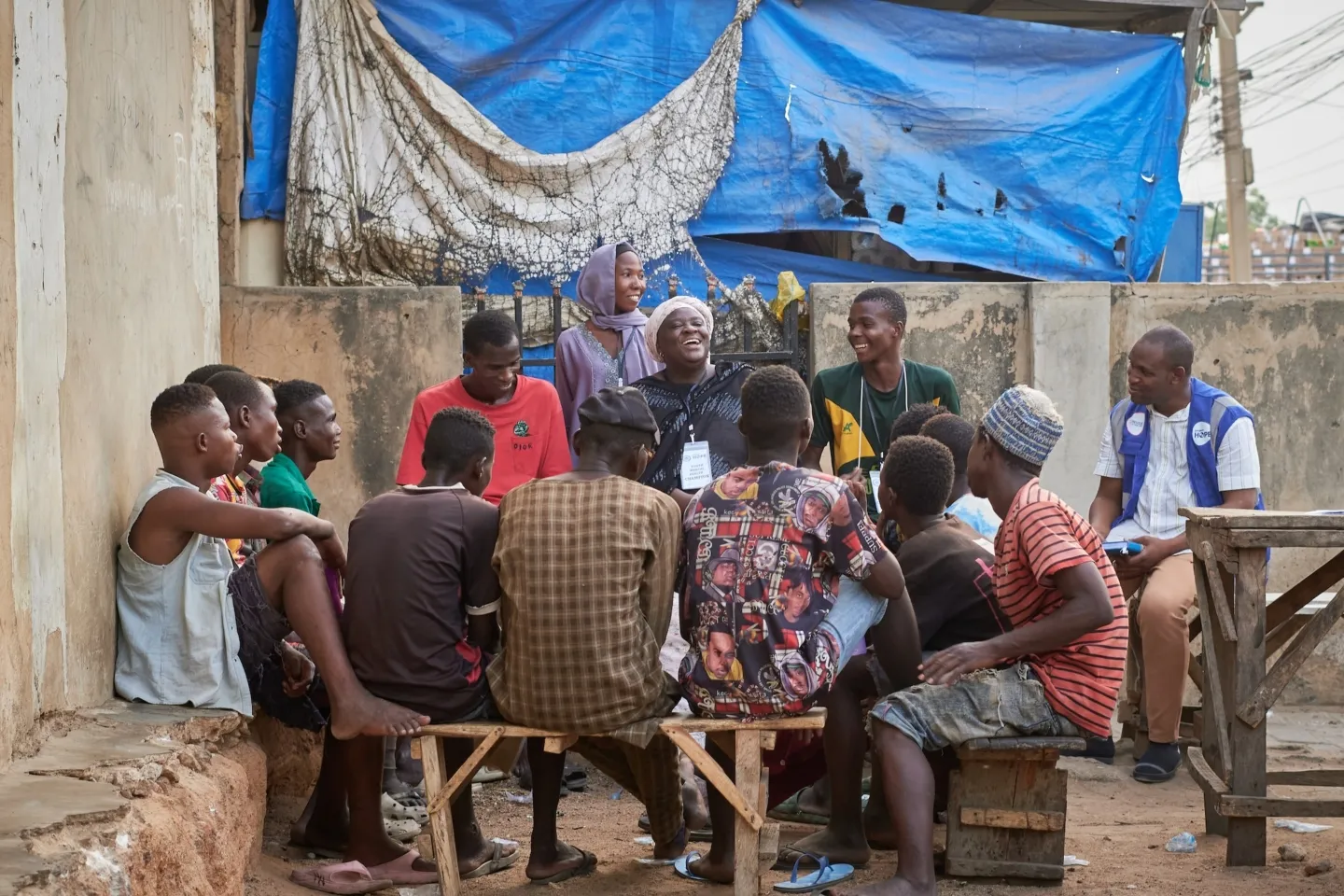
Project HOPE is expanding access to mental healthcare and psychosocial support for health workers, refugees, migrants, new mothers, and people with chronic health conditions around the world.
Nearly every program and response includes mental health support. We understand that mental health is integral to primary healthcare, and our mental health experts are trained to help patients access the support they need to survive and thrive.
Mental health is essential at every stage of life — and especially during emergency and humanitarian responses, when disasters, crises, outbreaks, climate events, and extreme weather can deepen existing needs and create new ones.
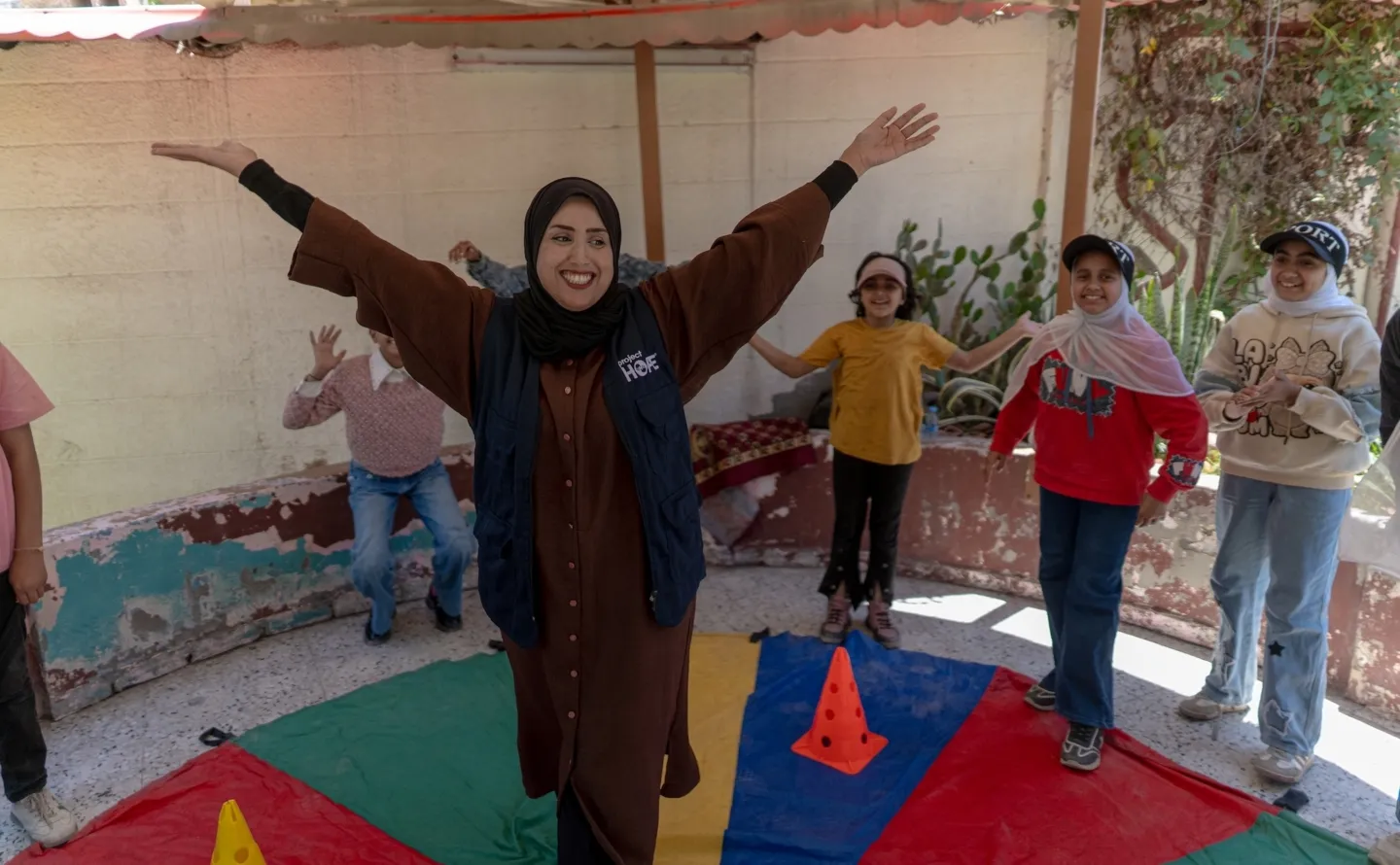
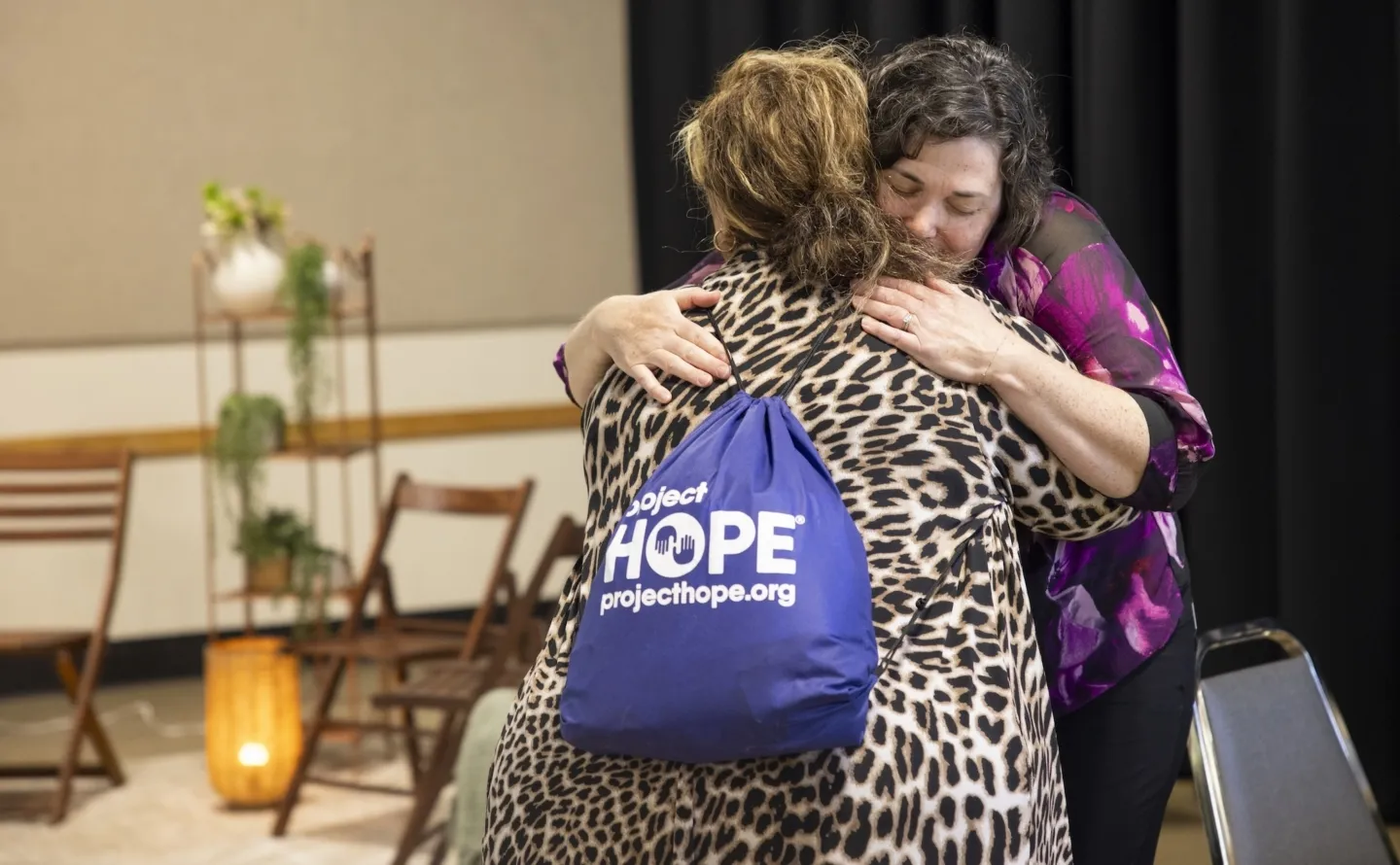
In Gaza, Project HOPE provides psychological first aid, one-on-one and community-based support, psychiatric care, and medication management for children and families, reaching more than 23,000 people in 2025 alone.
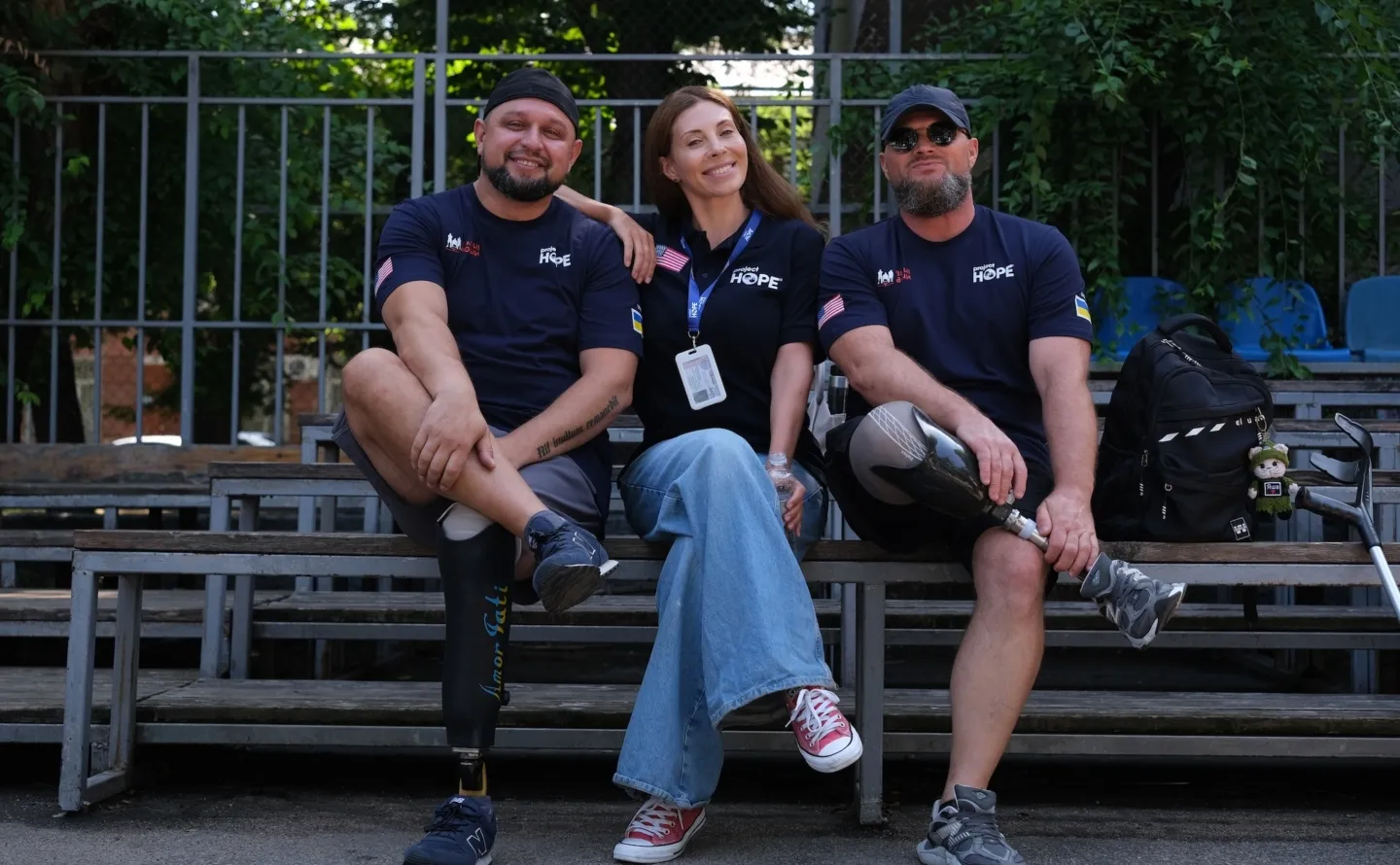
In Ukraine, our team provides mental health and psychosocial support services through on-site activities, online consultations, and outreach to families internally displaced by conflict, reaching more than 422,000 Ukrainians since 2022.
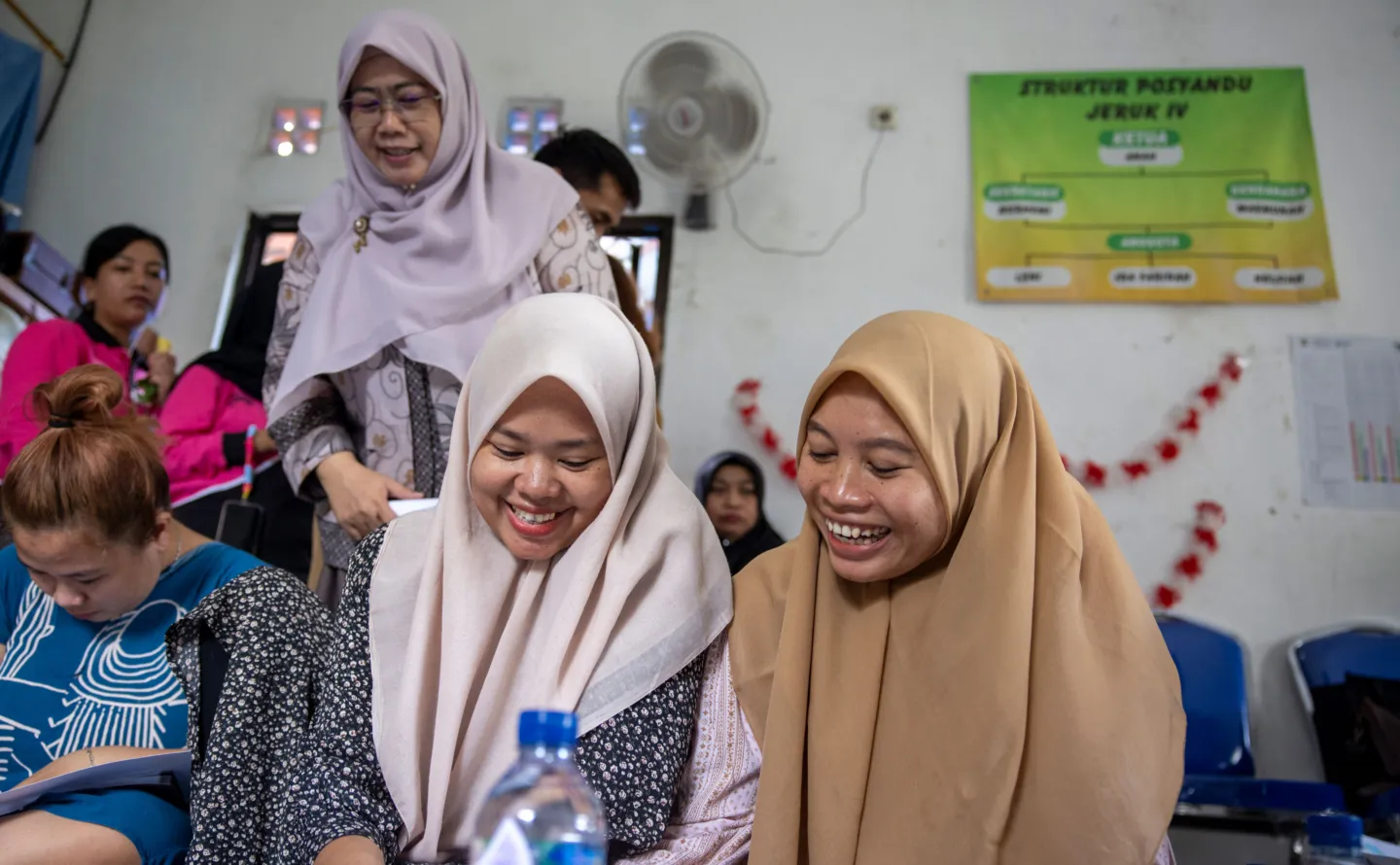
In Indonesia, Project HOPE supports the health and well-being of adolescent girls, young women, and new mothers as they navigate menstruation, maternity care, new motherhood, and other major life transitions.
In the U.S., our teams supported the mental health of children, families, and frontline workers affected by the 2025 Los Angeles wildfires. We also created stigma-free pathways to care, connecting people with support networks and mental health services when needed.
Our emergency response teams provide mental health support and psychological first aid after disasters strike. In places like in Colombia, Venezuela, Türkiye, and the United States, our emergency responses place mental health at the forefront of the care we provide.
See all emergencies we are responding to >>
Project HOPE also helps healthcare workers safeguard their own mental health and well-being while dealing with the daily stressors of their work. During the COVID-19 pandemic, more than half of all health workers experienced mental health issues and burnout. To protect their mental health, Project HOPE launched mental health and resiliency trainings, reaching more than 100,000 health workers across 41 countries.
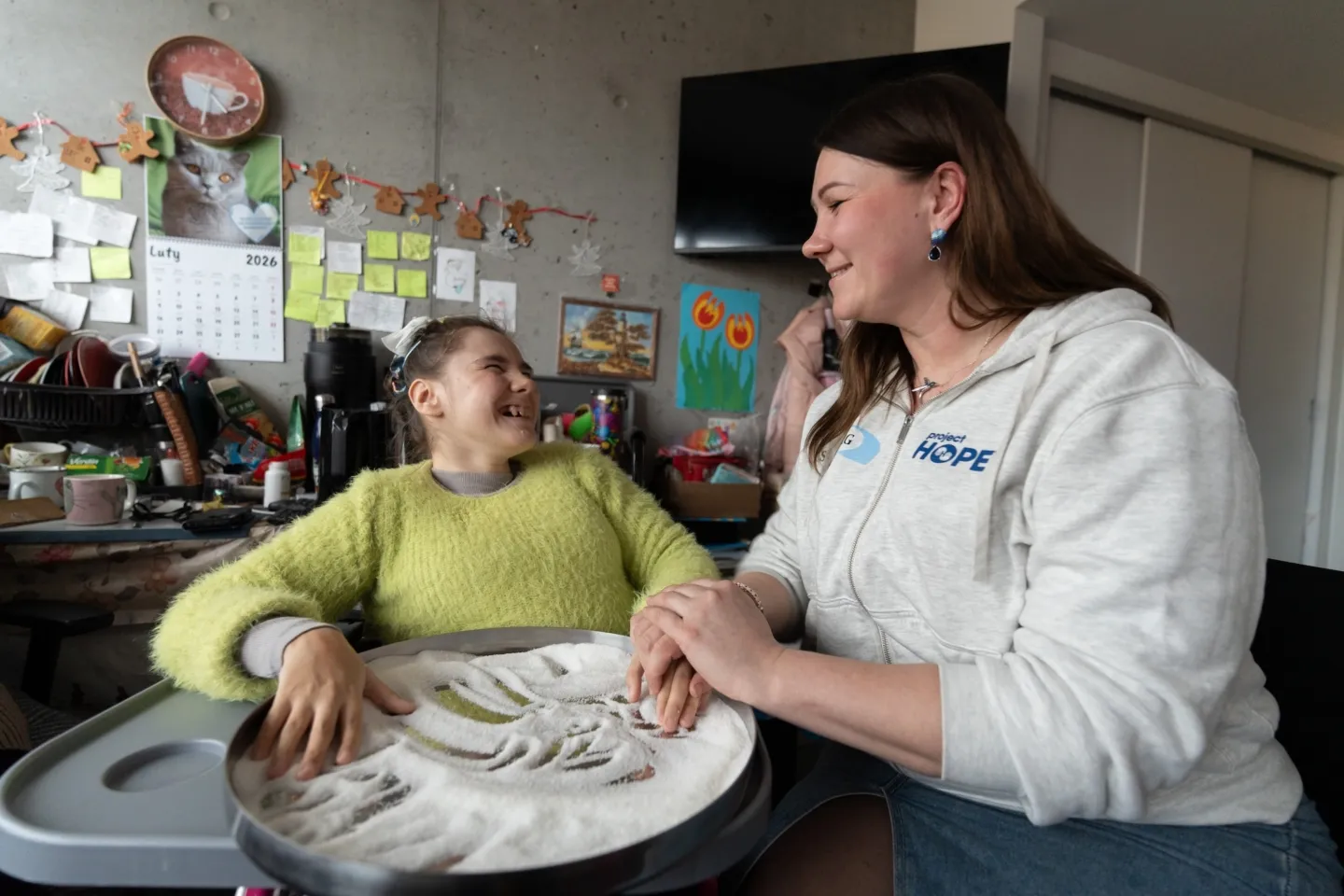
What can you do to help?
There are many things you can do to support mental health, for yourself, the people around you, and communities around the world.
Protect your own mental health. Check out our Mental Health Resource Center and explore the resources designed to help you manage stress, recognize when someone may need support and prioritize your well-being:
- 5 Steps to Help Someone in Distress
- Take a Break, Take Care of Yourself
- Quiz: Mental Health Check-in
- Find a psychologist near you
Support the people around you. Check in with friends, family members, and colleagues. Listen without judgment, learn to recognize signs that someone may be struggling, and help connect them with professional care if they are open to support.
Help break the stigma. Talking openly about mental health can make it easier for people to share their own experiences and seek care. Share trusted information, challenge misconceptions, and remind the people in your life that mental health is an essential part of overall health.
Make a global impact. Your support can also make an impact globally. Project HOPE works with communities around the world to expand access to mental health and psychosocial support. By supporting Project HOPE, you can help ensure more people around the world have access to comprehensive mental healthcare and support, regardless of their circumstances.