2025 Showed Why Humanitarianism Matters
This year, the difficulty of our work was compounded by devastating shifts in the humanitarian aid landscape. Project HOPE was forced to close USAID-funded programs in Ethiopia, Gaza, Haiti, Namibia, and Zambia this year, including programs that provided lifesaving humanitarian aid, HIV/AIDS services, and maternal health care. These terminations — like the thousands of others felt across the sector — had devastating consequences on the communities we serve.
These cuts do not change the fact that humanitarian aid is vital, lifesaving, worthwhile work that saves millions of lives. Still, they brought big questions about humanitarianism to the fore: Why do we do this work? Why does humanitarian aid matter? What does impact look like?
Why do we do this work? Because Hasan, who lost his wife in an airstrike, had no other place to take his daughter when she was facing starvation in Gaza.

Because Fouad was not supposed to live past 5. Today he is 6, and his mother, Jawahir, sits in our clinic counting every hour he is still alive.

And because Suzan, who lost her home in Gaza City, longs for something we take for granted: a safe place where her kids can see a doctor.

They are why we do this work. Because for so many people, Project HOPE is simply the only option for relief. I met them myself this year: hurricane survivors in Jamaica, refugee children in Poland, health workers in Lebanon, and internally displaced people in Ukraine who told me that Project HOPE was their lifeline to medical care.
Why does that work matter? Because for Oleksandr in Ukraine, it offered a place to heal from war alongside other veterans.

Because for Karina* in Colombia, it meant a team who could provide compassionate care for her daughter living with a disability.

And for Anna in Poland, it meant a psychologist would come visit her every week, offering support she could rely on.

This work matters because it’s personal. Humanitarianism is not a list of programs on a spreadsheet; it’s a community of people who deserve the same right to food, shelter, health, and safety. It matters because it changes lives.
And what does impact look like?
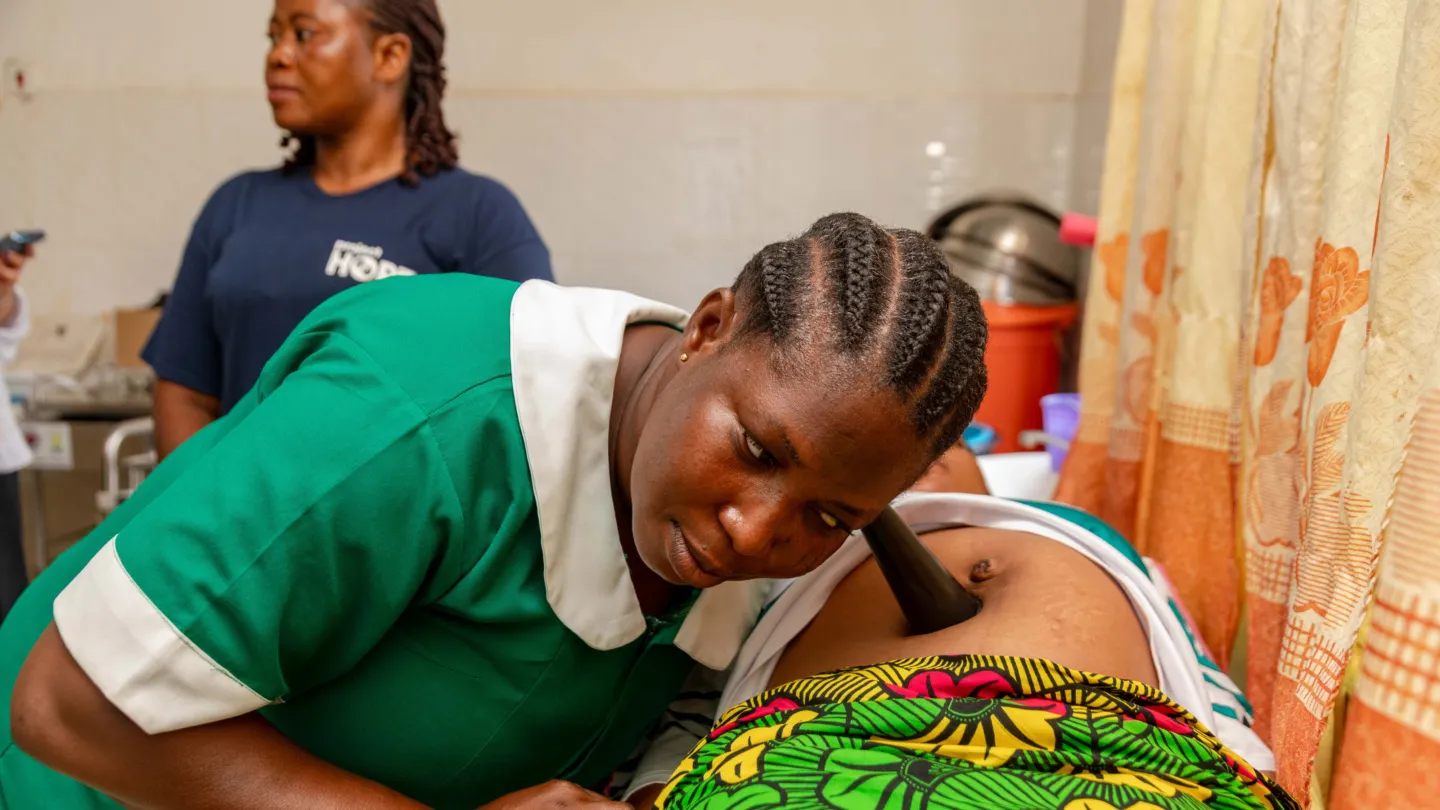
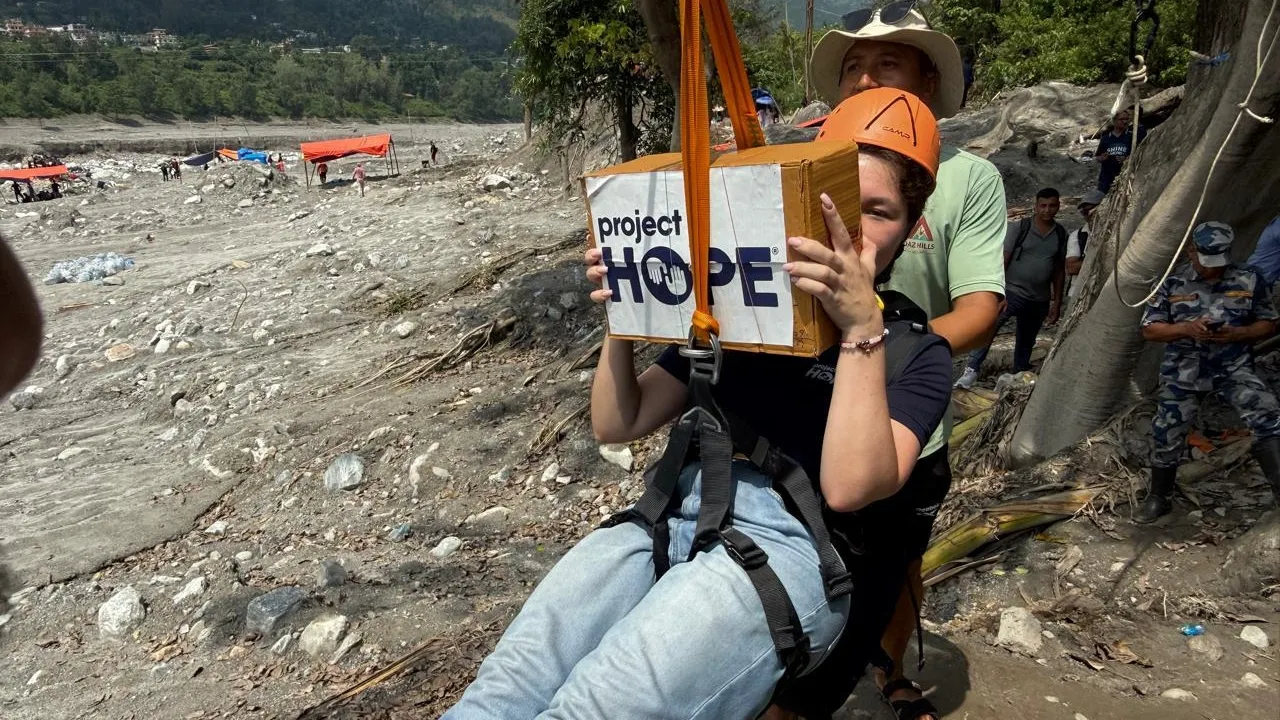
It looks like a community cut off by landslide in Jamaica receiving the supplies they desperately need; like kids in California finding the support to help them cope with trauma; like isolated communities in Myanmar being reached via boat; like health workers in Ghana, Malawi, and Sierra Leone learning the simple skills that can bring newborns back to life.


This is why humanitarian work is worth investing in: because there are people on the other end of it, facing unimaginable circumstances, often with no other options, simply trying to piece together the things so many of us take for granted.
Because of you, we were able to reach more than 5 million of them this year. Together, we move forward into a new year with a renewed sense of hope, purpose, and intention. Your support makes that possible. Thank you.
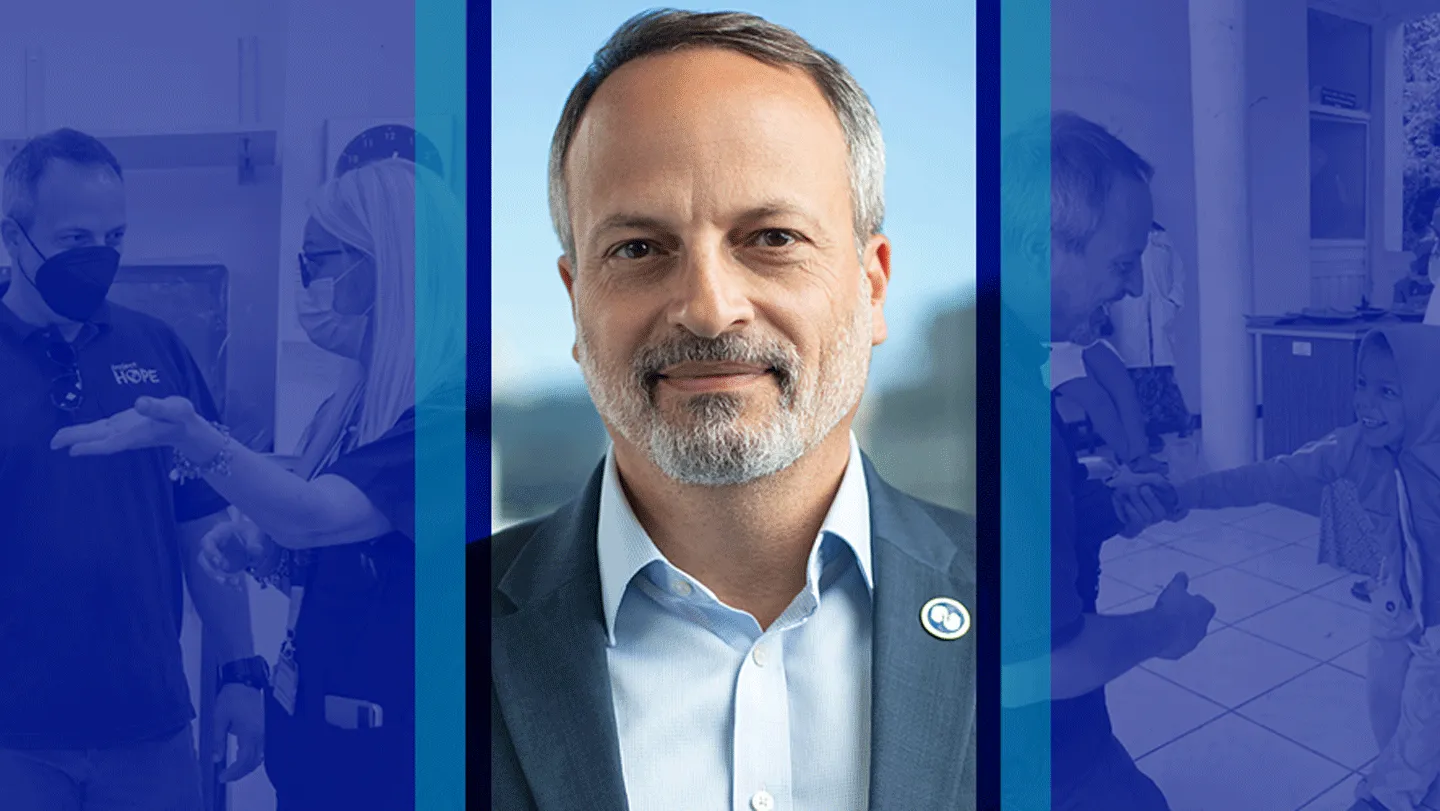
Rabih Torbay is Chief Executive Officer of Project HOPE.
*Name has been changed. Photos by Motaz Al Aaraj, Charlie Cordero, Nikita Hlazyrin, Matthew Khoury, Lema Concepts, and Project HOPE staff.