
Poland
Helping Ukrainian refugees access mental health care and improving local community services
The Context
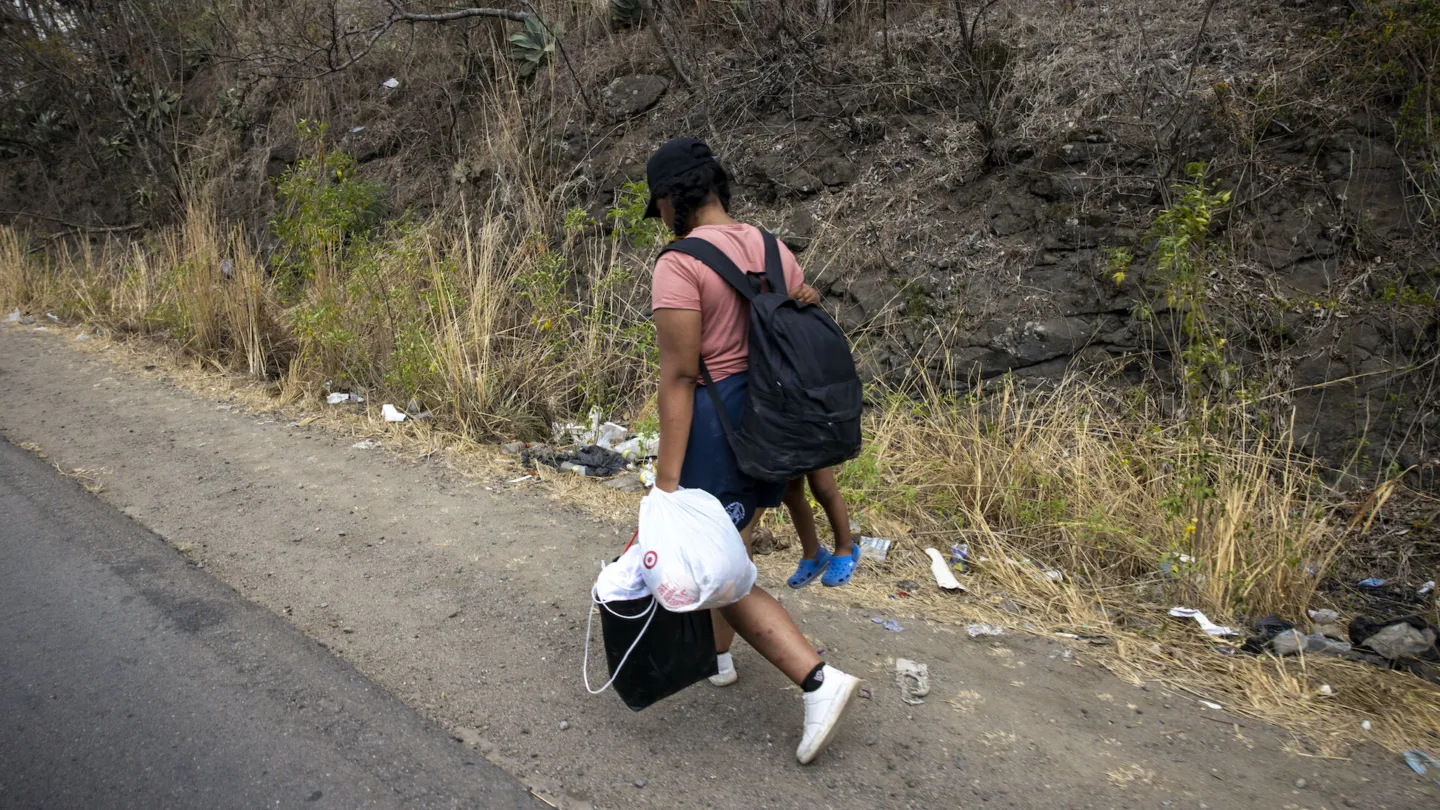
More than 17 million Ukrainian refugees have crossed the Ukraine-Poland border since Russia’s full-scale invasion. Today, nearly 1 million Ukrainians are living in Poland, almost all of whom are women and children. This increase in population has put pressure on Poland’s health and social service system services. Though the primary and mental health care needs among refugees are high, there are many barriers to care, including language barriers, cost, and transportation. In addition, Ukrainian refugee children are now attending local schools and families and educators require support to meet the needs of both Ukrainian and Polish children.

17 million
Ukrainian refugees have crossed into Poland
Poland has had highest number of border crossings in Europe and local communities need support navigating this new normal.

1 million
Ukrainian refugees remain in Poland
The number of Ukrainian refugees in Poland is larger than the population of Kraków and would be the second-most populous city in the country.

78%
of Ukrainian refugees are women or children
Nearly half of Ukrainian refugees are women and one-quarter are children, all of whom are at an increased risk of gender-based violence, abuse, and exploitation.
Our Impact
Expanding Access to Mental Health Services
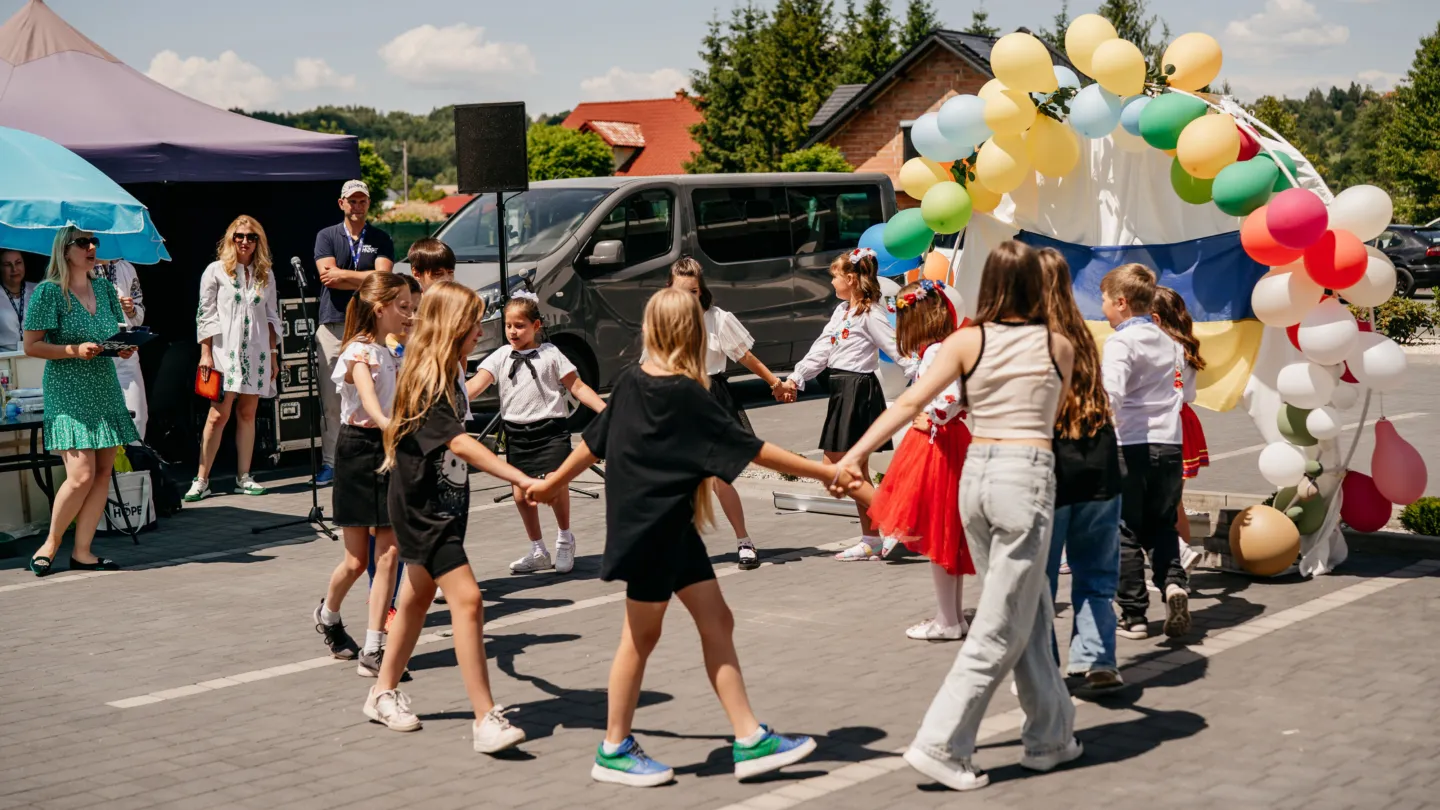
Project HOPE is improving access to mental health services for Ukrainian refugees and strengthening social services in Poland. Our team in Poland is running two mobile MHPSS units; bringing teams of psychologists, social workers, and other support staff to refugee accommodation centers; and providing refugees with tailored psychological sessions, individualized support, social cohesion activities, art therapy, and group therapy sessions. These mobile team have provided 2,278 mental health consultations since their inception.
Project HOPE is also working to ensure that the larger community has access to mental health support. Our local subsidiary, Project HOPE Polska, developed a specialized capacity strengthening curriculum to help educators and school health professionals support the mental health of all their students, improving access to support for both Ukrainian and Polish children.
The Mind CARE (Communication, Acceptance, Relationships, and Empowerment) training program has been used to equip 371 school and health professionals with the skills they need to support the needs of all students.
Previously, Project HOPE also supported two local partners, Zustricz Foundation, an all-Ukrainian women local organization in Kraków, and Podkarpackie Stowarzyszenie dla Aktywnych Rodzin, both of which worked to bring MHPSS services to refugees and together reached more than 17,000 children and caregivers with Project HOPE’s support.
Supporting University Children’s Hospital in Kraków
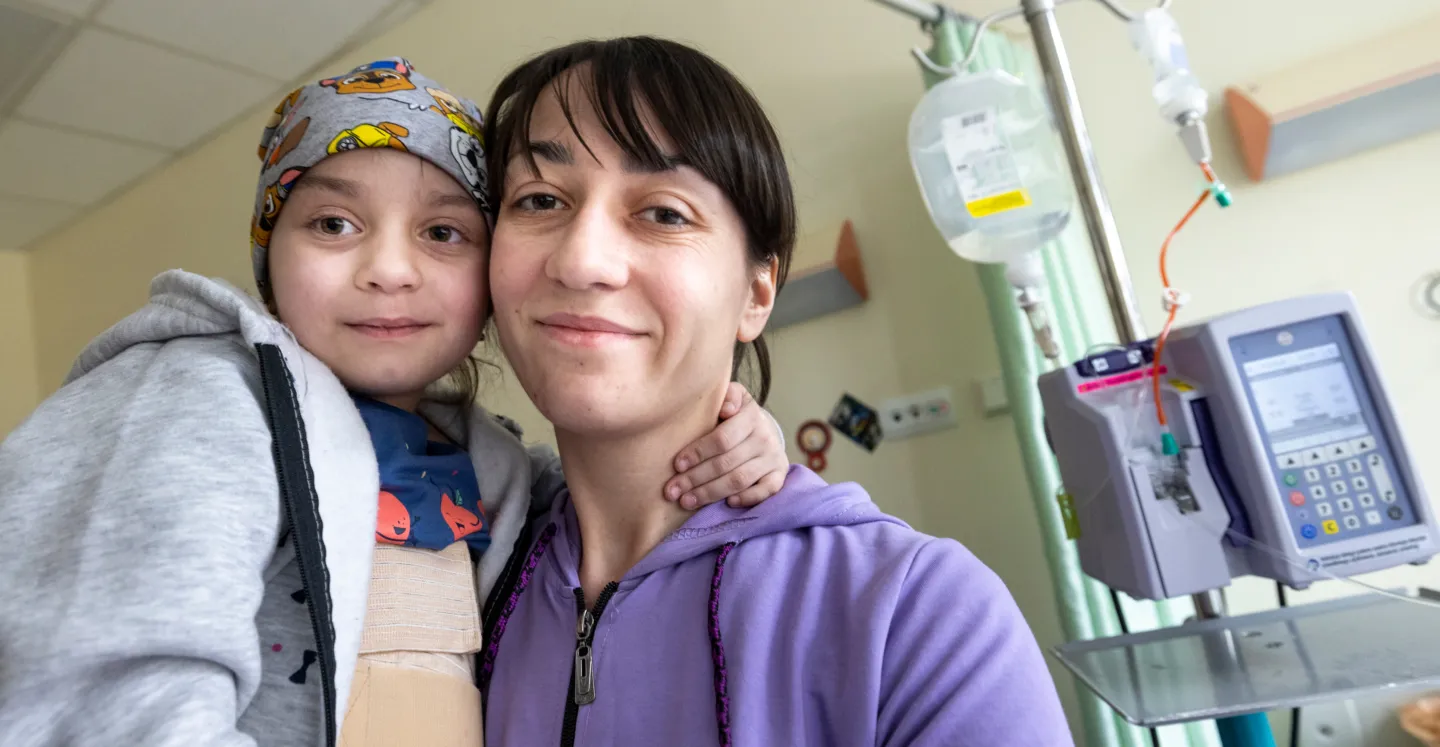
To respond to the urgent health needs of Ukrainian refugees in Poland, Project HOPE’s emergency response team reactivated its long-standing relationship with University Children Hospital (UCH) in Kraków by supporting the establishment of a Ukrainian children’s ward and additional mental health programming. As of early 2025, UCH has seen and treated 5,660 children from Ukrainian refugee families for oncology and hematology; general surgery and emergencies; treatment in physiotherapy; and outpatient/consultation visits. In addition to the grant, Project HOPE purchased $98,000 worth of medical equipment for UCH.
The impact of this work lives on in the increased capacity of health workers at UCH and the families who have thrived as a result.
Strengthening Physical Therapy and Social Services
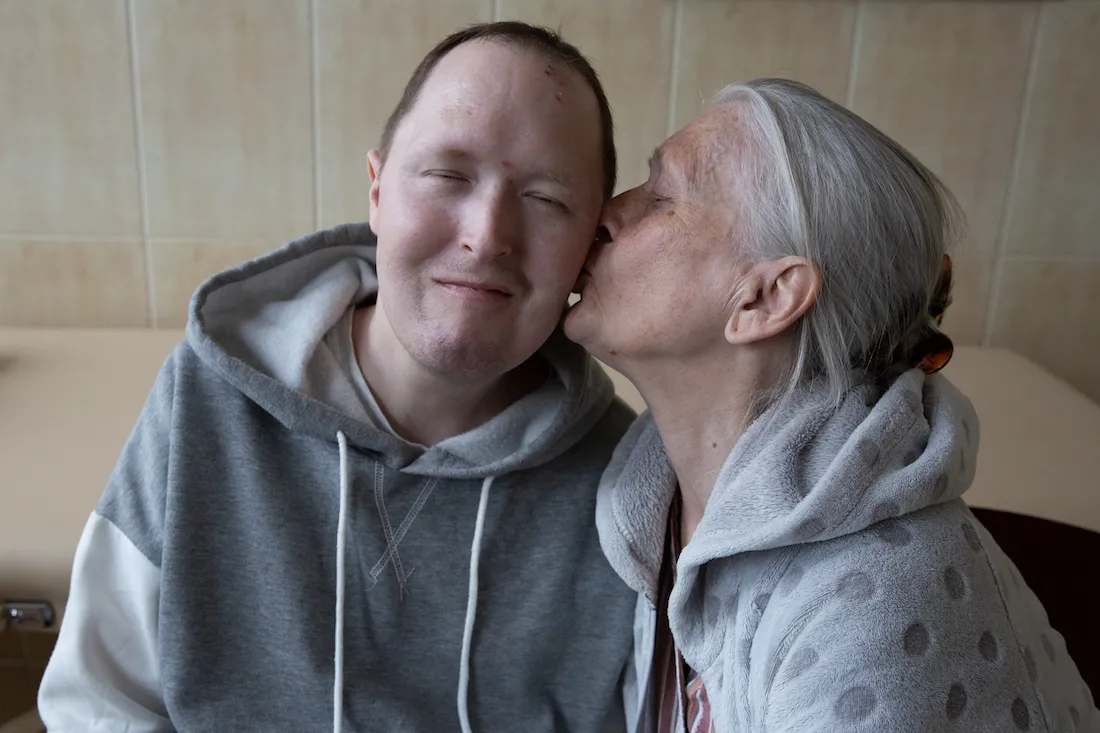
Project HOPE also previously supported health, social, and municipal facilities in efforts to strengthen the services available to people living with disabilities and those in need of physical rehabilitation services.
Our team in Poland equipped Krakow Municipal Social Welfare Center, the Rehabilitation Center for Children with Advanced Disabilities in Lublin, refugee accommodation centers, nurseries, and other social service facilities with mobility aids, rehabilitation equipment, medical devices, and other furniture to ensure that health workers had what they needed to care for patients and people with disabilities.
Project HOPE also previously supported Fundacja Dstępny Świat (Accessible World Foundation), a local organization based in Krakow, to open the SANUS Medical Center, which continues to provide physiotherapy, rehabilitation, and psychological support to Ukrainian refugees with disabilities. Through our support, we helped this group reach 1,689 Ukrainian refugees living with disabilities.
Our History in Poland
In 1974, Project HOPE was invited to assist the Polish-American Children’s Hospital (PACH) — now University Children’s Hospital of Krakow — to create education programs for health professionals serving the hospital, making it our longest-running relationship with a hospital in the world. We later completed a medical research facility adjacent to the hospital (1975), a 240-bed rehabilitation center (1988), a 16-bed center for newborns with an intensive care unit for premature infants (1990), and the Clement J. Zablocki Ambulatory Care Center (1996).
In 1996, we began the Managers for Reform of Polish Healthcare Program to support strategic planning, human resources, financial and operations management, health policy, and more. In 1998, we implemented a breast cancer awareness campaign for physicians, nurses, educators, psychologists, social workers, and breast cancer survivors. In 1999, Project HOPE began a multidisciplinary care of the special child and family program, training health workers who work with children with disabilities and their families and trained gastroenterology specialists to support the development of a Pediatric Gastroenterology Clinic. In 2009, Project HOPE launched a program for children with cancer to improve treatment outcomes.
In Poland, Project HOPE operates through our subsidiary Project HOPE Polska.

Donate
Please give now to deliver urgent relief to people facing disasters and health crises — and make a lasting impact by rebuilding clinics, supporting health workers, providing mental health care, and more.

Join
Follow us on social media, share photos and videos of our work with your family and friends, and join our community of global health champions.

Fundraise
Whether you’re looking to host an in-person event, create your own fundraiser for your birthday, do a charity stream, or run a race, join our community of fundraisers!