War in Ukraine: A Visual Timeline
Russia’s full-scale invasion of Ukraine in February of 2022 set off a humanitarian crisis that continues to ripple across the region. As the conflict evolved, Project HOPE grew its emergency response into a comprehensive humanitarian intervention that has reached more than 1.9 million people across four countries.
Here is how our response unfolded to meet the health and humanitarian needs of Ukrainians and strengthen the country’s health system long-term.

February 2022
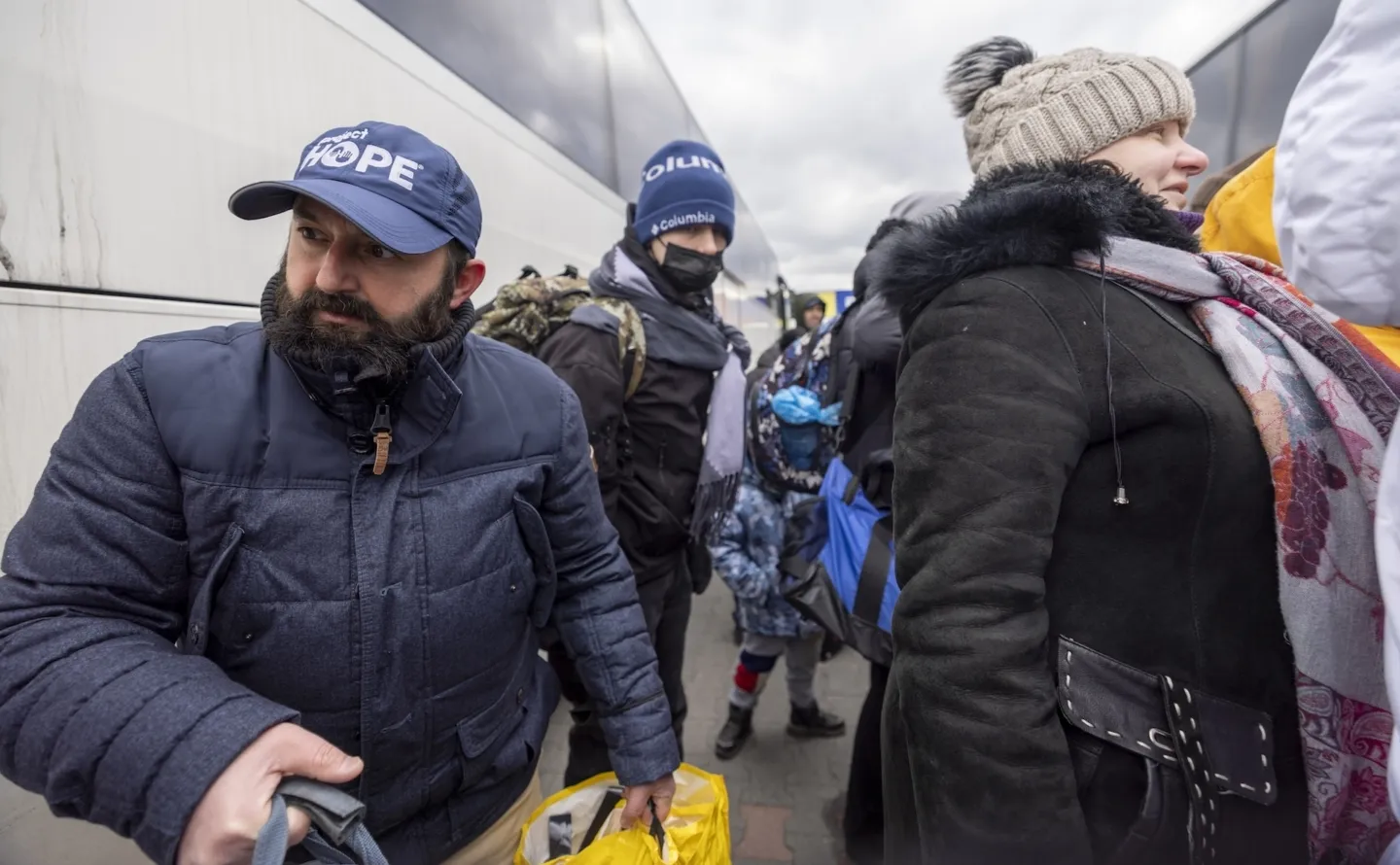
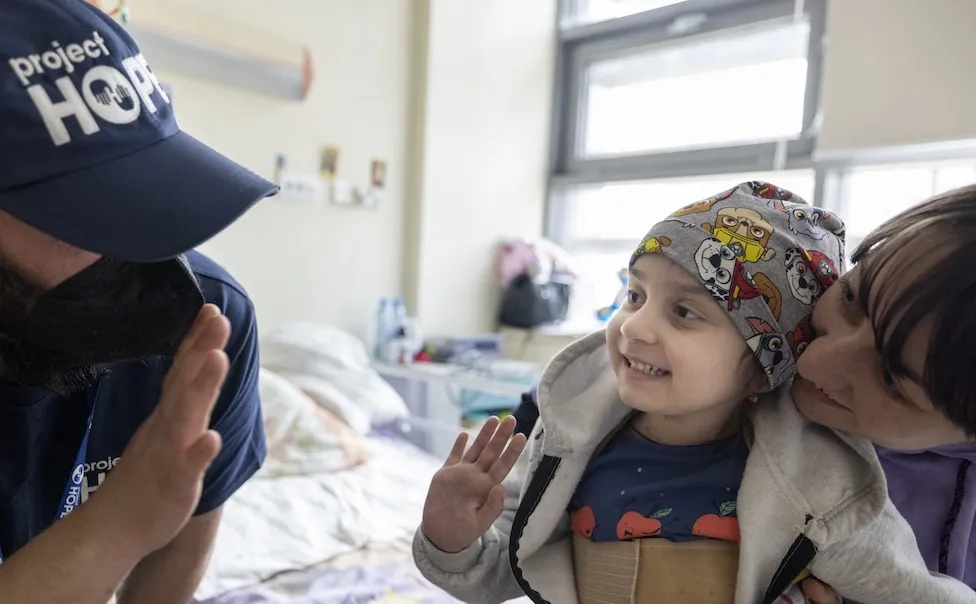
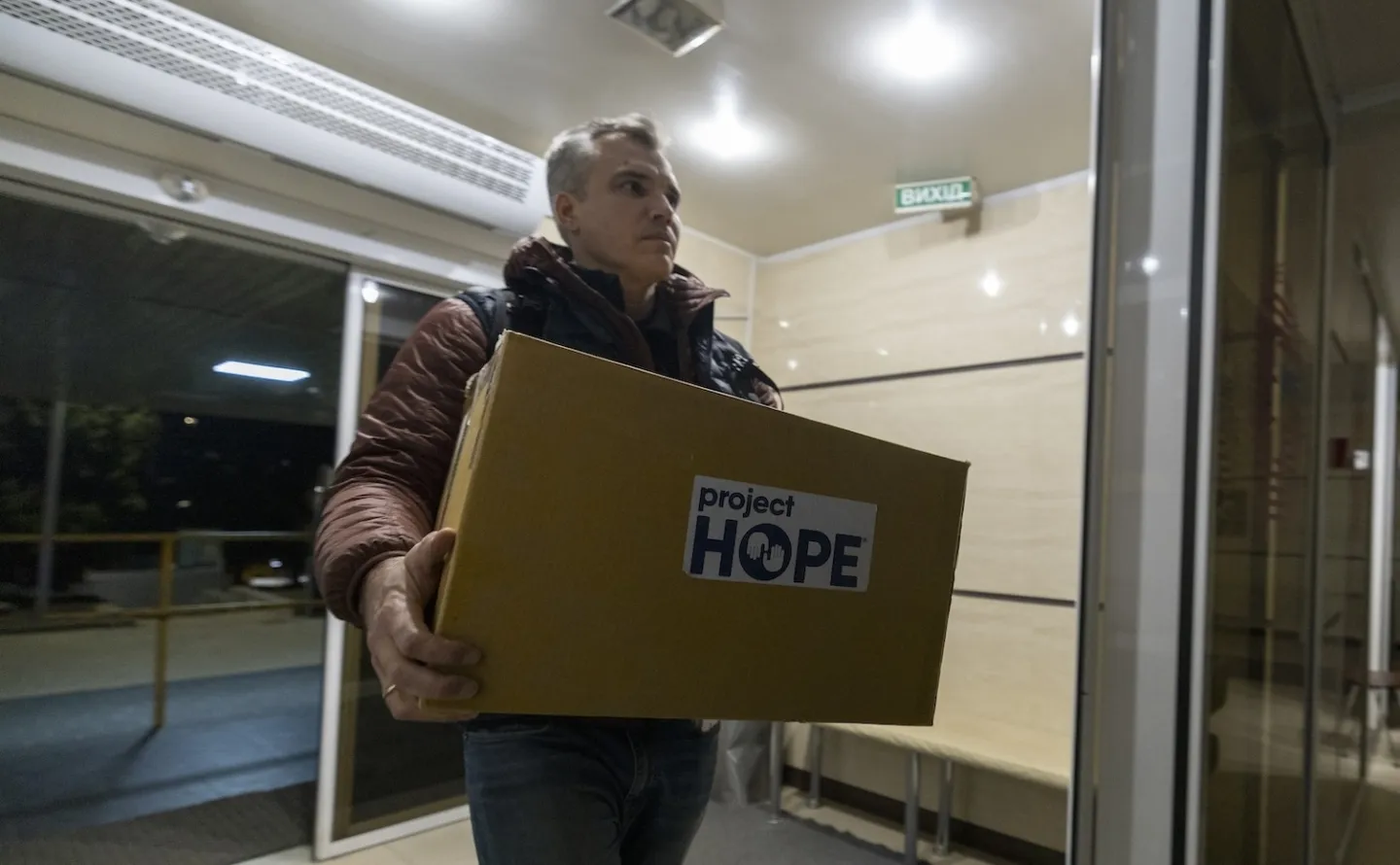
As the number of Ukrainian refugees quickly reaches 1 million, Project HOPE mobilizes urgent health and humanitarian assistance, including initial shipments of medicines and medical supplies.
March 2022
Project HOPE begins working with University Children’s Hospital in Kraków, Poland to supply a new ward for Ukrainian children with pharmaceuticals, medical supplies, and more.
April 2022
Project HOPE distributes 150 pallets of urgently needed medicines and medical supplies while establishing three hubs for future operations across Ukraine.
April 2022
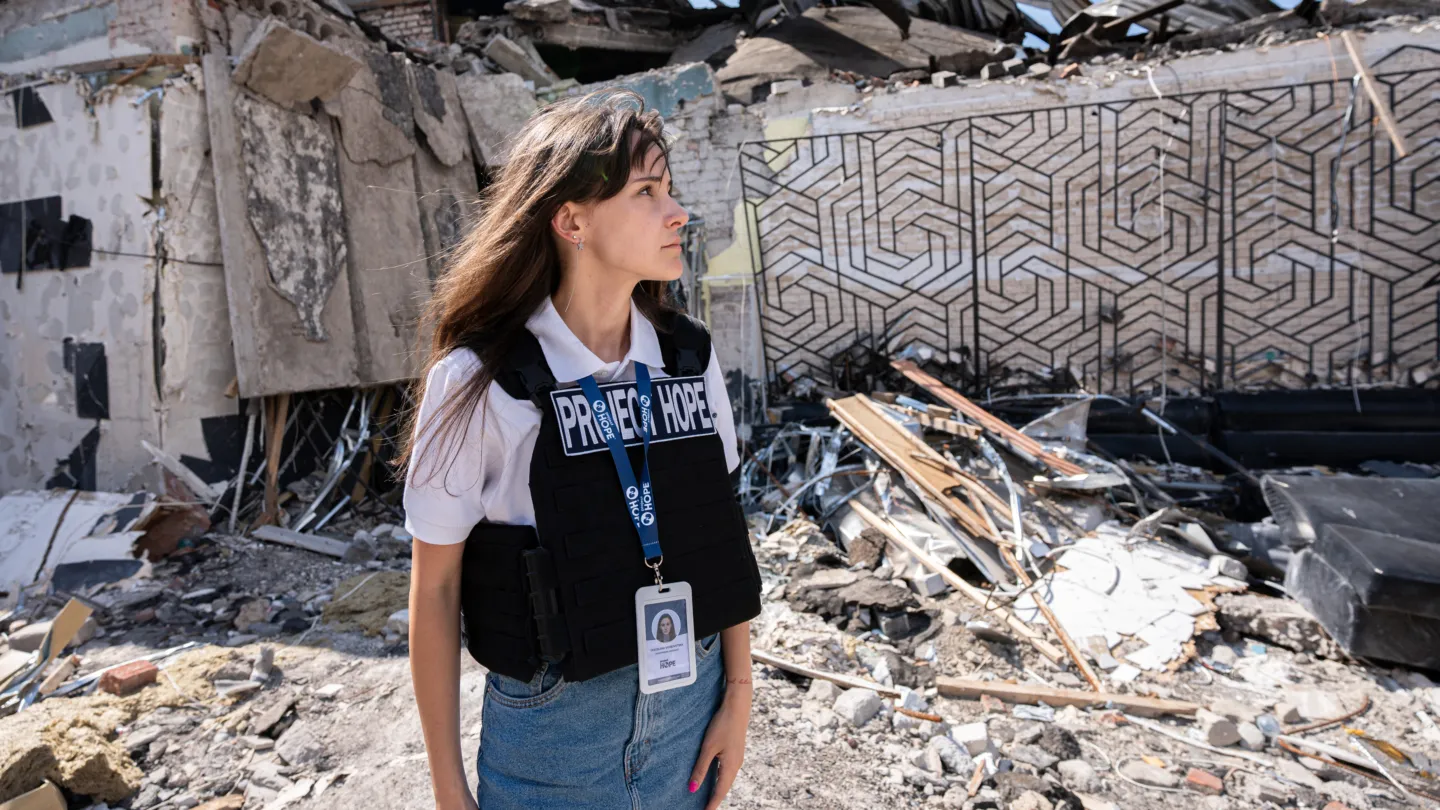
Project HOPE begins identifying hospitals and schools for rehabilitation and starts its first reconstruction project on a damaged hospital in Irpin.

May 2022
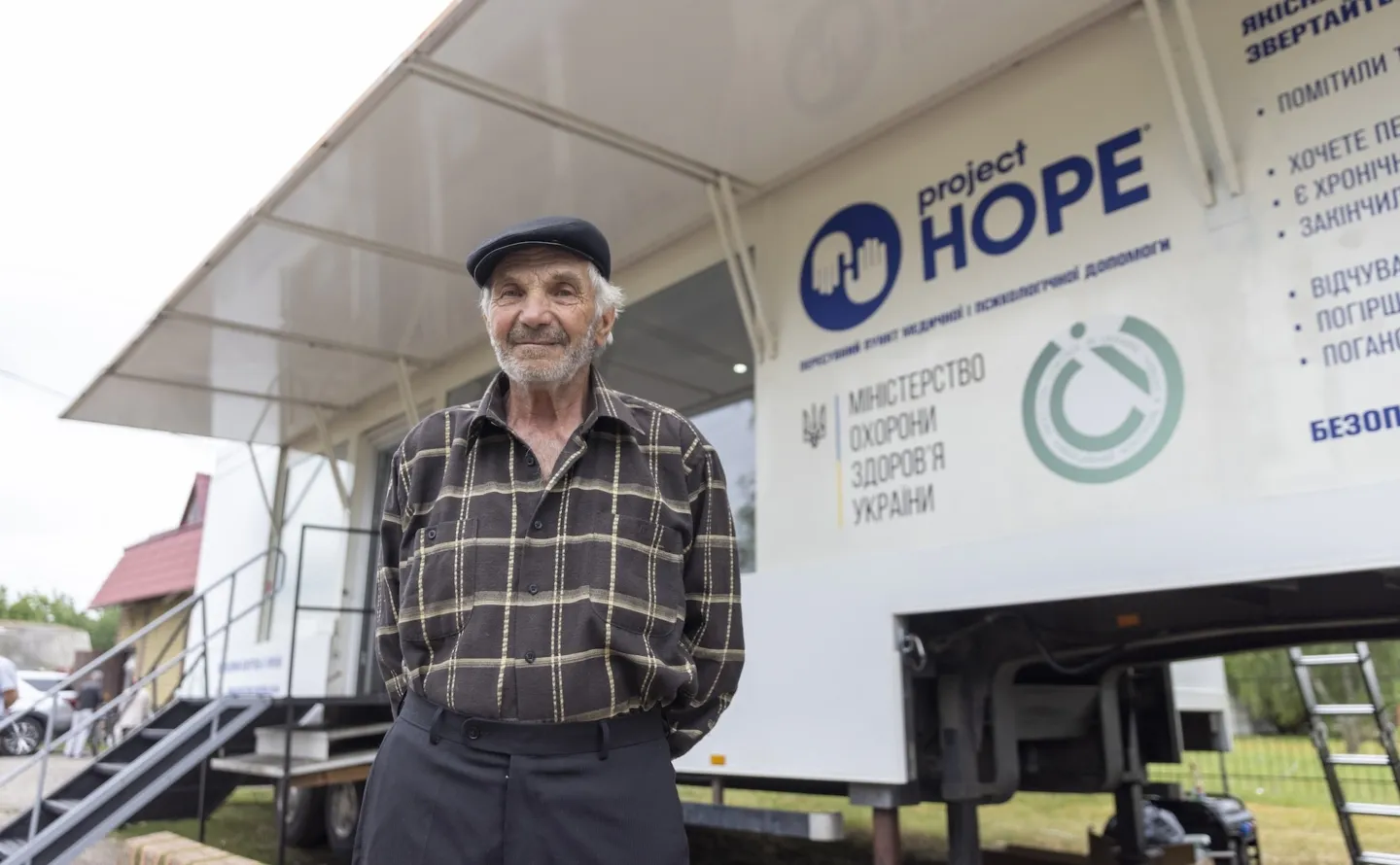
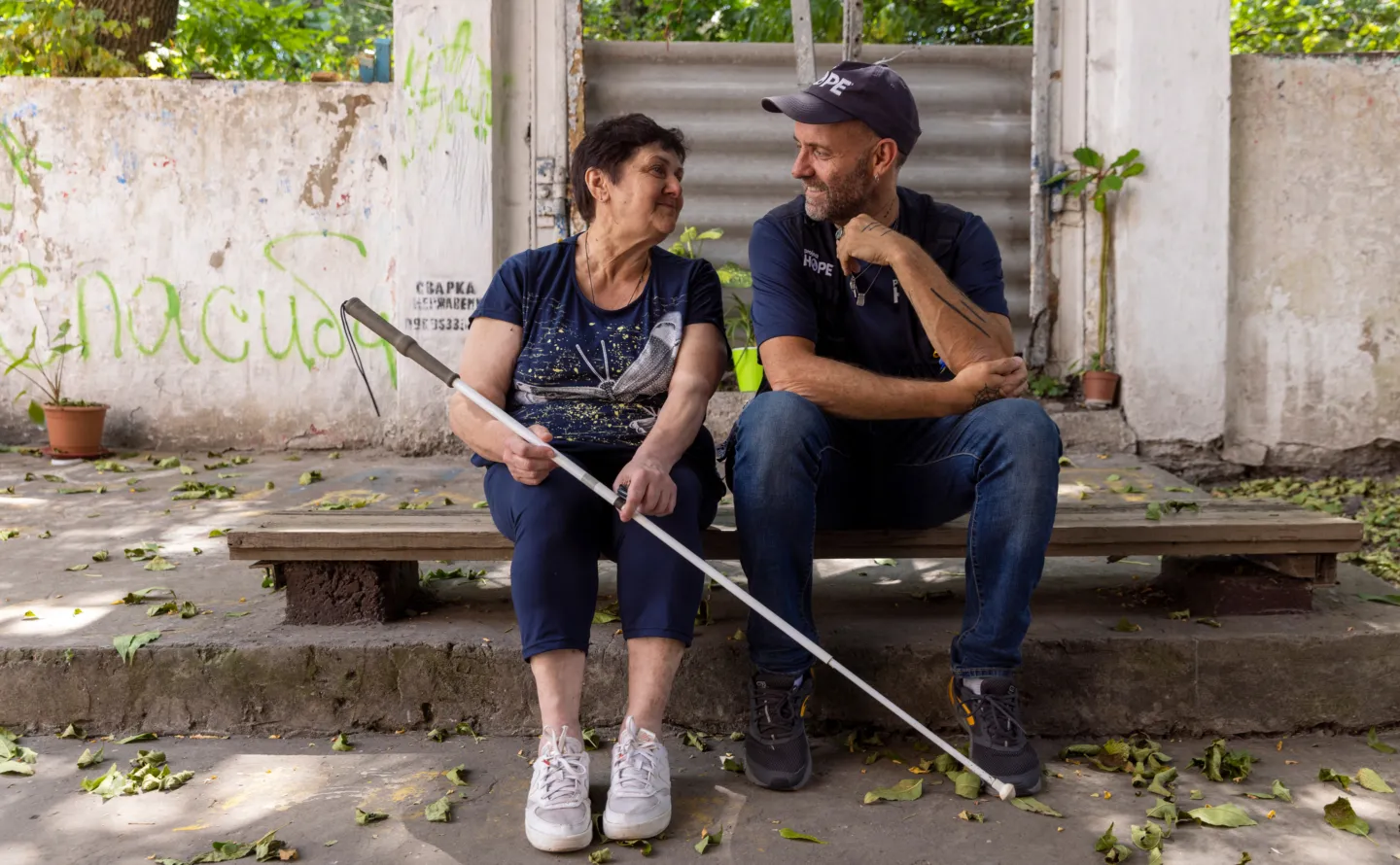
With more than 7 million Ukrainians internally displaced, Project HOPE launches its first three mobile medical units (MMUs) in Dnipro and Zaporizhzhia.
July 2022
In the first four months of our response, Project HOPE has delivered $4.7 million in relief, supported 50 health facilities, and opened its first mental health and psychosocial support (MHPSS) center in Poland.
December 2022
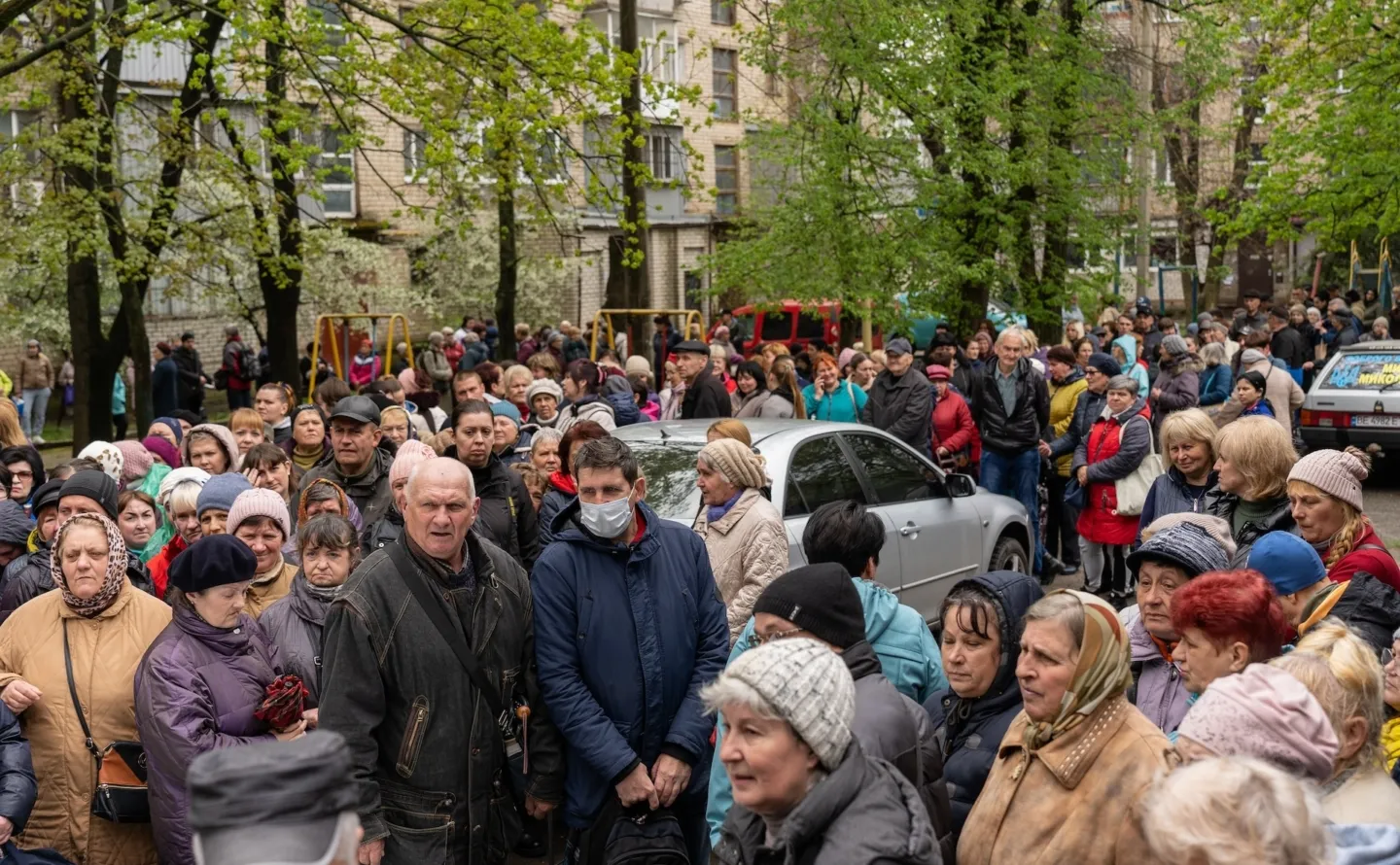
With winter settling in, Project HOPE distributes hygiene kits in Kherson along with generators, vehicles, and other support to strengthen Ukraine’s health system.
“Being Ukrainian is a source of pride, but it is also incredibly difficult. My family has faced many challenges this year, and my emotional state has been far from ideal. But I refuse to lose hope.”
– Viktoria Drogomeretskaya, Activity Coordinator, Kharkiv, Ukraine

April 2023
With Project HOPE’s support now reaching 300 health facilities, our teams continue providing vital community-level support, including hygiene kit distributions in Mykolaiv and 120,000 liters of clean drinking water in Kherson.
June 2023
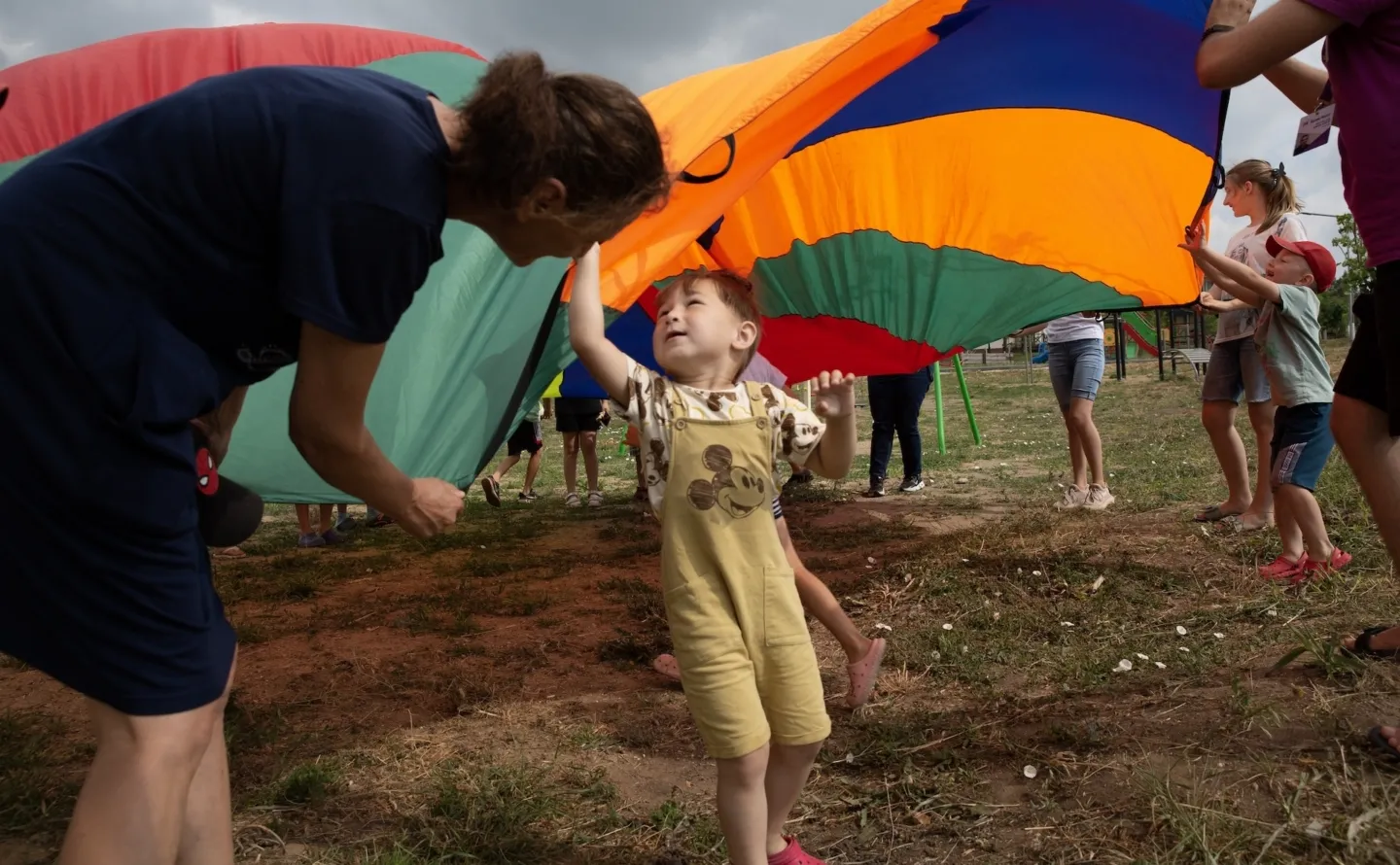
Project HOPE staff and children celebrate International Children’s Day at a safe space in Odesa. In the first 500 days of our response, Project HOPE has provided mental health services to 58,000 Ukrainians.
June 2023
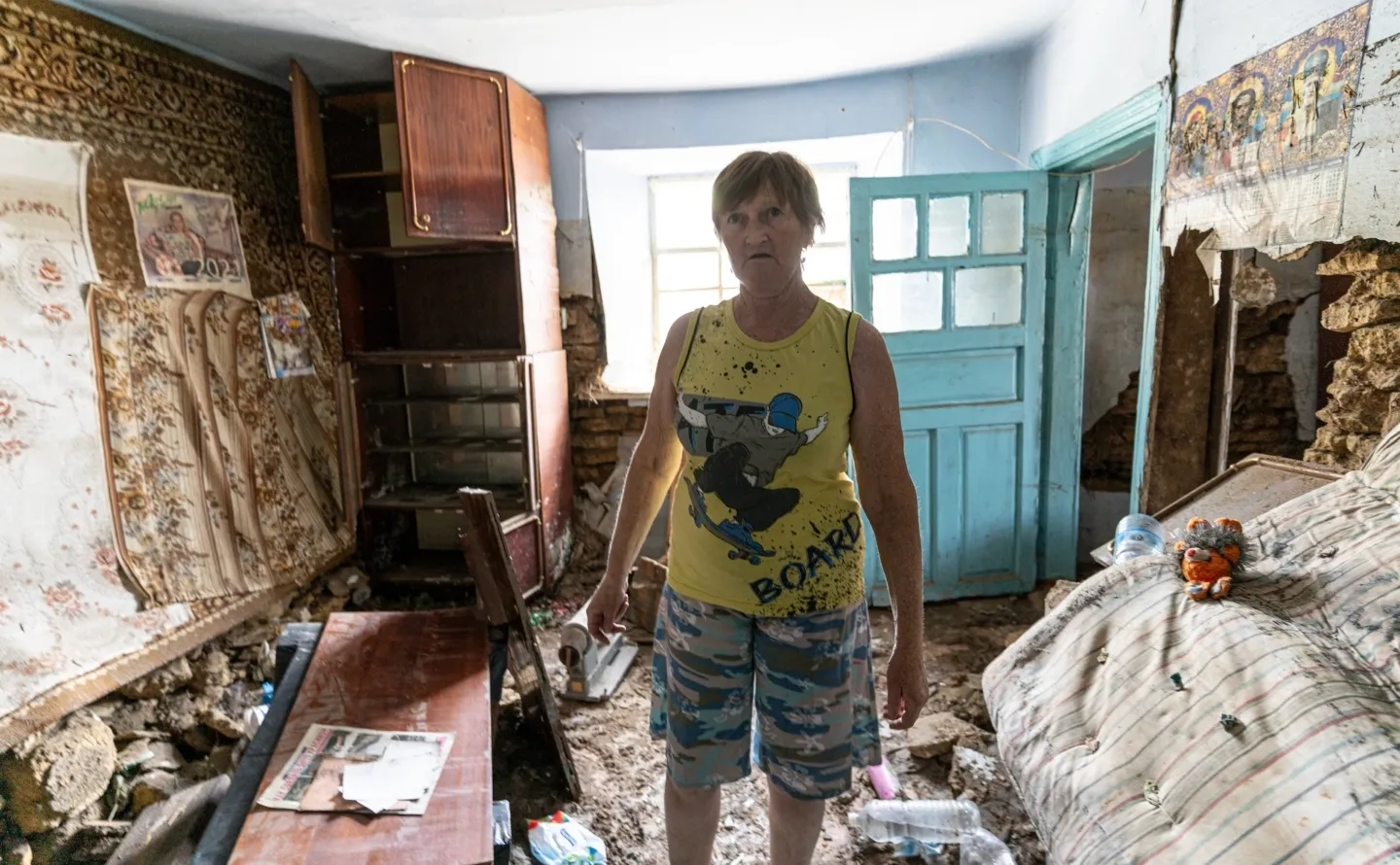
Russia’s destruction of the Kakhovka Dam creates devastating flooding in the village of Novotymofiyivka. Project HOPE distributes clean water to help residents meet their immediate water, sanitation, and hygiene (WASH) needs.
June 2023
Together with The Moldova Project, Project HOPE builds nine playrooms for Ukrainian and Moldovan children across Moldova that provide mental health activities, art therapy, music therapy, games, and social cohesion activities.
August 2023
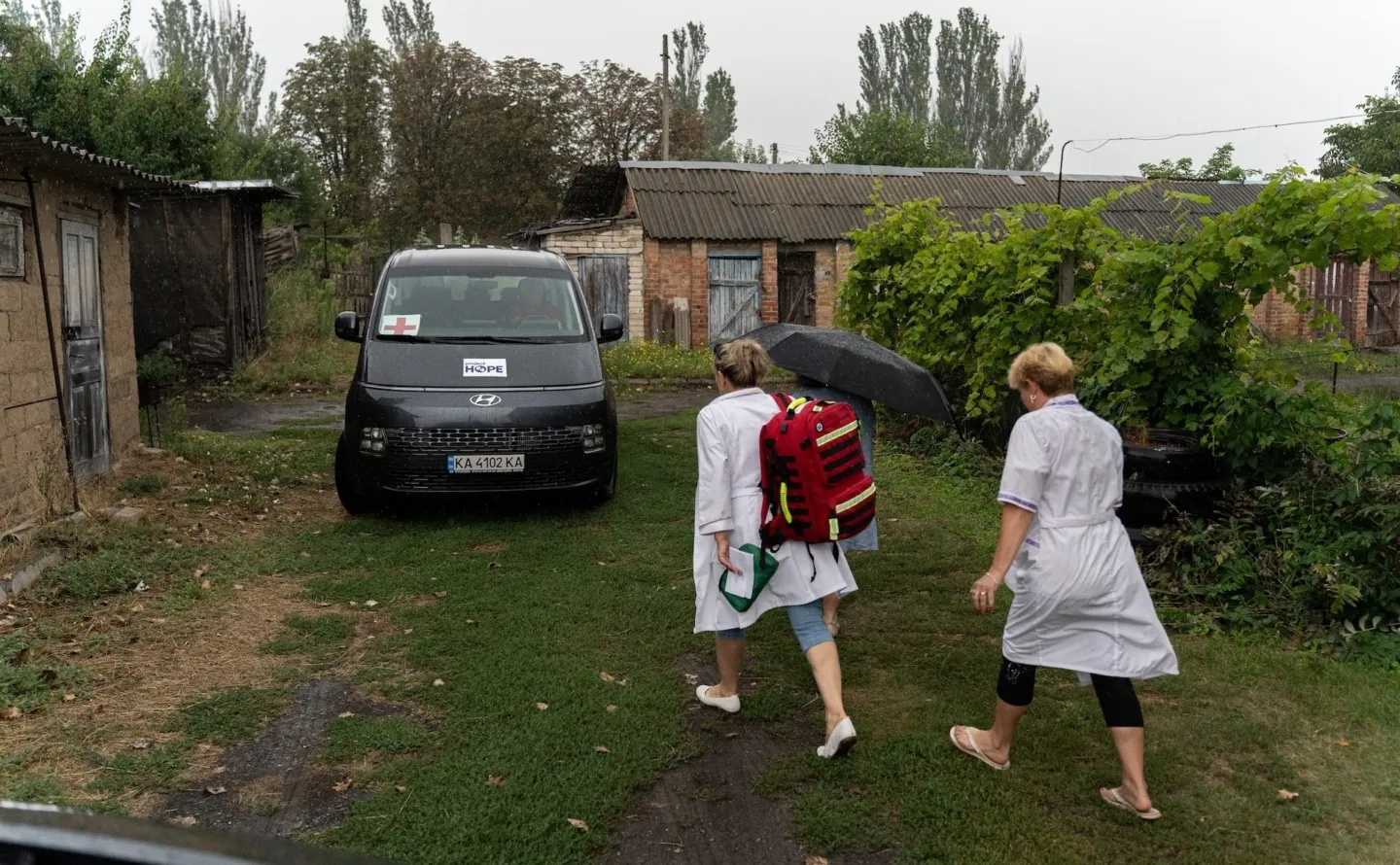
Just a few miles from the front line in Zaporizhzhia, Project HOPE’s MMU team provides medical services to patients who are older or have limited mobility and are unable to travel to medical facilities.
August 2023
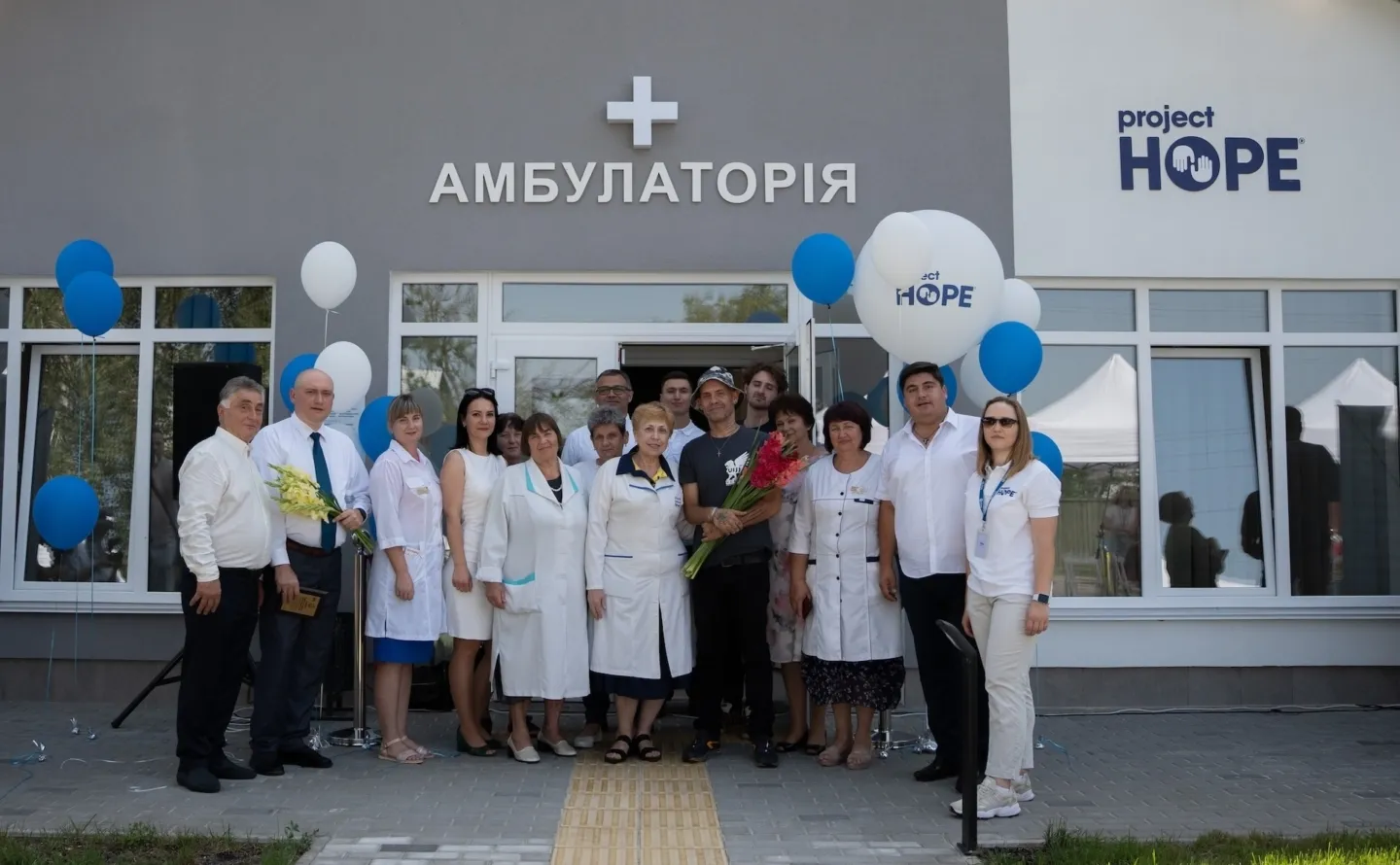
Project HOPE opens an ambulatory clinic in the village of Zahaltsi, which was previously occupied by Russian forces. The new clinic will serve 5,000 residents living in 13 nearby villages.
October 2023
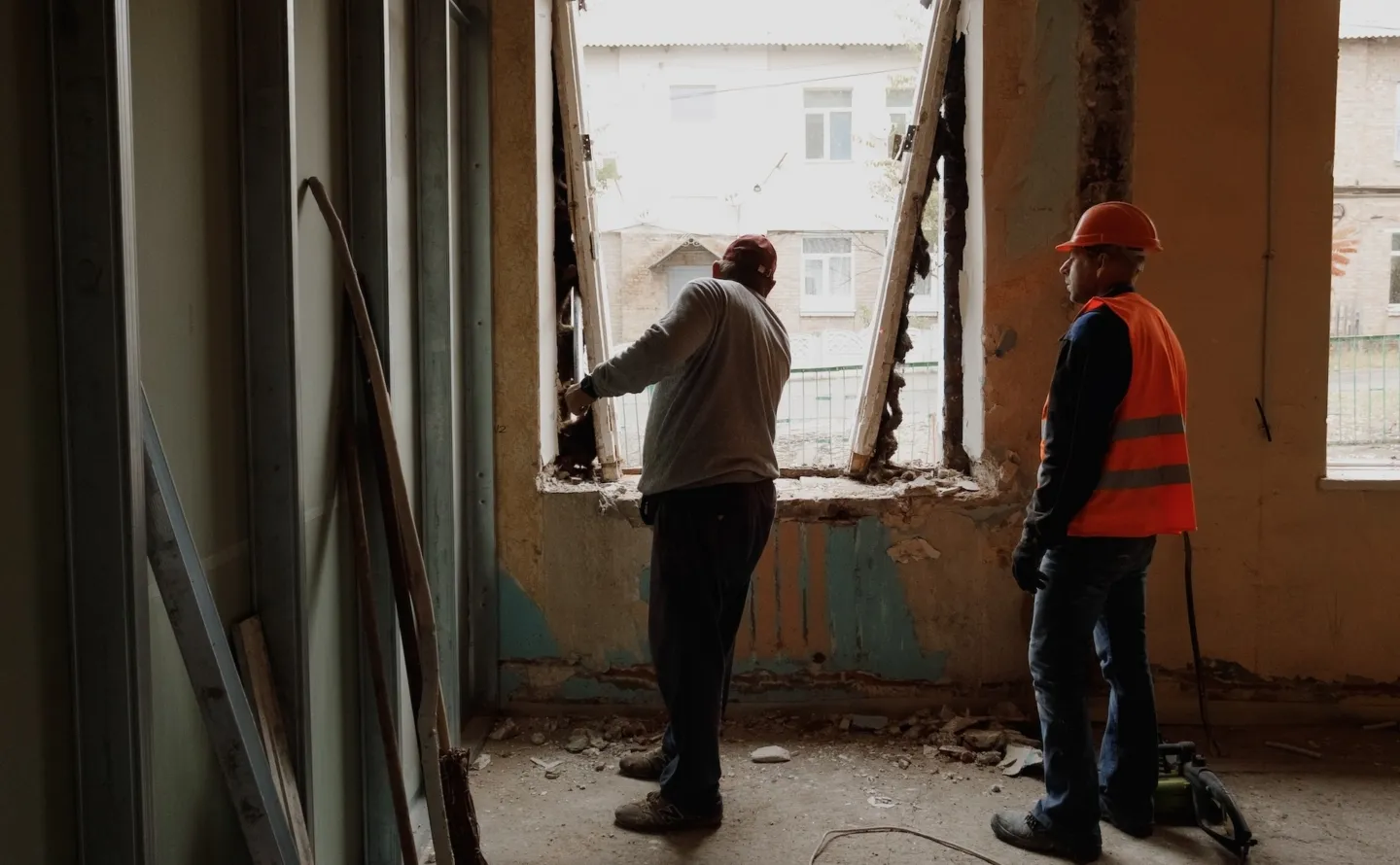
Project HOPE reconstructs the Izium Primary Health Center, which had been damaged by shelling during Russian occupation. The clinic re-opens five months later, connecting 38,000 people back to health care.
November 2023
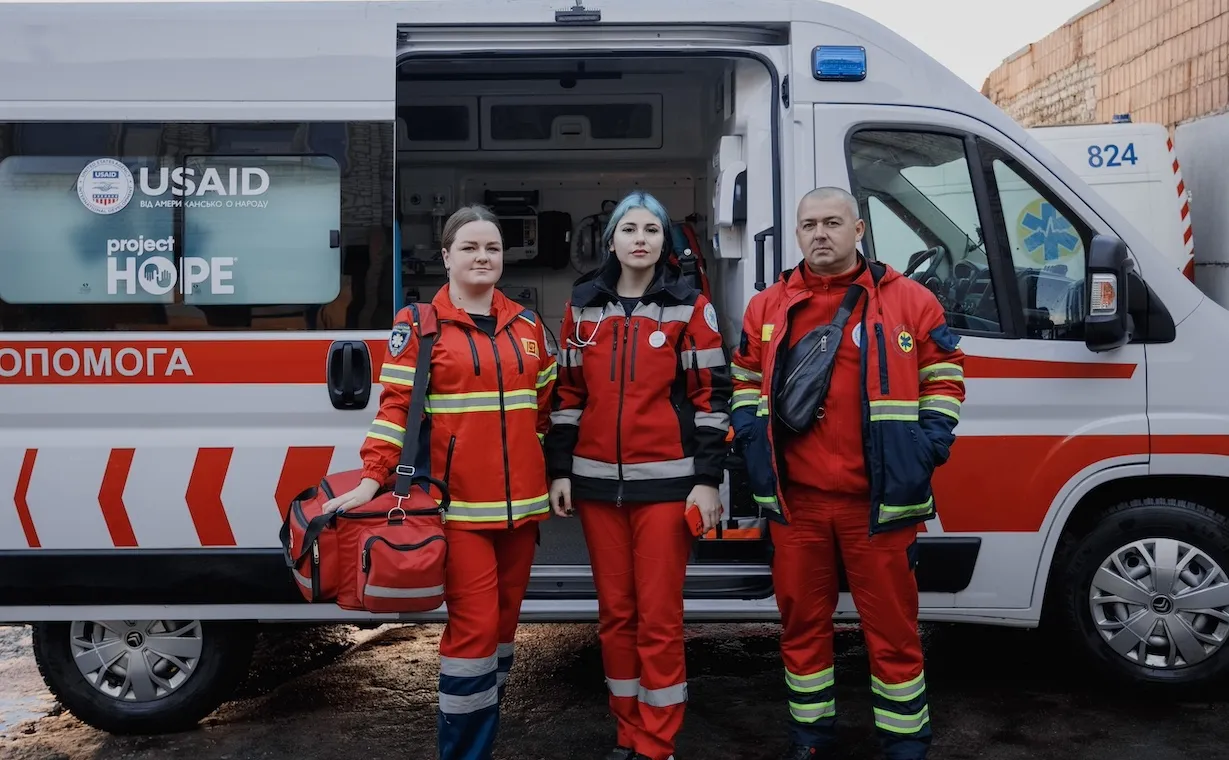
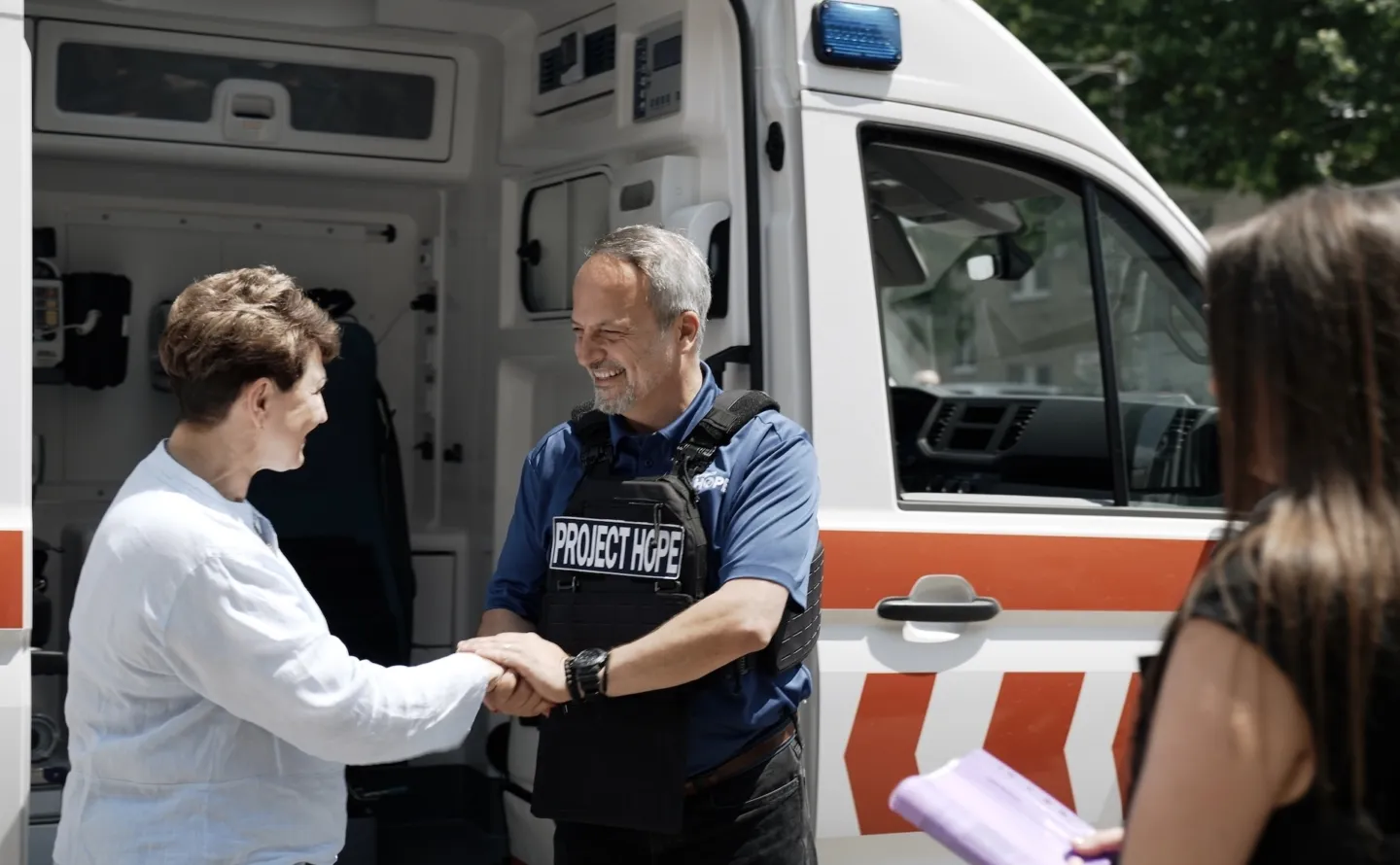
Project HOPE donates ambulances to Critical Care Transport Activity (CCTA) teams from the Emergency Department No. 8 in Kharkiv.
“Hope feels different now. It’s no longer just about personal dreams — it’s about survival and the people we love making it back home. I hope for fewer air raid sirens and more quiet nights. For people to have what they need. I hope that those who were forced to flee can return to a home that still stands, and that the world doesn’t forget about us. Most of all, I hope that the trauma we’ve all endured will only make us stronger.”
–Pavlo Havalko, Program Coordinator, Dnipro, Ukraine

April 2024
Project HOPE provides financial support to health workers across five regions, including doctors and psychologists providing primary and mental health care on the front line in Kherson city.
June 2024
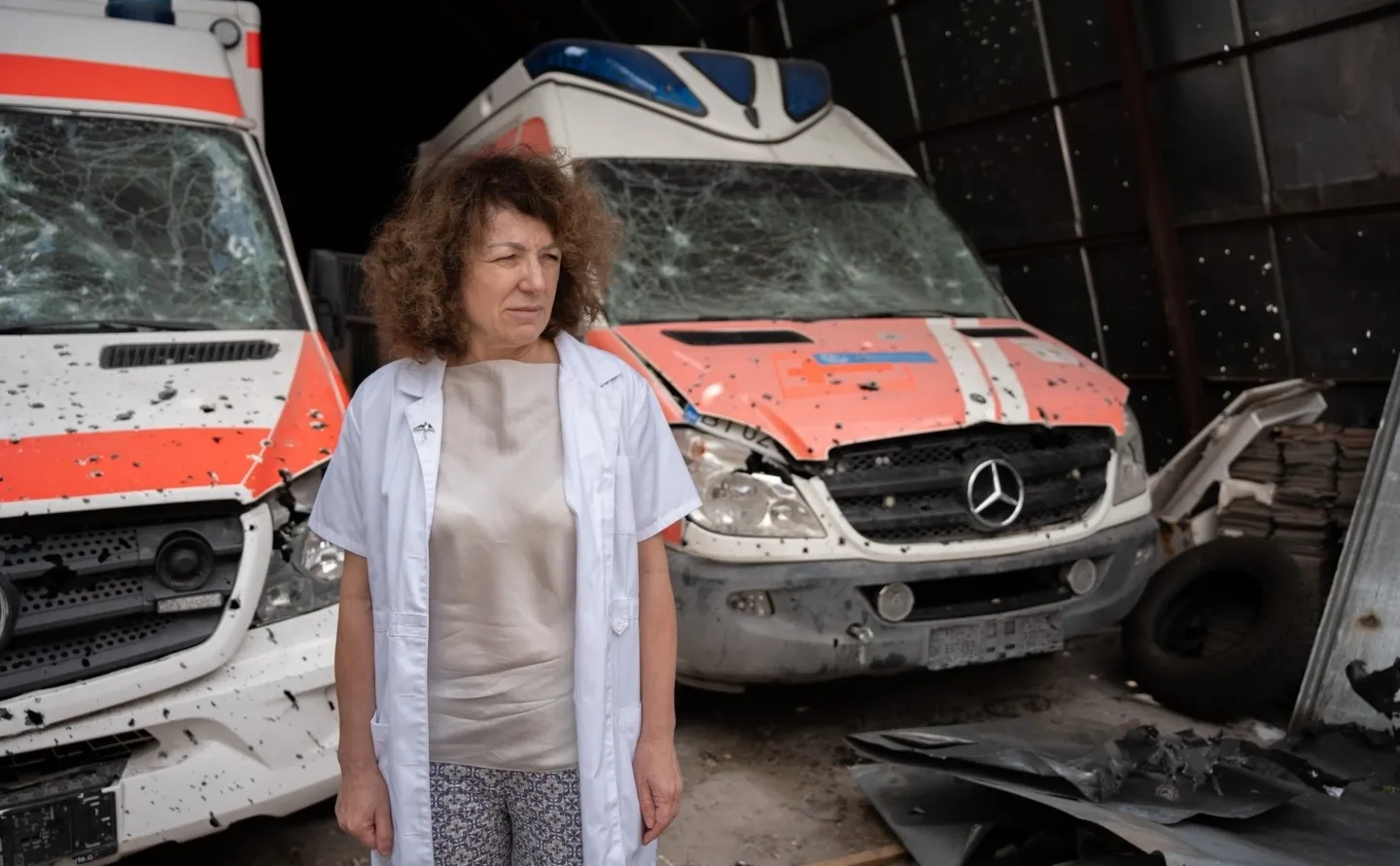
Shelling damages ambulances donated by Project HOPE at Kherson Regional Children’s Clinical Hospital. Weeks later, shelling would damage another ambulance in Izium while Project HOPE’s Critical Care Transport team was on duty.
October 2024
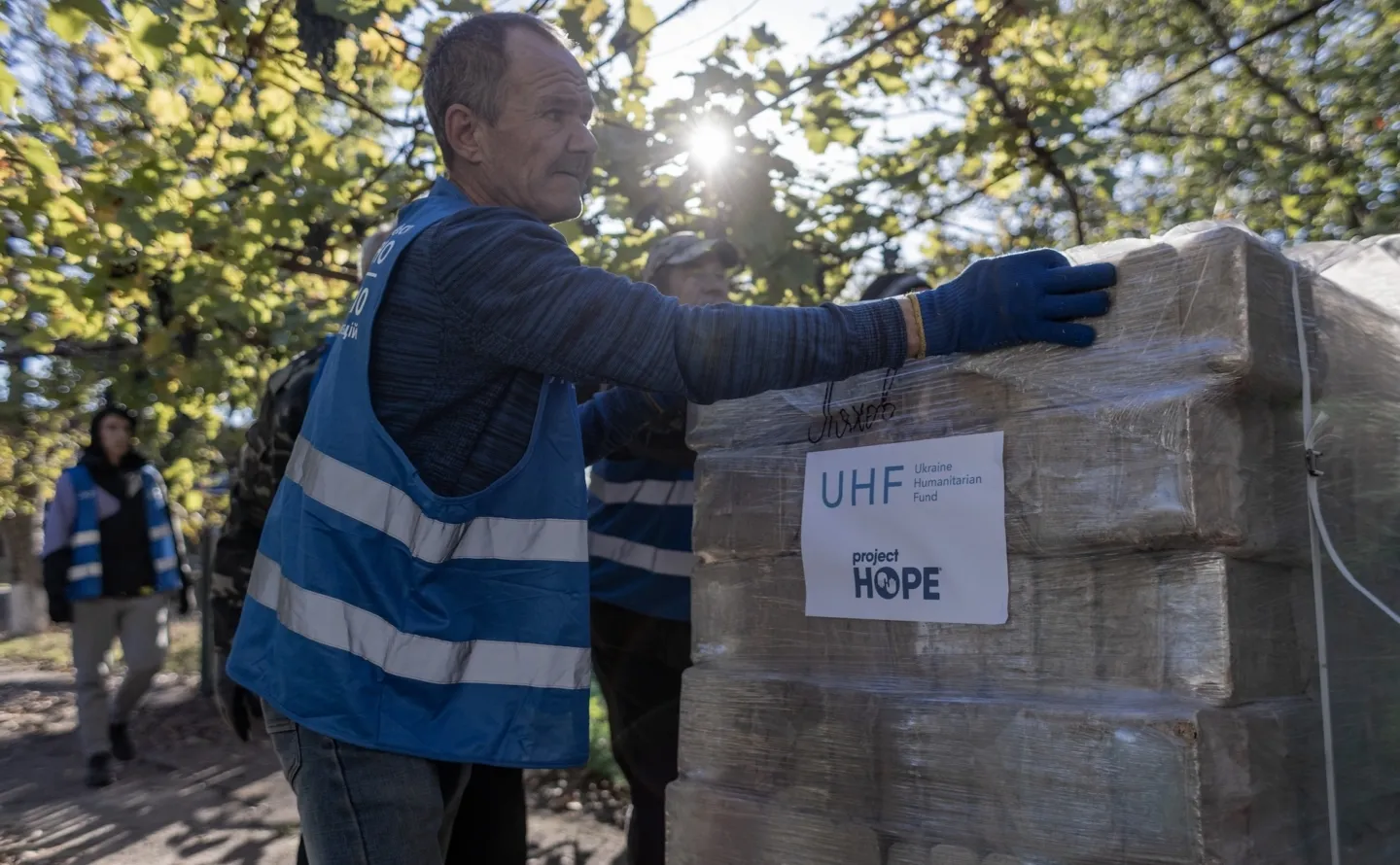
Project HOPE distributes solid fuel to the village of Kochubievka as part of our winterization support for residents in conflict-affected communities.
December 2024
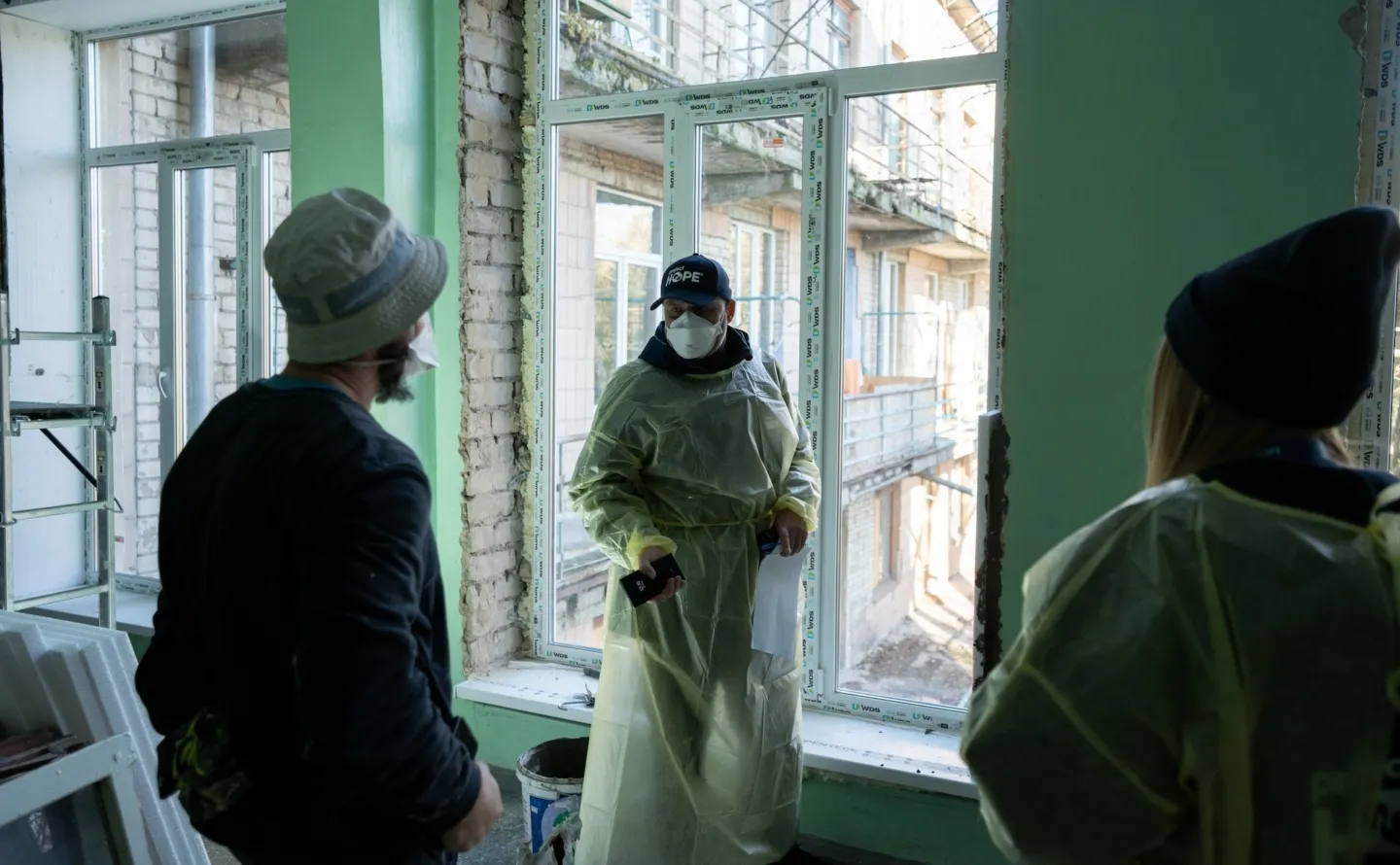
Project HOPE reconstructs the Kherson Regional Tuberculosis Dispensary, which has stayed open throughout the war to provide TB care for patients near the front line.
December 2024
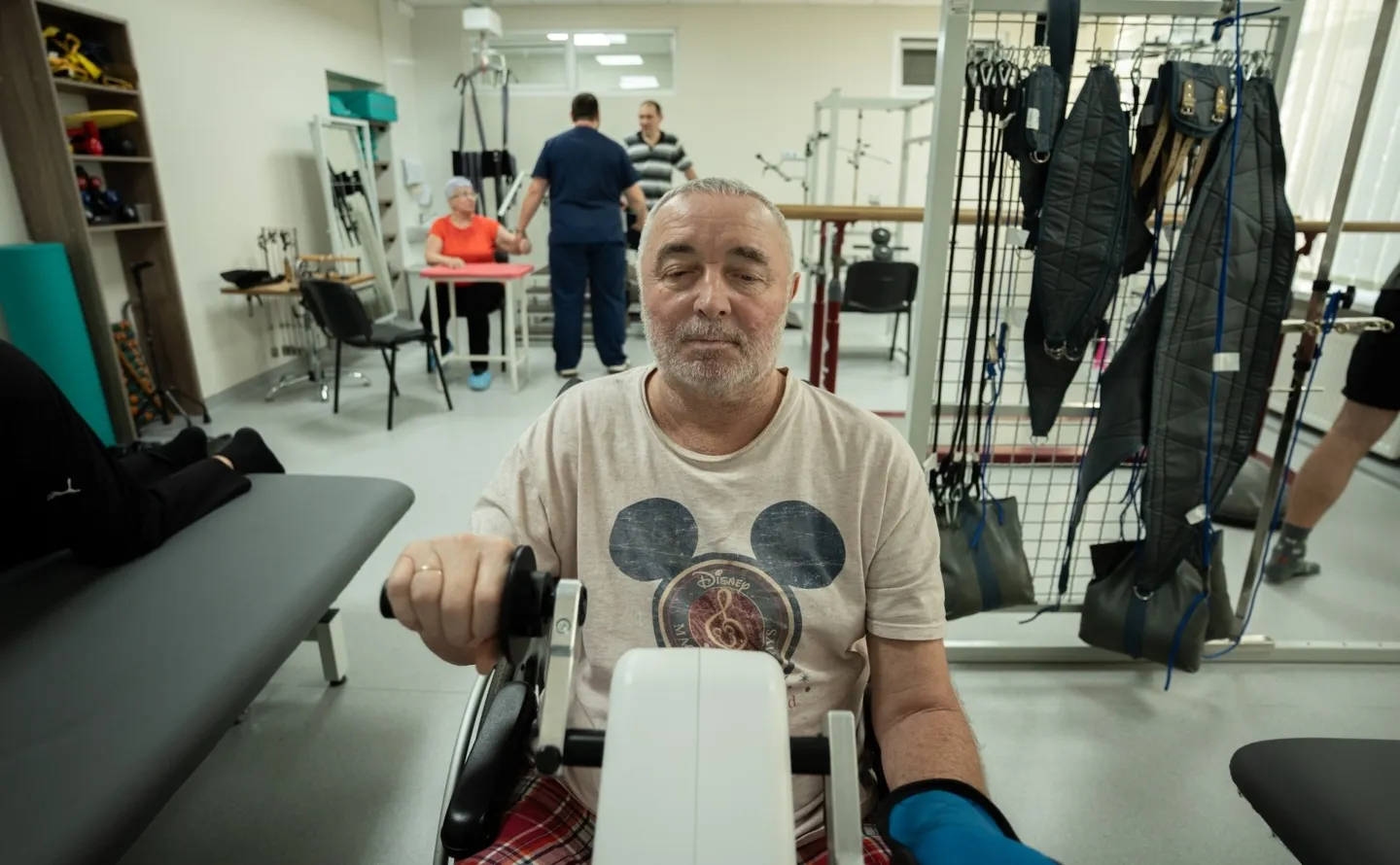
Project HOPE finishes restoring the Rehabilitation Department at the Mykolaiv Regional Hospital in Ukraine, which reopens to provide physical rehabilitation services to patients.
January 2025
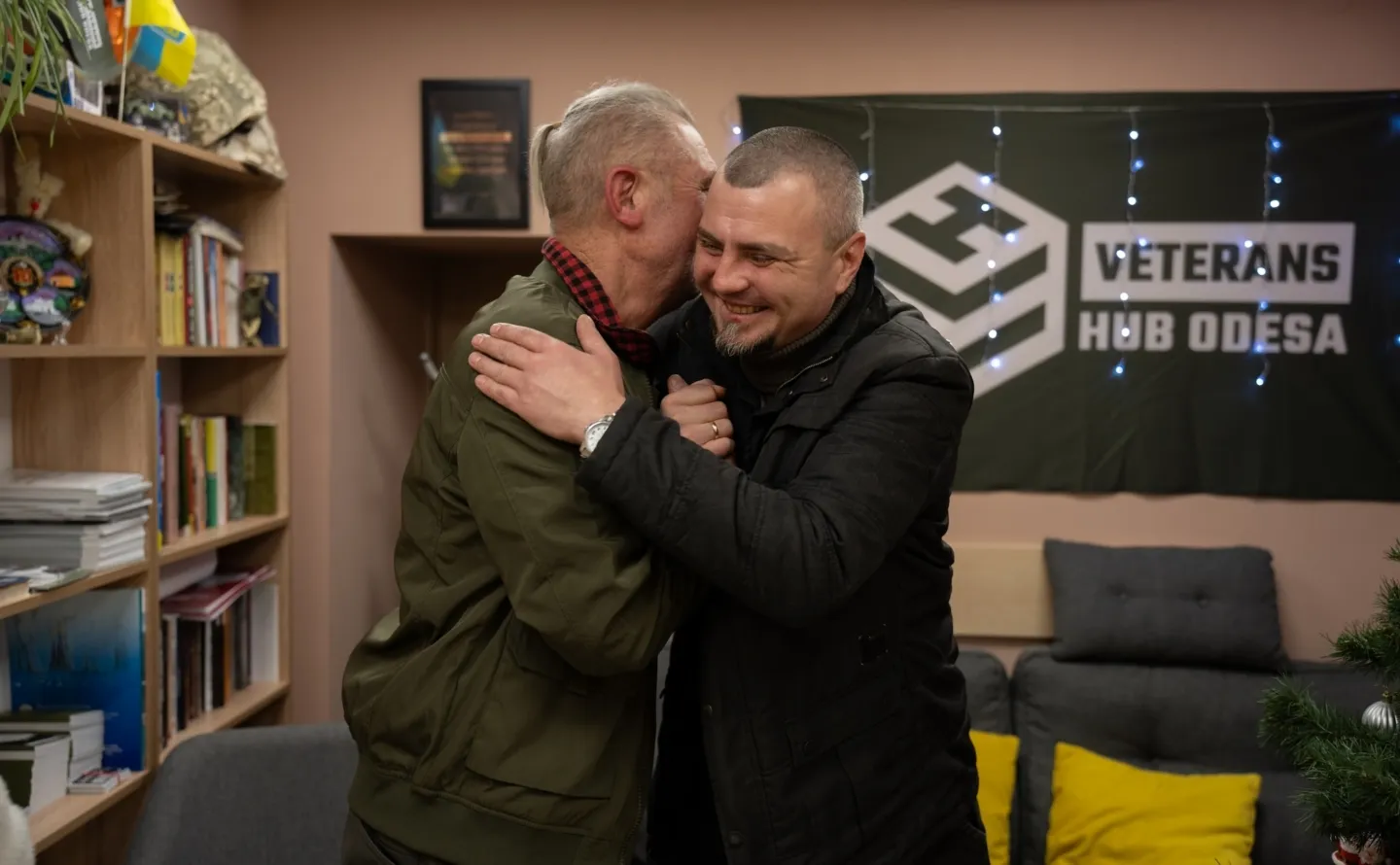
In Odesa, Project HOPE provides mental health sessions for veterans and their families to help them cope with the stress and trauma of years of war.
January 2025
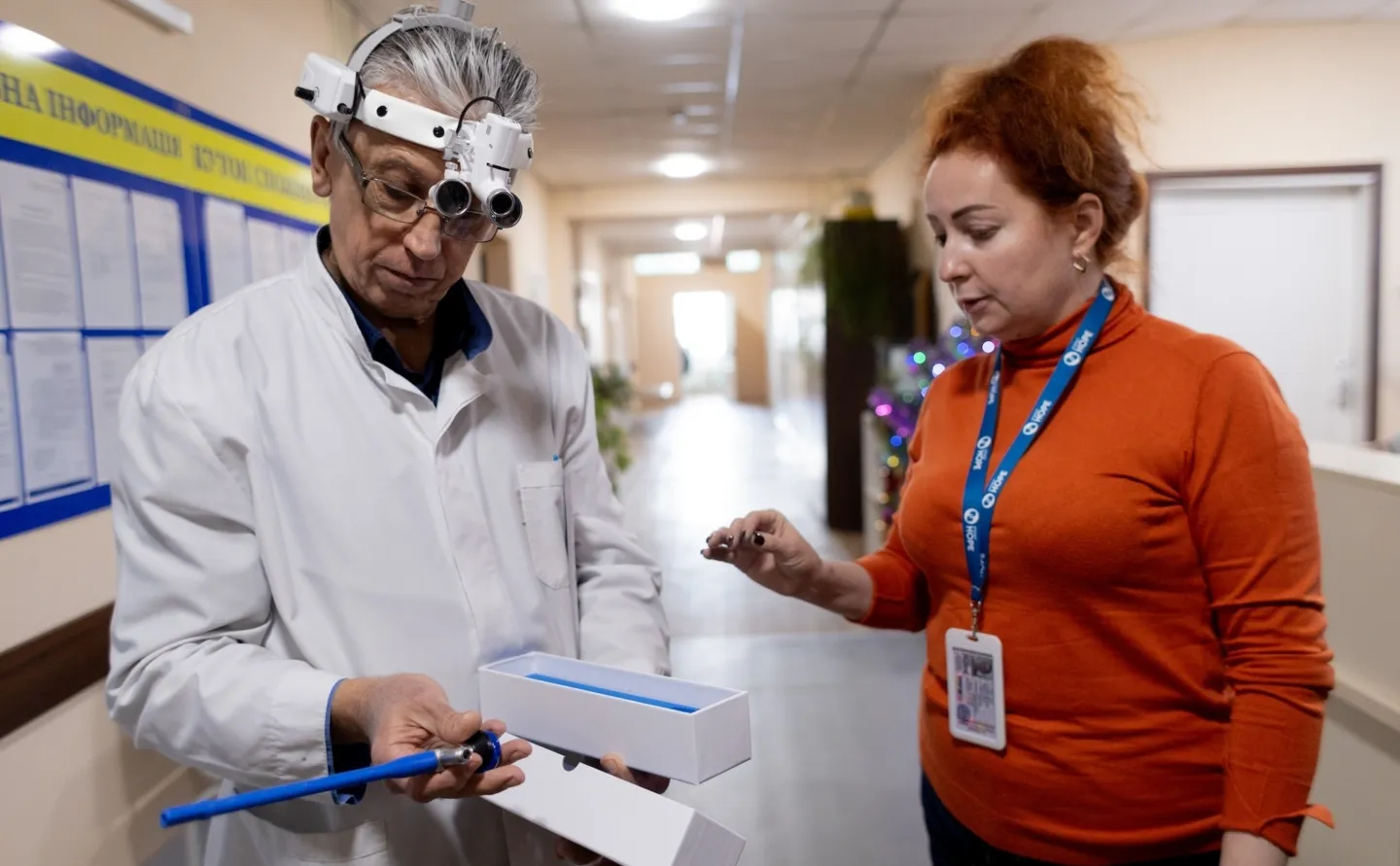
Project HOPE donates medical equipment to the Kramatorsk Oncology Center in the Donetsk region. Three years into our response, Project HOPE has donated $15 million in essential pharmaceuticals, medical supplies and equipment.


March 2025
In Kharkiv, Project HOPE provides reimbursements so families can pay for their heating expenses. The assistance ensures that children like Oleksii — who is living with Down syndrome and whose home was damaged by shelling — can meet their most urgent needs.
April 2025
Project HOPE hosts art therapy classes for children in Dnipro at a Mental Health and Psychosocial Support Center to help them process the stress and trauma of more than three years of war.
May 2025
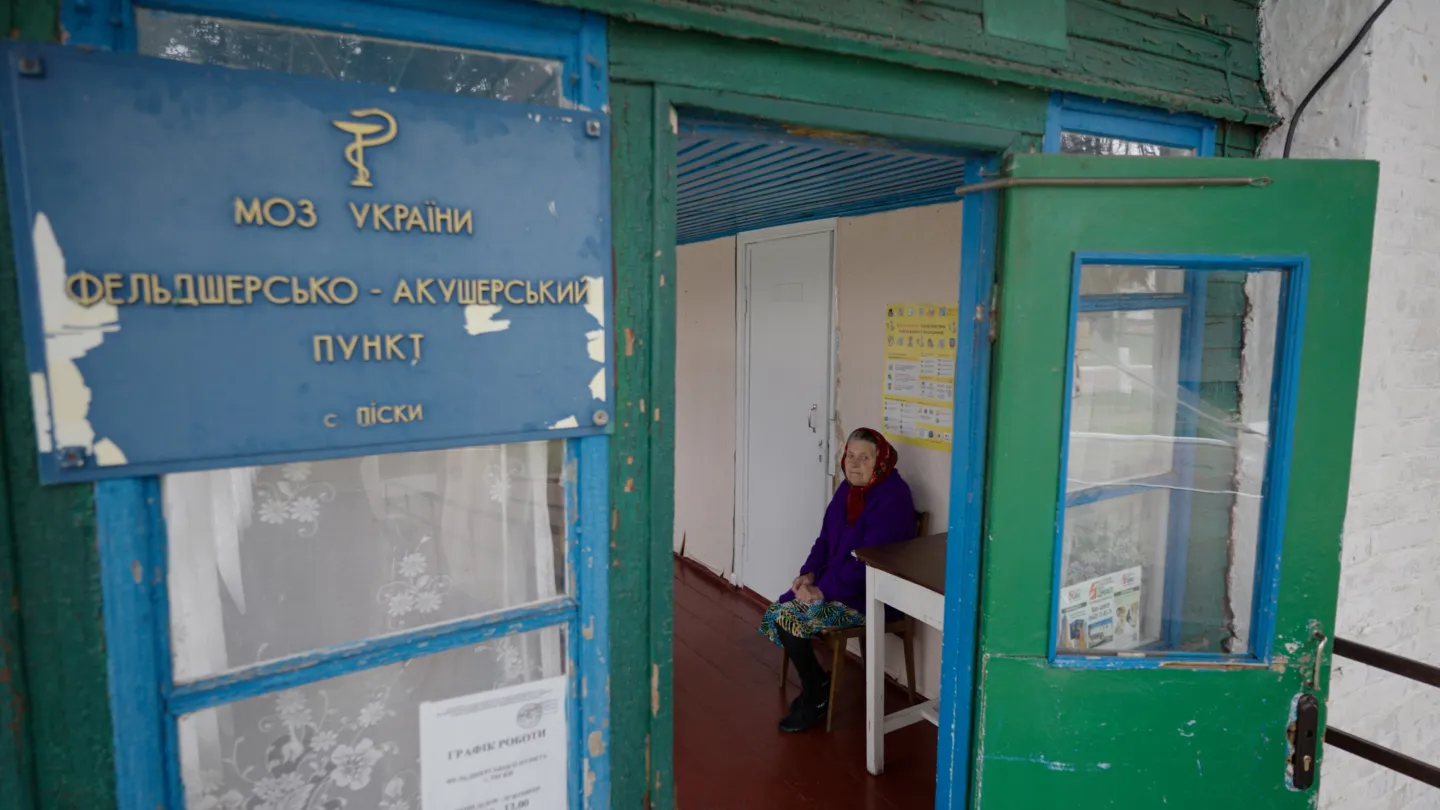
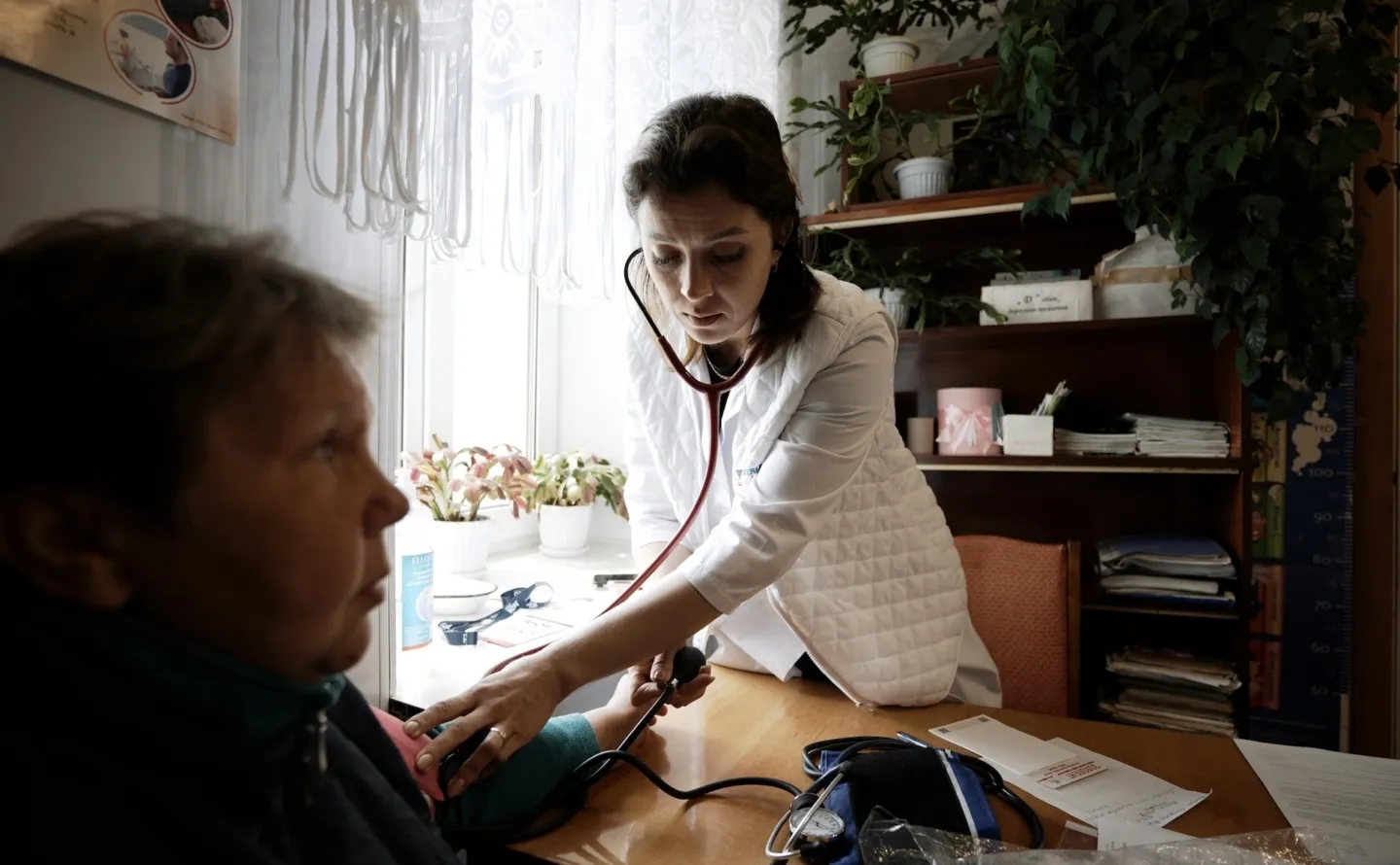
Project HOPE Mobile Medical Units bring essential medical care to rural villages in the Dnipropetrovs’k region. The villages lack outpatient clinics and pharmacies and the rural population — many of whom are older residents who cannot leave home — does not have regular access to medical services and medicines.
June 2025
Project HOPE donates a fourth fully equipped ambulance to the Kherson Regional Territorial Center for Emergency Medical Care and Disaster Medicine. The ambulance will provide additional mobility for medics working and saving lives in the most dangerous conditions during the war.
Over the past four years, Project HOPE’s programming in Ukraine has directly impacted more than 2.1 million people and provided continuous and comprehensive support to 227 health facilities.
As the full-scale invasion of Ukraine enters its fifth year, Project HOPE has evolved its emergency response into a comprehensive humanitarian intervention aimed at creating lasting impact. With a focus on supporting the most vulnerable populations in front-line regions, our team on the ground has prioritized resilience and development alongside lifesaving assistance.