12 Ways Your Support Made a Difference This Year
With your support, Project HOPE reached more than 5 million people this year — delivering medical care, responding to emergencies, and strengthening local health systems around the world.
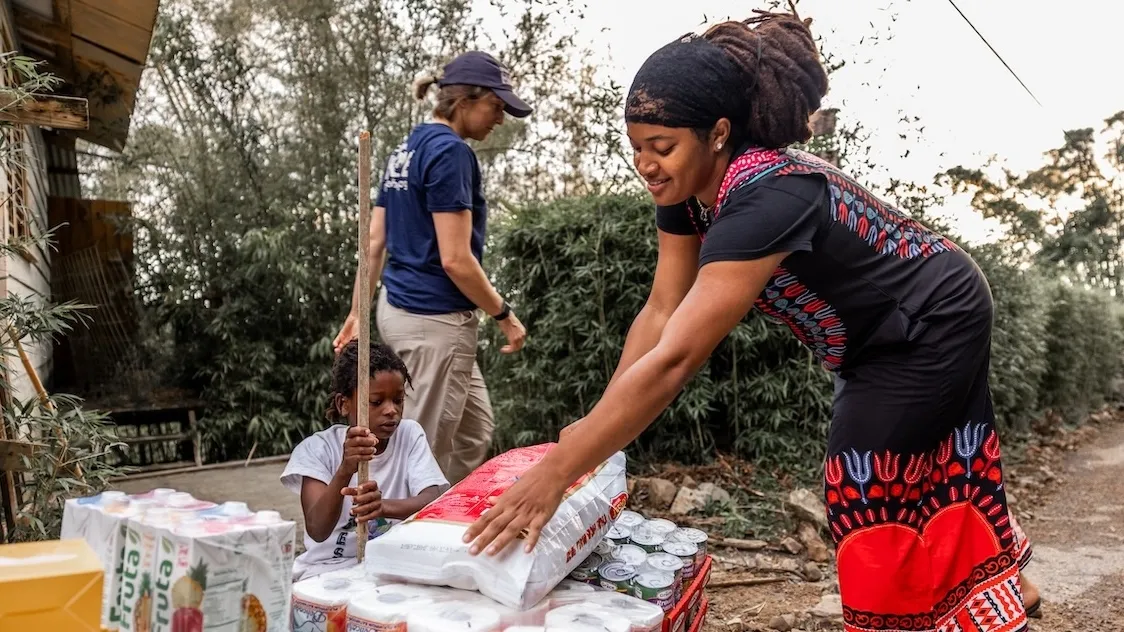
In a year marked by ongoing turmoil, conflict, and crisis, together we worked to improve access to health services and bring hope to underserved communities around the world.
Every day, your support helped us provide urgent relief, transform local health systems, and make a lasting impact across more than 32 countries and territories. In Gaza, we provided emergency nutrition for children in urgent need. In Ghana, we trained midwives with the essential skills to care for newborns in the first golden minutes after birth. And through it all, we empowered more than 16,000 health workers to save lives.
By the end of the year, your support helped us ensure that more than 5 million people, including refugees, children, and seniors, had access to health care when they needed it most.
Here are 12 ways you helped us build a healthier, more hopeful world this year.
1. You provided malnutrition support for children in Gaza.
Malnutrition rates in Gaza rose at an alarming speed after an aid blockade began in March. By July, one in five children screened at Project HOPE clinics were suffering from Severe Acute Malnutrition (SAM) — the most life-threatening form of undernutrition and a major driver of mortality.
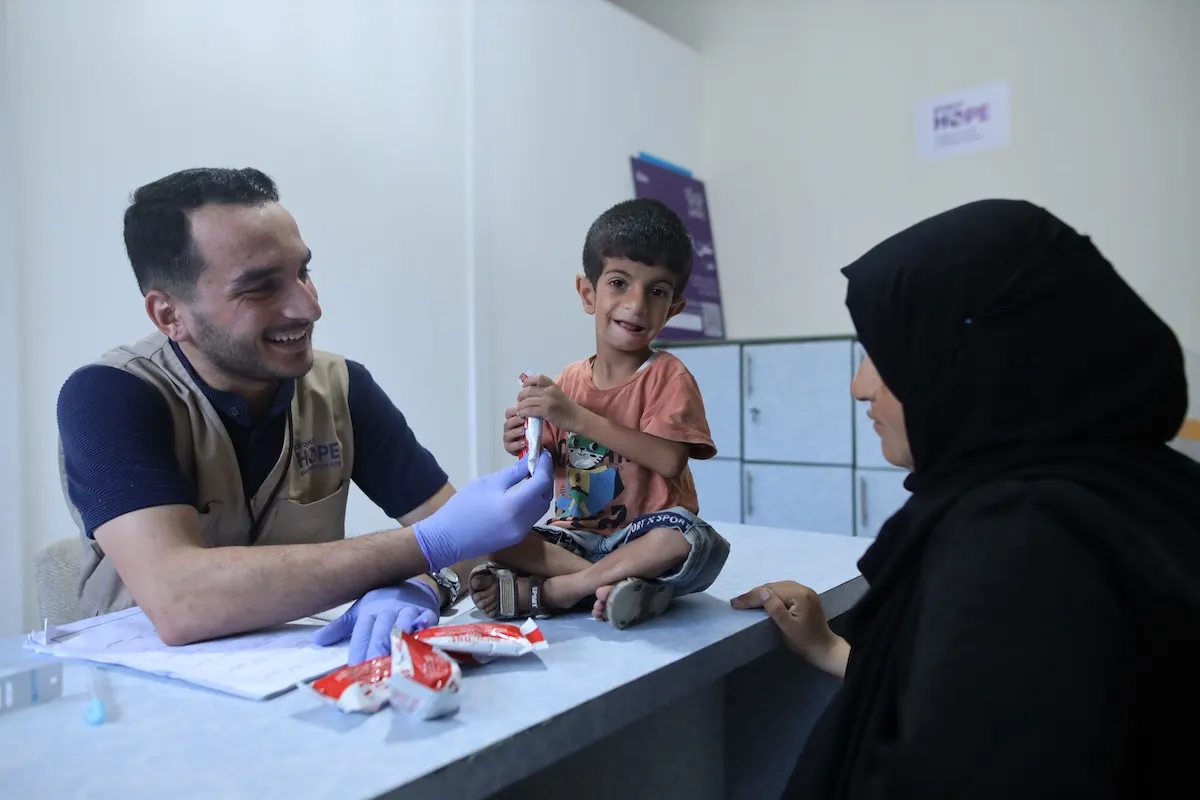
With your help, we were able to screen nearly 120,000 people for malnutrition, including more than 90,000 children and 15,000 pregnant women, and then provide care and support for those who needed us most, like a young boy named Fouad.
With food scarce and prices unbearably high, Fouad’s mother, Jawahir, sold everything she owned just to feed her children. With no source of income, she has struggled to provide even the most basic necessities, like diapers and hygiene supplies. The nutritional supplements provided by the Project HOPE clinic have become a vital substitute for the meals she cannot afford. Before going to the clinic, Fouad wasn’t walking or growing normally. Now, his teeth have come in, and he can move freely — an incredible transformation thanks to the regular care he has received.
“Doctors told me Fouad wouldn’t live past five,” says Jawahir. “He is now six and I count every day and every hour. I pray for his life to be long, for his weight to increase, and for him to grow taller.”
2. You gave hope to children in Ukraine.
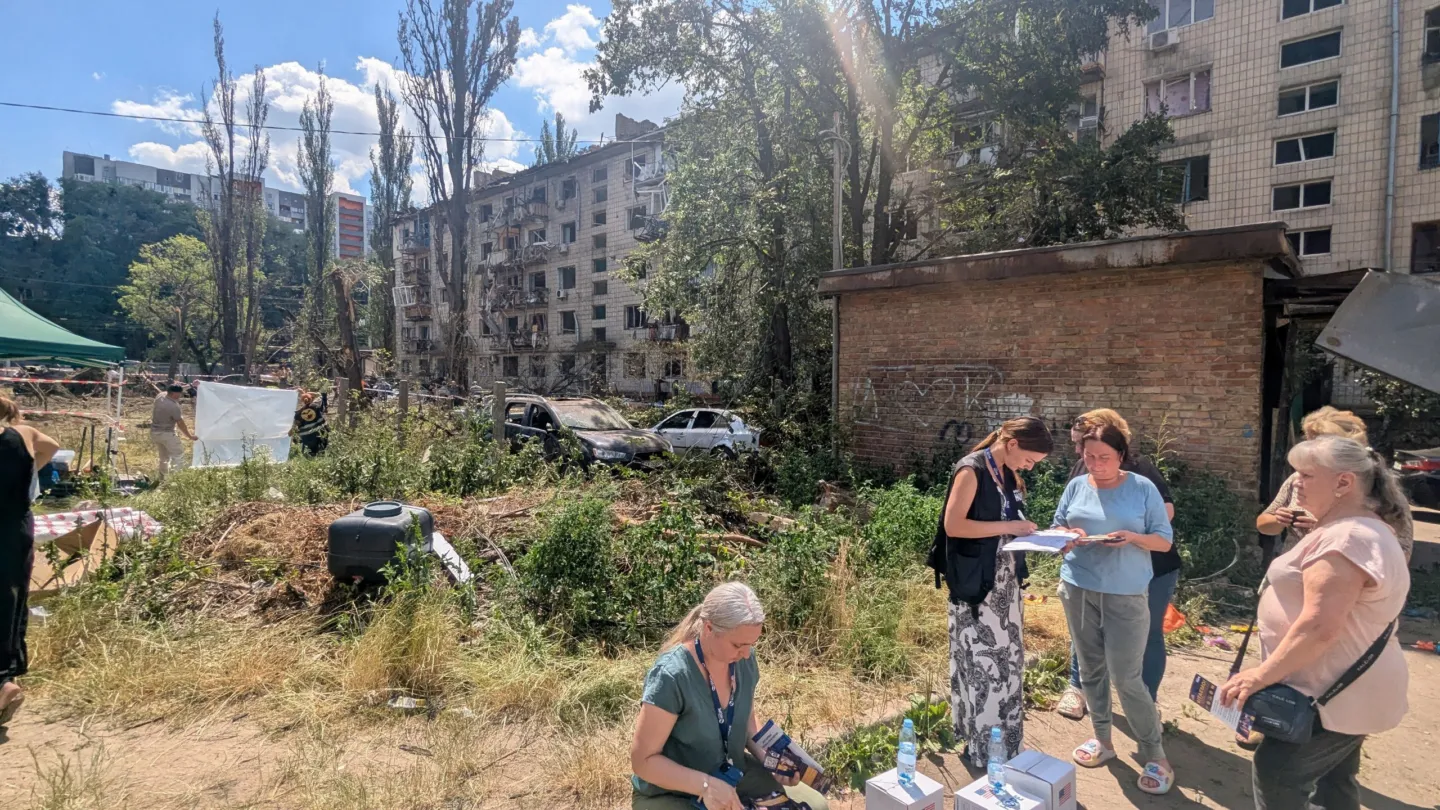
War has upended the foundations of childhood for children in Ukraine, disrupting their safety, stability, and opportunity to simply be kids.
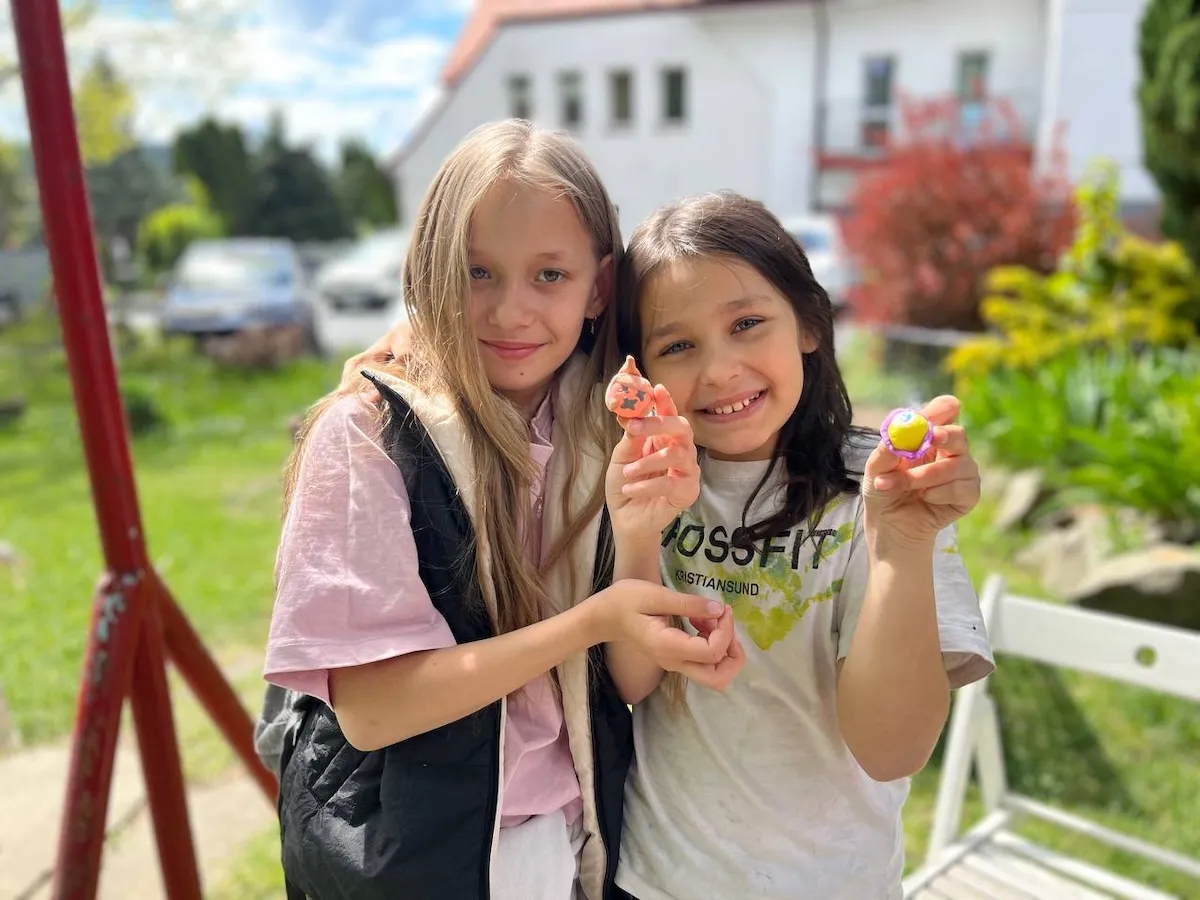
Project HOPE continues to support their mental health and well-being through mental health centers, where children find counseling, education, and a range of group activities such as dance, art, and book club. This year, these centers reached thousands of Ukrainian children because of your support, including Maria and Daria in Dnipro, offering them a safe space to heal, make new friends, and find a new normal.
“Our favorite activity here at the center is getting ready for school, drawing, or making crafts,” they share.

3. You helped reach first responders and wildfire-affected communities in Los Angeles.
At the beginning of the year, a series of wildfires in Los Angeles County, California exploded into two of the most destructive wildfires in state history: the Palisades Fire and Eaton Fire, taking lives, destroying homes, and forever changing communities like Altadena, Malibu, and Palisades.
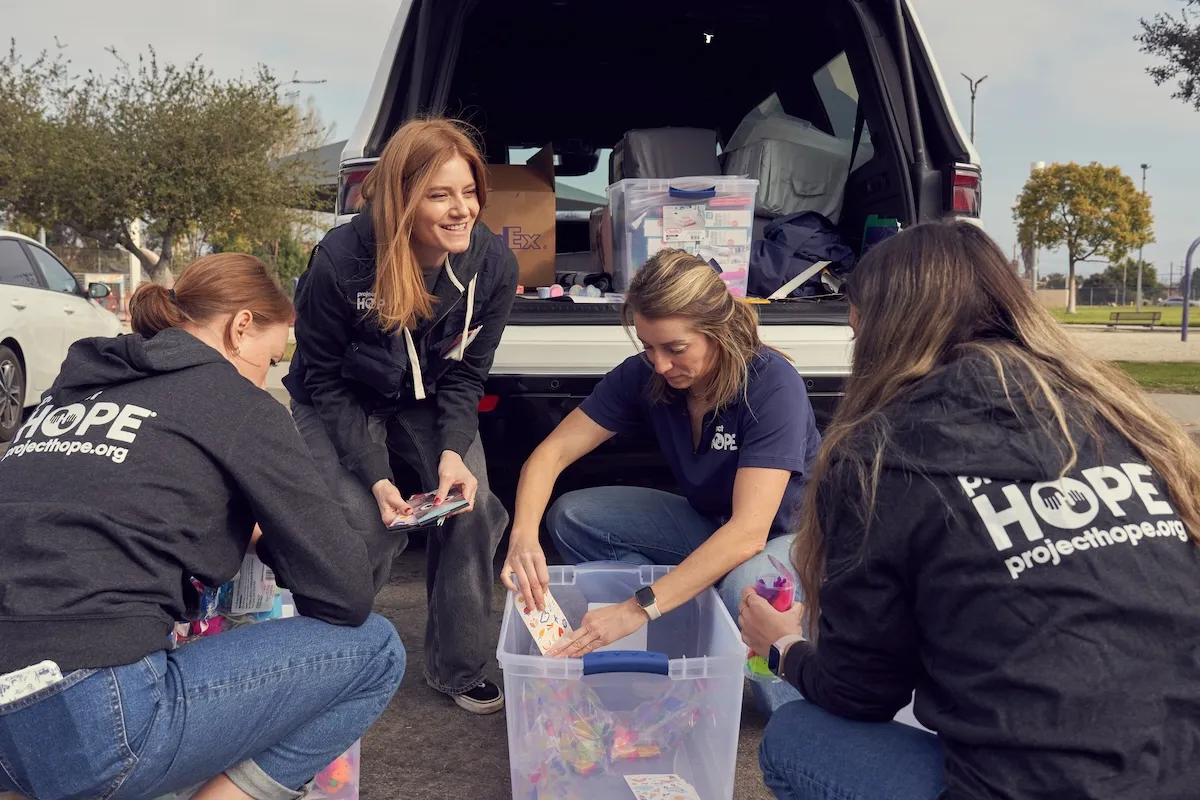
Through your generosity, Project HOPE delivered essential supplies to support fire response efforts, providing boxes of necessities and protective gear to local firefighters and other first responders. We also distributed relief items like hygiene supplies, personal protective equipment, and re-entry kits for people displaced by the fires, in addition to air purifiers to people who were at the highest risk for respiratory issues, like cancer patients. We then started focusing on addressing mental health and psychosocial needs — strengthening the capacity of frontline workers and meeting the urgent needs of children.
4. You helped respond to a record-setting hurricane in Jamaica.
On October 28, Hurricane Melissa made landfall in Jamaica, causing widespread damage, landslides, and flooding across the Caribbean. The Category 5 storm was the strongest to ever hit Jamaica.
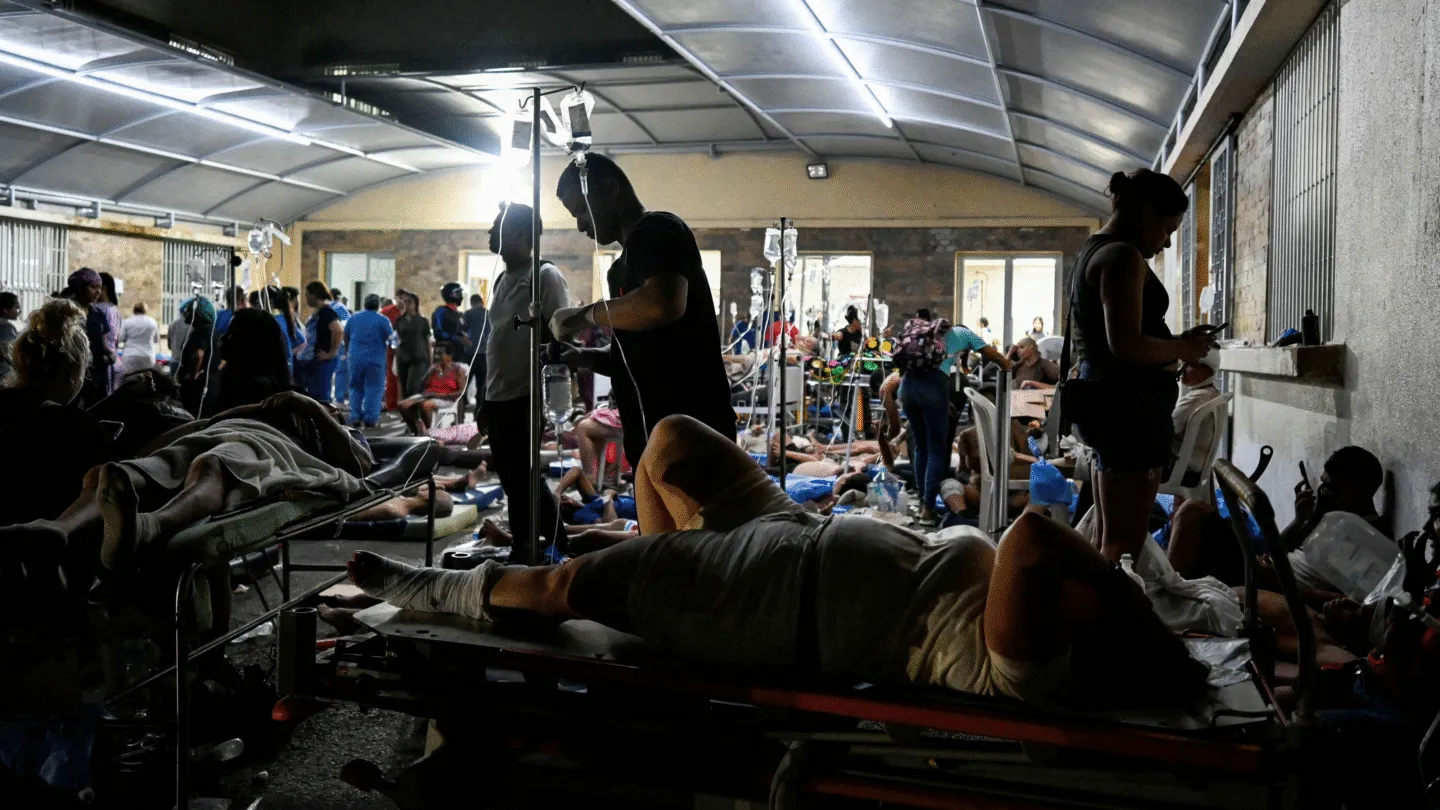
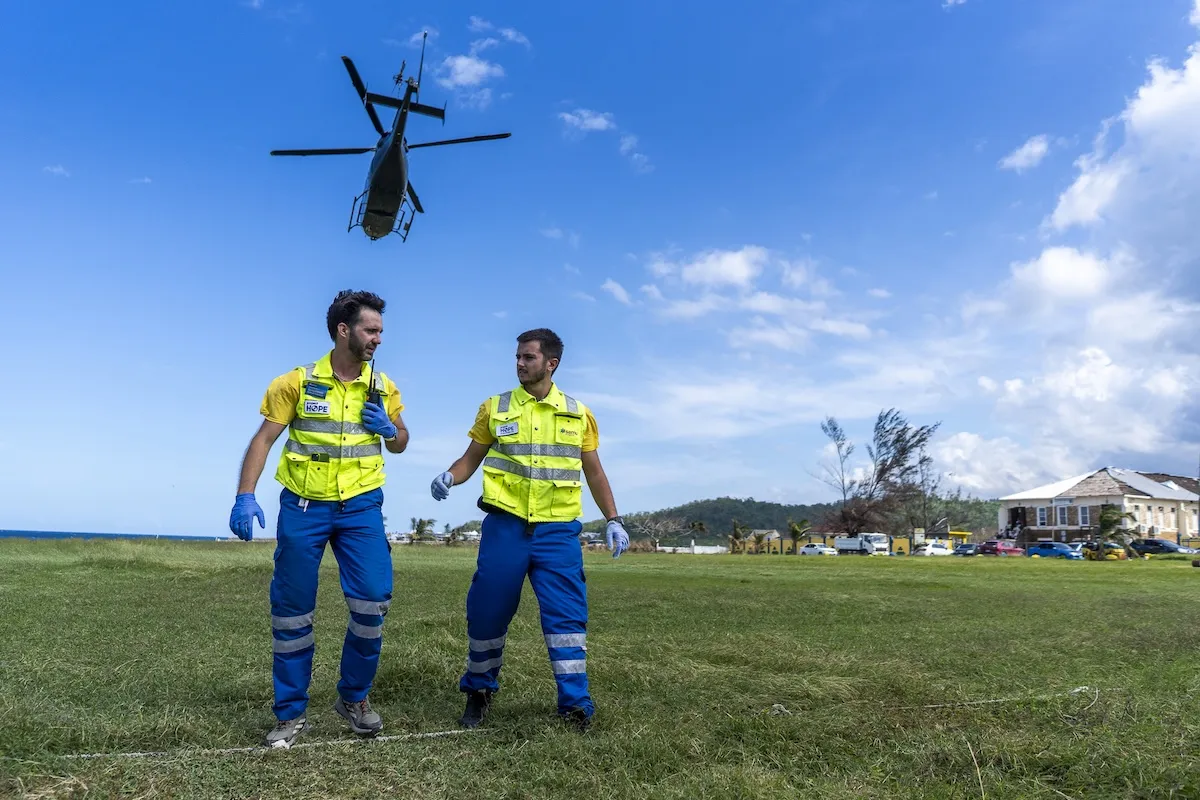
With your help, we immediately began distributing urgently needed food, water, and hygiene items — by foot, over landslide-impacted roads, and via helicopter — to communities cut off from necessities. We have also established a field hospital to ensure the continuation of health services outside of Noel Holmes General Hospital in Lucea, a hospital that lost half of its roof to the storm
Constructed in partnership with SAMU, the field hospital is now providing three months of health support to reduce the burden on nearby facilities and ensure that people living in the hardest-hit communities are able to access lifesaving care. The team of doctors, nurses, and pharmacists, as well as additional Project HOPE staff, has capacity for clinical management, triage, stabilization, wound care, primary health, maternal and child health, infectious and chronic disease management, palliative care, mental health, and transport.
5. You ensured free mammograms for uninsured and underserved populations in the U.S.
Access to health care is increasingly in jeopardy for many Americans, and free and charitable clinics (FCCs) have become a lifeline for millions of families, saving the most at-risk populations from falling through the cracks of the U.S. health care system.
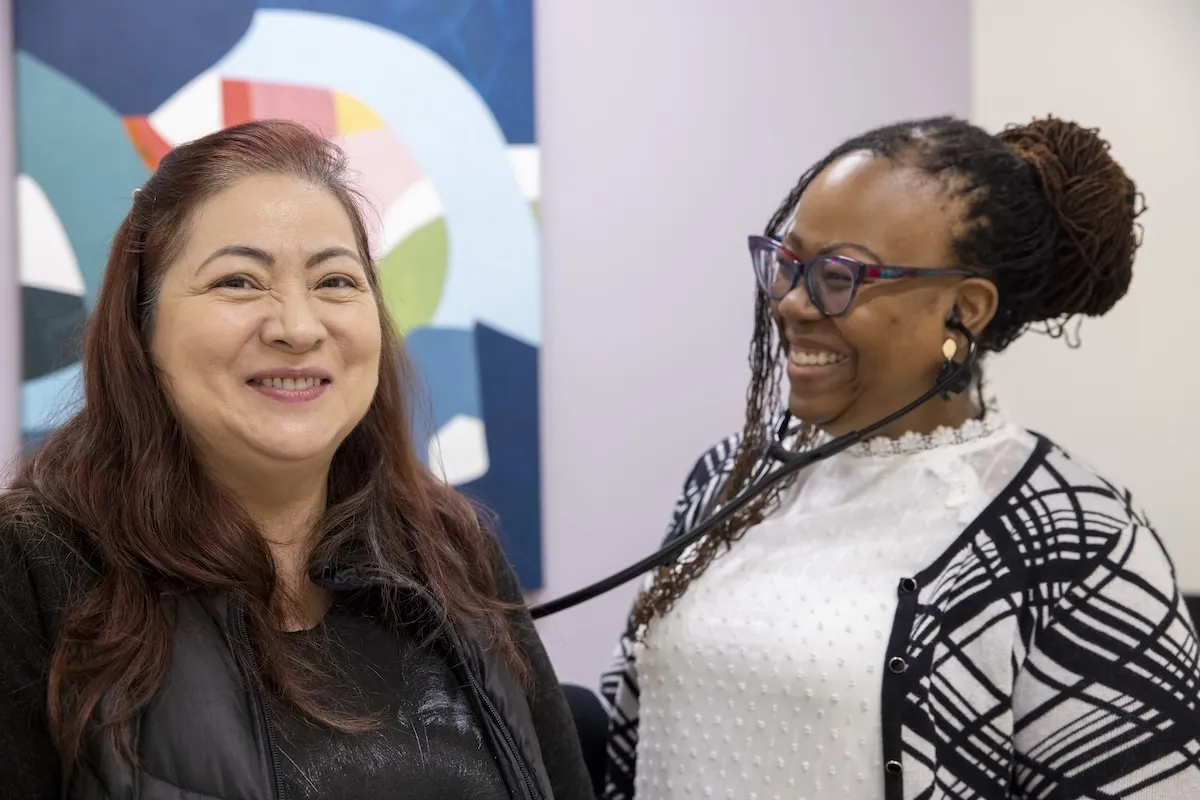
Thanks to your support, Project HOPE worked to expand access to critical services through FCCs — including free breast cancer screenings in North Carolina in partnership with LabCorp. The screening and early detection can help patients avoid hundreds of thousands of dollars in treatment costs, on top of the burden of illness from treatment, hospitalization, loss of income, and disruption to family.
For Yirla Mesa, a patient at Samaritan Health — a clinic Project HOPE supports in Durham — the ability to access a free mammogram has provided great peace of mind.
“It’s not just a mammogram; it’s really what the mammogram allows us to be able to do for them both physically, mentally and emotionally,” shares Kina Edwards, medical director for Samaritan Health.
6. You provided a lifeline for conflict-affected communities in Colombia.
In January, violent clashes between armed groups in northern Colombia displaced more than 50,000 people and trapped another 21,000 people within their communities. The crisis has significantly impacted local health systems, overwhelming facilities with an influx of displaced families and leading to shortages of essential medical supplies.
Project HOPE responded to the surge in health and humanitarian needs in Convención and Cúcuta by supporting health centers serving communities affected by the conflict, including displaced Colombians, as well as Venezuelan refugees and migrants.
For Karina* Perez and her daughter, Camila*, who fled Venezuela, a health center in El Tarra provided gynecological care, an ultrasound, and medication. Camila was born with a disability and needs specialized care, medical supplies, and mobility support, but without health insurance or identification documents, they had been unable to access services. Finding the Project HOPE-supported health center was the first time they had received health care since arriving in Colombia in 2020.

7. You helped care for earthquake survivors in Myanmar.
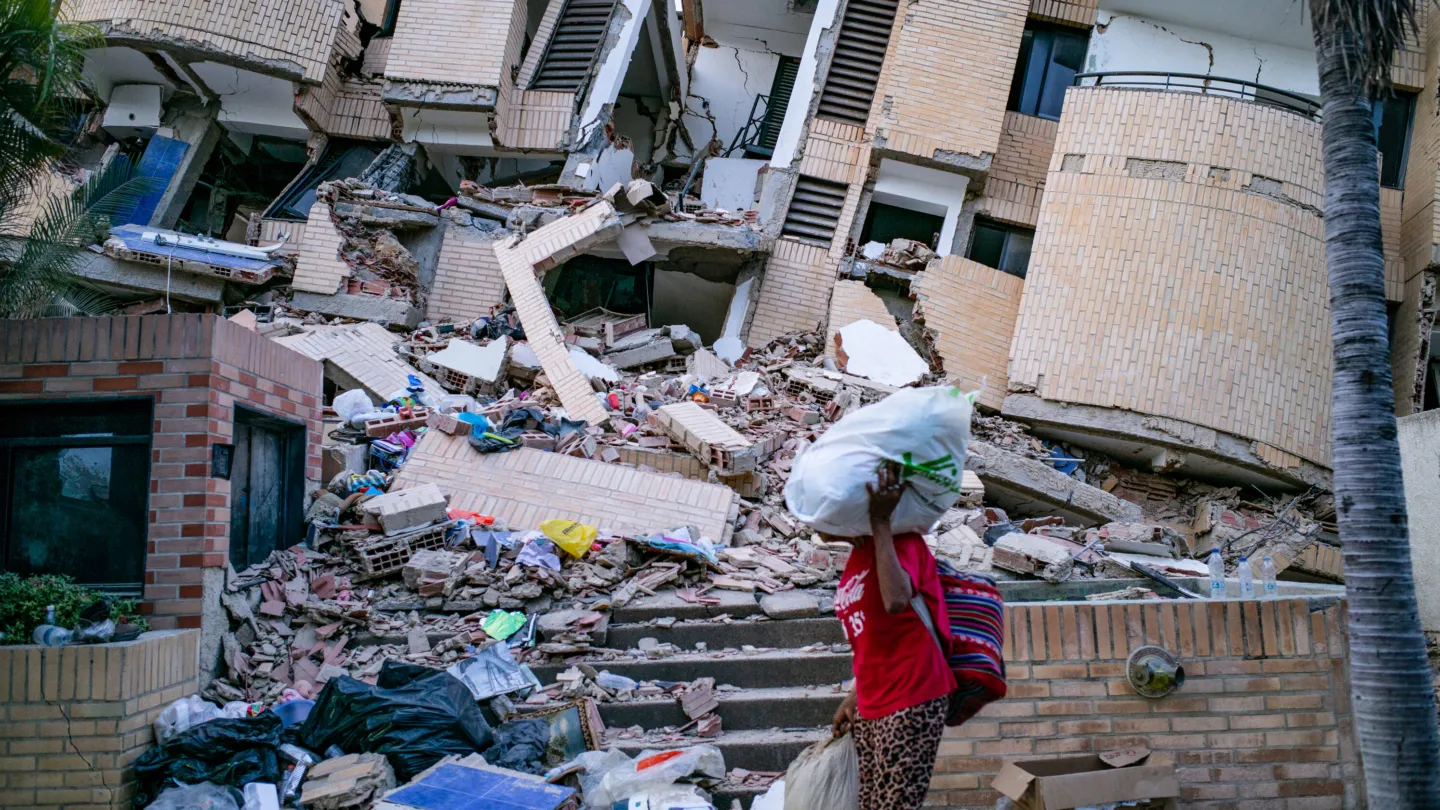
In March, Myanmar experienced its strongest earthquake in over 100 years. The disaster resulted in significant loss of life, extensive damage to homes and infrastructure, and the disruption of essential services, impacting more than 17 million people across the country.
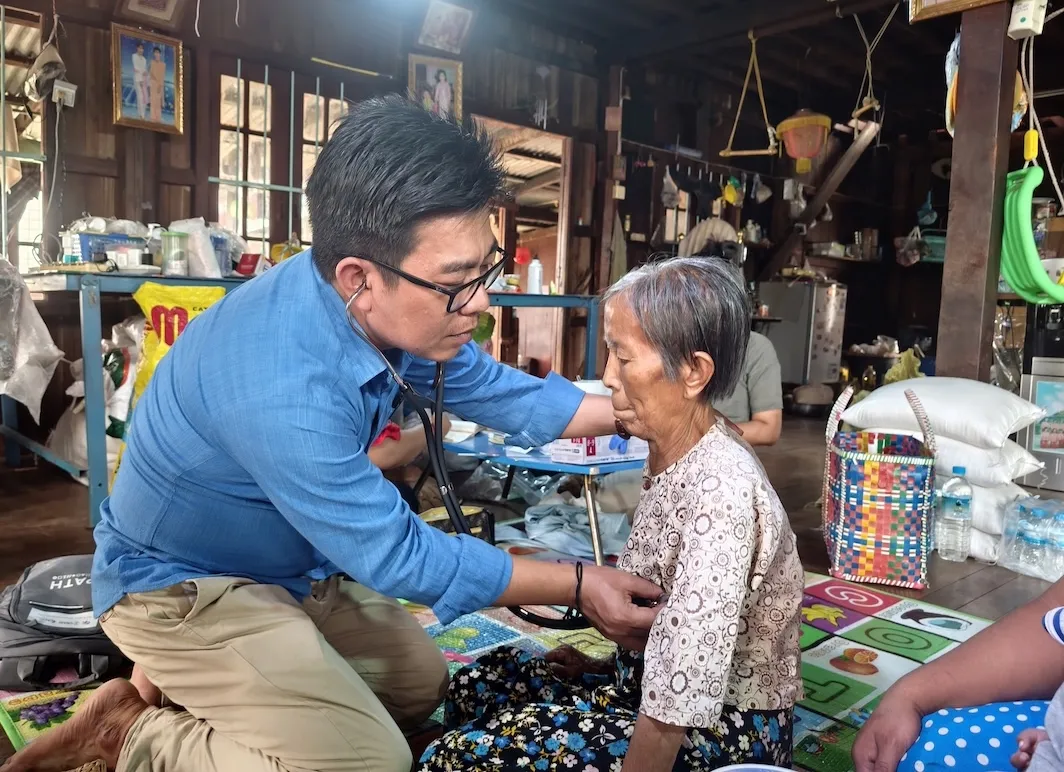
Project HOPE partnered with Community Partners International (CPI) to deploy a mobile medical team to reach communities in Shan South and Mandalay, where many health facilities were damaged or unreachable. With your support, the team was able to provide basic health care services, deliver health education, and facilitate and provide support for referrals for cases requiring advanced care.
To prevent waterborne diseases, Project HOPE also distributed hygiene kits to people of all ages, from young children to older residents. Kits included items like toothbrushes, towels, soap, mosquito nets, and water purification tablets.
8. You put care within reach for families in Ethiopia.
In Ethiopia’s Tigray Region, years of conflict have severely disrupted health services. Health outposts have been abandoned, supplies have dwindled, and many families have been without access to even basic care.
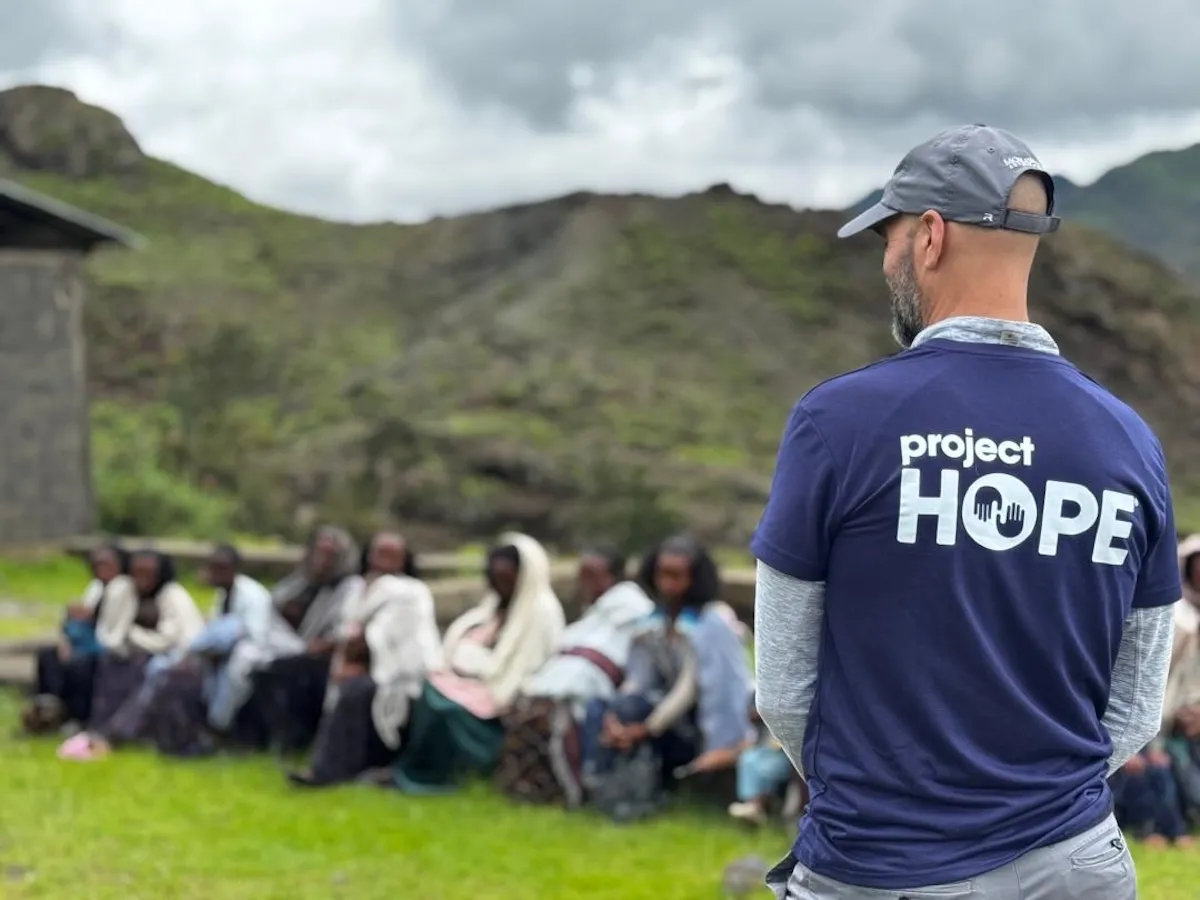
Now, hope is returning. Over the past year, your support has helped Project HOPE meet families wherever they are — at markets, churches, and other familiar gathering spots — with outreach, care, and education.
In Hadele, Silas Belay found care she could count on. When she heard a health team had arrived at her church, she hurried there with her 2-year-old son. Outside, children received vaccines. Inside, there were pregnancy screenings, family planning, and nutrition checks. Her son, Seare, was growing well and received deworming on the spot.
“This outreach is near where I live,” she says. “That makes it easier and I’m extremely happy it’s here.”
9. You helped newborns in Ghana take their first breaths.
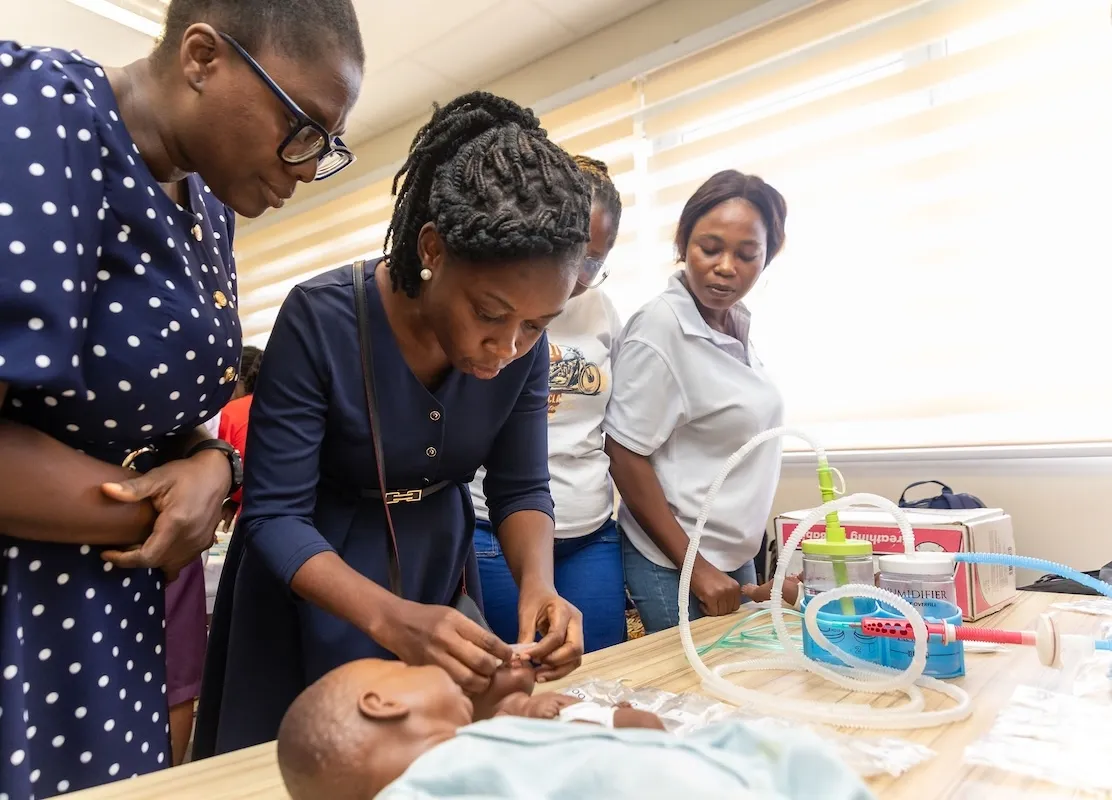
In Ghana, we equipped frontline staff with the confidence and skills to deliver lifesaving care for newborns and infants.
Thanks to your support, health workers were able to gather at the University of Ghana Medical Center for a hands-on training on the effective use of Vayu Bubble CPAP devices — a portable, low-resource solution to help newborns and infants with breathing difficulties. Nurses and midwives practiced assembling the devices, adjusting airflow, and fitting nasal prongs using real equipment and simulated scenarios, banding together to focus on building the skills needed to improve respiratory care for preterm and low-weight babies.
“Knowing that I can help a newborn take their first breath is humbling and fulfilling,” says Felicia Ankobil, a midwife from Ghana’s Bono East Region who attended the training. “It is not just a skill — it’s a gift I can now offer to families in their most critical moments.”
Felicia has already passed on the lifesaving skills to 26 other health workers across her facility and nearby clinics. Other participants are doing the same — leading trainings at their respective facilities and cascading the knowledge and skills to their colleagues to ensure the widespread adoption and proper use of the devices.
10. You restored access to lifesaving care in Lebanon.
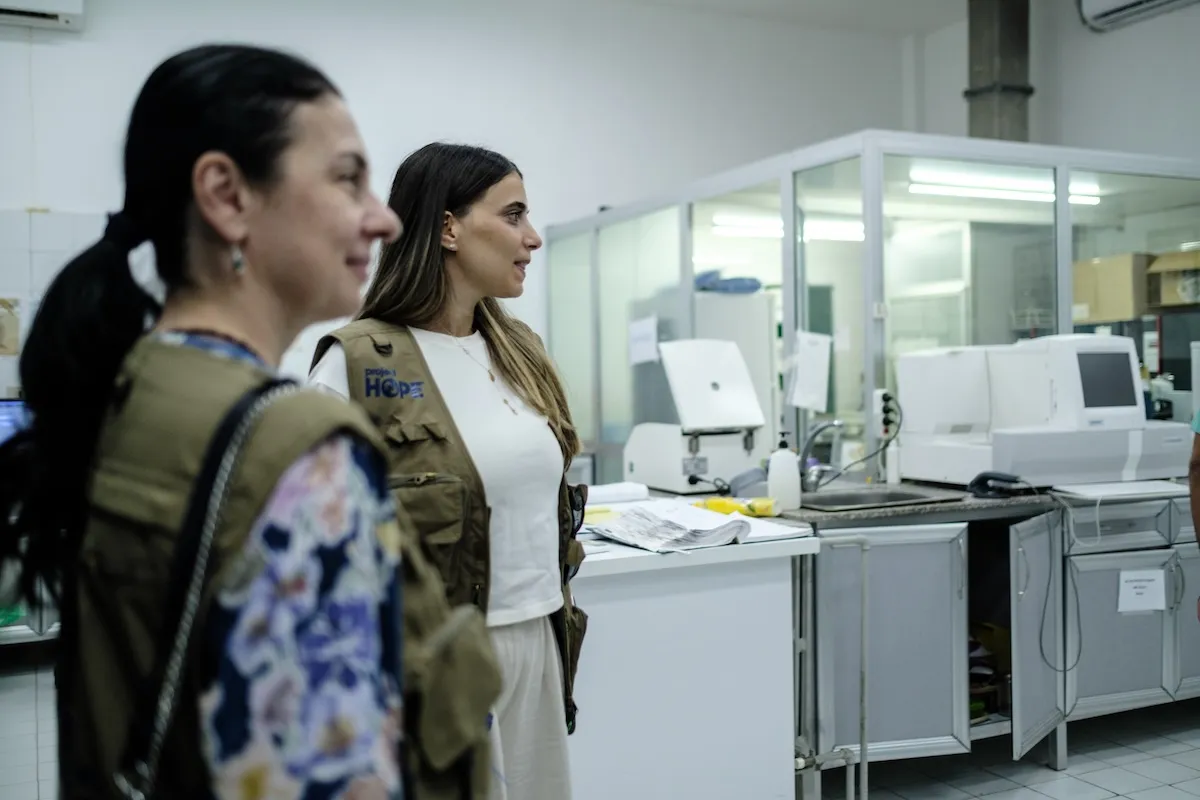
Lebanon’s prolonged economic crisis and escalating violence have pushed the health system to the brink of collapse, disrupting essential services and threatening the closure of several hospitals, including the Hasbaya Governmental Hospital in the south.
In July, Project HOPE helped reopen the hospital’s intensive care unit in partnership with the René Moawad Foundation and with the generous support of Latter-day Saints Charities Australia (LDSCA). The unit had been closed for five years, forcing critically ill patients to be transported long distances to reach the first ICU.
Our efforts focused on medications and paramedical supplies, operational funding, and procurement of liquid oxygen and oxygen cylinders. The reopening marks a “major milestone” for critical care in the region, helping thousands of people in Hasbaya and surrounding border communities regain access to lifesaving care.
“The reopening of this ICU is a critical step toward restoring quality health care in Lebanon,” said Roy Sayegh, Lebanon’s Country Lead for Project HOPE. “We are proud to stand alongside our partners and the Ministry of Public Health to ensure that patients in Hasbaya receive the care they deserve.”
11. You created safety for displaced children in Poland.
More than 17 million Ukrainian refugees have fled to safety in Poland since the start of Russia’s full-scale invasion in February 2022. Today, around 1 million Ukrainian refugees are still living in Poland, almost all of whom are women and children at an increased risk of violence, abuse, and exploitation.
Project HOPE has continued to improve their access to mental health services, running three mobile mental health and psychosocial support units that provide individual and group counseling, recreation, and social cohesion activities at remote refugee accommodation centers. The units are made up of teams of psychologists, social workers, and other support staff, which operated in six refugee centers across the southern Malopolske region this year, helping children and their caregivers heal from trauma, reclaim their childhoods, and begin building a new life away from home.
12. You helped provide essential equipment for health centers in Moldova.
More than 1 million Ukrainians have crossed into Moldova since Russia’s full-scale invasion in 2022. More than 138,000 remain, increasing the demand for health services as they wait for the war to end.
Thanks to your support, Project HOPE continues to improve access to health care in rural areas of the country, building a more resilient, inclusive health system that supports the needs of both Moldovan families and Ukrainian refugees.
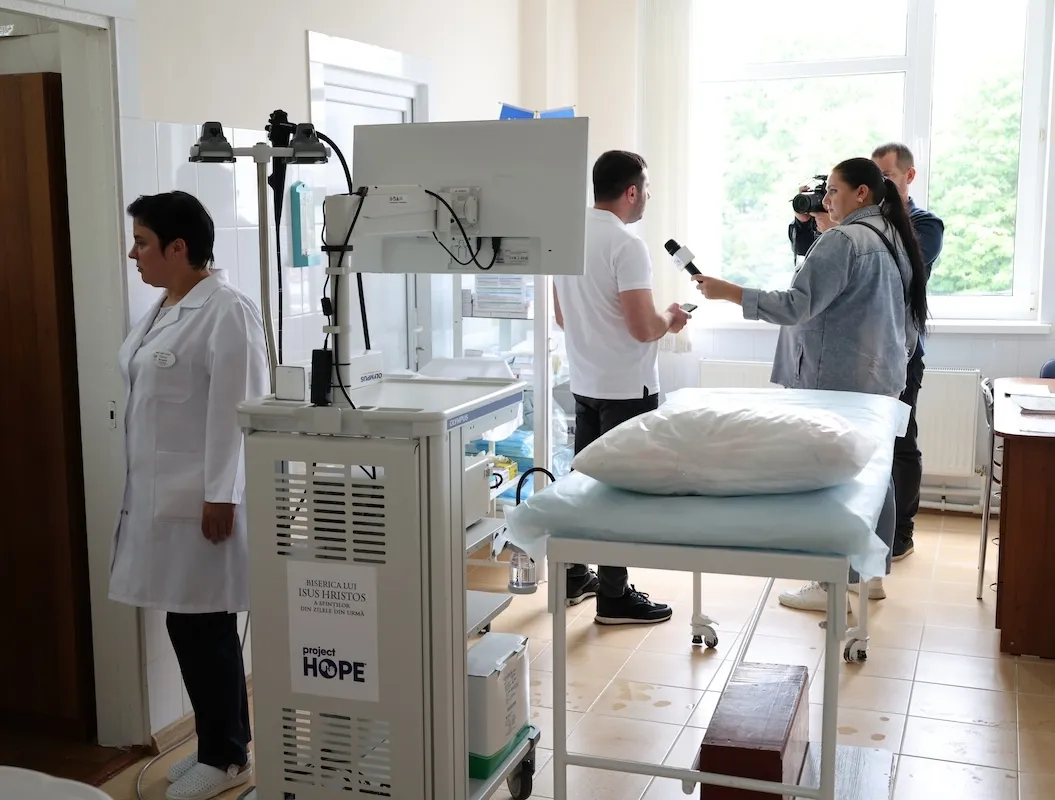
This year, our team equipped primary health care centers with essential medical supplies and modern equipment, including the donation of a modern and high-performance video gastroscope to the Florești District Health Center, a piece of equipment worth over $200,000. Now, advanced gastrointestinal investigations can be performed right in Florești, eliminating the need for expensive trips to the capital city of Chișinău.