From Health Clinics to Rural Villages, Knowledge is Saving Lives in Ghana
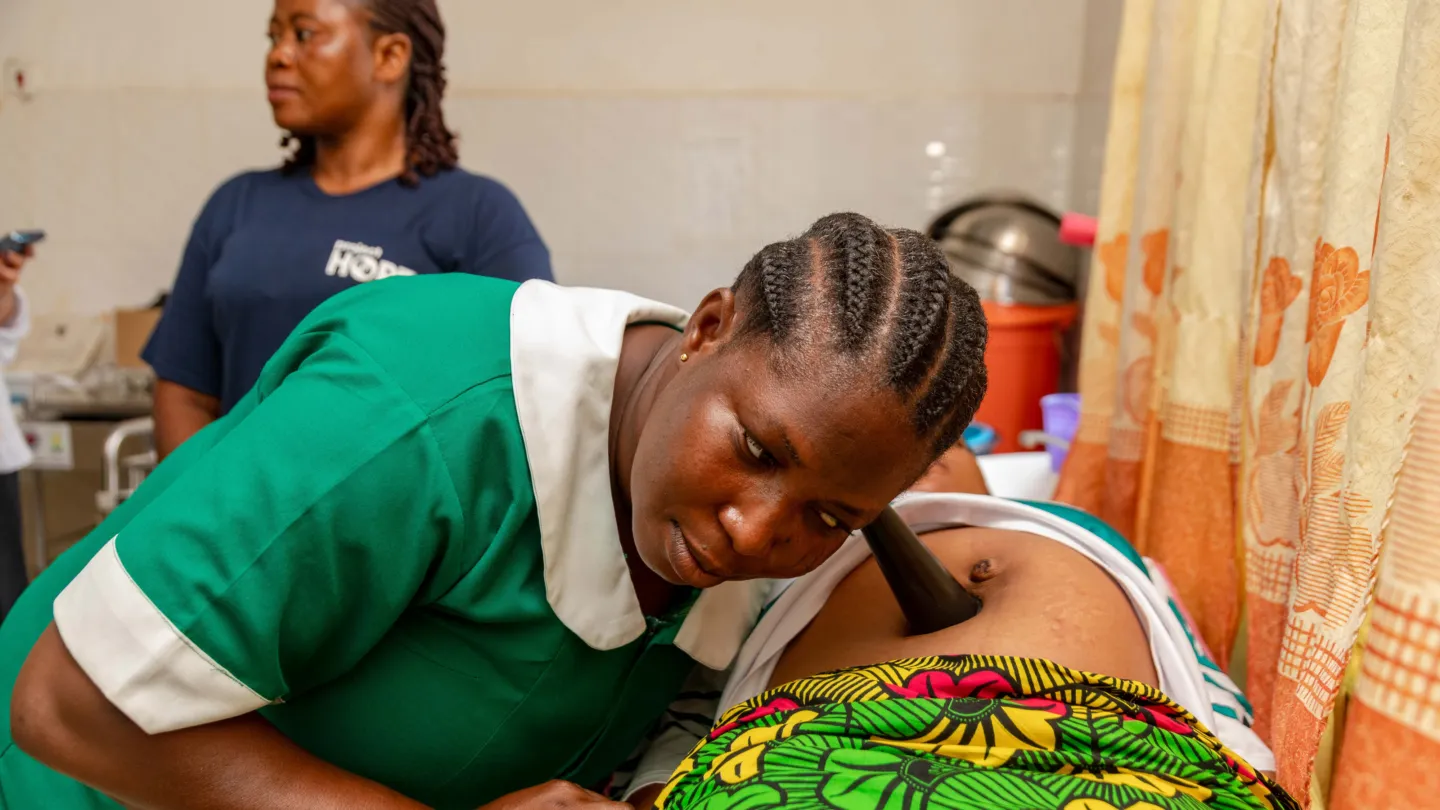
Ruth had just welcomed her first child into the world when a life-threatening complication put her own life at risk.
Like many mothers in rural northern Ghana, Ruth lives far from the nearest health facility and gave birth at home. After delivering a healthy baby girl, she began experiencing postpartum hemorrhage, a leading cause of maternal mortality in Ghana. By the time her family transported her by motorbike to the Nangodi Health Center, Ruth was unresponsive and had already lost a dangerous amount of blood.
Grace, the only midwife on call that night, had to act quickly.
With six years of experience as a midwife, Grace has been receiving training and mentorship from Ayishetu, a midwife and clinical mentor with Project HOPE’s Integrated Health Partnership program. Through this support, Grace has strengthened her ability to identify and manage obstetric and neonatal emergencies, including stabilizing patients before referring them to a higher level of care.
Drawing on those skills, Grace calmly and confidently managed Ruth’s emergency, saving her life.
“If I had not had the mentorship, I would have referred the case… for Ruth, if I referred her to the next level of care I don’t think she would have made it,” Grace shared.
The Reality for Rural Mothers and Babies in Ghana
Over the past decade, Ghana has made significant strides in reducing maternal and neonatal mortality rates through the expansion of essential antenatal, maternal, and newborn interventions. The country’s Community-based Health Planning and Services policy has also helped to reduce mortality rates by providing an array of cost-effective, quality healthcare across Ghana.
Despite these improvements, alarming health disparities persist, particularly in the northern regions, where over 50% of primary health facilities lack basic infrastructure and essential medical equipment. Project HOPE is helping close these gaps by providing essential equipment and strengthening the health workforce through training and mentorship.
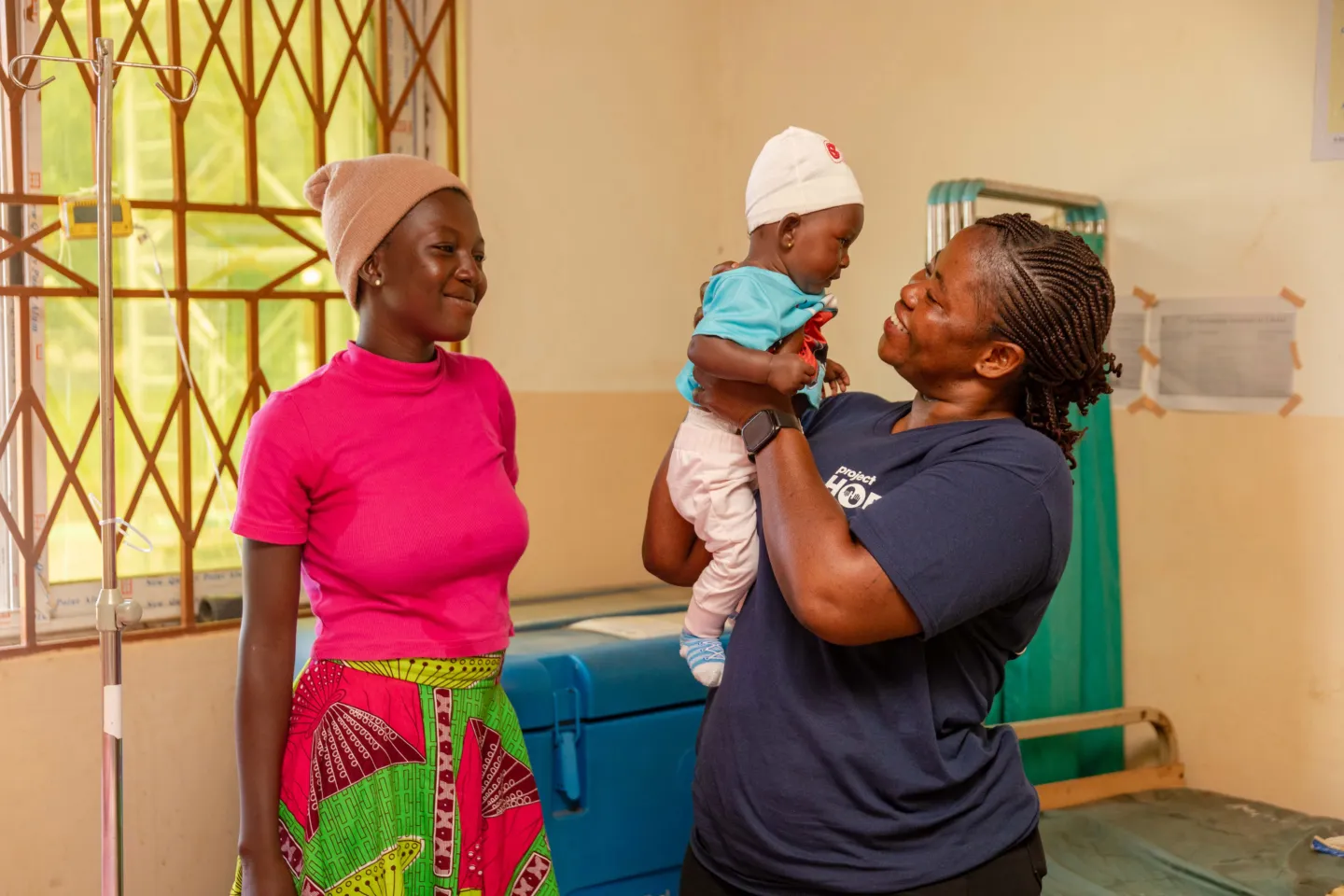
At the Parambo Health Center, another midwife named Abigail received Project HOPE training on newborn resuscitation. Before the training, she shared that she lacked both the knowledge and equipment needed to resuscitate newborns who were struggling to breathe.
Those skills proved lifesaving when Abigail’s colleague Esther, who had not yet received the training, was helping a young mother named Tibertor deliver her baby girl. When she realized the newborn wasn’t breathing, she had to call on Abigail.
“I had a labor case, and the baby was delivered and wasn’t crying,” Esther shared. “…I had to call over Abigail and she did everything. In the event she wasn’t there, I don’t know how I could’ve saved the baby’s life in that moment.”
Thanks to Abigail’s training, lifesaving knowledge was available when a newborn needed it most.
Empowering Mothers and Communities to Seek Care
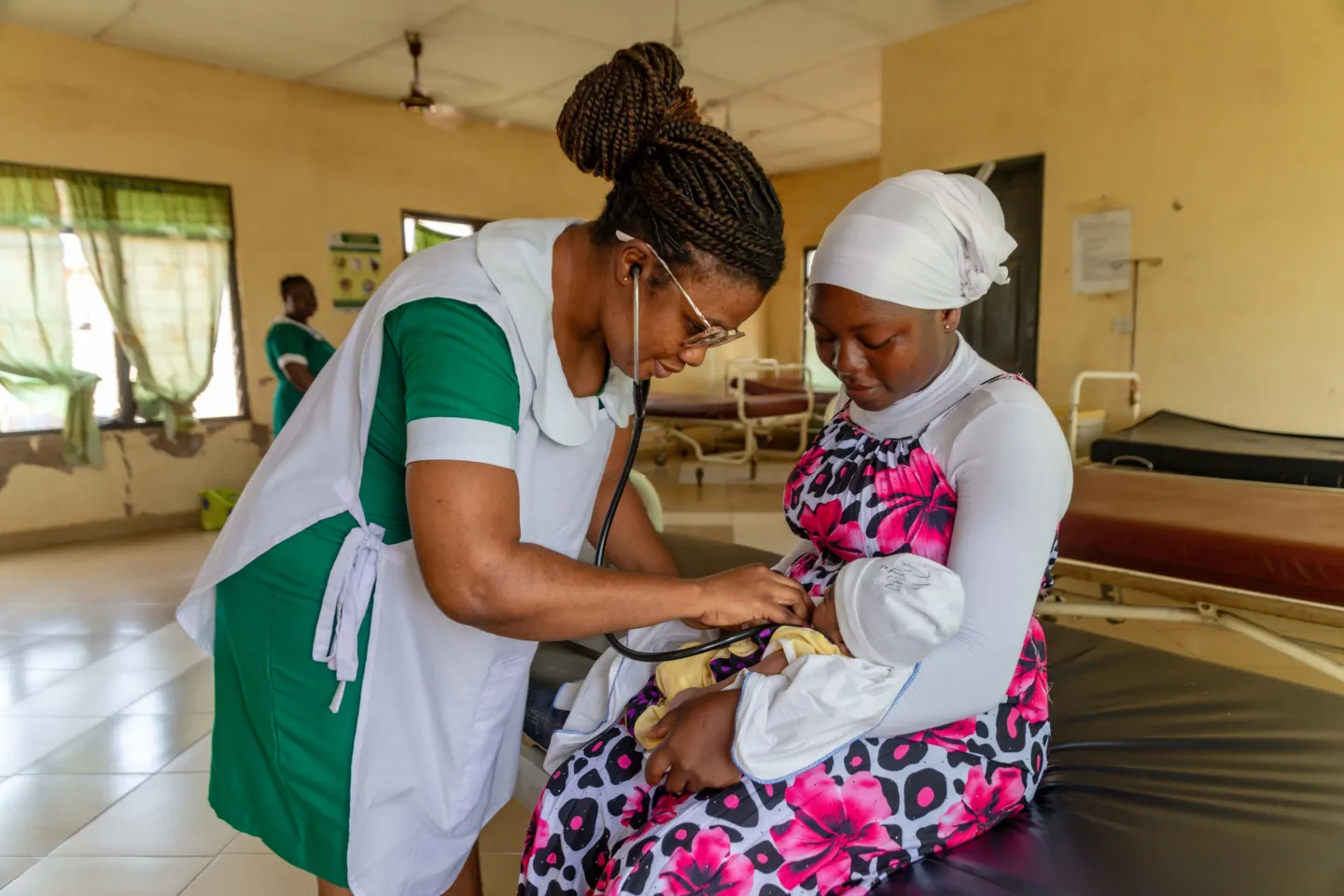
While the trainings Grace and Abigail received helped save Ruth’s life and that of Tibetor’s baby, the role of education does not stop inside the health facility. Community health education is just as important.
For mothers living in rural communities, knowing when to seek care, where to go, and what danger signs to look for can be just as critical.
Beyond training healthcare workers and equipping facilities with essential supplies, Project HOPE also provides public health nurses with transportation and training to reach hard-to-reach communities with vital health education. This outreach helps families understand the importance of antenatal care, recognize danger signs during pregnancy and in newborns, and learn about breastfeeding and proper nutrition.
Dzifa, a public health nurse, uses a motorbike provided by Project HOPE to travel to remote communities and educate both women and men. In these predominantly patriarchal communities, engaging men is critical to ensuring women and their babies have the support they need to access care.
Before this outreach was available, Dzifa shared that mothers would often stay home, unaware that they or their newborns needed medical attention.
“Unable to recognize the danger signs, they wouldn’t seek help, and the problem would get to a point where health workers weren’t able to intervene.”

Salifa, a tribal elder whose community has benefited from this health education, understands its value firsthand.
“If I personally had gotten this kind of education or health engagements earlier, I would have had better outcomes [in my pregnancies], and because of that, I’m very strict on my daughters, and other women here who are pregnant, and make sure that once you are pregnant, you will not stay home, you always go for antenatal care.”
Lifesaving Knowledge, Lasting Impact
From health facilities to remote villages, knowledge is helping save the lives of mothers and newborns across rural Ghana.
For Ruth, Grace’s training and confidence meant the difference between life and death after a dangerous childbirth complication. For Tibertor’s daughter, Abigail’s skills and access to essential equipment helped her take her first breaths. For Salifa’s community, health education is shaping how an entire generation of mothers and families approach pregnancy and childbirth.
Together, these stories illustrate the lifesaving impact of training, mentorship, and community education after less than two years into Project HOPE’s five-year Integrated Health Partnership program.
Through the U.S. Government funded Integrated Health Partnership program, Project HOPE, in partnership with Ghana Health Service and Ghana’s Ministry of Health, are improving maternal and newborn health outcomes at every level, strengthening the skills of healthcare workers, equipping facilities with essential resources, and empowering communities with the knowledge to protect mothers and babies.