I Responded to Ebola in Uganda. Here’s What I Learned.
The Democratic Republic of the Congo (DRC) and Uganda have been confronting one of the largest Ebola outbreaks in recorded human history. On May 15, 2026, the World Health Organization (WHO) declared the outbreak a “public health emergency of international concern” following cross-border transmission from the DRC into Uganda. Fortunately, Uganda was declared Ebola-free on August 26, however, the outbreak continues to spread and claim lives in DRC.
Responding to the Bundibugyo Ebola outbreak in Uganda reinforced for me both the strengths and vulnerabilities of public health emergency response.
What stood out most was Uganda’s strong health system and the experience it has gained through successfully responding to previous outbreaks. Despite the immense pressure of the crisis, there was a clear sense of preparedness, coordination, and determination among health authorities and response partners.
At the same time, the response unfolded in a context where misinformation and myths about Ebola were widespread, creating additional challenges for surveillance, contact tracing, risk communication, and community engagement. Multiple people I met, from taxi drivers to hotel staff, told me that Ebola was another lie by health authorities and westerners and did not bother them. All the while, responders were working day and night to contain it before it spread further.
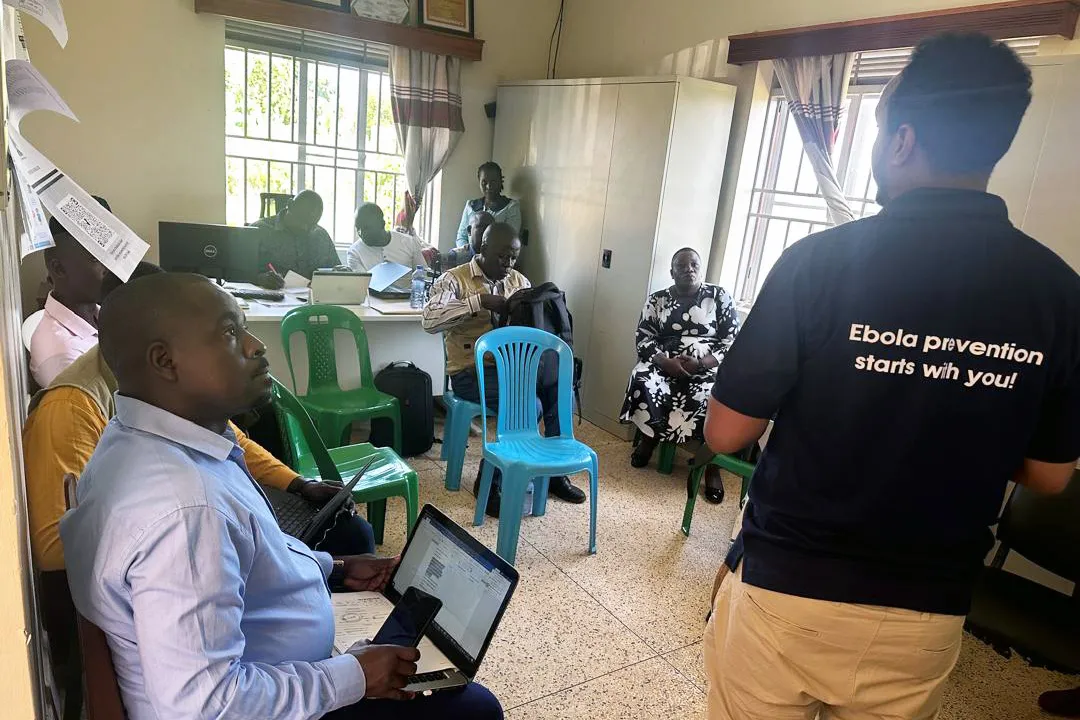
Misinformation and myths about Ebola were widespread, creating additional challenges for surveillance, contact tracing, risk communication, and community engagement.
One of the most powerful experiences for me was witnessing the personal toll that Ebola takes, not only on patients and families but also on frontline health workers. I met a health worker in Kampala who was under home surveillance after exposure to a known Ebola case at his health facility. I went with the contract tracing team as he received his daily temperature and symptom screening. He spoke openly about his fear and uncertainty, explaining how difficult it was to learn that he had been identified as at-risk and was required to remain at home under monitoring.
He described intense anxiety, sleeplessness, and constant worry about whether he might develop the disease. Moreover, he was worried about how he could support himself in the coming weeks while not working. His story reminded me that outbreaks affect people emotionally, psychologically, and economically as much as physically, and that responders and exposed individuals often carry a heavy burden that is invisible to others.
We’ve Seen an Ebola Crisis Before. We Cannot Repeat the Same Mistakes. >>
Outbreaks affect people emotionally, psychologically, and economically as much as physically, and responders and exposed individuals often carry a heavy burden that is invisible to others.
I was also deeply impressed by the commitment of Uganda’s Ministry of Health leadership and response teams. From the national to the district level, teams worked tirelessly, often late into the night, participating in coordination meetings and ensuring that critical actions were implemented immediately. Health workers, district teams, and partners from other sectors, including the military, consistently followed through on responsibilities and delivered results under difficult circumstances. Their dedication demonstrated the level of commitment required to contain a deadly disease and protect communities.
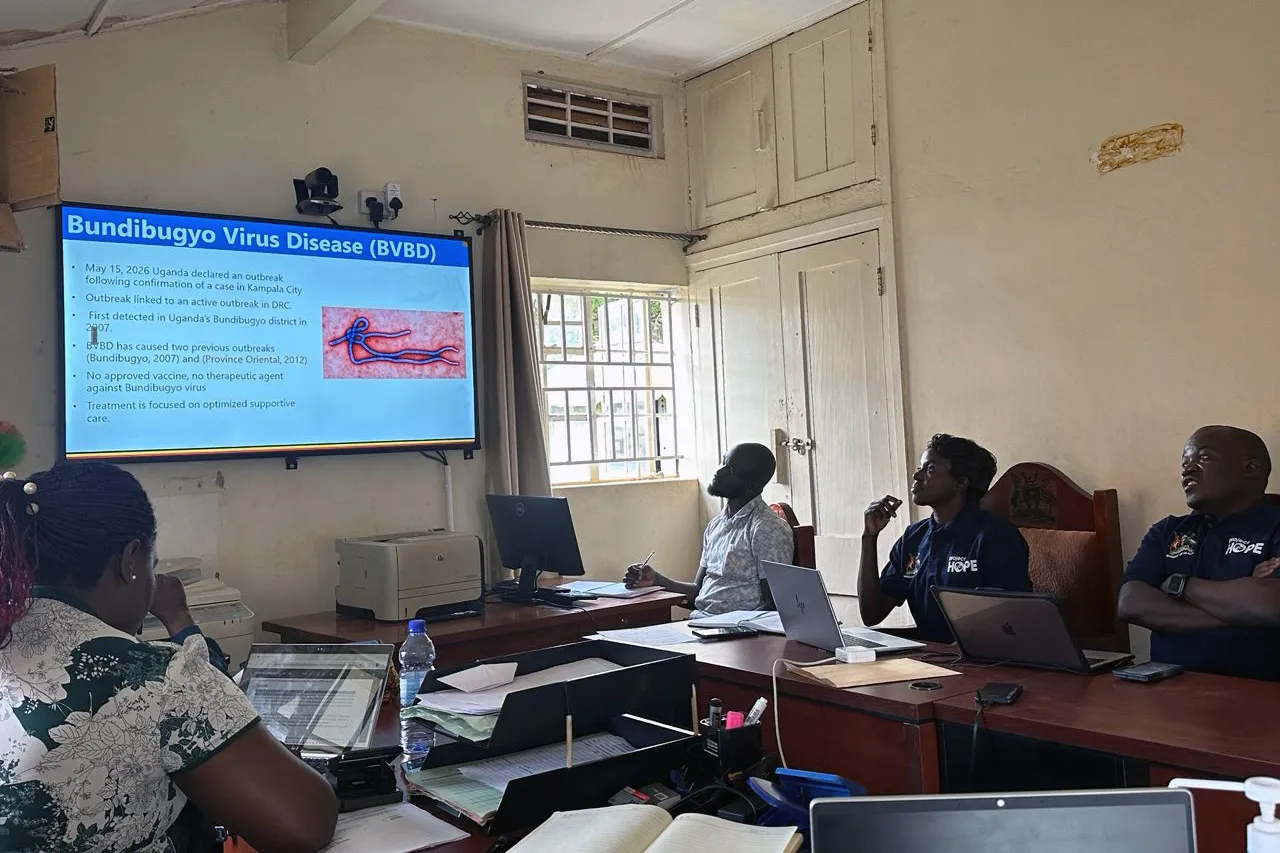
Project HOPE’s contribution was particularly important because it strengthened capacity in four districts that are most vulnerable to cross-border transmission from the Democratic Republic of Congo: Arua City, Kikubbee, Hoima, and Arua District. We also supported contact tracing in the Kampala Metropolitan Area by deploying four contact tracing teams and provided training, mentoring, vehicle support, and technical assistance. These teams visited health facilities to conduct mortality surveillance, infection prevention and control (IPC), and risk communication and community engagement activities.
Our support reached more than 90 health facilities and 650 healthcare workers and community health workers on village health teams. Critical community engagement materials like posters and flipbooks were printed and distributed, reaching every village with critical messages.
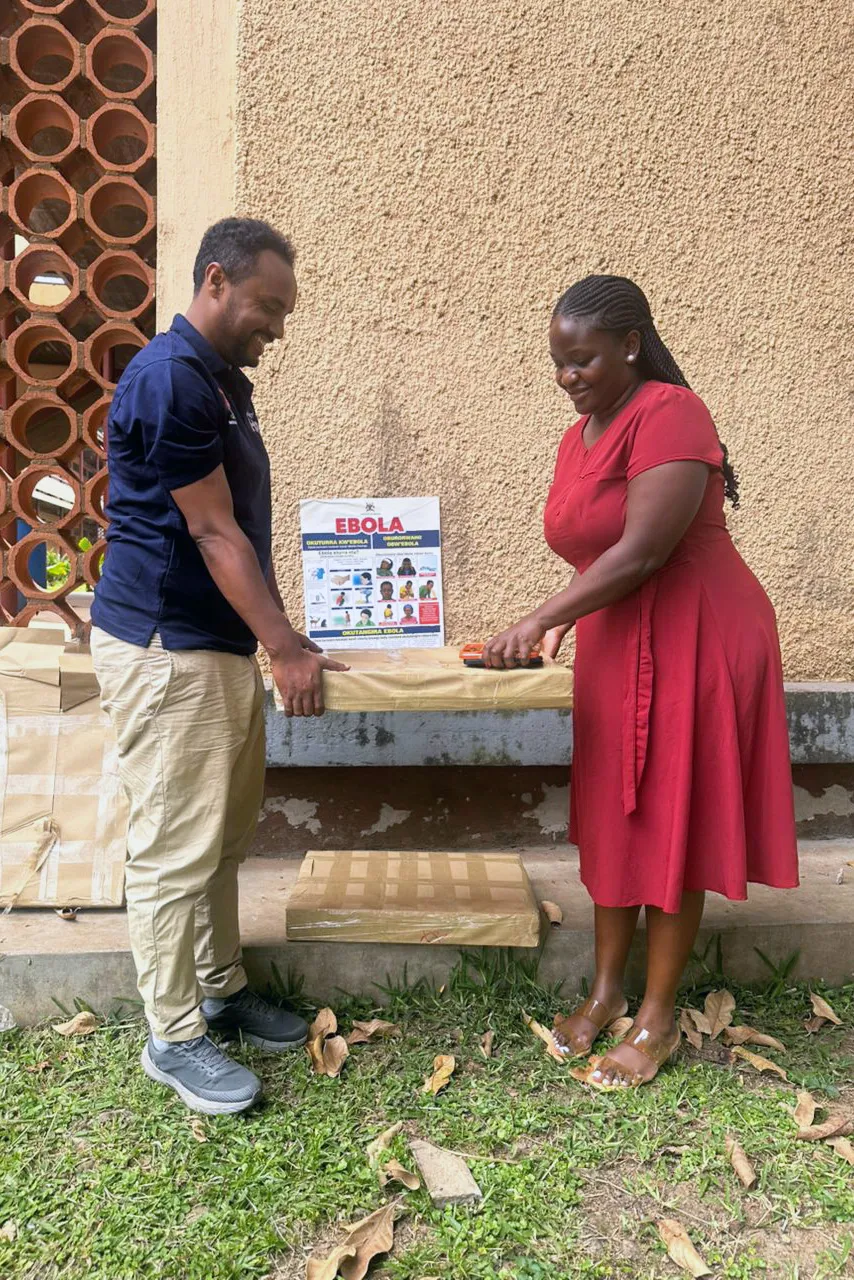
On the other side of the border, in eastern DRC, Project HOPE also worked through our longstanding local partner, African Initiative for Relief and Development (AIRD), to deliver support to remote and insecure areas, including locations near the outbreak epicenter. Their local presence, operational experience, and understanding of security and logistical challenges made it possible to deliver critical supplies and support responders efficiently. This experience reinforced my belief that strong local partnerships are essential for an effective and sustainable outbreak response.
As I think back on my time in Uganda, I remember one unforgettable discussion with an Arua District Health Office head that left an impression on me. He was thrilled to see Project HOPE come to help with the response, and he emotionally described how hard it had been for his team over the previous weeks. Arua was where all imported cases of Ebola passed through Uganda from DRC and where strong defenses should be in place. But his team never had adequate logistics support, community engagement supplies, or even fuel for the ambulance they were using for the response, which regularly broke down.
As he was telling me this, he looked out from his office and saw the ambulance being pushed by men from the District Health Office. It was heartbreaking, but also humorous to see him jump out of his chair, grab my hand, and pull me to the window to witness it myself. I knew our work to bring fuel, vehicles, and other support was making a difference.
Asayehegn Tekeste is Director of Programs Implementation for Project HOPE in Ethiopia.