In Altadena, the Emergency Never Ended
The January 2025 Eaton Fire severed the close-knit community of Altadena, CA. Project HOPE is helping stitch it back together by supporting community members as they navigate grief and decide what it means to stay connected to a place after so much of it is gone.
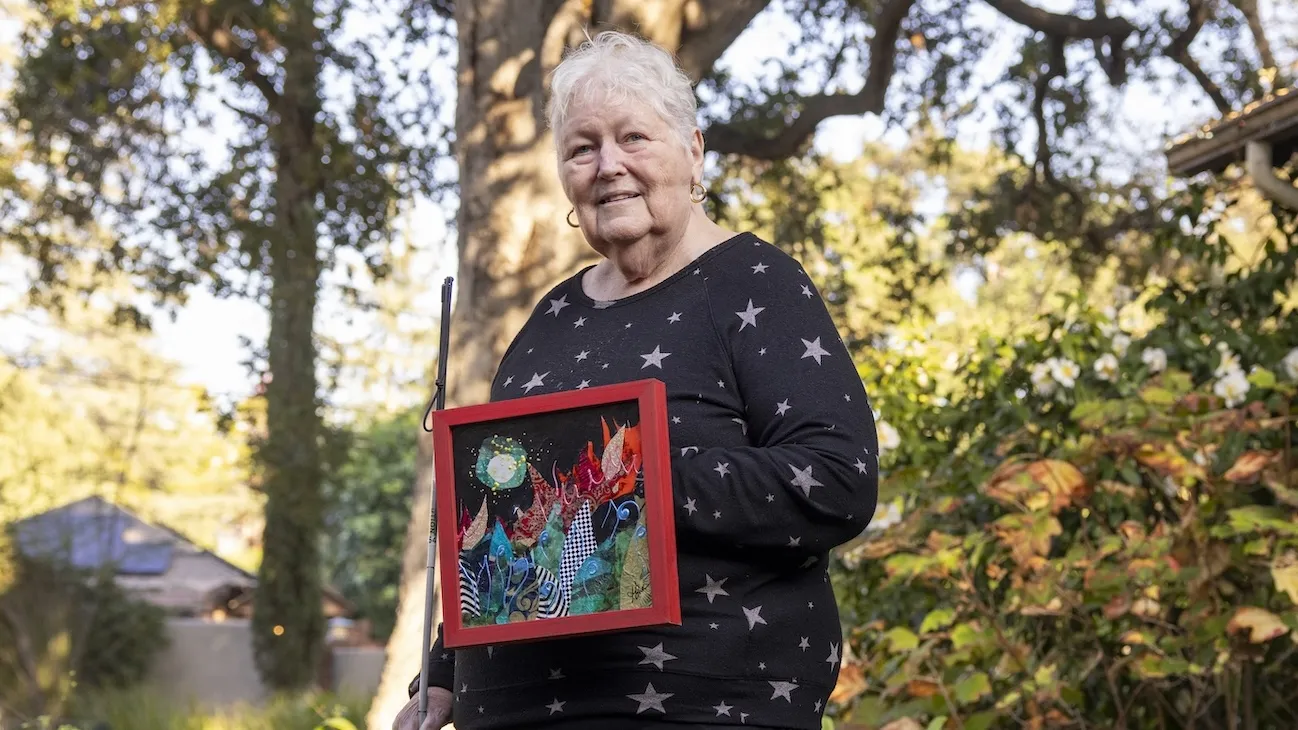
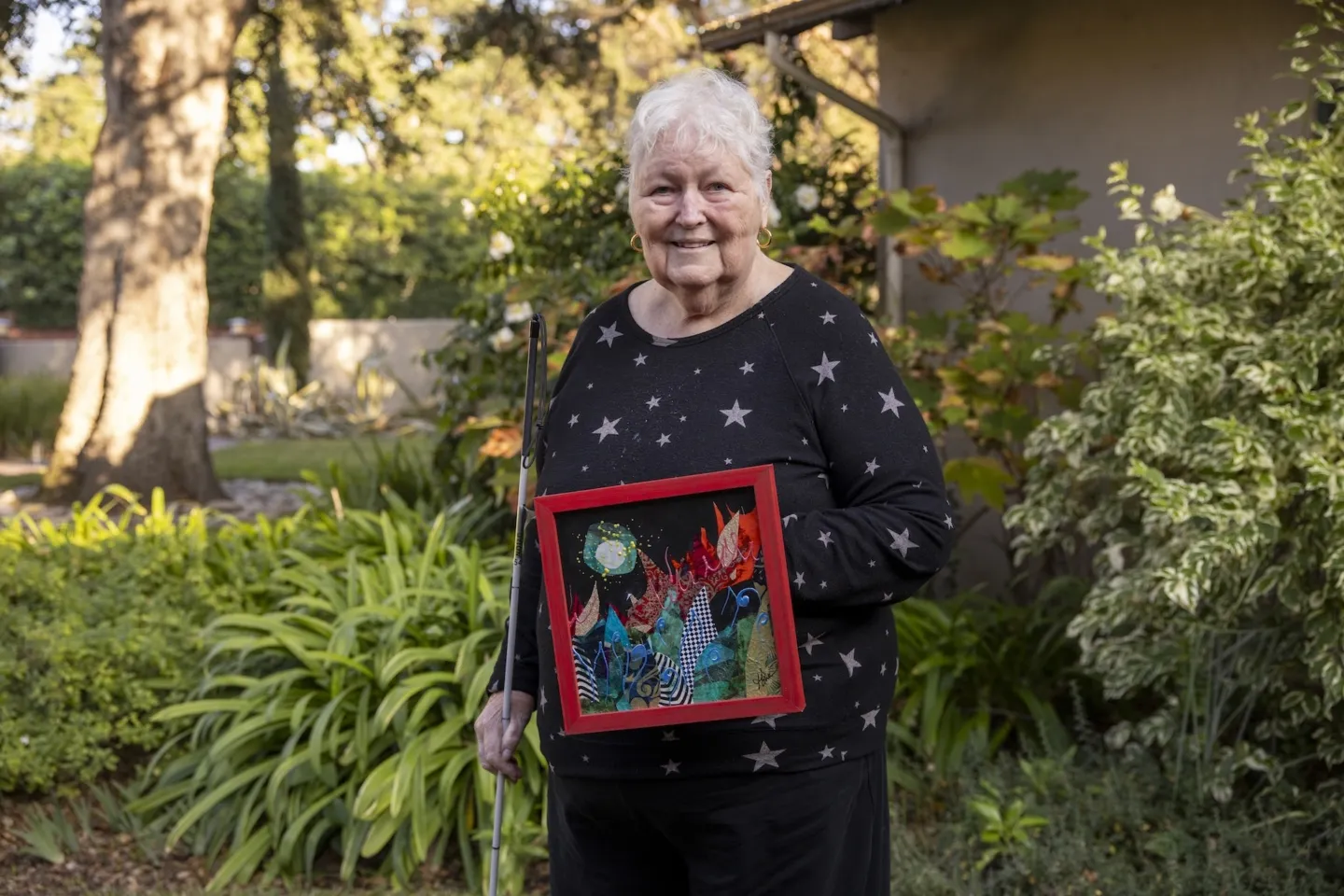
Altadena is where Karen grew up, built a life as an artist, and expected to grow old.
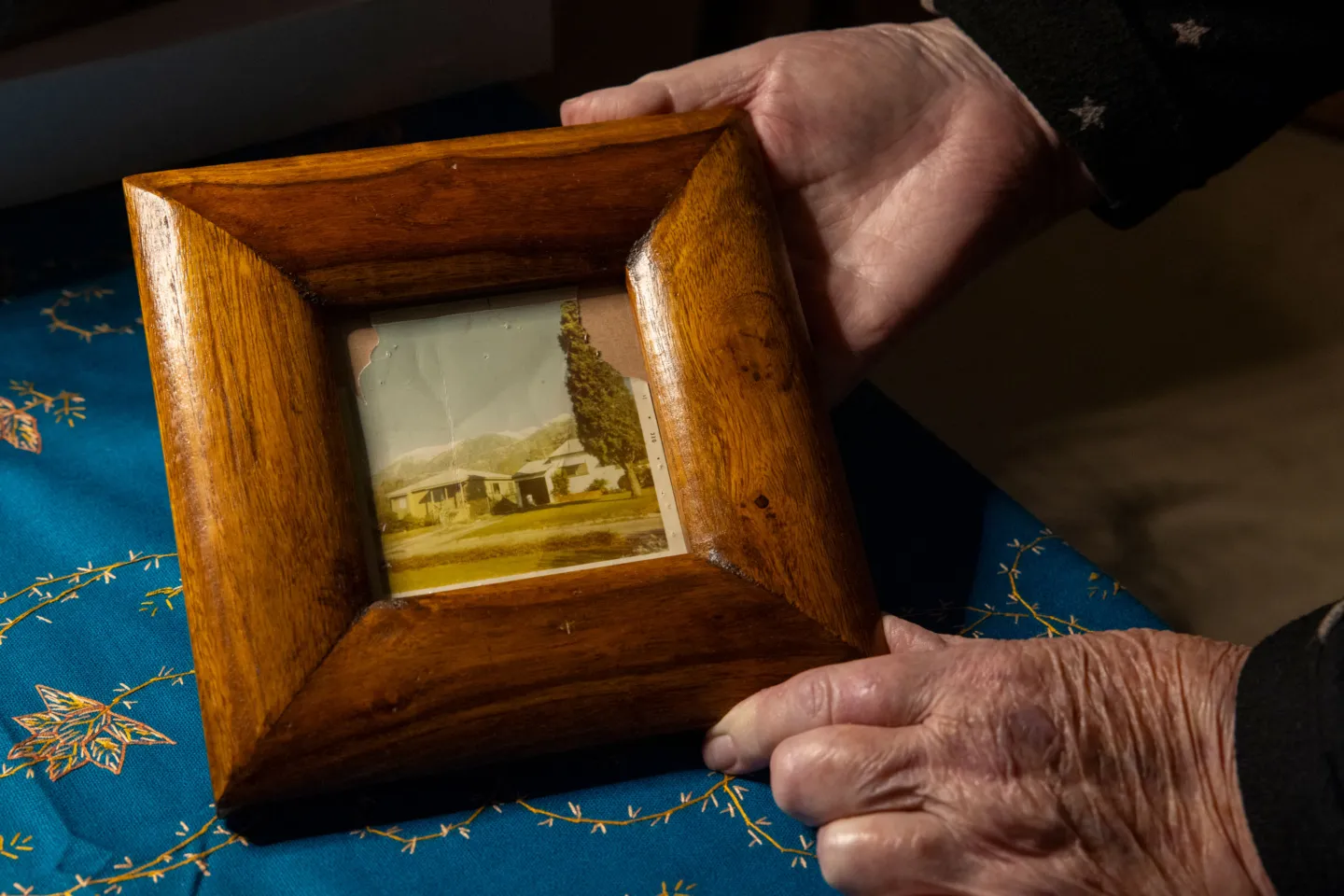
When she and her grandson evacuated their home in January 2025, they thought they would return the next morning. Instead, the Eaton Fire — one of the largest in Los Angeles County history — swept through their neighborhood, burning her home of 51 years to the ground.
By the time it was extinguished weeks later, the fire had devastated the small mountain town, killing at least 19 people; destroying entire blocks of homes, businesses, and community buildings; and displacing a close-knit community that goes back generations.
The fire also destroyed the house where Karen was raised, two other homes she had previously lived in, and a mural she had painted for a local church.
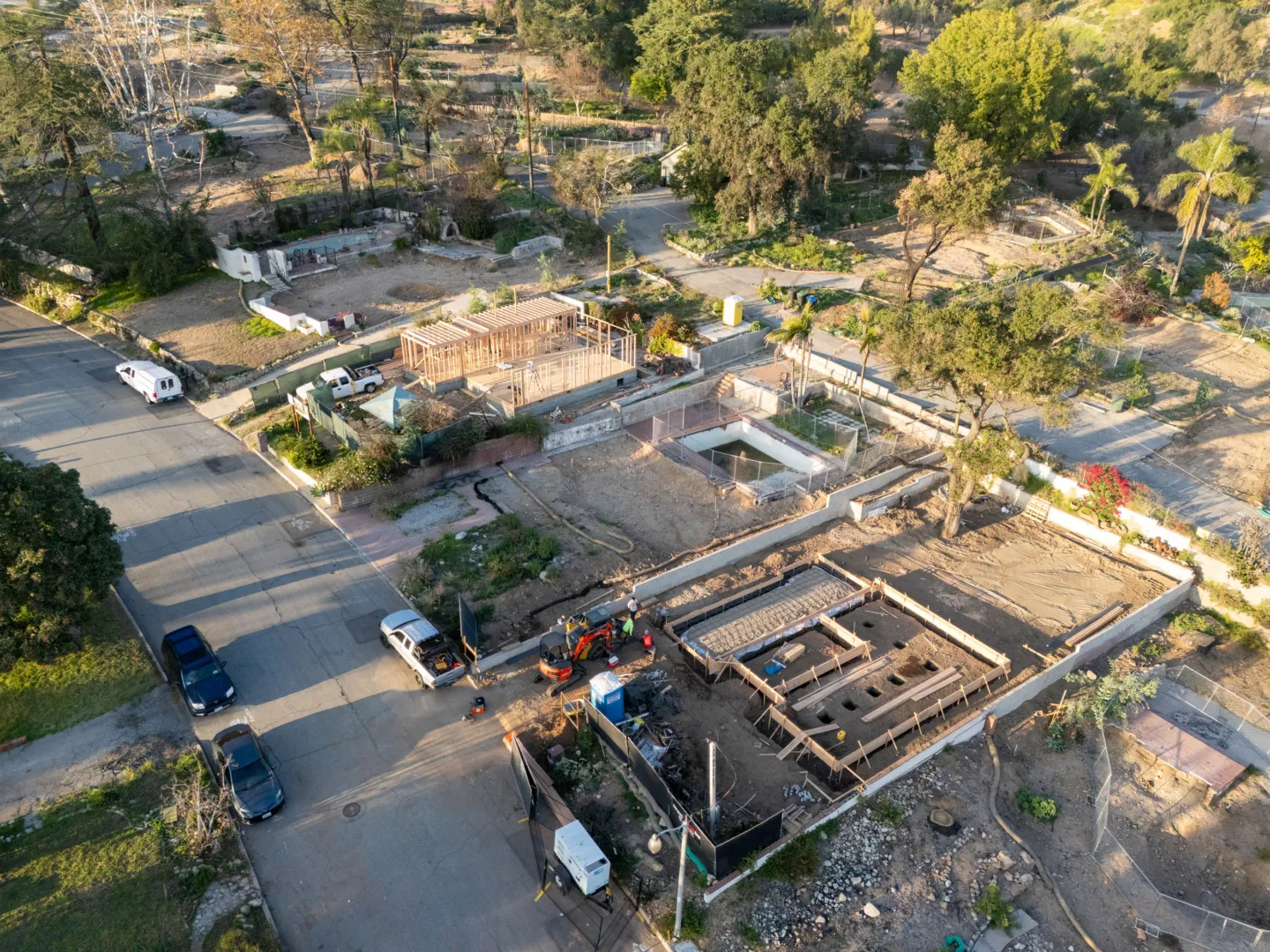
One year later, standing in the empty lot where her house used to be, Karen is still working to understand the loss. “Altadena will never be the same,” she says. “There’s no way it can be… but it can certainly be stronger and better.”
‘It’s one trauma after another’
In losing her house, Karen lost more than just her property; she lost connection to a rich community she has belonged to most of her life. Before the fire, Altadena was a unique enclave within Los Angeles: a small-town, working-class community of creativity, diversity, and deep roots. Artists could afford to buy homes and neighbors truly knew one another.
In the year since the fire, Project HOPE has been working with local partners to support recovery and resiliency through a variety of programming, including trauma-informed mental health care.
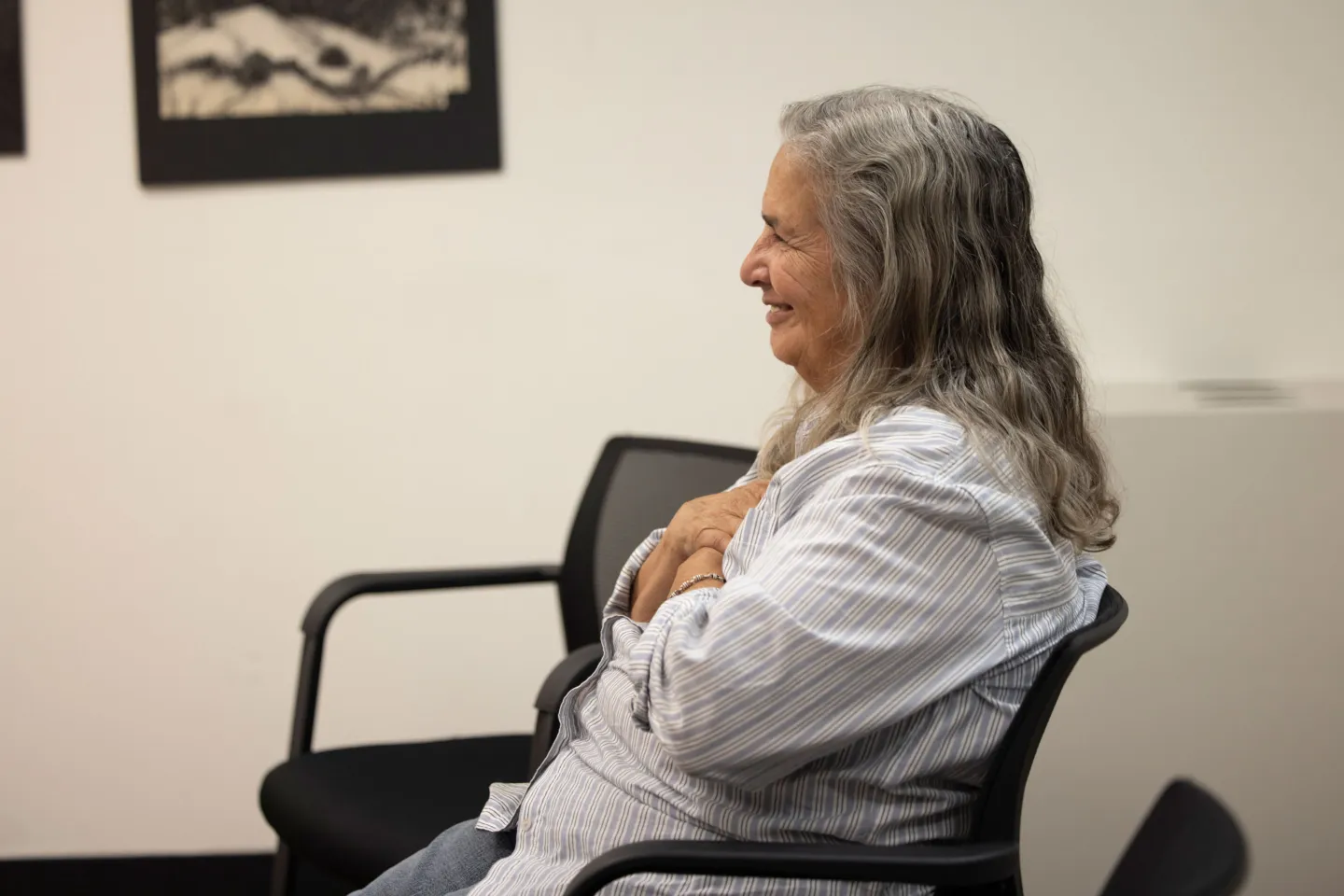
In partnership with Pasadena Village, a nonprofit community center for older adults, Project HOPE led a “Hope to Healing” supper club to support LGBTQ+ adults in recreating a sense of community and safety amid the unfamiliar landscape. Designed as a six-part wellness series, participants including Karen were invited to join in guided reflection, mindfulness, music, and storytelling to explore themes of grief, identity, and belonging. They also learned simple, practical self-care tools.
“I didn’t even know what I was walking into, but I knew it was going to be good,” Karen says.
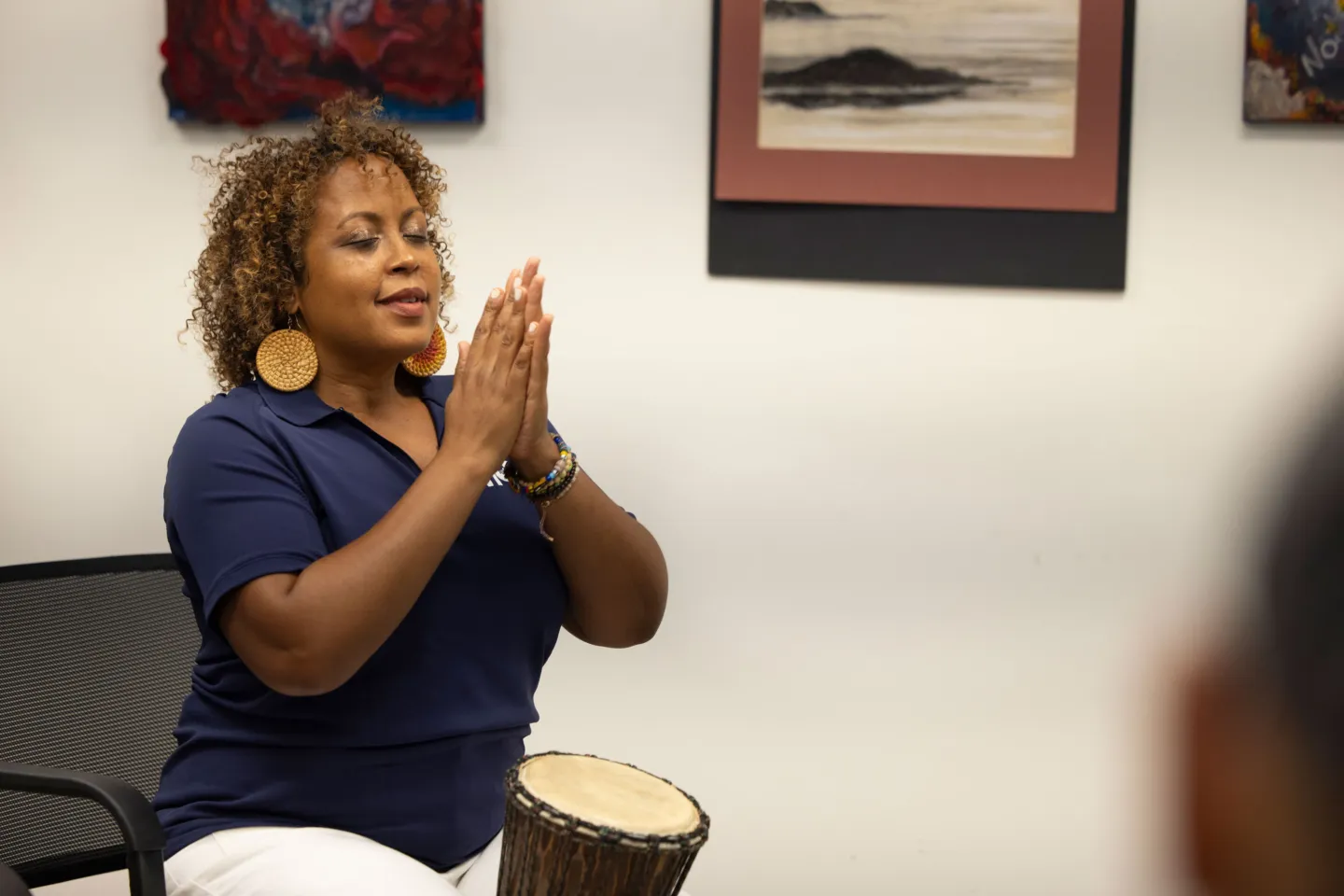
During one session, Project HOPE mental health specialist Stacie Yeldell brought a drum that was passed around so everyone could take a turn striking it. “It had a connecting quality to it,” Karen says. “I think music is so healing, and art is healing for those who are creating it.”
“I hear a lot about how people miss their connection to community almost more than the physical things that they lost,” says Kieran Highsmith, a program associate at Pasadena Village. “A lot of people had to scatter, move, go out of state, or go stay with family somewhere, so all of these anchors to community and emotional stability and happiness and socializing were just gone.”
For Lilly, another Altadena resident, being in a room full of others who had lived through the same disaster brought a powerful sense of understanding and connection.
“I came because I was looking for more support,” she says. “I’m looking for community. I’m really still looking for an LGBT community, and the group gave an opportunity to talk about the fire. I’ve always gotten something out of it.”
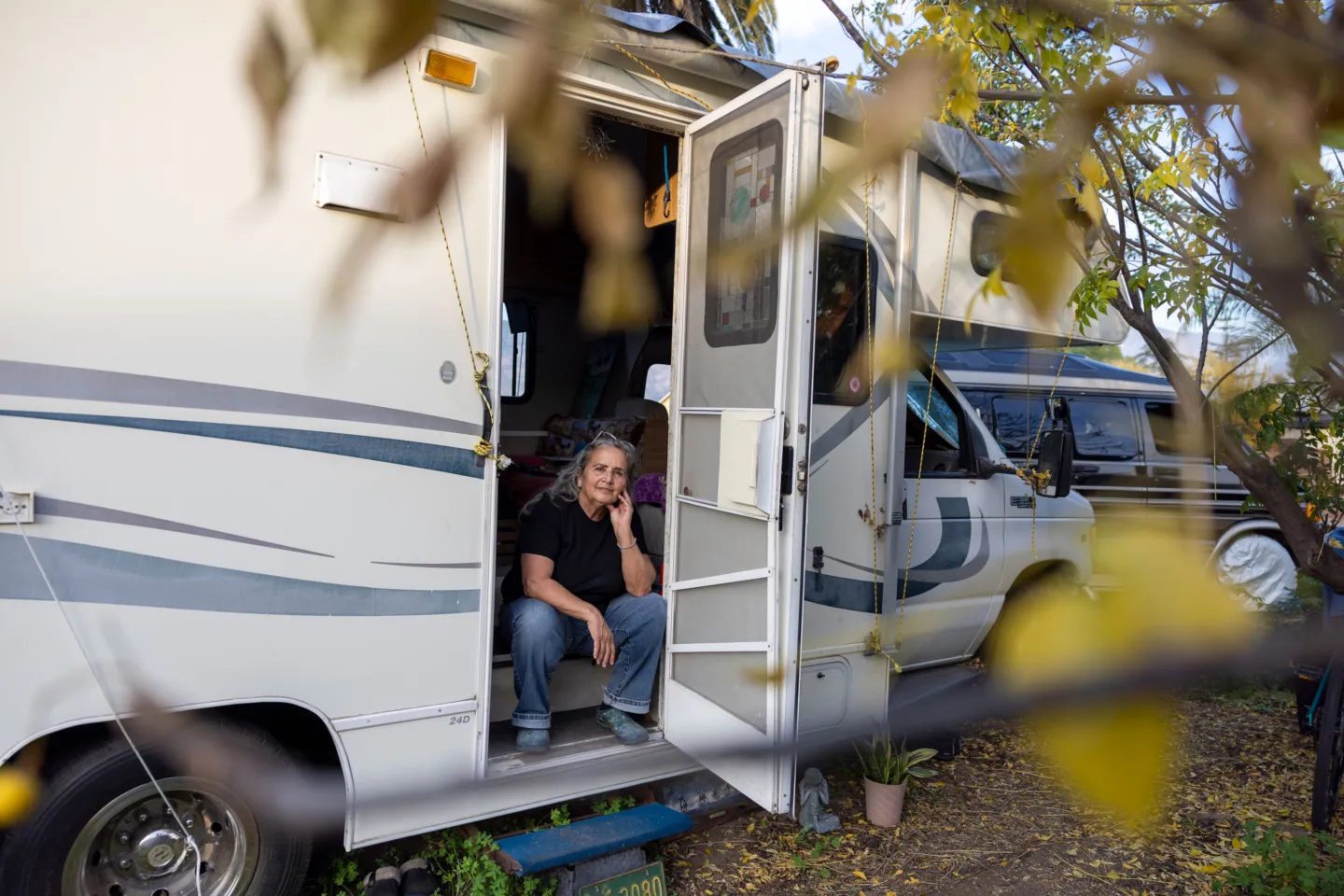
Lilly suffered major damage to her home in the fire. In the months that followed, she also lost both of her dogs and one of her cats. She tried staying with friends in another town but missed home so much that she has chosen to live in her RV parked next to her sealed house — living for months without running water, electricity, or heat while crews work on it. “I felt very uprooted,” she says. “Rootless and just up in the air.”
More than anything, the loss of community was devastating for her. “You lose your house, and then you lose your community. It’s one trauma after another.”
‘It means that we can heal’
One year later, recovery in Altadena is uneven. Not everyone can afford to rebuild their homes, and more than 80% of residents remain displaced.
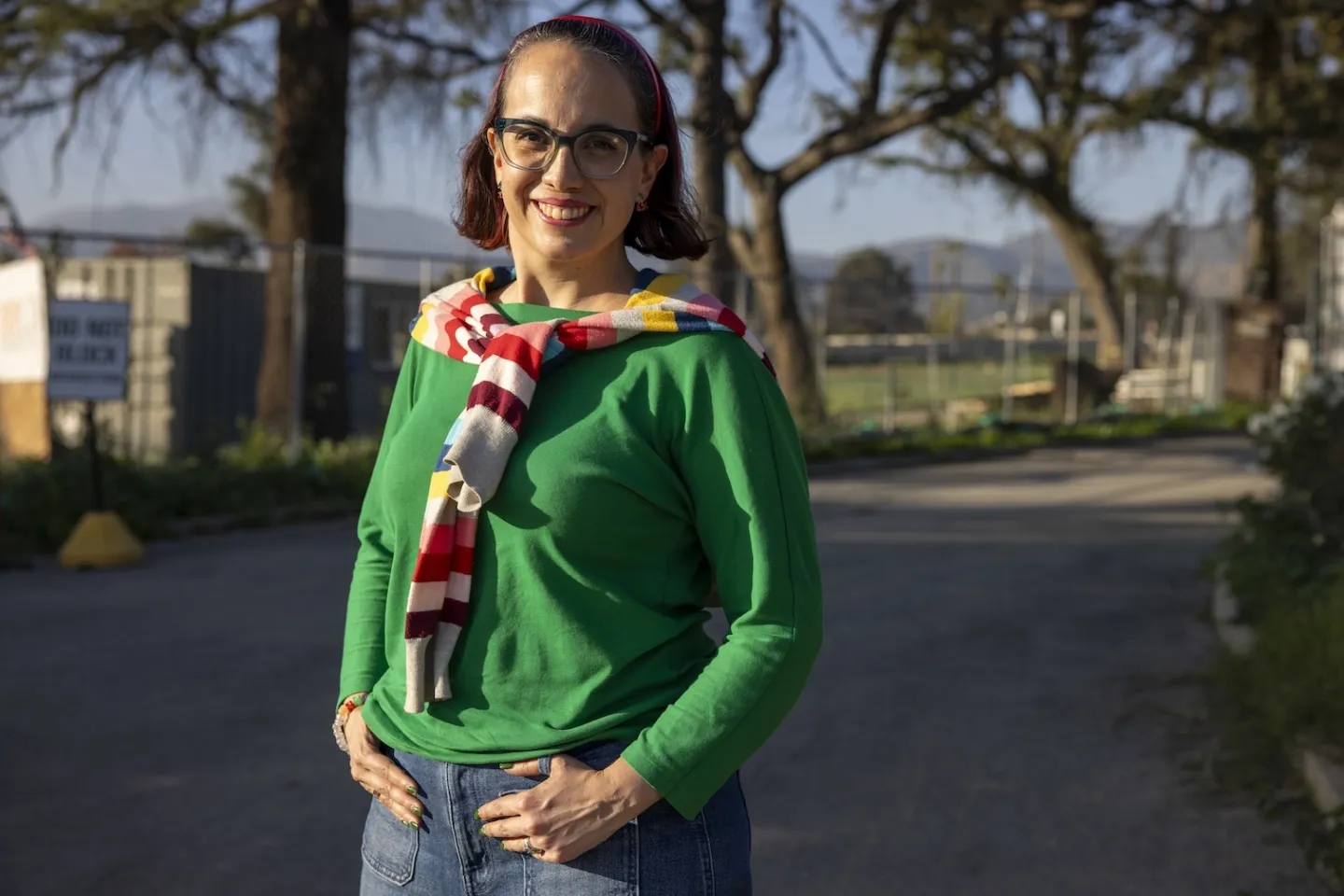
“This is the time we are needed,” says Nadia Paredes, a mental health and resiliency trainer for Project HOPE. “As we rebuild, this is where it gets the hardest, because that first altruistic wave that comes with disaster is drying out.”
Nadia’s family emigrated from Mexico so she could pursue art therapy, making a home in Pasadena. When her son found a bilingual school in Altadena, they felt they had finally found the community they were looking for — but the fire took that away, destroying her son’s school and rendering her community unrecognizable.
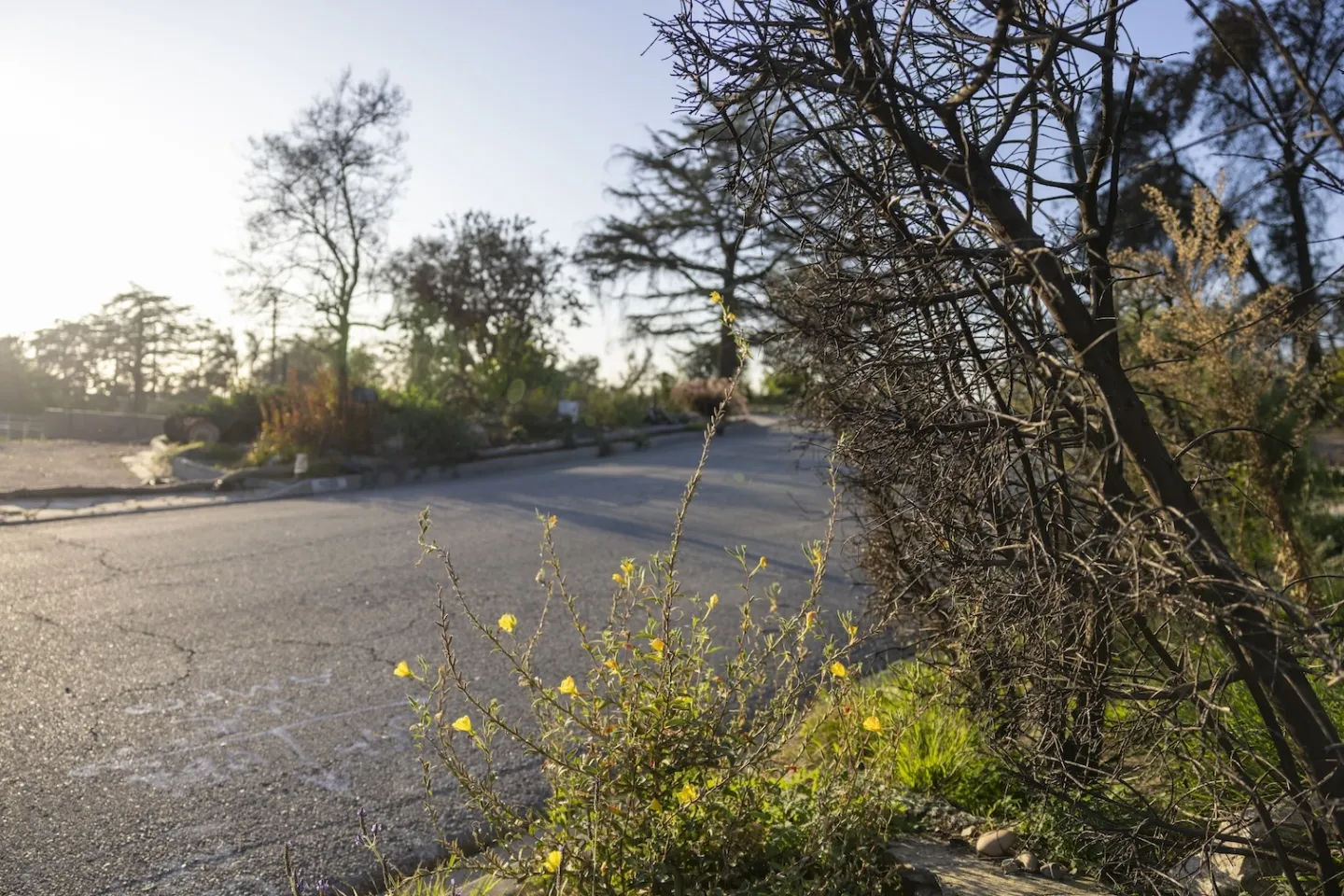
At first, Nadia was afraid to return to Altadena and see the damage. After processing her trauma through art, she finally went back. Her son’s school was gone and her community was forever changed — but seeing new green growth covering the empty lots made her realize she doesn’t have to be afraid. “This is actually empowering, because I see the resilience in nature,” she says. “It means that we can heal. It means that we will heal.”
One year after losing her home, Karen is living in Pasadena while her house is being rebuilt, renting a room from someone she was connected to through Pasadena Village.
By helping one another, she says, healing and moving forward will be easier for everyone, young and old, and mental health tools will continue to be “so important.”
“We’re moving ahead. We’re getting things done we need to get done,” she says. “But we’re not totally out of the woods.”