Meet the Health Workers Restoring Care at the Colombia-Venezuela Border
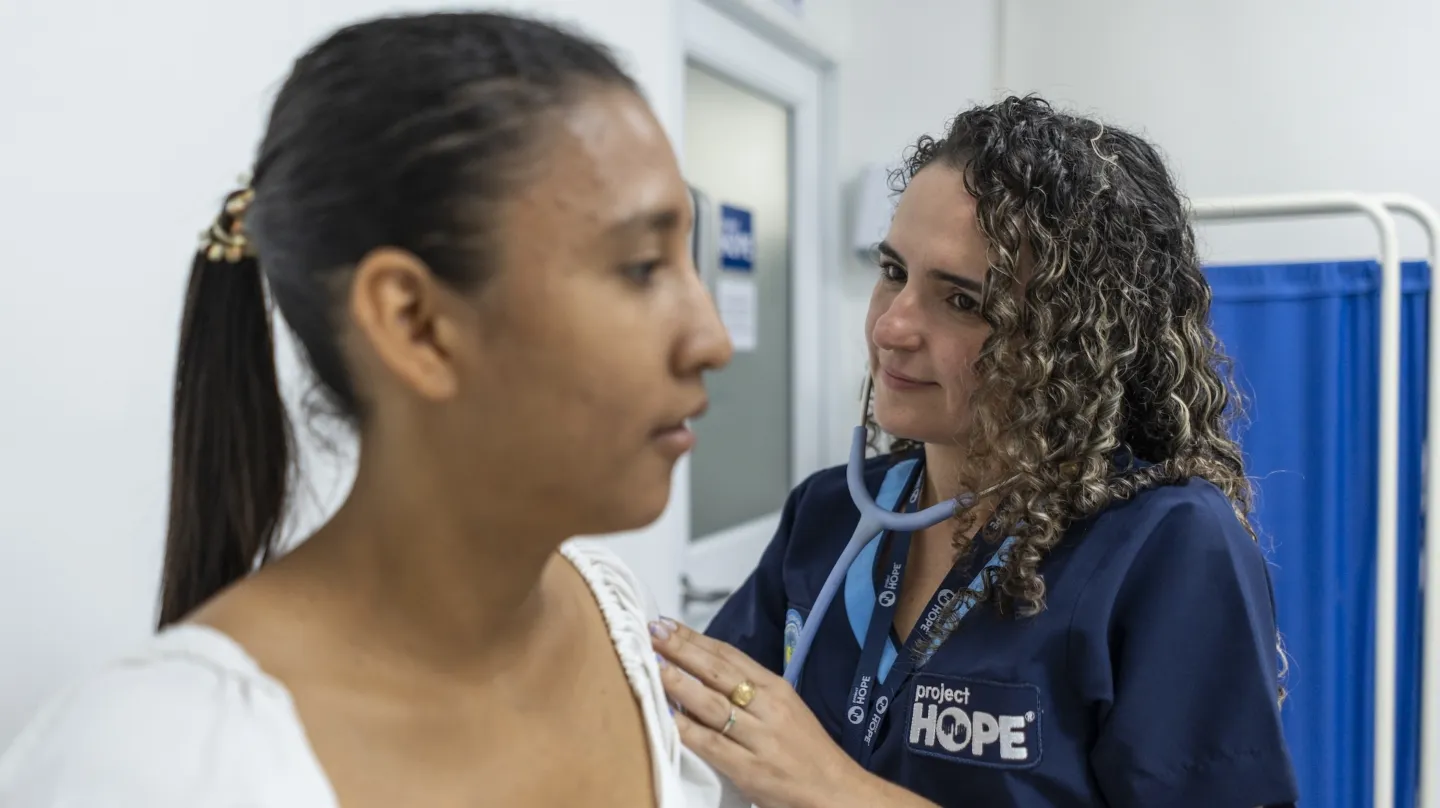
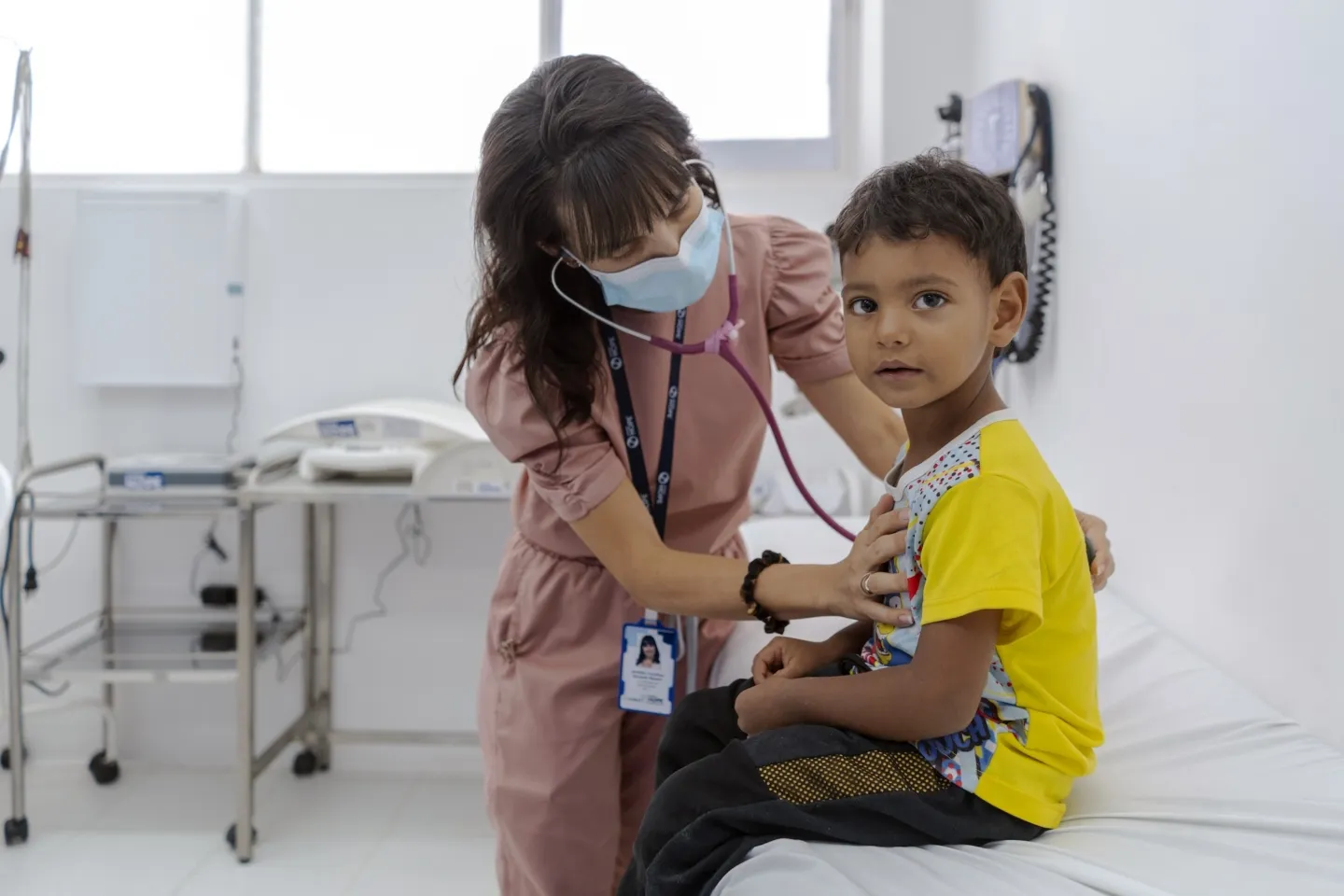
In Cúcuta, Colombia, Dr. Jennifer Guzmán feels the impact of her country’s humanitarian crisis all around her.
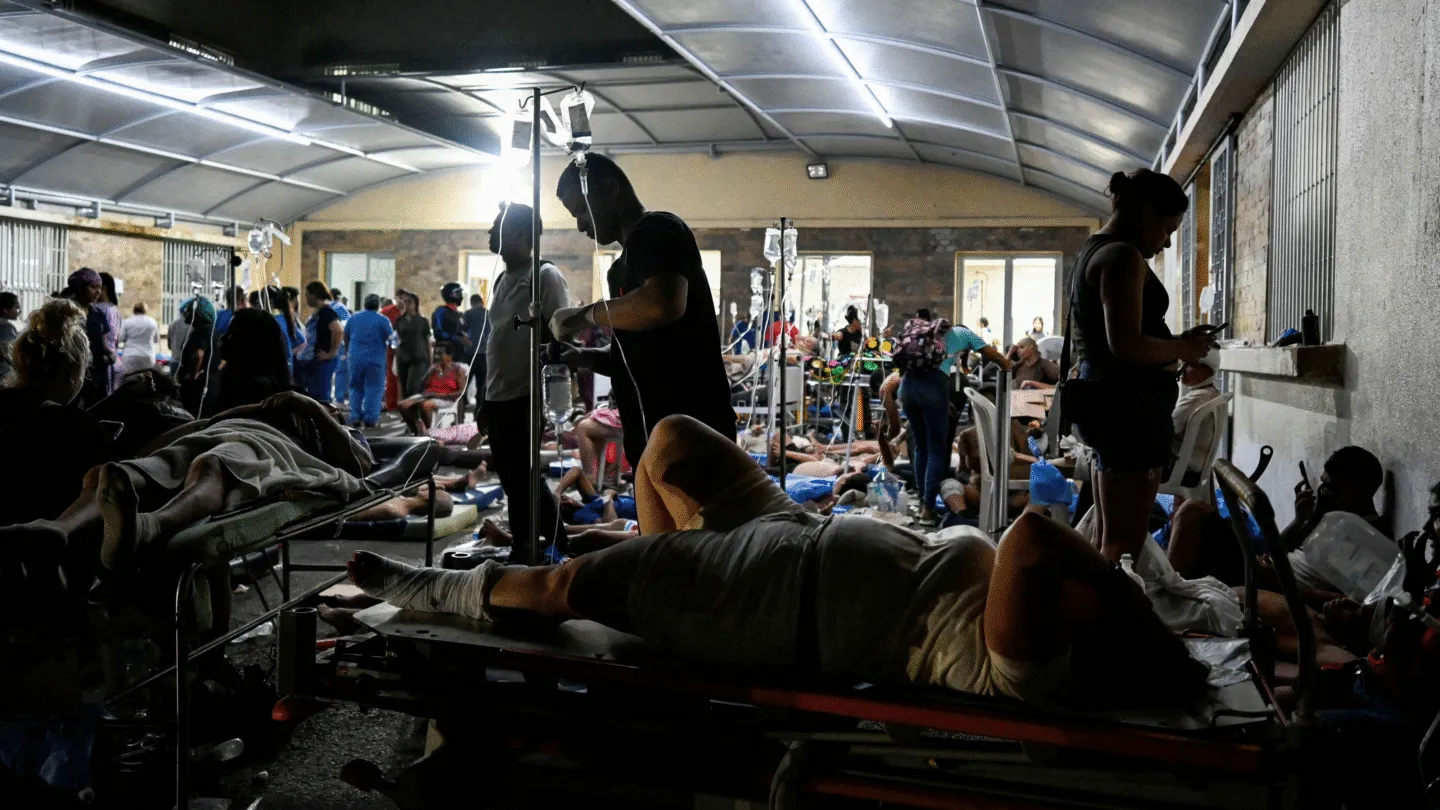
Every day, she witnesses extreme hunger, chronic illness, and the emotional toll of displacement. Her patients — especially migrants from Venezuela who lack health coverage — bear the weight of that crisis.
“I see patients of all ages,” she says. “I get everything. There’s a lot of need and a lot of demand for a medical evaluation because, you understand, these are patients who have never had one. They have never been able to see a doctor or receive an evaluation. Most of them are from very low-income backgrounds, facing many difficulties. So they need everything.”
Nearly 3 million Venezuelans have relocated to Colombia, including large numbers near border cities like Cúcuta. The collapse of their country’s health system means that most of them have been forced to go without primary care, laboratory tests, and basic medications — and even the essentials for survival, like food, shelter, and steady work.
“I’ve cried with patients because these are things touch the soul,” she says. “I mean, a mother telling you she doesn’t have anything to feed her children — I’m a mother, I have children, and that hurts.”
Cúcuta and Villa del Rosario: Addressing Immediate Needs
The crisis near the Colombia–Venezuela border spans three urgent challenges: health needs for migrants, displacement, and ongoing conflict. Project HOPE’s team based in Norte de Santander works at the epicenter to provide essential aid, health services, and protection for migrants and internally displaced people outside the formal system.
This support includes working with local health partners to provide reproductive, maternal, newborn, and child health (RMNCH) services; primary care consultations; medicines; medical supplies; and mental health support.
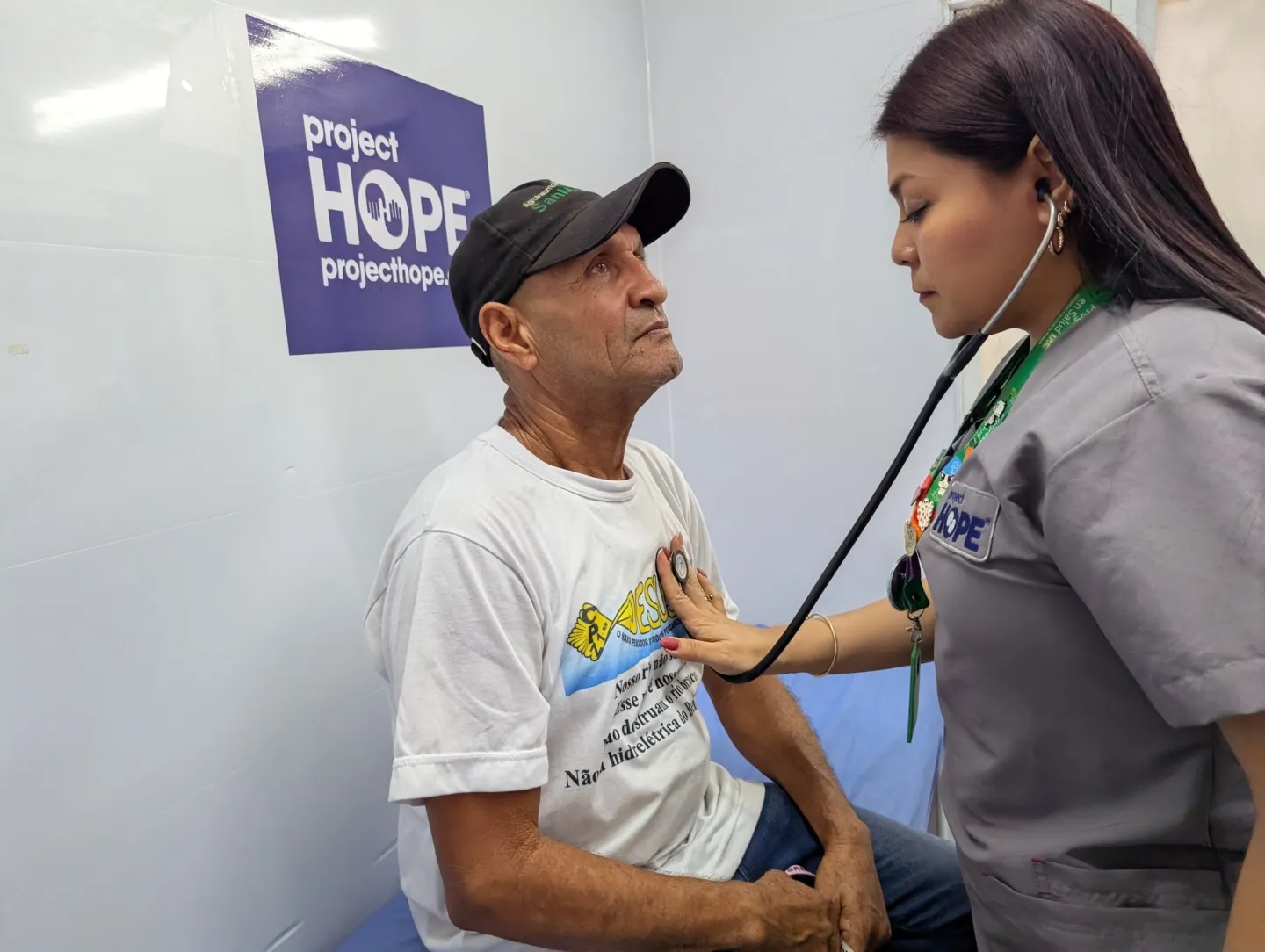
The Las Margaritas Health Center in La Parada is a critical border point between Colombia and Venezuela that serves as a vital beacon for those impacted by the collapse of Venezuela’s health system. Here, dedicated staff like Dr. Ángela Rojas provide essential care to migrants like Ruben*, a 59-year-old who walks across the Venezuela border to receive care. Dr. Ángela treats everyone from pregnant women to seniors, often managing chronic conditions like diabetes and hypertension that are often neglected on the other side of the border.
“My father is a doctor and he helps me a lot,” she says. “He taught me that you always have to be attentive to your patients. I schedule appointments with them afterward to see how their progress is going. That’s what motivates me.”
The reasons for migrating vary. Yajaira*, a 31-year-old Venezuelan migrant, has been living in Colombia for almost seven years with her two daughters, Dyana*, 10, and Adriana*, 3. She is not regularized in the Colombian health system and has received hygiene kits from Project HOPE that helped her and her family meet their basic needs. She migrated because daily life in Venezuela had become impossible, describing difficulties like electricity shortages, gas outages lasting two to three months, and rising food prices.
Another family — Camilo*, Andrea*, and their young daughter, Dani* — migrated due to the difficult economic situation. Camilo is originally from Cuba and was a doctor in Venezuela with a diploma in intensive care. After nearly a decade facing Venezuela’s worsening economic conditions, they migrated to Colombia in 2024. He described a nerve-wracking experience when crossing the border: “I’ve been treating people with tachycardia [fast heart rate] for years,” he says. “Now I was the one with the tachycardia.”
Camilo has faced significant challenges in Colombia because he cannot practice medicine as his medical degree is not yet validated there. He currently takes on informal jobs such as selling coffee, baking cakes, or house-sitting, which he finds frustrating because he loved his profession, but loves his family even more and must provide for them.
“If I have to sacrifice something, I sacrifice my profession,” he says. “Not my family. … My family is what inspires me. Many of my colleagues live only for their profession, but I would sacrifice my career before I sacrifice my family.”
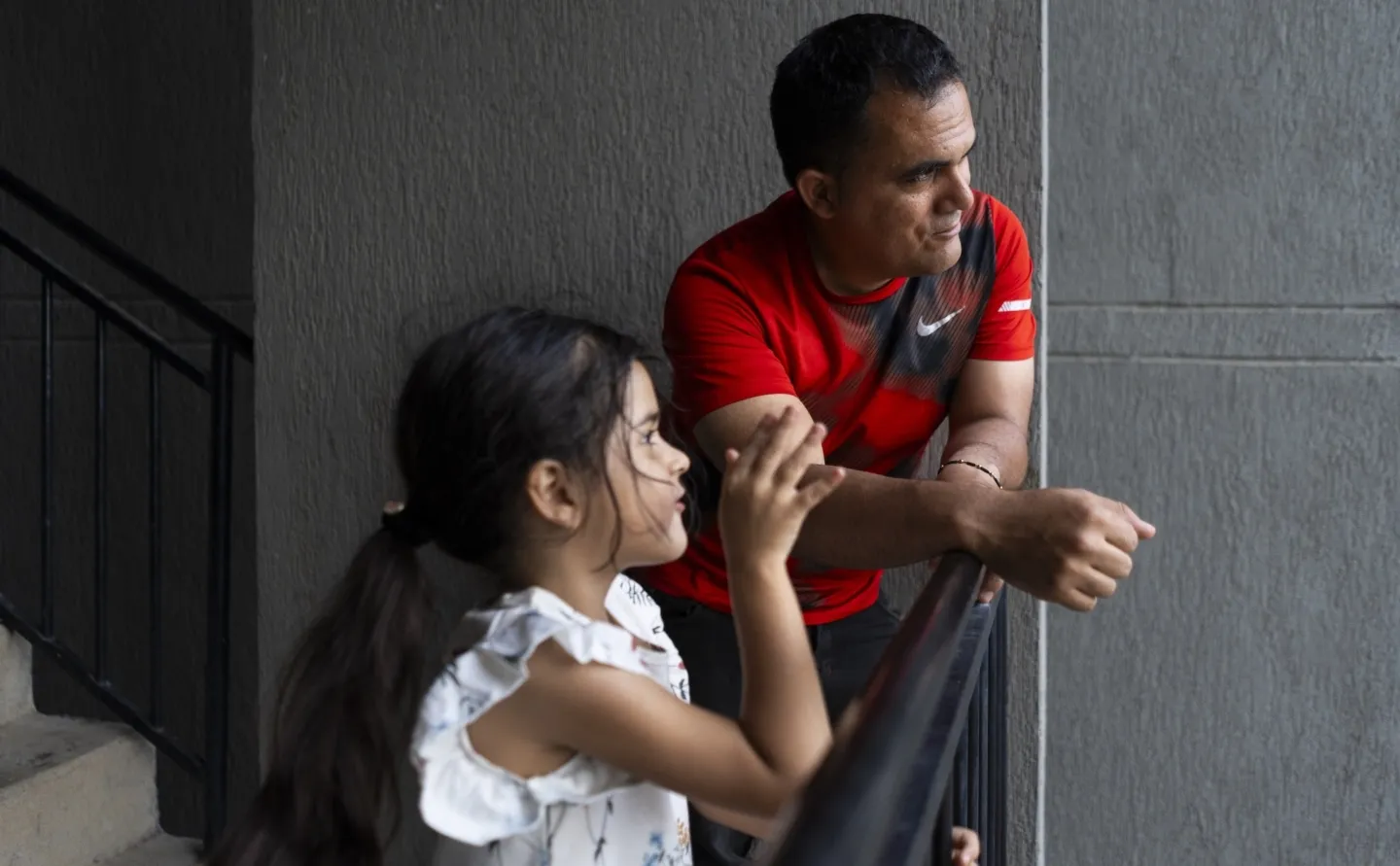
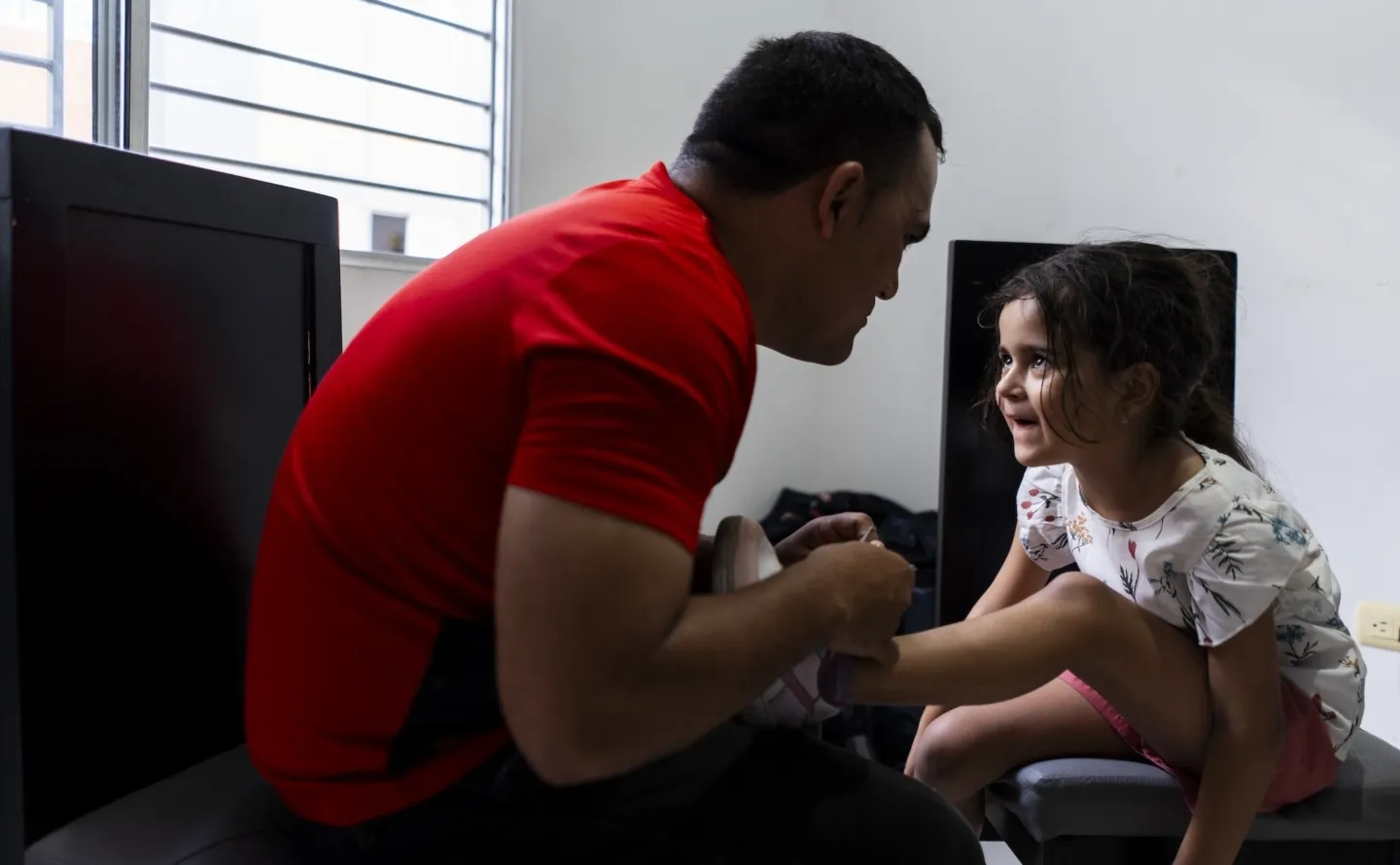
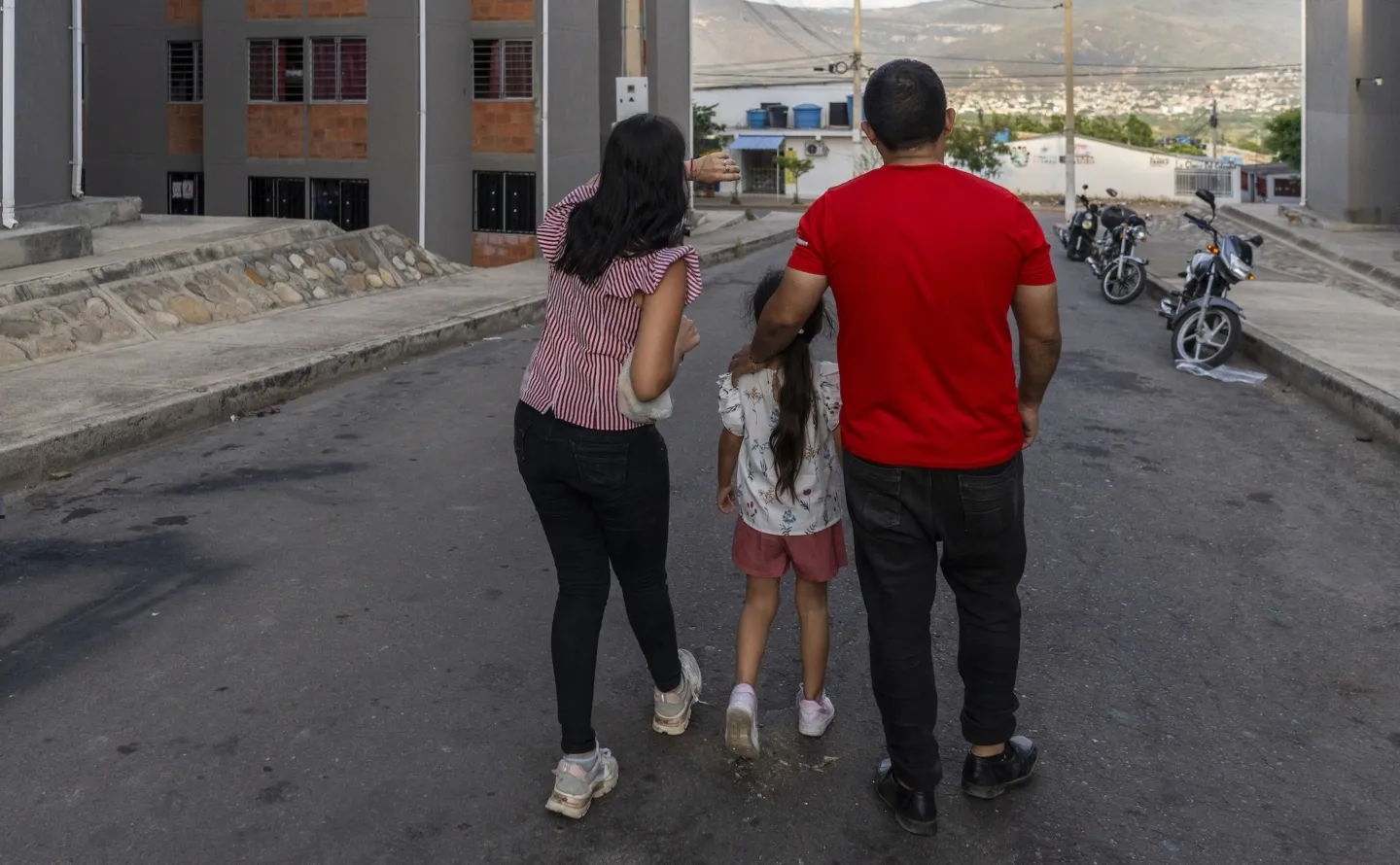
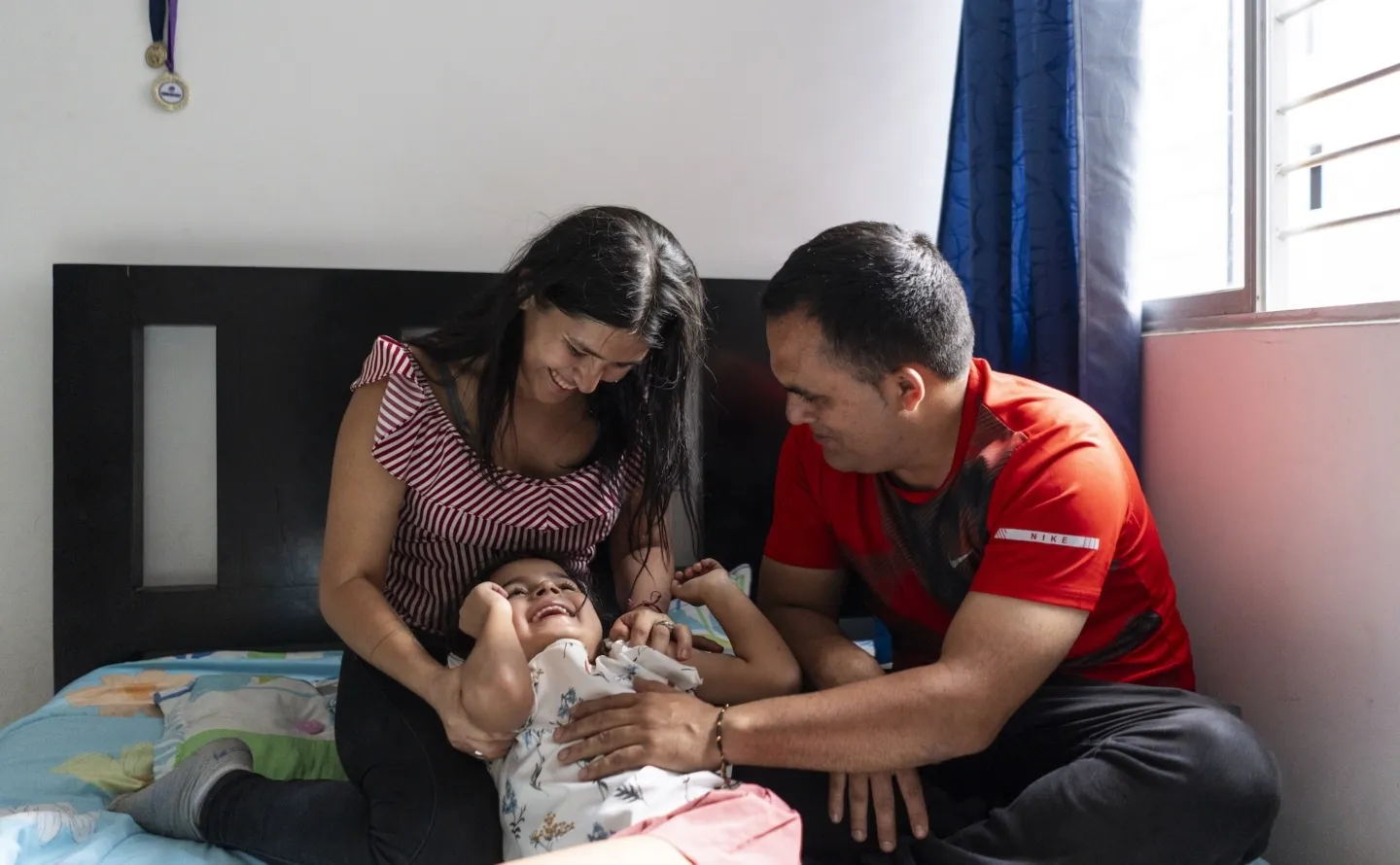
Camilo was a doctor in Venezuela before migrating. Now he pieces together jobs while waiting for his medical degree to become validated.
Camilo and his family are among the millions of Venezuelans who have migrated to Colombia due to the humanitarian crisis in Venezuela.
Project HOPE is working near the border to provide essential medical care to families like Camilo’s who have been forced to go without it.
“If I have to sacrifice something, I sacrifice my profession,” Camilo says. “Not my family… My family is what inspires me.”
Catatumbo: Delivering Care Amid Conflict
Further north, in the Catatumbo region, the challenges look different. There, Project HOPE works with local partners to provide health services for people who have struggled to access care due to the ongoing armed conflict.
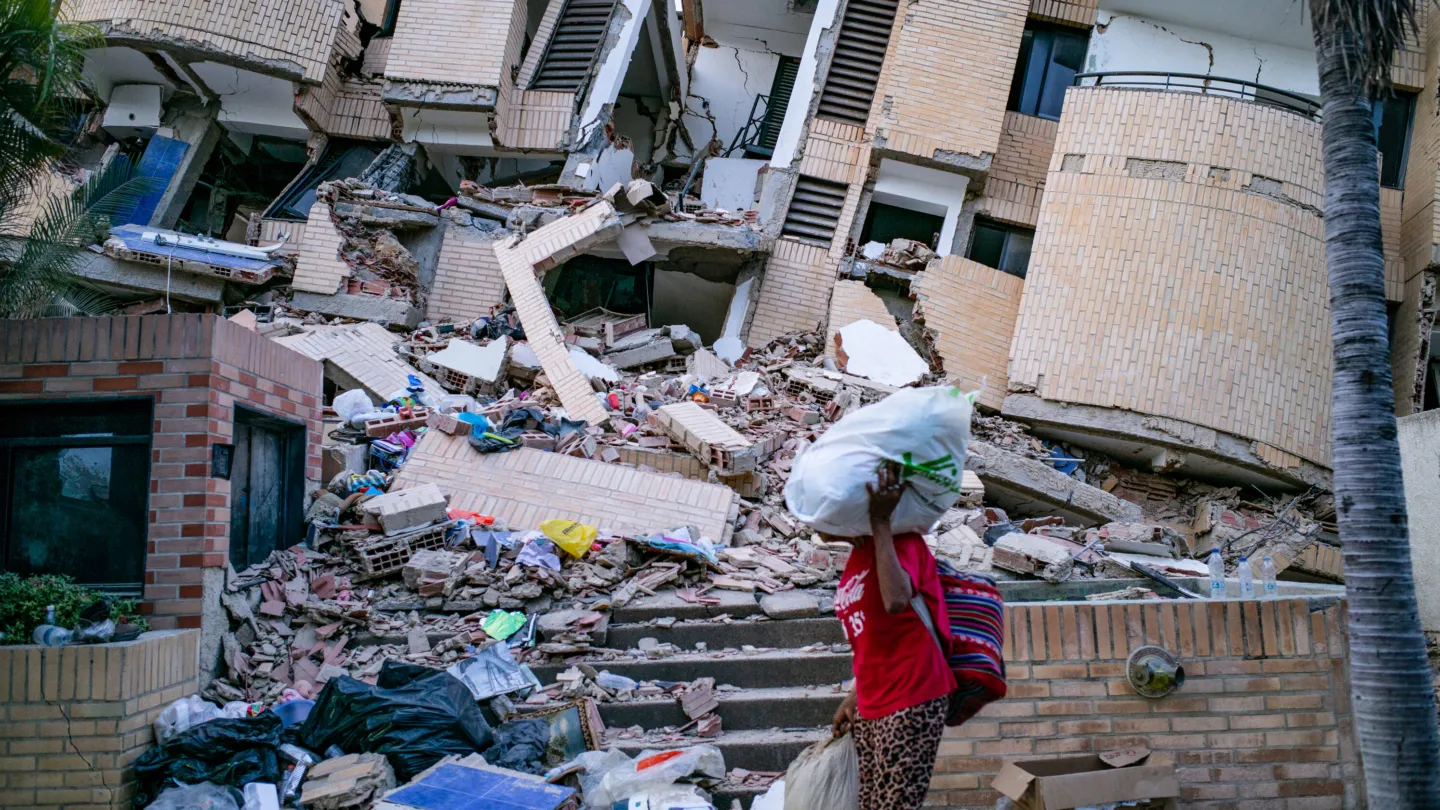
In early 2025, intensifying clashes between rival armed groups have turned municipalities like Tibú, Convención, and El Tarra into warzones. More than 93,000 people in the region have been impacted, which has left people displaced or confined in their homes. The escalating violence has overwhelmed the local health system, forcing facilities to contend with critical shortages of medical supplies while health workers have limited access to reach displaced communities.
“In El Tarra, many patients travel several hours from remote and conflict-affected areas to reach our clinic,” says Katuiska Charles, general practitioner and coordinator for the health clinic IPS El Tarra. “Project HOPE’s support has been transformative, and patients express deep gratitude. And for many pregnant women, it’s the first time they receive an ultrasound from a specialist.”
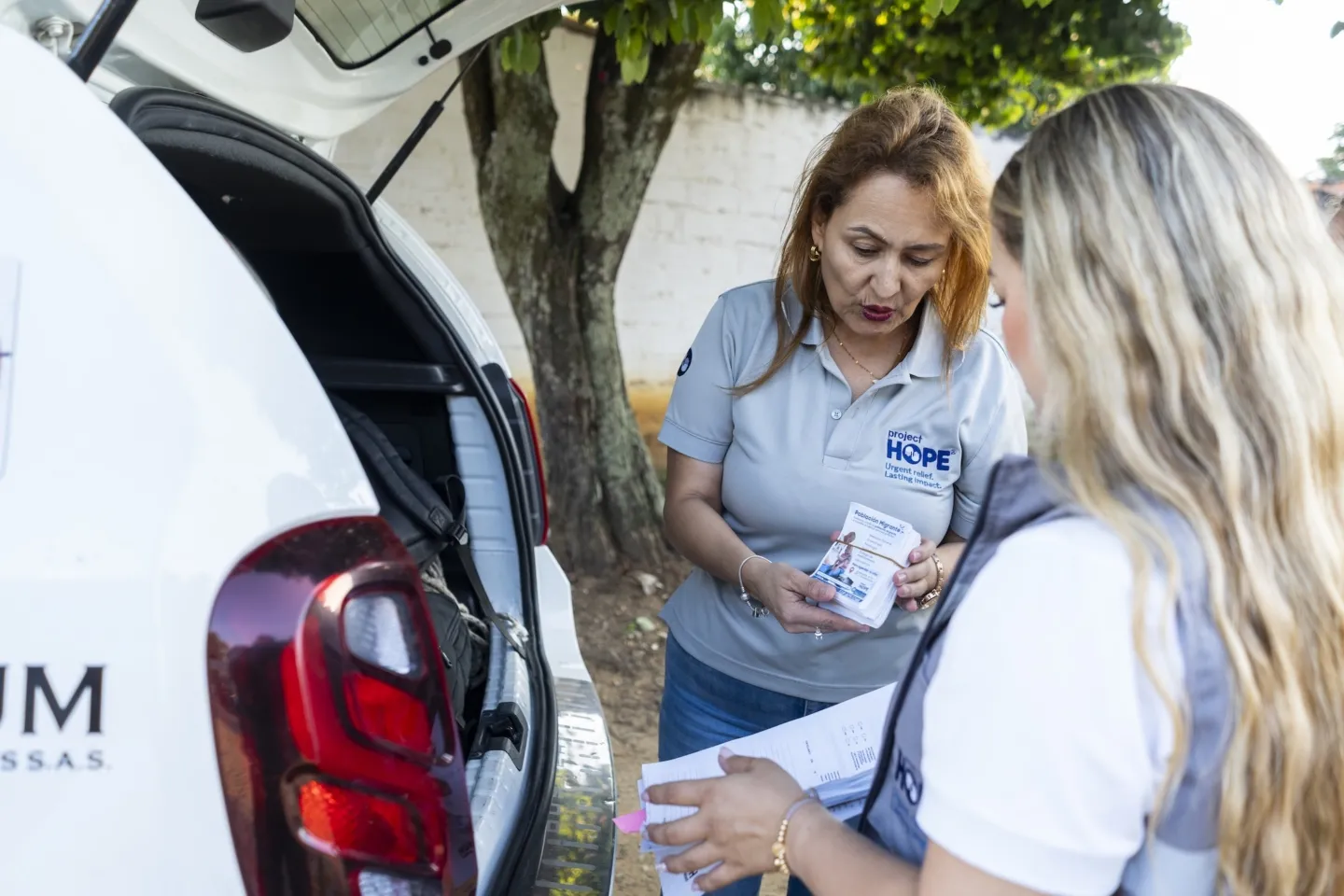
“We hire local staff, such as doctors, gynecologists, psychologists, and nurses to make sure that people get access to all integrated health services,” says Monica Hoyos, Project HOPE’s Program Director in Colombia. “The community has received these services well, and we are a trusted name in the region due to the local relationships we have built.”
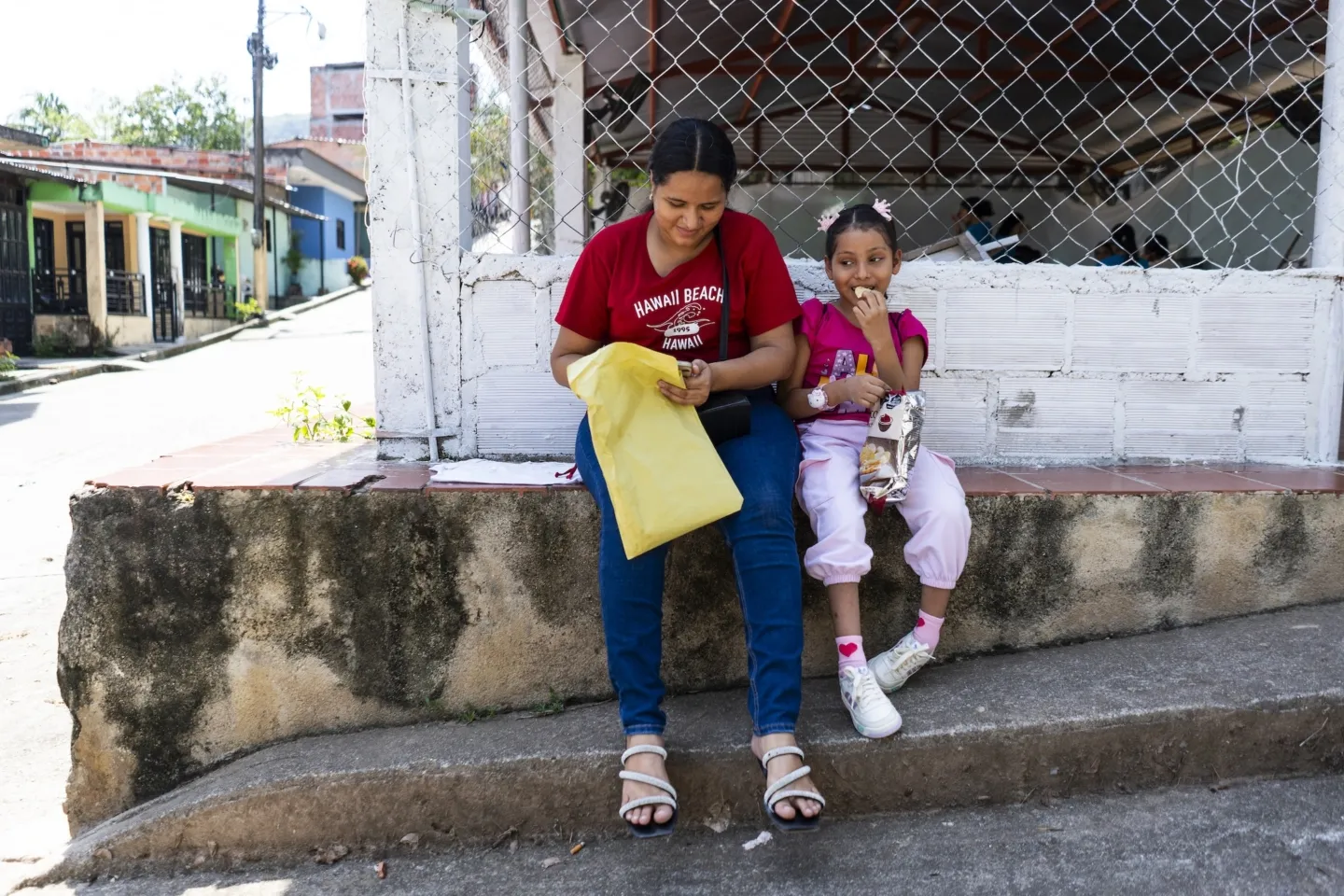
Karina* migrated to Catatumbo from Venezuela in 2021 with her daughter, Camila*. In her native country, she could not get specialized services for Camila, who has a disability. She made the move to Colombia primarily with her in mind. “I came because I didn’t have a way to take care of my daughter [in Venezuela],” she says.
“It was difficult because I had to leave my country, leave my family, everything there, then start over in a new country.”
Project HOPE’s services have given both of them access to ultrasounds, gynecology consultations, and medications. “The support they’re providing is great,” she says.
Dr. Luz Vanegas, a general practitioner working for Project HOPE in Catatumbo, says the health services in the region are a lifeline for people that would not be able to access care without them. “The goal is to provide attention to the migration population, the uninsured population, and thus be able to give them the opportunity to have access to their health services,” she says.
“Their reaction is very satisfactory… they show that gratitude for being able to be valued, because they are immediately given the medications. They leave with full treatment for their needs.”
As Karina and her daughter leave their appointment, gratitude means being thankful for a care team she can rely on — and for today, a clean bill of health for Camila.
*Names have been changed.