The Tiny Machine That Helps a Baby Breathe
In Ghana, bubble CPAP machines are giving health workers the confidence to save babies’ lives and reduce neonatal mortality nationwide.
The room is quiet except for the quick, uneven breaths of a premature baby. He is not quiet because he is resting. He is quiet because he is fighting.
Every rise of his tiny chest looks like an uphill climb. His mother holds her breath with him, afraid that the next small struggle might be the one he cannot overcome.
In Ghana, countless newborns breathe this way: alive, but fighting for every breath, and health workers fight desperately to support those fragile, struggling lungs.
At Greater Accra Regional Hospital in Ghana, a nurse quickly reaches for a simple device: a Vayu bubble CPAP. She gently places soft tubes under the baby’s nose, adjusts the bubbling water bottle beside the bed, and watches closely.
At first, nothing changes. Then, a fuller rise of the chest. A steadier rhythm. A tiny cry. The mother exhales. This time, her tears come from relief.
“When my baby was struggling to breathe, I was so afraid. I thought I was losing him,” she said. “But when they put him on this machine, his breathing became stronger. I will never forget that moment.”
A National Challenge
Across Ghana, about one in every seven babies — roughly 14% — are born too early. Many of these tiny babies are also underweight, making it even harder for them to breathe on their own. Prematurity and breathing complications claim nearly 8,000 newborn lives each year, turning the joy of childbirth into heartbreak for thousands of families.
Prematurity and breathing complications claim nearly 8,000 newborn lives in Ghana each year.
For years, many hospitals lacked the respiratory equipment needed to help these newborns survive. Traditional CPAP machines are expensive, require electricity, and are difficult to maintain in low-resource settings.
To close this critical gap, Project HOPE, through the U.S. Government-funded Integrated Health Partnership Activity, and in collaboration with the Ghana Health Service and Christian Health Association of Ghana (CHAG), led the procurement and distribution of more than 800 Vayu Bubble CPAPs and oxygen blenders and over 1,800 pulse oximeters to 300 facilities across the country.
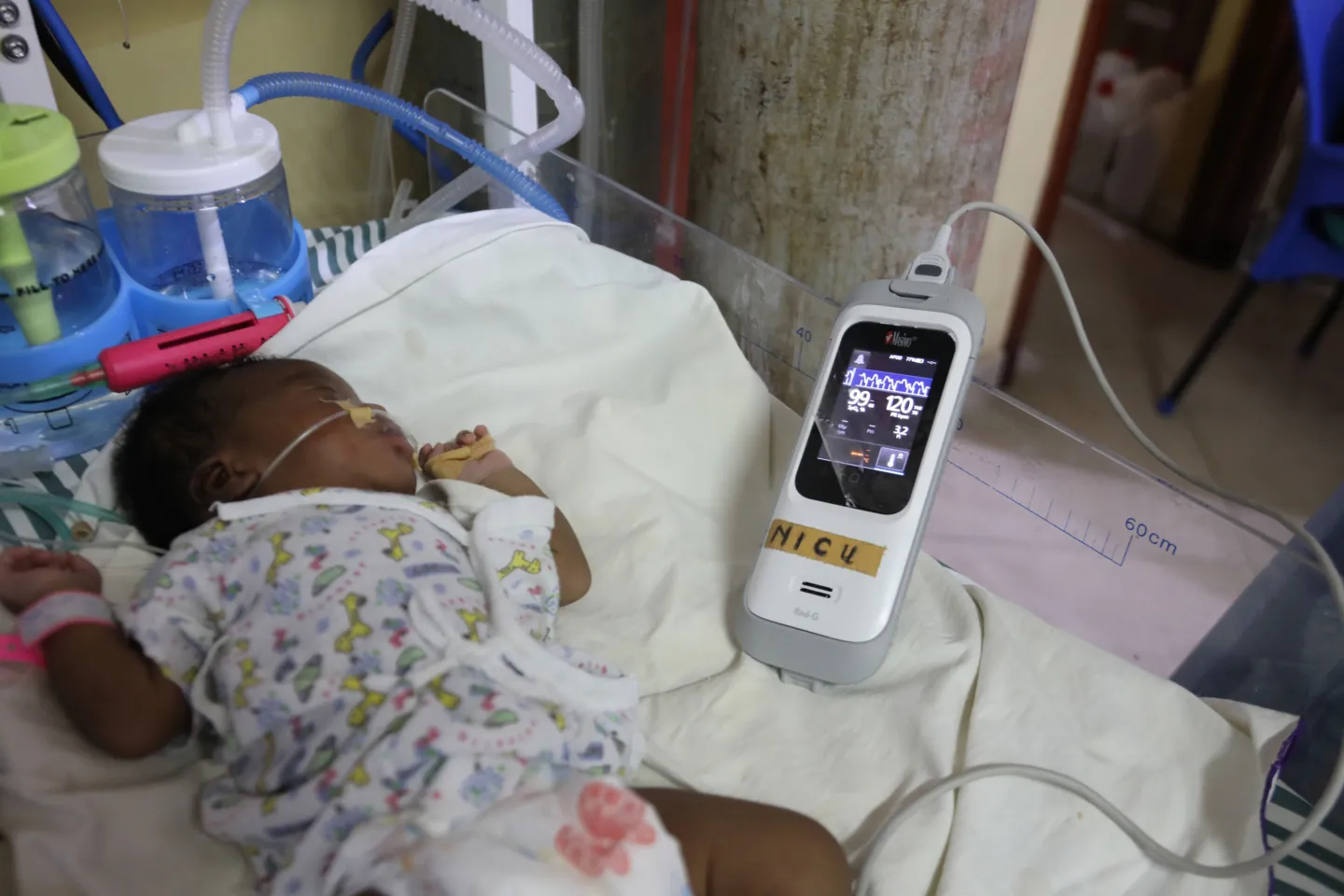
These small, portable, electricity-free devices are built for even the most resource-limited settings — helping preterm and sick newborns who are struggling to breathe receive the stable respiratory support they need to survive and recover.
For many health workers, this technology is more than equipment. It is hope made tangible. “Before this device, when a tiny baby struggled to breathe, we felt helpless,” said Dr. Matilda Dono, Senior Pediatric Specialist at Ga West Municipal Hospital. “Now we can act immediately.”
Training the Hands That Save Lives
But technology alone cannot save a baby. It takes skill, speed, and confidence. Recognizing this, Project HOPE and the Vayu team designed a hands-on training program to ensure every device placed in a facility could be used safely and effectively.
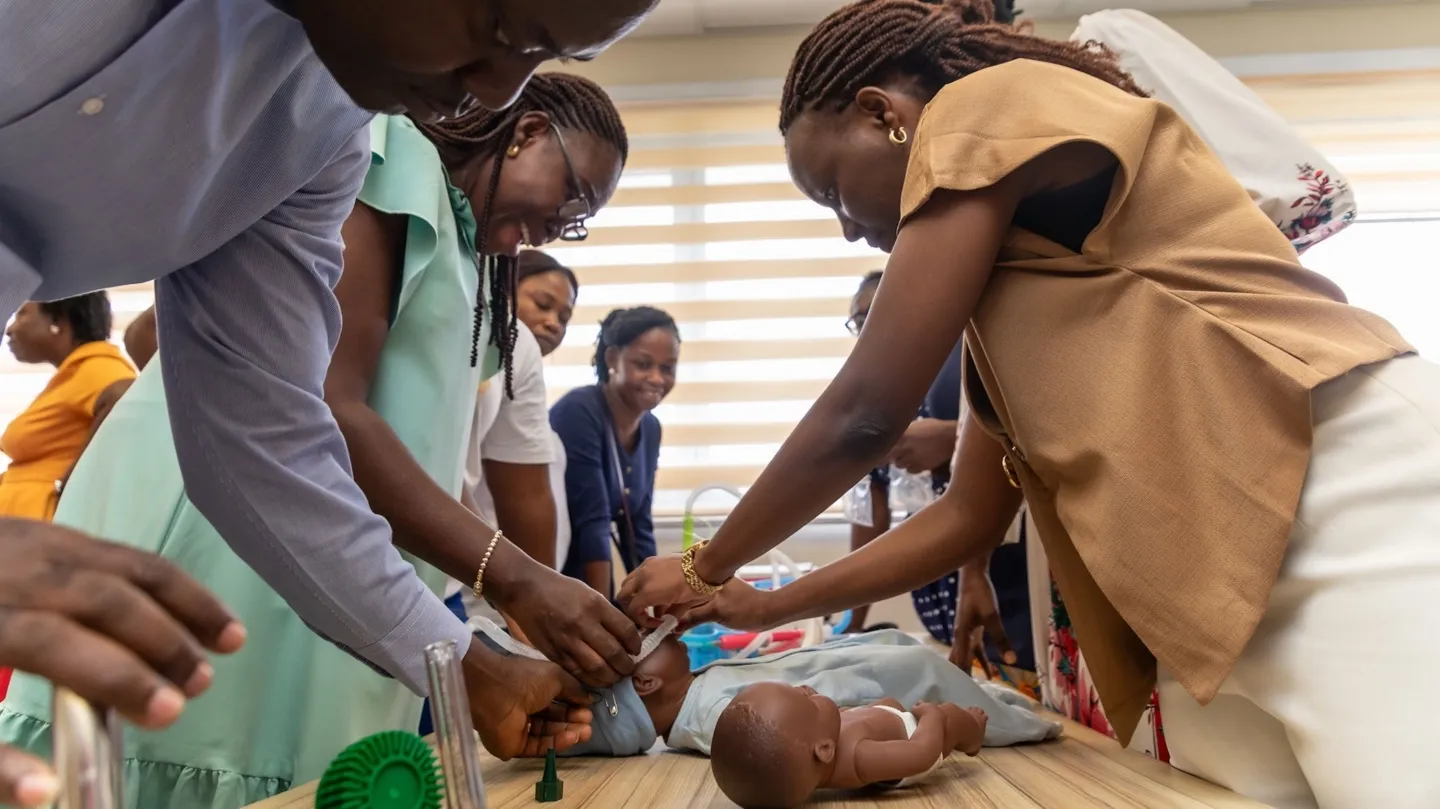
Fifty-two master trainers — midwives, neonatal nurses, and doctors — were selected from across the country for intensive practical training, including simulations. These trainers are now cascading the training across facilities, with the program expected to reach over 6,000 health workers nationwide.
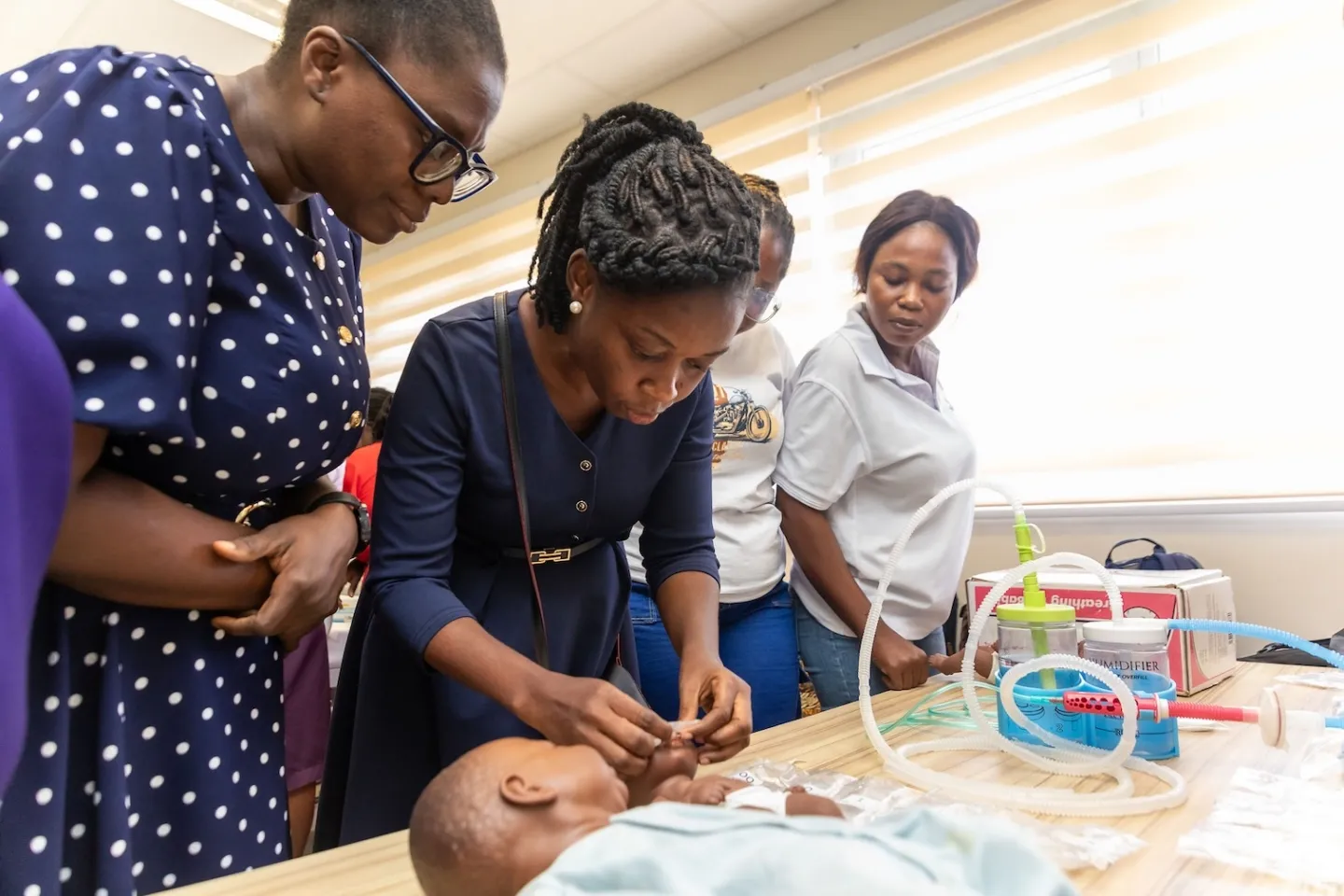
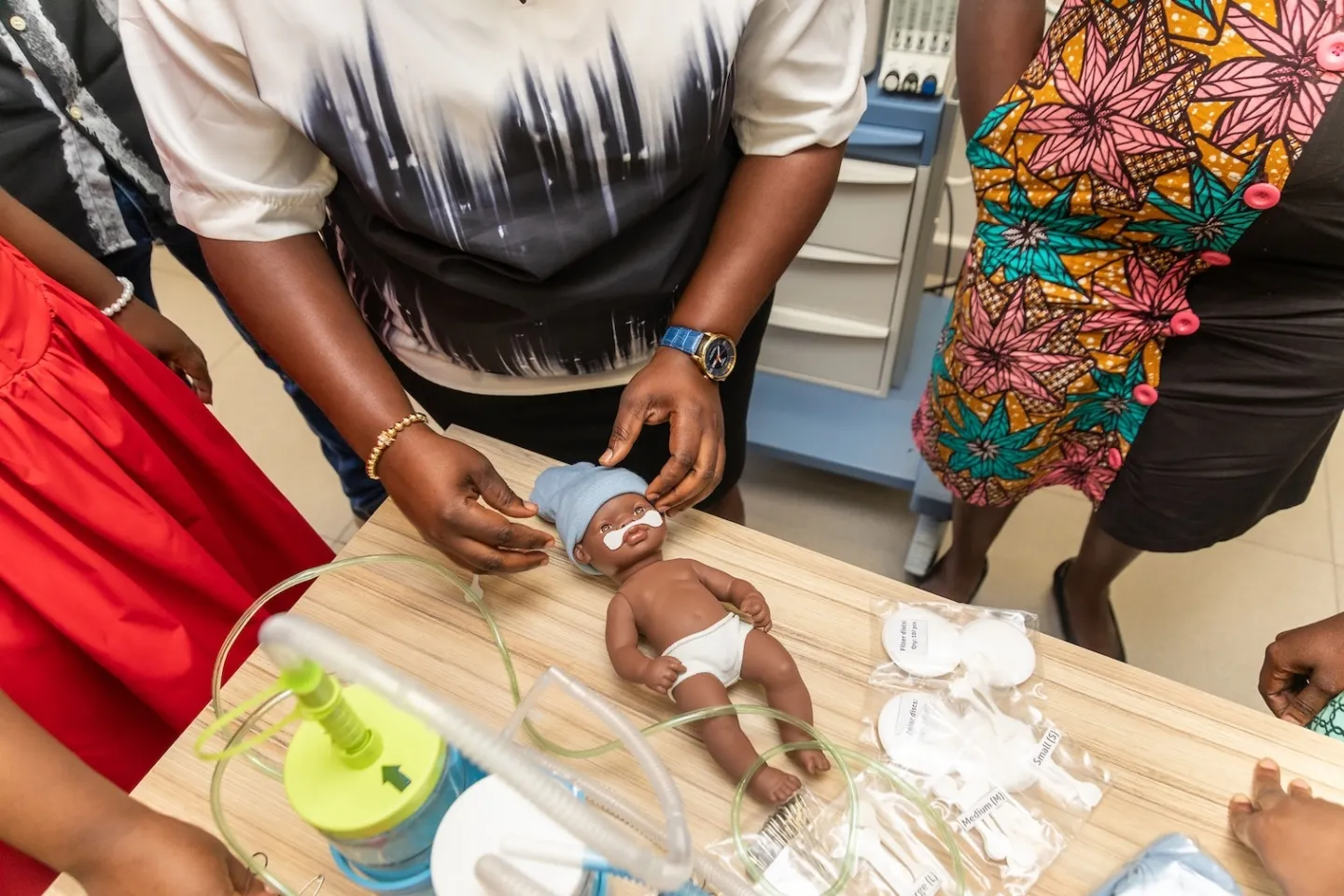
The change is already visible.
“It was exciting and empowering to learn how to use the Vayu bCPAP,” said Richard Addah, a health worker at Upper East Regional Hospital. “The device is simple and user-friendly. During the training, I realized I could break down the science into simple terms. Now, most staff can confidently assemble the device, initiate CPAP, and monitor babies quickly, improving emergency response significantly.”
“Before Vayu, saving a baby struggling to breathe was frustrating,” added Dr. Maame Fremah Kotoh-Mortty, from Presby Hospital Agogo. “Now I know my babies will survive with fewer complications and shorter hospital stays. This gives me hope.”
Three Babies Saved in Two Weeks
Barely two weeks after completing the training, Jameela Aba Ibrahim, a senior midwife at the Mother and Child Hospital in Kasoa, was already winning the fight for newborn lives. In just days, Jameela and her colleagues had already used the Vayu device to pull three babies back from the brink.
For Jameela, every breath a newborn takes is more than a clinical measure. It is a memory, a weight, a promise she carries with her. She knows the ache of losing a baby and how the silence of that loss stays with you long after the ward grows quiet.
“When a baby dies because there was no device or no help, it breaks me,” she says softly. “I can only be at peace when I know I have done everything possible, when I know I didn’t fail the baby.”
Kasoa Mother and Child Hospital is one of the busiest hospitals in the region, performing about 500 deliveries each month. About 60 of these babies arrive too small, too early, or struggling desperately for air. Neonatal mortality has long hung over the facility, a shadow the team is determined to push back.
For the midwives, nurses, and doctors, having a simple, reliable, device they can trust feels like a turning point — a shift toward a future where far fewer babies slip through their fingers. A future where breathing becomes something they no longer have to fight for, but something every child is finally given the chance to do.
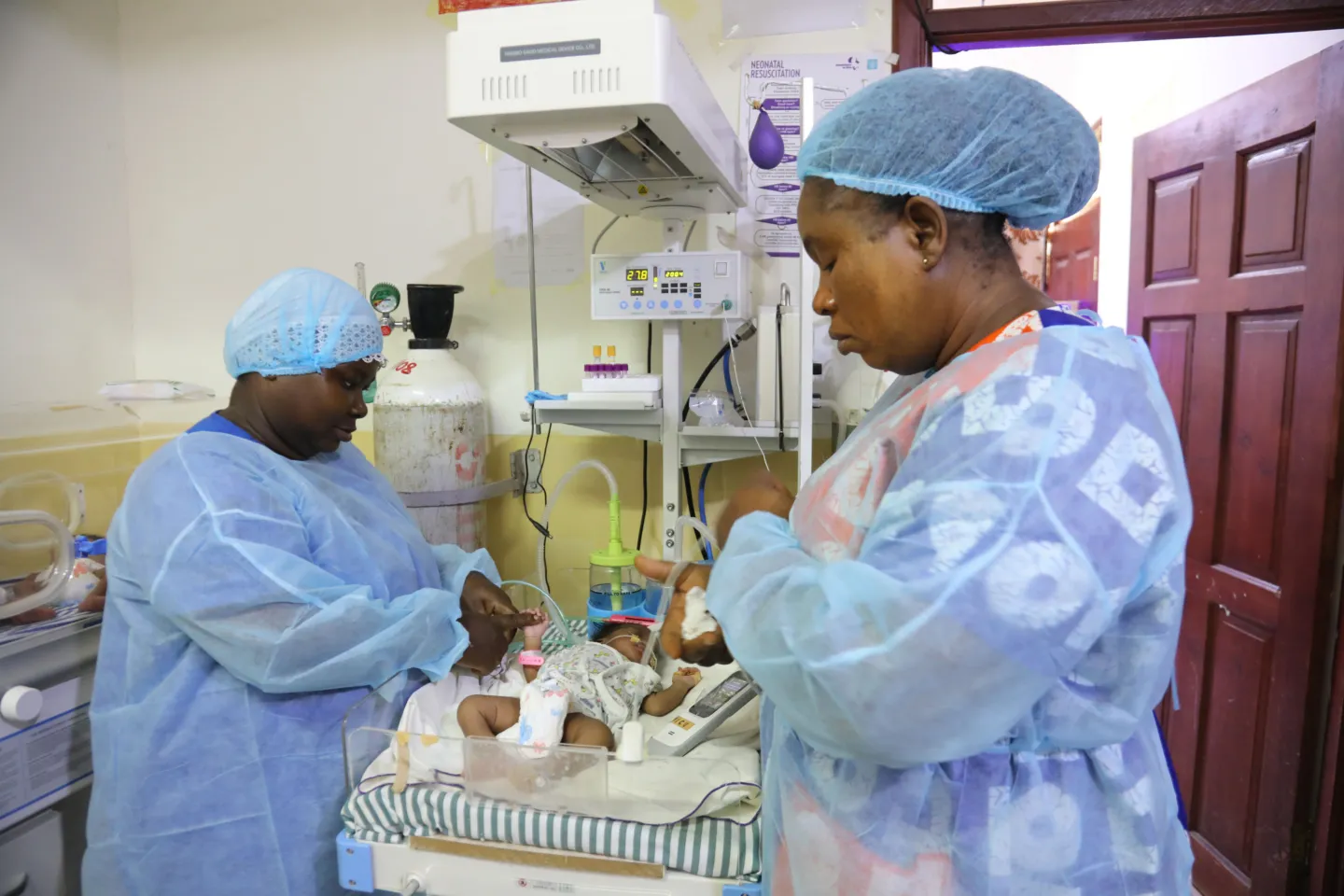
As more health workers gain confidence, the ripple effect is visible.
“Previously, we improvised with plastic bottles. We also couldn’t regulate oxygen flow using the wall oxygen cylinder,” said Dr. Matilda Dono, Head of the Pediatric Unit at Ga West Municipal Hospital. “Now, with Vayu devices and oxygen blenders, we provide clean, regulated oxygen and save more lives.”
With years of experience caring for Ghana’s most fragile newborns, Dr. Charlyne Kilba sees what this means for the country.
“Having access to this simple but effective device means we can provide better respiratory support for babies, and in a much safer way,” she says. “The device is easy to use and requires minimal biomedical engineering support, something that has always been a major challenge.
“This is the way forward. With access to these devices, I am very optimistic that we’ll make real progress as a country in reducing child mortality and complications caused by respiratory issues.”
From busy hospitals in Accra to remote rural health facilities, the gentle bubbling of a Vayu device now signals something profound: compassion in motion, partnerships that are real, and a health system becoming stronger from the ground up.
Every time a health worker assembles a tiny machine, wraps a newborn in warmth, and helps a fragile chest rise again, Ghana moves a step closer to a future where no baby is lost for lack of a simple device, a trained hand, or a chance to breathe.