On the Ground: Navigating the Silent Aftershocks of Venezuela’s Earthquakes
When an earthquake strikes, the immediate images broadcast across the world are visceral: collapsed walls, pulverized concrete, and frantic rescue teams racing against time to save people. But weeks and months later, a quieter, far more complex crisis takes place, as the enduring physical, health, and psychological aftershocks linger for communities forced to rebuild their lives.
I landed in Valencia, Venezuela, nearly two months after the devastating earthquakes struck the country in June. Driving two hours from Valencia to Caracas, I was immediately struck by Venezuela’s breathtaking landscape, lush green mountains and beautiful coastlines, accompanied by the warmth and resilience of its people.
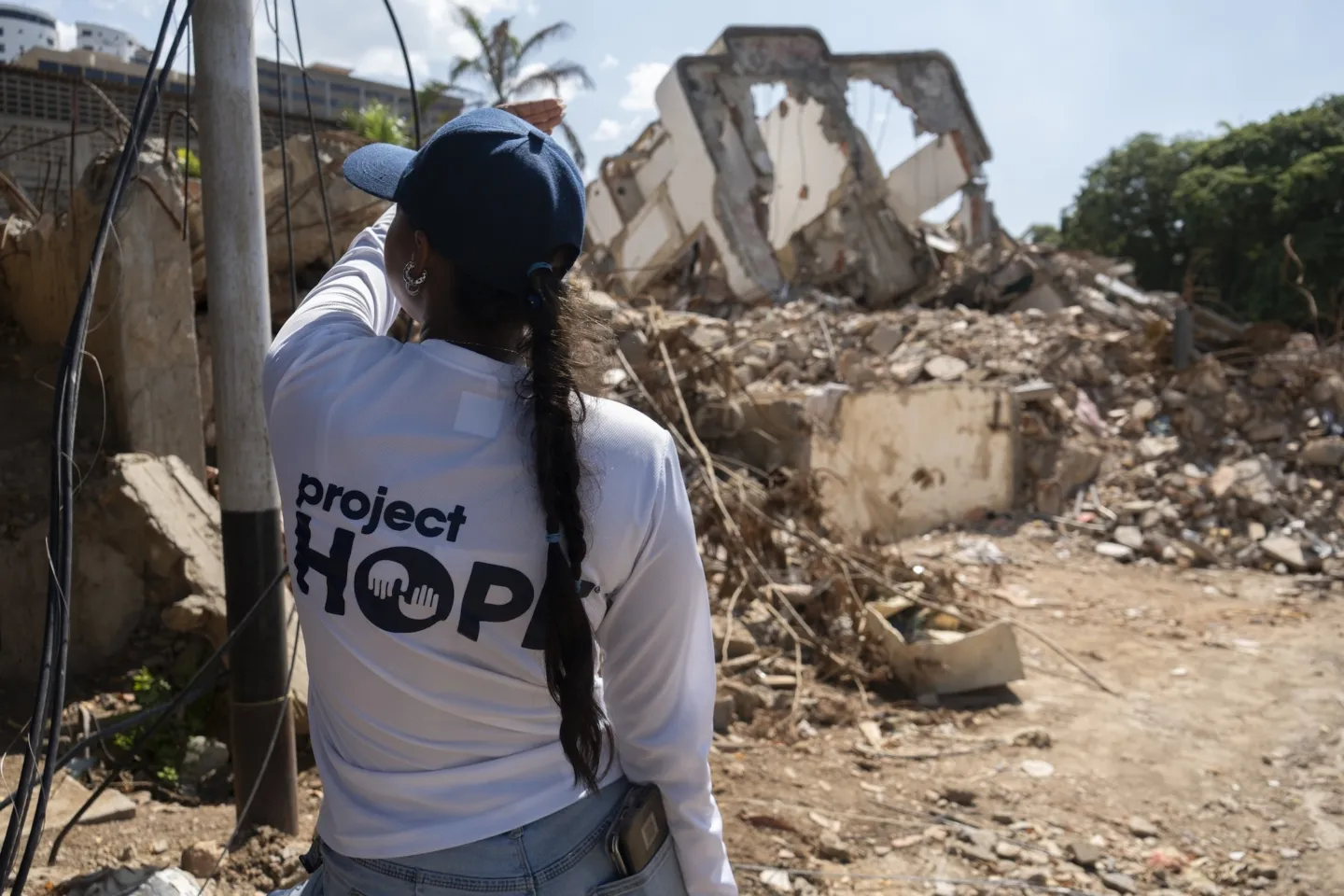
The damage from the earthquakes could be seen in Caracas, but it was very subtle. One could see cracks running through buildings, hotel walls fractured, and empty lots where buildings once stood. However, the true epicenter of destruction lay about thirty minutes north of Caracas, in La Guaira.
Early in the morning, our team loaded trucks and vans from Caracas with medical supplies, medication, water filters, and hygiene kits, departing for a mobile medical unit (MMU) in Barrio San Antonio in Naiguatá, La Guaira.
The drive there left everyone in our vehicle speechless.
La Guaira is traditionally a beloved coastal getaway where families travel to enjoy the beach. Arriving there brought a heartbreaking contrast. To the left lay the beautiful blue waters of the Caribbean, while directly to the right stood absolute devastation. Entire apartment complexes and buildings were reduced to piles of rubble. On walls and concrete where homes once stood, families had written their phone numbers alongside the names of loved ones still buried beneath the debris, waiting for closure that had not yet come.
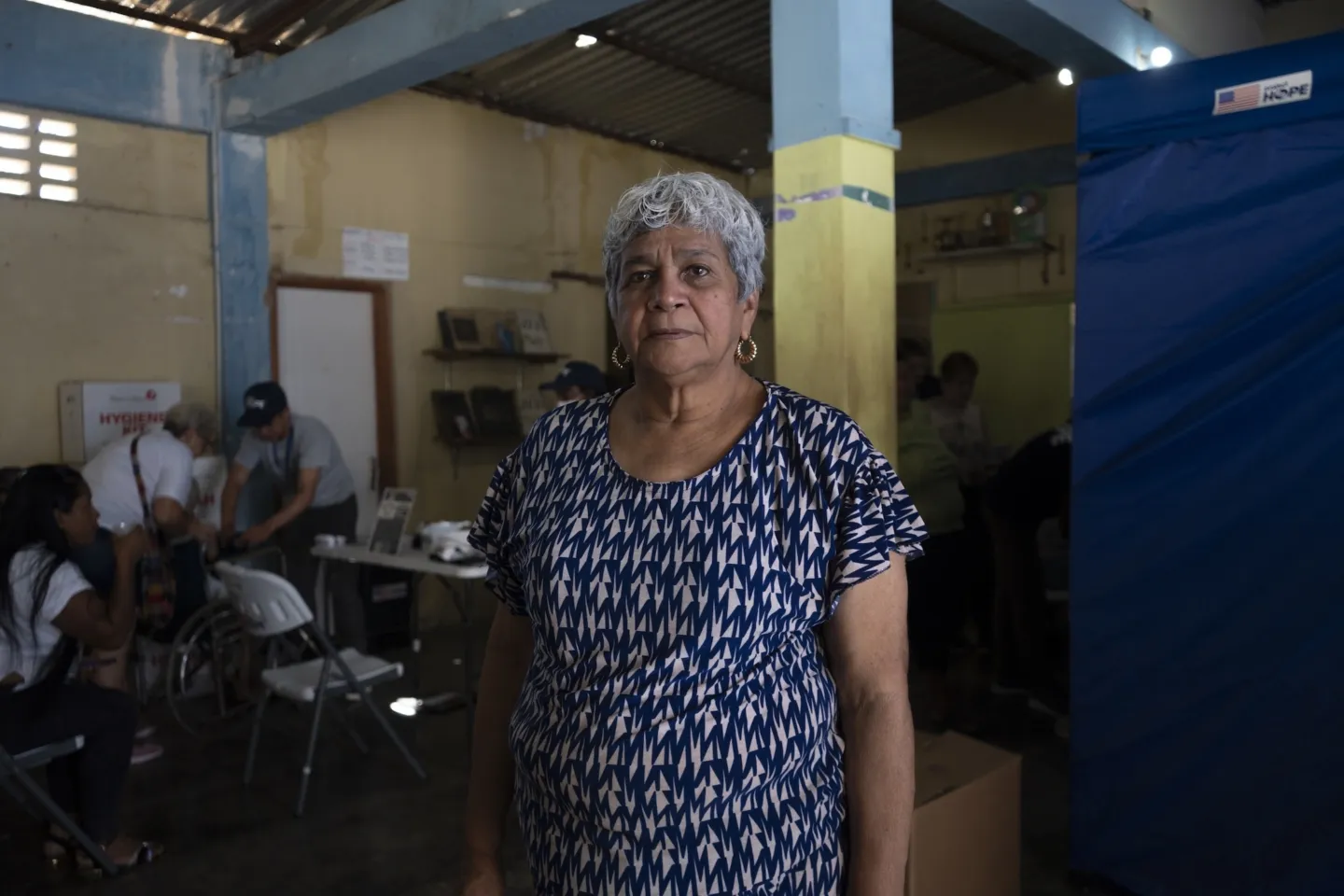
In Barrio San Antonio, our local team transformed a community space into a fully functioning MMU that provided primary health services, psychosocial support, medication, and ultrasounds. Hundreds of residents waited inside and outside eager to access essential consultations, diabetes treatments, medications, and specialized prenatal ultrasounds.
At this MMU, I met Josefa, a 70-year-old seamstress waiting to be seen by our doctors. She recalled the experience of the earthquakes, which happened to take place during the holiday “Fiesta de San Juan Bautista,” or Feast of Saint John the Baptist.
“The trucks parked across the street were shaking like a deck of cards,” Josefa told me, recounting how she held her 3-year-old grandson close while utility poles swung overhead. “I told my sister-in-law, ‘Take him so he won’t die. If it kills me, it doesn’t matter because I’m already old, but not the boy.’” Josefa survived a past stroke and lives with severe leg pain and limited mobility. Her essential monthly medications cost roughly $40, an impossible expense in a neighborhood where tourism jobs vanished overnight after the disaster.
“The trucks parked across the street were shaking like a deck of cards,” Josefa told me. “I told my sister-in-law, ‘Take him so he won’t die. If it kills me, it doesn’t matter because I’m already old, but not the boy.’”
“The hospitals here have nothing,” Josefa said. “Absolutely nothing. Everything comes from outside… If it weren’t for organizations coming in, there would be no access to anything.”
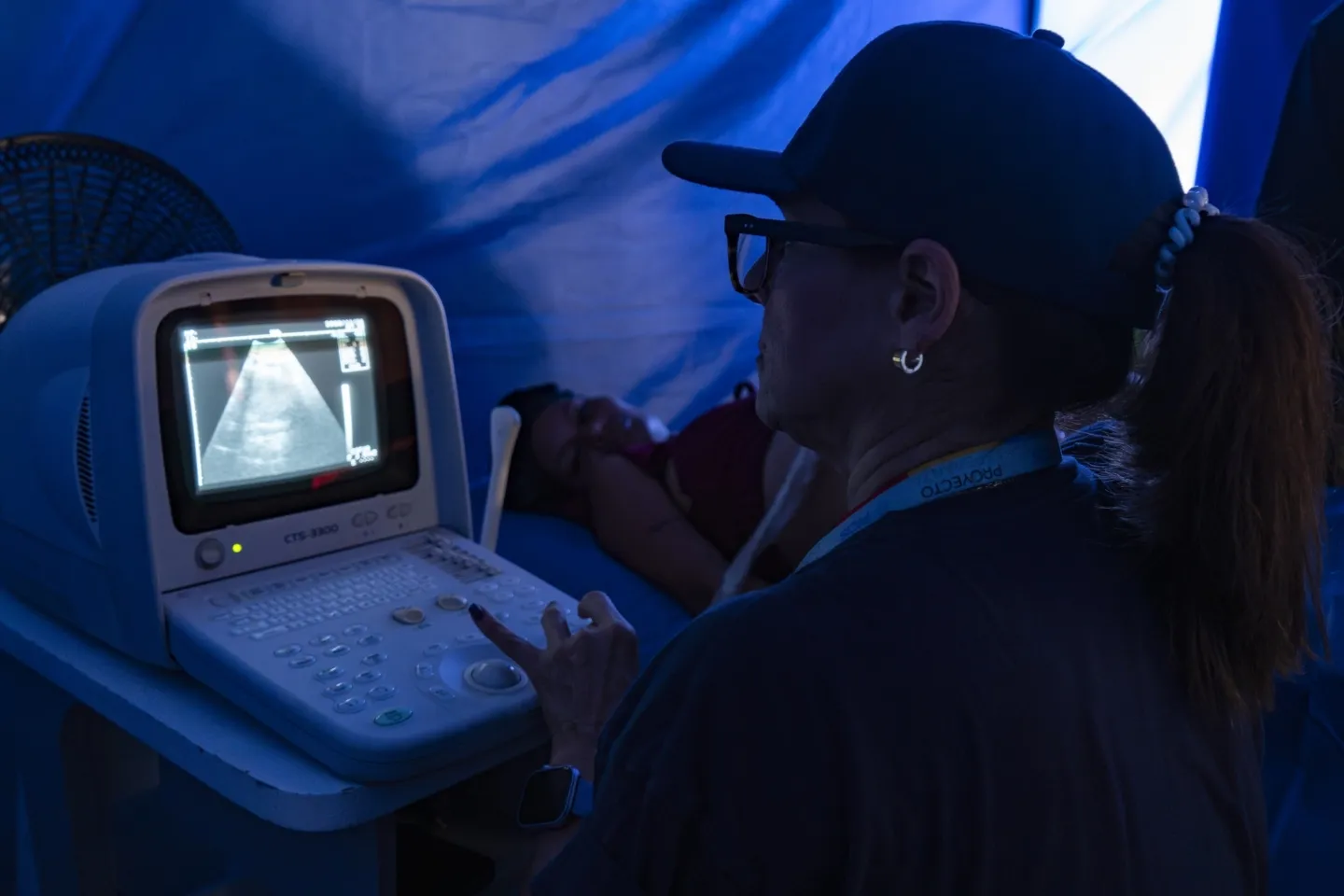
Inside the clinic, I met Arelis, a 25-year-old expectant mother who walked from a few streets over to receive an ultrasound. At 25 weeks pregnant, she had recently suffered a fall and was experiencing severe abdominal pain and light bleeding, leaving her anxious about her baby due in October. The ultrasound brought immense relief, showing her baby was healthy, active, and safe.
With the local tourism economy shattered by the earthquakes, paying out-of-pocket for specialized maternal care was out of the question for her family.
“Many people here work in tourism, selling things to beachgoers, and they were left without work,” Arelis said. “Who is going to come to the beach right now? My partner was left without work. How could I ask him for an ultrasound when it costs $30 to $50? That is why you are here helping us… God puts the right people in the right places.”
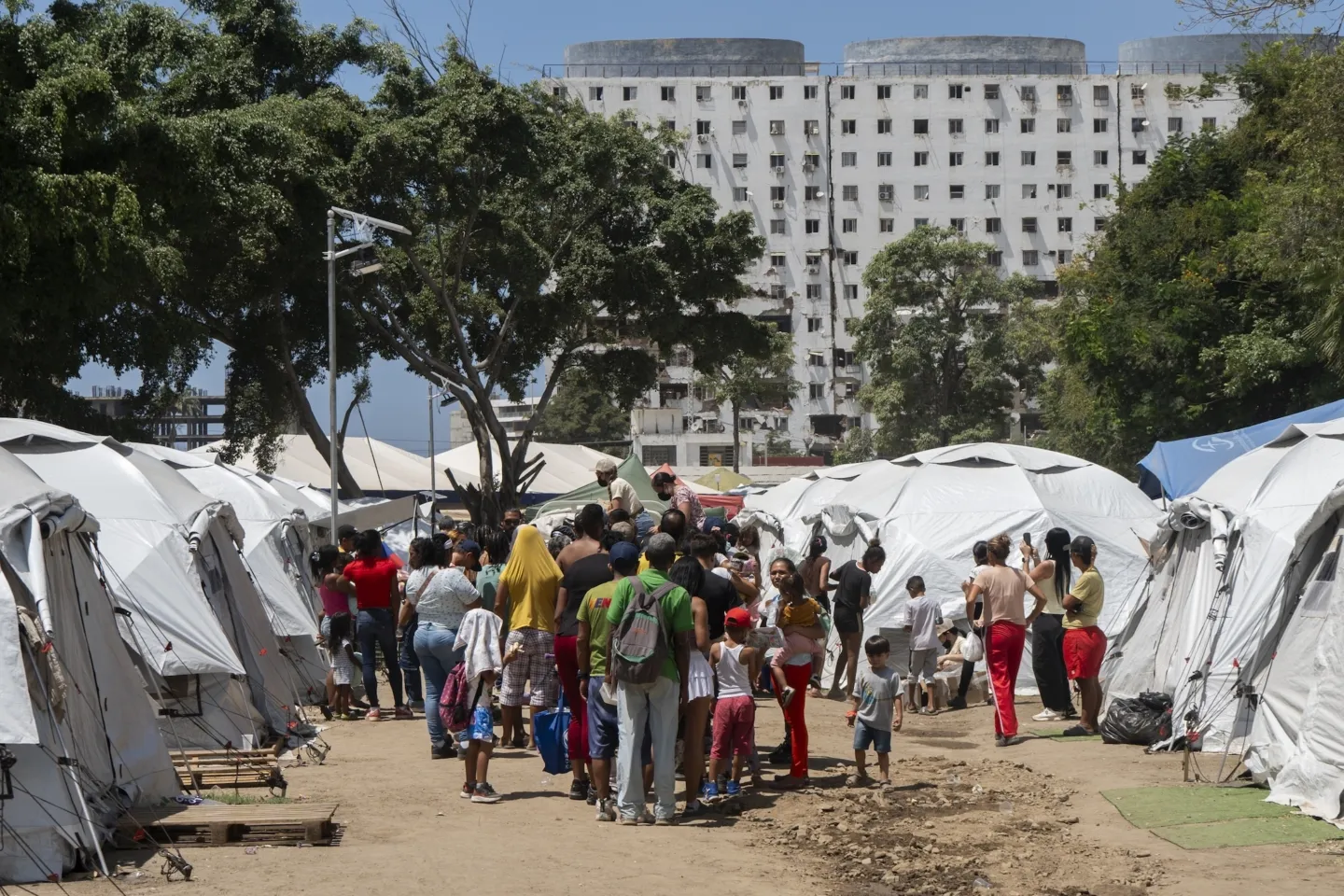
From Naiguatá, we traveled to Project HOPE’s fixed MMU stationed in Caraballeda, a golf course that has been transformed into a sprawling displacement camp where hundreds of families resided in tents within sight of their damaged or ruined apartment buildings.
At the clinic, I spoke with Eliana Sánchez, a Project HOPE nurse who triages urgent pediatric cases, dehydration, and chronic conditions.
“I really enjoy caring for the patients and talking with them most of all,” Eliana shared. “My hope is that all the patients who come here leave well cared for, satisfied, and comforted.”
Among the patients waiting in Caraballeda was Yuli, holding her 10-month-old daughter, Mia. Yuli described shielding her three young children under a bed while overhead water tanks shook violently during the tremor.
“It was traumatic because everything was rattling and making noise, and everything was horrible. We threw ourselves onto the bed and stayed there because we couldn’t run. We couldn’t do anything.”
“It has been quite difficult to access healthcare because specialized care nearby simply isn’t available right now,” she said. “Having this mobile clinic come directly to us makes all the difference.”
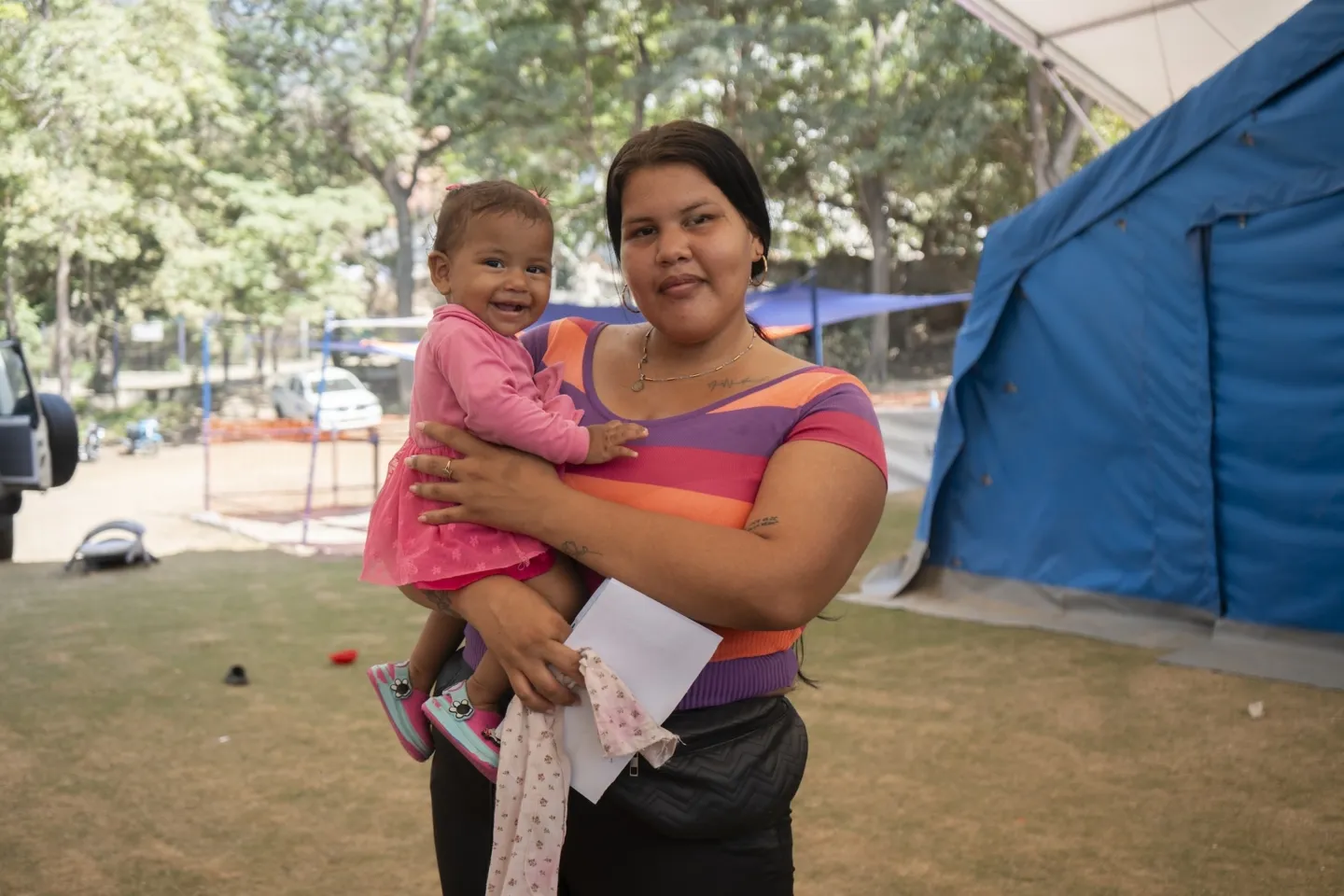
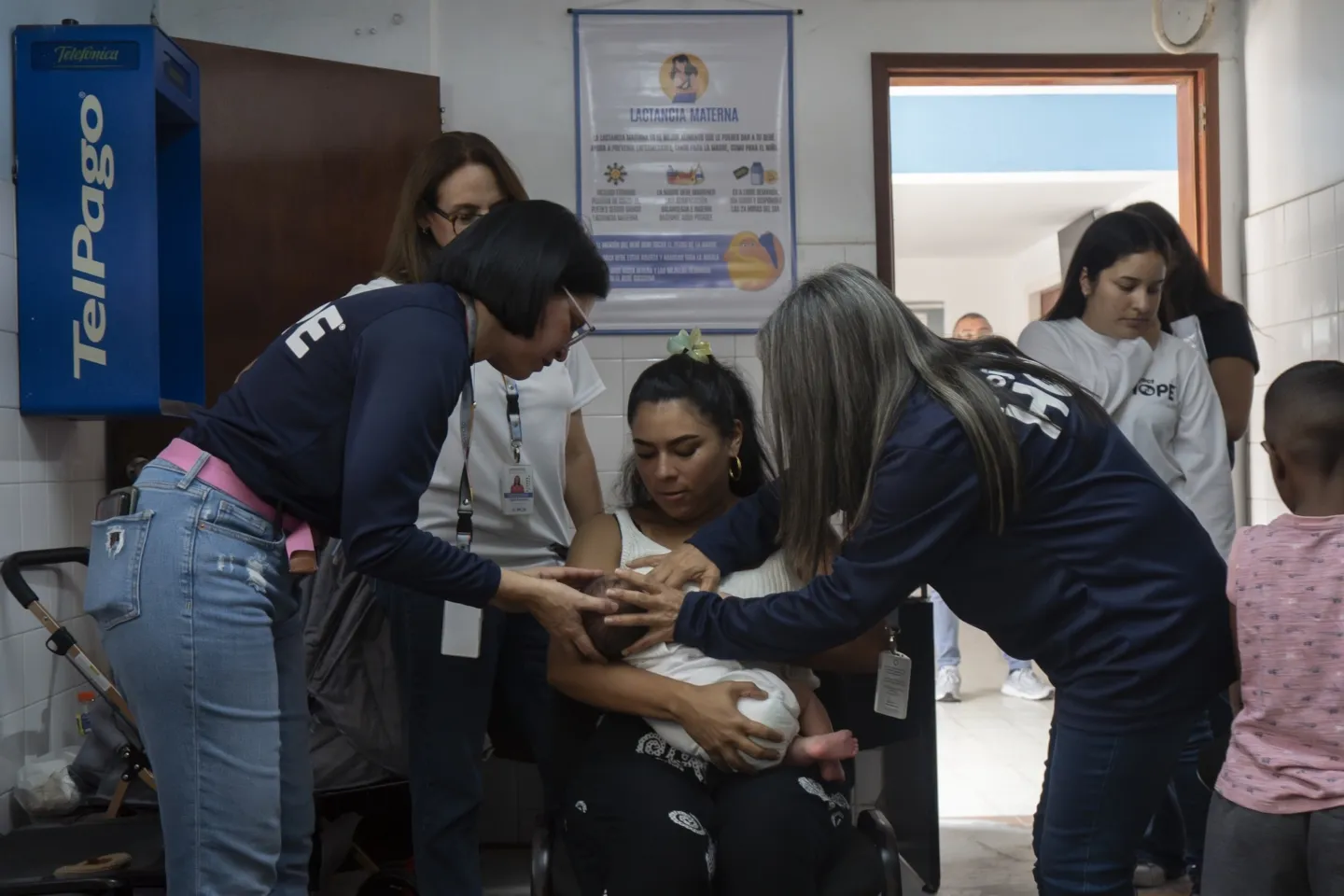
While MMUs addressed immediate frontline needs in the community, our team also partnered directly with health facilities like the Hospital de Emergencias de Naiguatá to host a dedicated maternal and infant health session.
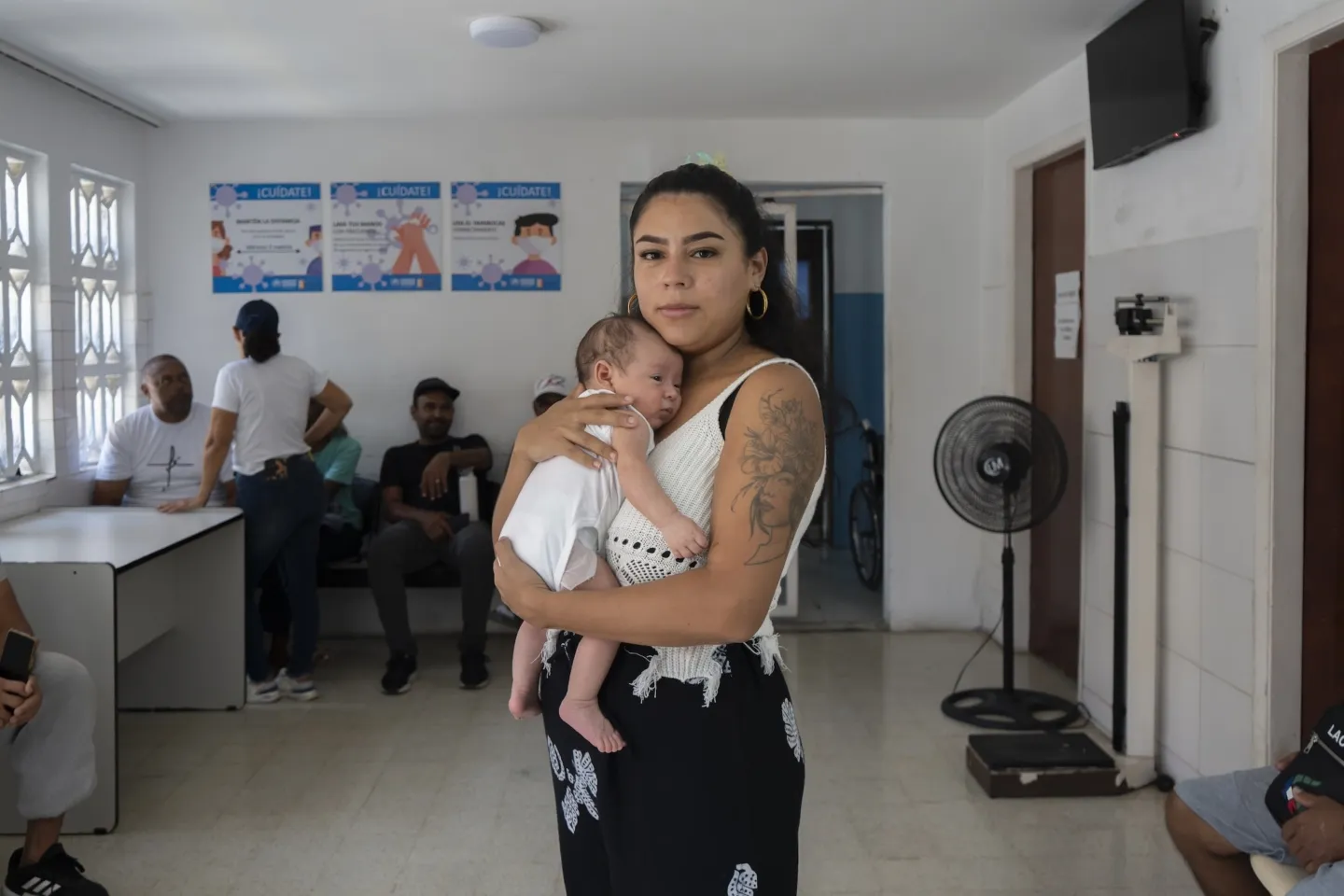
The session in Naiguatá was packed with new mothers seeking guidance on breastfeeding—a free, life-saving resource that requires critical in-person guidance often missing during a crisis. There I met Mireya and her six-week-old baby, Emmanuel. Mireya was nearly nine months pregnant when the earthquake struck. Following disruptions at local hospitals, she delivered safely on July 6, making Emmanuel the first baby born at their local clinic post-disaster.
“We named him Emmanuel because it means ‘God is with us,'” Mireya said. “Amidst so much tragedy, we were blessed. Finding lactation consulting in La Guaira is hard right now. Before this workshop, Emmanuel had trouble latching, and in less than five minutes, the team helped me fix it completely. It is an immense relief.”
Physical care is only one part of recovery. At various MMUs, social promoter María Valentina Márquez provides psychological first aid to community members processing loss and trauma.
“More than anything, people need peace of mind,” she said. “Many people are dealing with severe anxiety and grief over lost family members. They need someone to validate that what they are experiencing is normal.
“This is my country. … We are planting a seed that continues to grow so recovery becomes sustainable.”
“More than anything, people need peace of mind. Many people are dealing with severe anxiety and grief over lost family members. They need someone to validate that what they are experiencing is normal.”
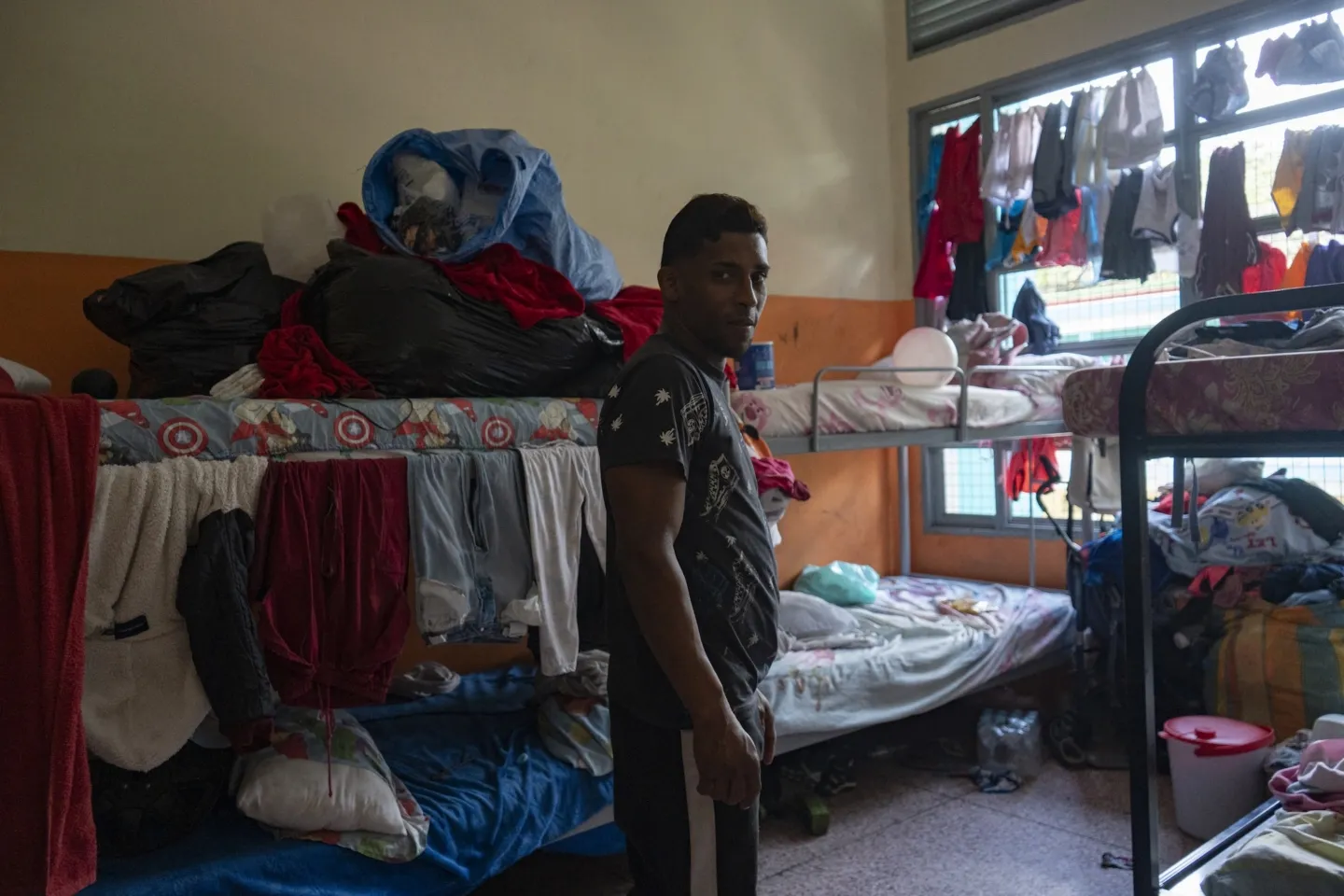
UEN Pedro Emilio Coll in Caracas was the site of one of the largest MMUs. This school served as a community shelter housing hundreds of families whose homes had collapsed or become uninhabitable.
There I met Nelson, a father who escaped when the back wall of his home collapsed directly onto the bed where his wife and daughter were resting.
“I pulled strength out of nowhere,” Nelson said, recounting how he carried his three small children downstairs while his partner guided the others. “It was terrifying to see everything shaking like a movie. Now, every aftershock brings back that fear. But being here, receiving support and having access to basic necessities keeps our spirits up.”
Meeting families navigating this lingering aftermath highlighted just how much the health landscape has transformed since the first days of the disaster. Dr. Ligia Gordon is a Health Specialist for Project HOPE. She reflected on how health needs evolve over the life cycle of a disaster.
“In the first days, the response was about physical trauma and search-and-rescue support. Now, we are managing the secondary impacts: pregnant women whose prenatal care was interrupted, older adults needing chronic disease medications, and deep psychological trauma like chronic insomnia,” she said. “Amid all that hardship, bringing a sense of relief and a smile to someone’s face brings immense purpose to this work.”
Water, sanitation, and hygiene (WASH) support remains central to preventing infectious disease outbreaks after a disaster. Keino Gómez, Project HOPE’s WASH Program Specialist, has been leading distributions of water filters, hygiene kits, and water treatment supplies.
“When people lose everything, everyday items become immense treasures. Our kit distributions also act as a bridge, building trust so families feel comfortable stepping into our mobile units for free medical and psychological consultations.”
Throughout La Guaira and Caracas, what left the deepest impression was the dedication of our local team members: humanitarians who set aside their own personal hardships to care for their neighbors. Venezuela is a country that has endured many challenges, yet the resilience of the people remains unshakable. The physical and emotional rebuilding will take time, but as long as the needs remain, our team members will be on the ground working alongside them.