Photos: Melissa’s Devastating Impact in Jamaica
Go alongside Project HOPE’s emergency response team as they deliver critical relief to the hardest-hit communities in Jamaica.
Hurricane Melissa is the strongest recorded hurricane to ever hit Jamaica, causing widespread damage, landslides, and flooding across the island.
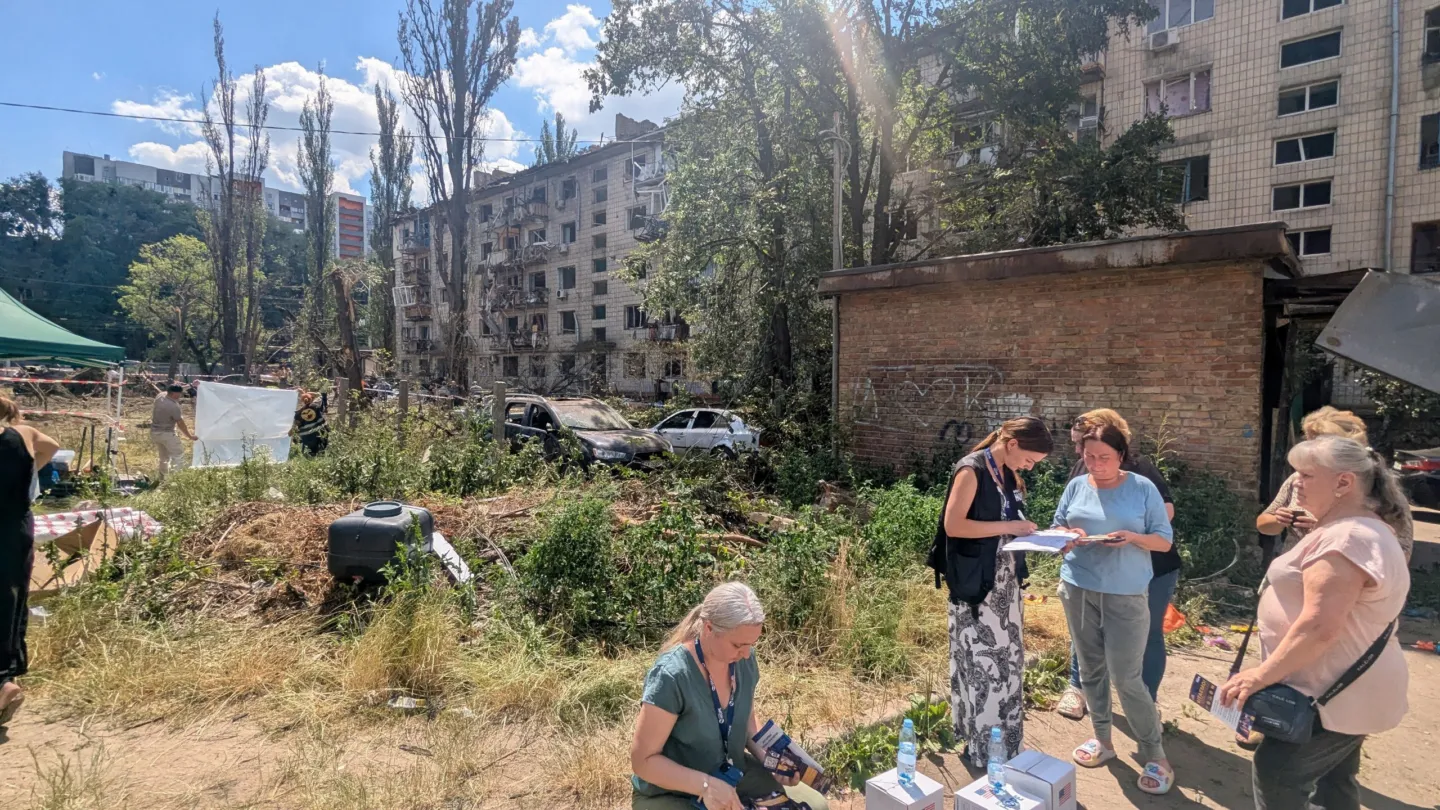
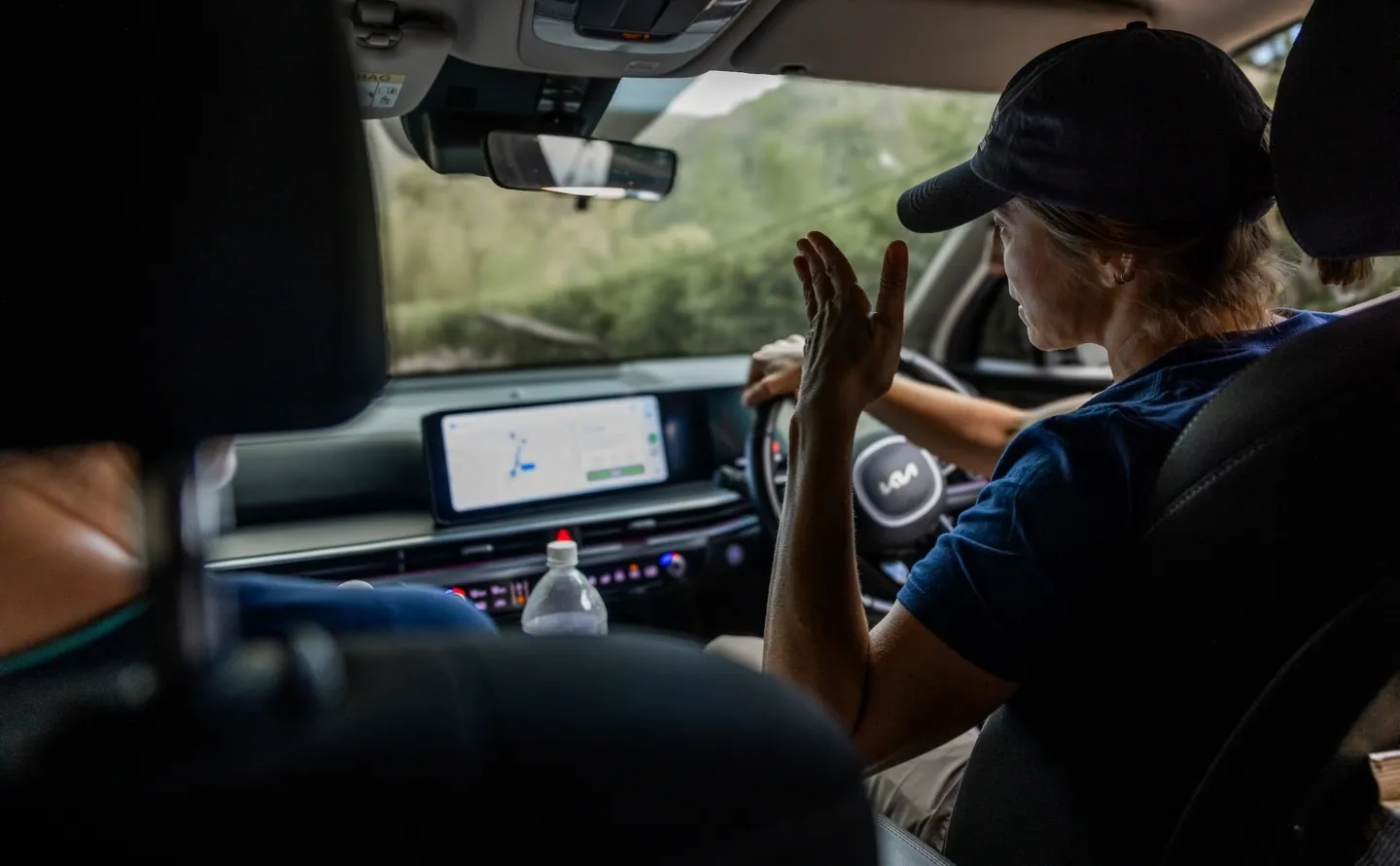
Project HOPE is on the ground distributing urgently needed relief items, coordinating with local officials, and conducting rapid needs assessments to identify needs across the region. But the road to recovery will be long — especially for rural communities and health facilities that were devastated by the category 5 hurricane.
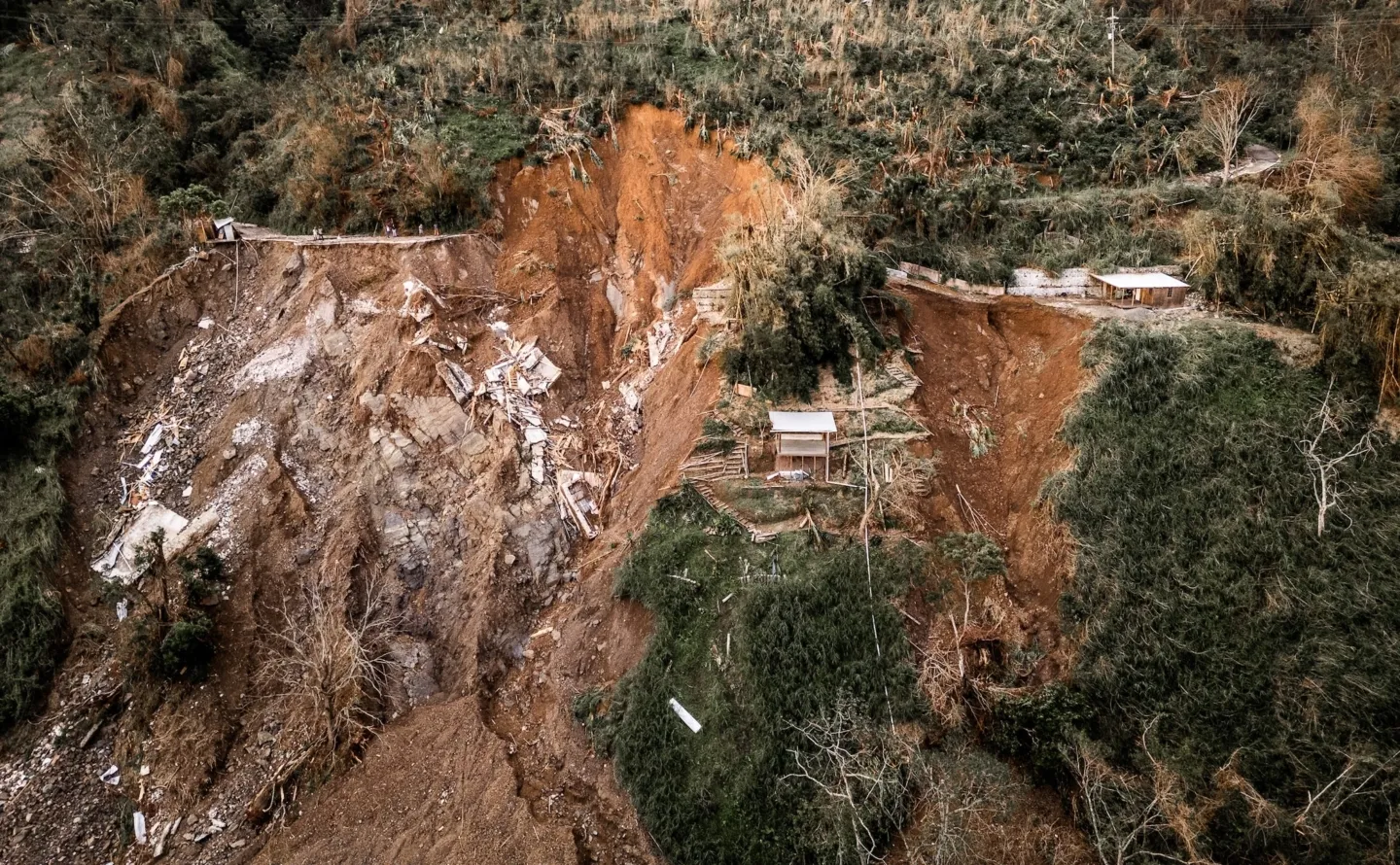
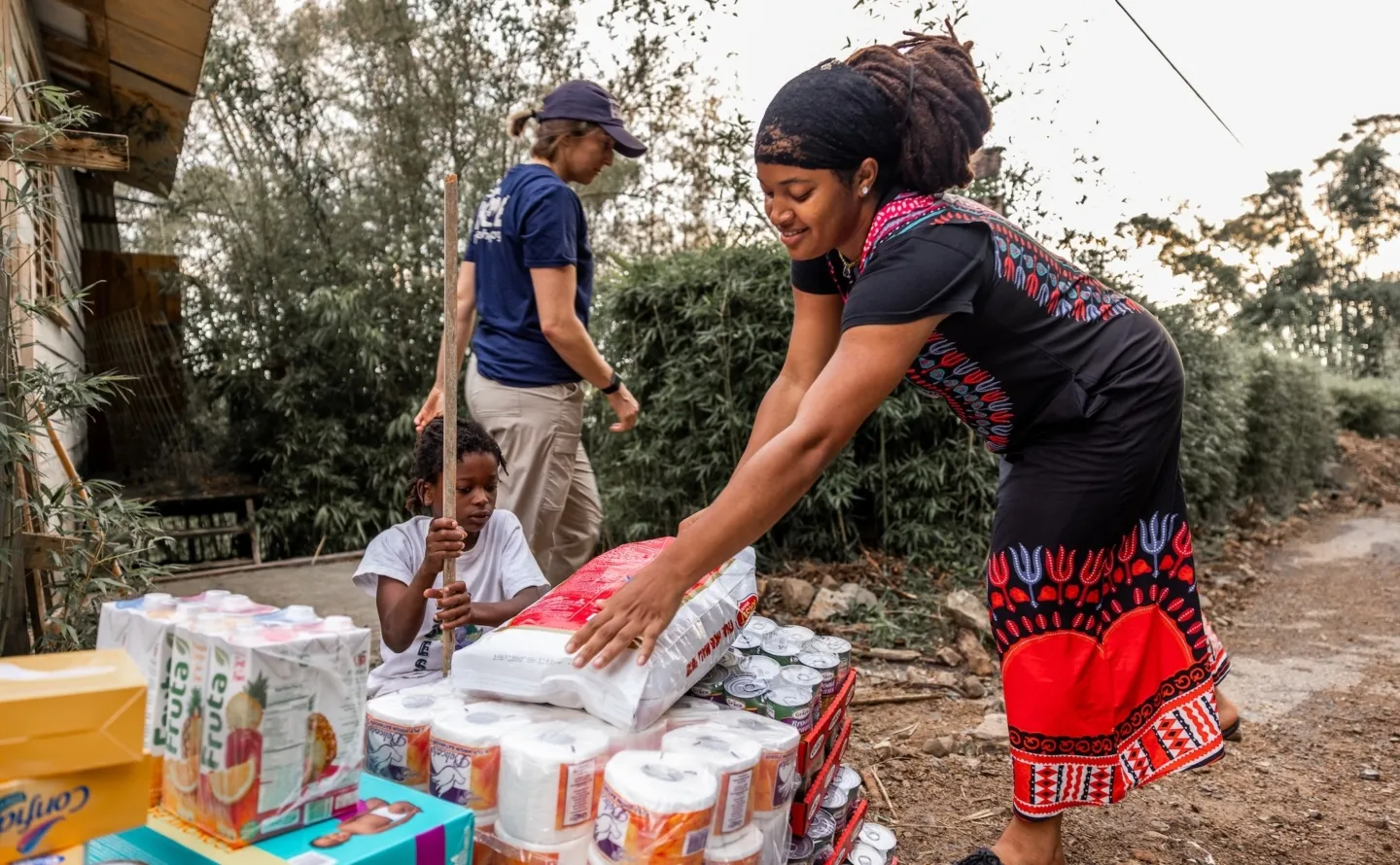
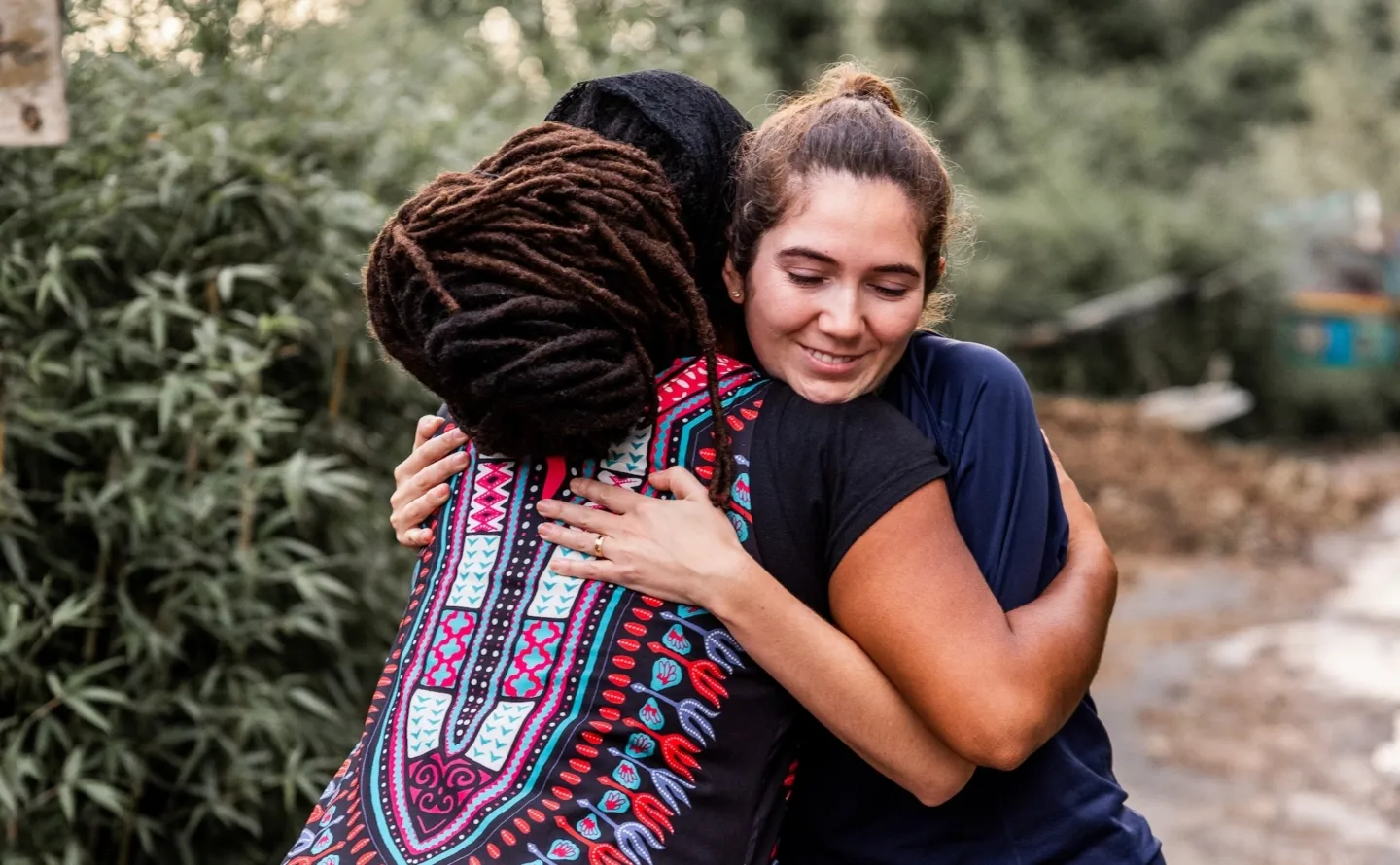
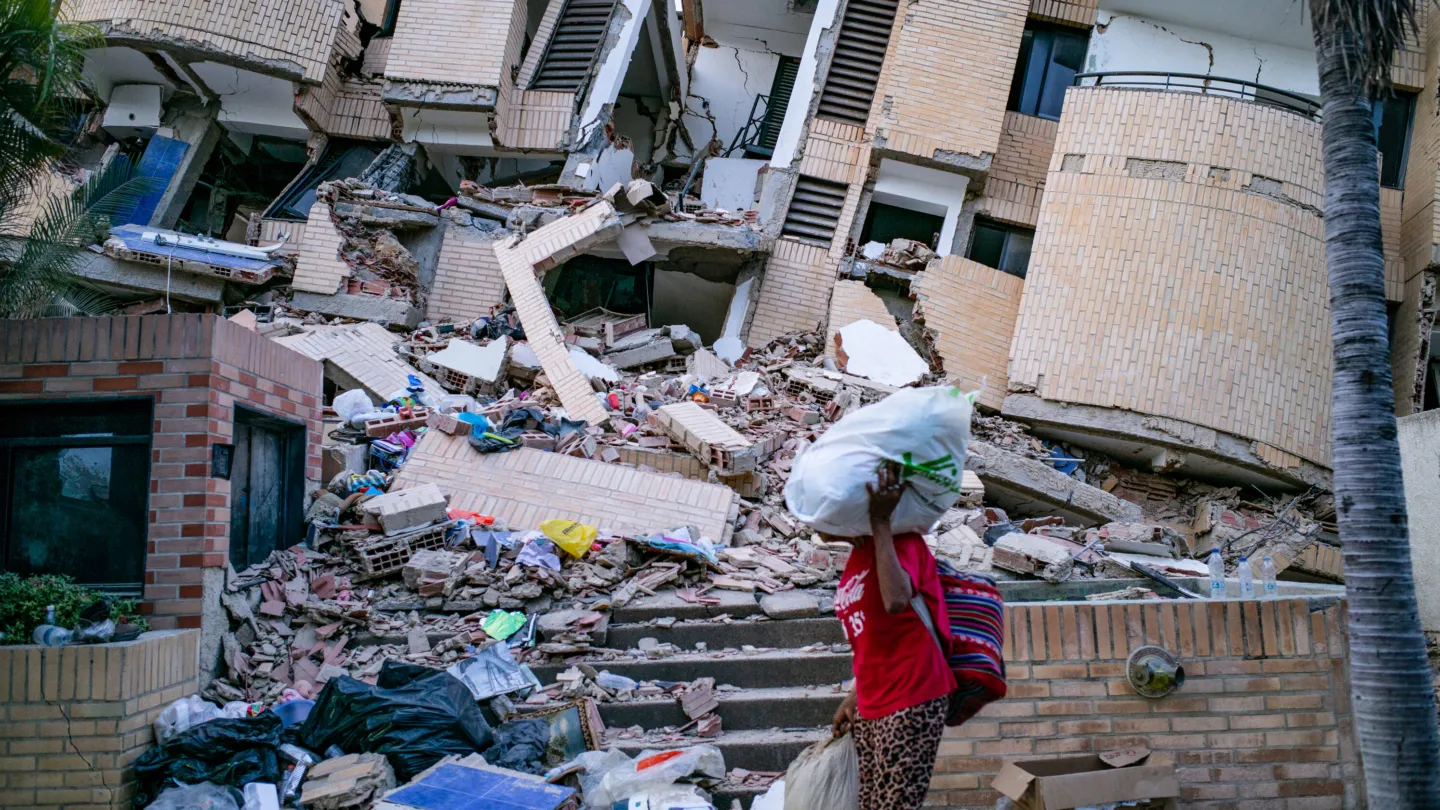
Hurricane Melissa caused widespread destruction in Jamaica’s rural communities. With roads destroyed, homes damaged, and electricity out, many communities are still struggling to meet even their basic needs following the storm.
On November 7, Project HOPE delivered an urgent distribution of food and medical supplies to a remote community of 250 people in Jamaica’s Blue Mountains who were cut off by a landslide following the hurricane.
With an estimated 350,000 people in need of humanitarian assistance, the items are a critical first step in helping communities meet their most pressing needs during the long recovery phase.
Project HOPE has reached multiple marooned communities across Jamaica, bringing relief to those who have been stranded and providing hope to families during the critical moment of this response.
“When you go to affected areas, it looks as if a tornado has passed through and created completely barren spaces.”
— Kemesha Swaby, Project HOPE’s Emergency Response Coordinator in Jamaica
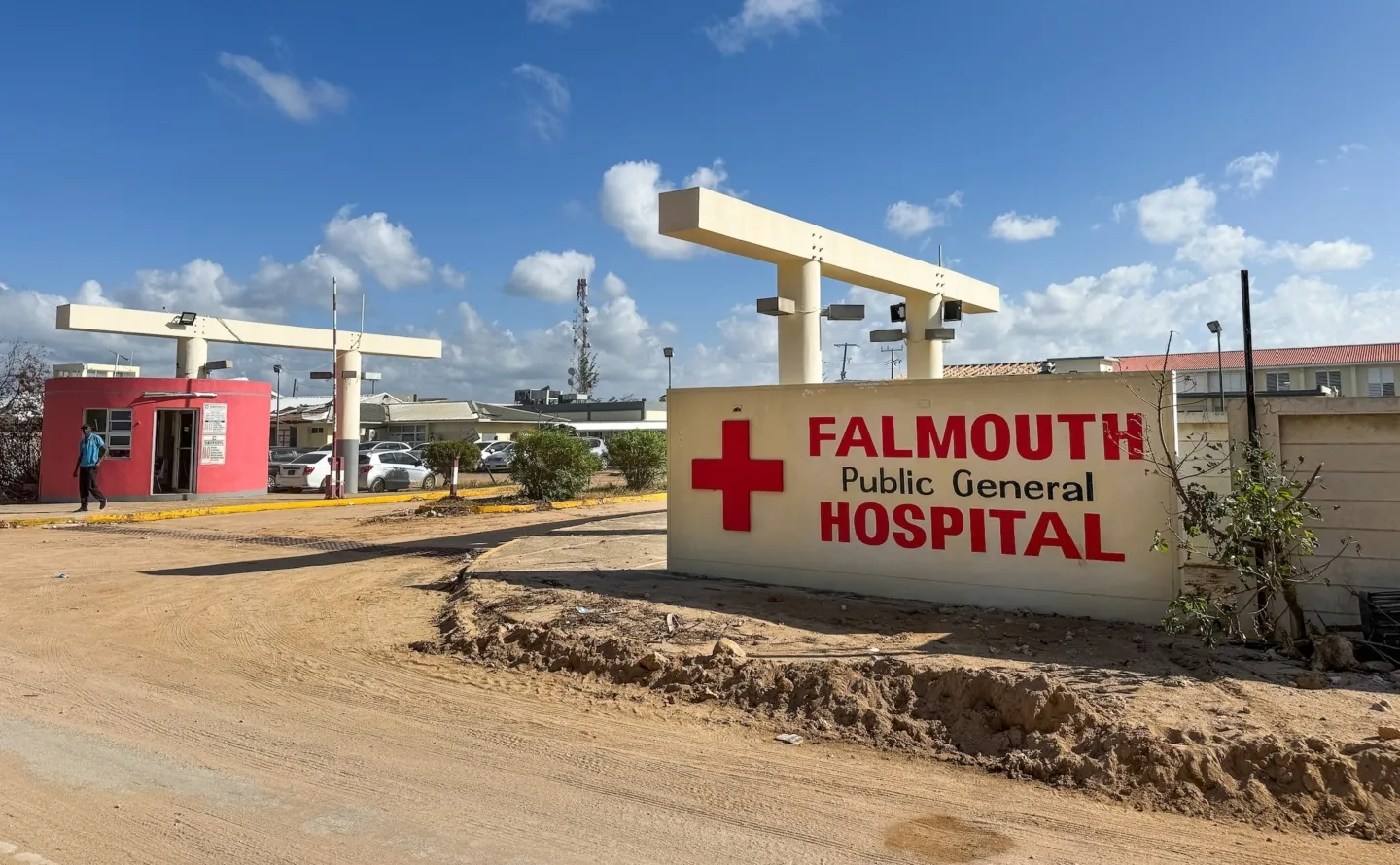
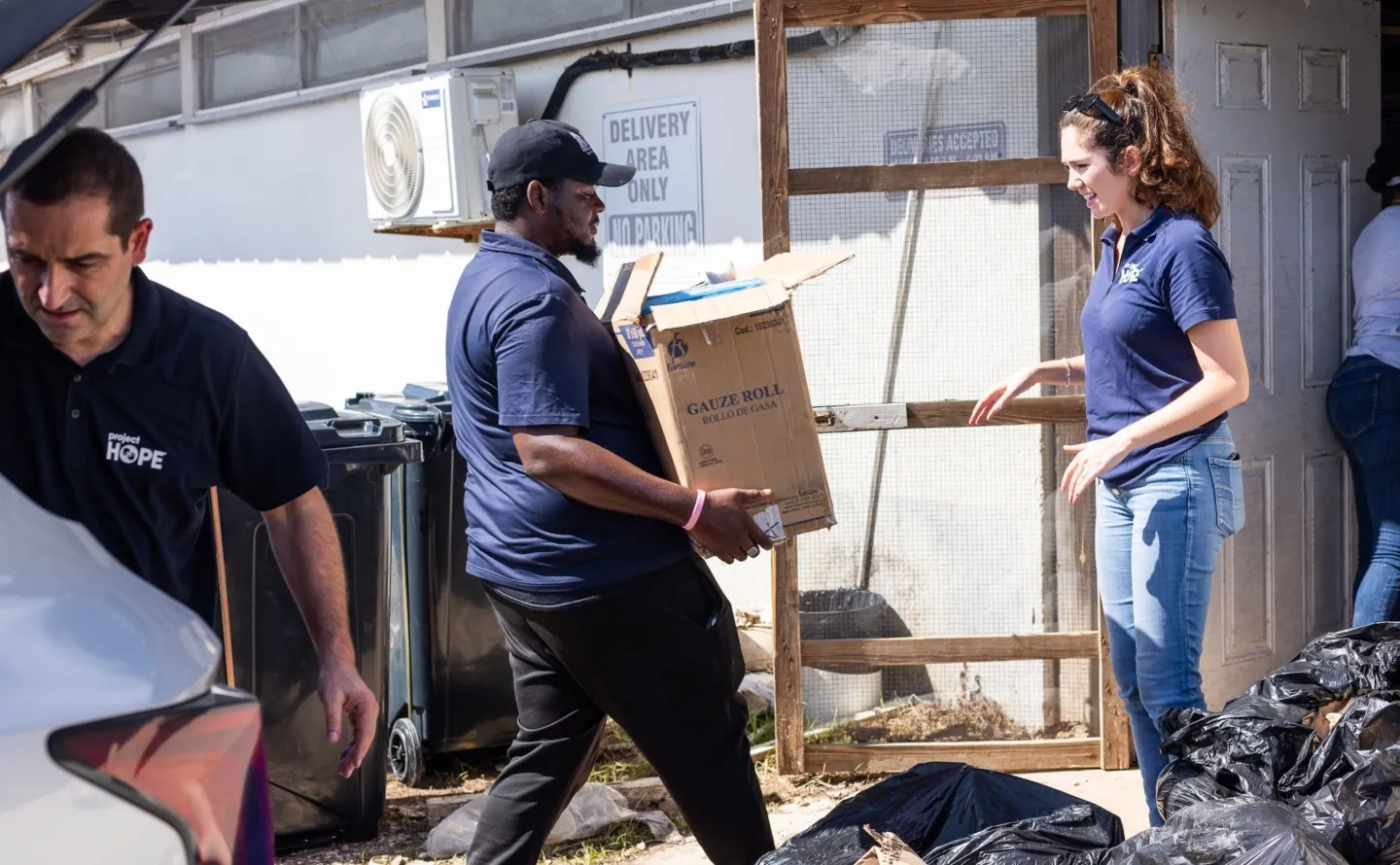
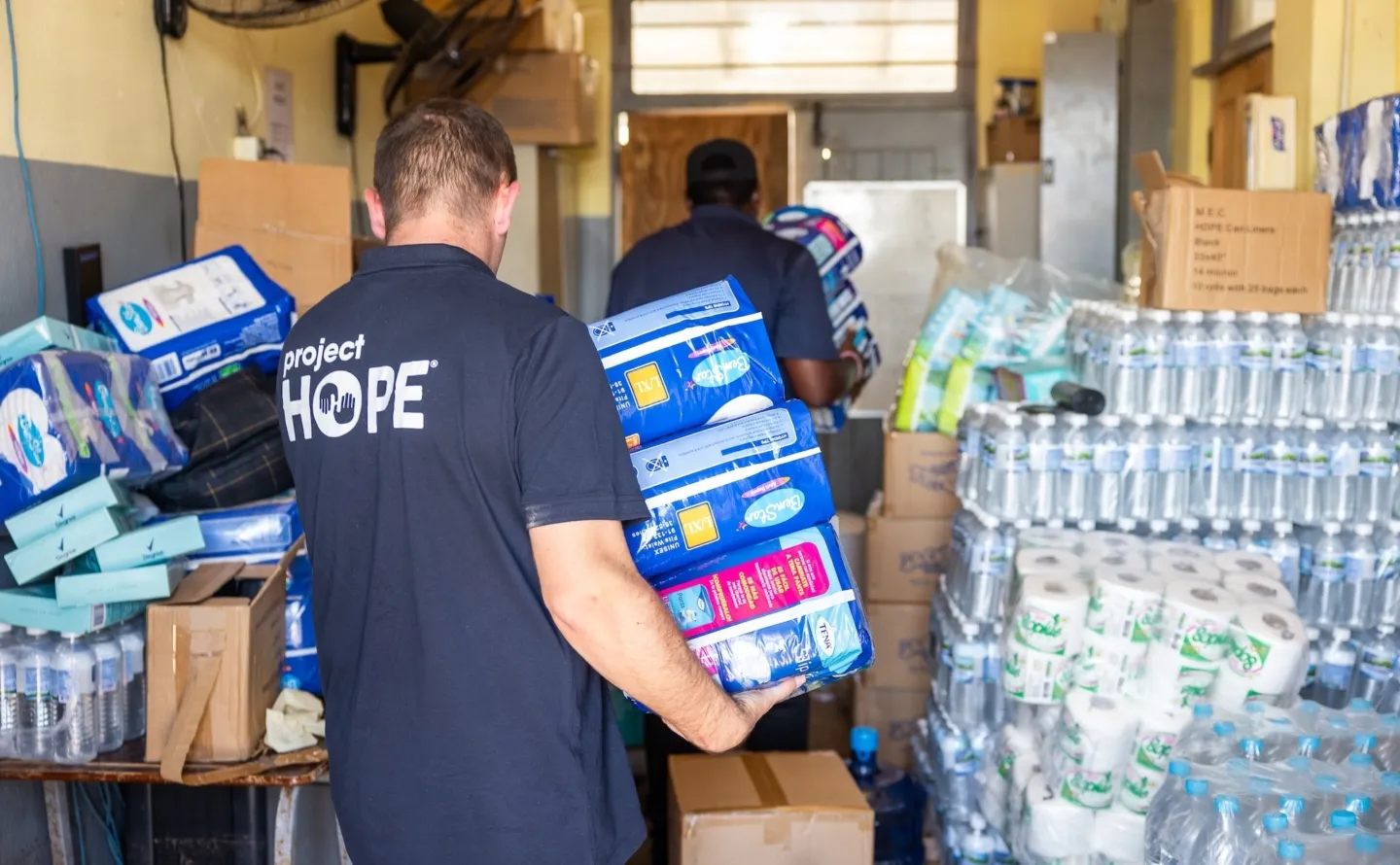
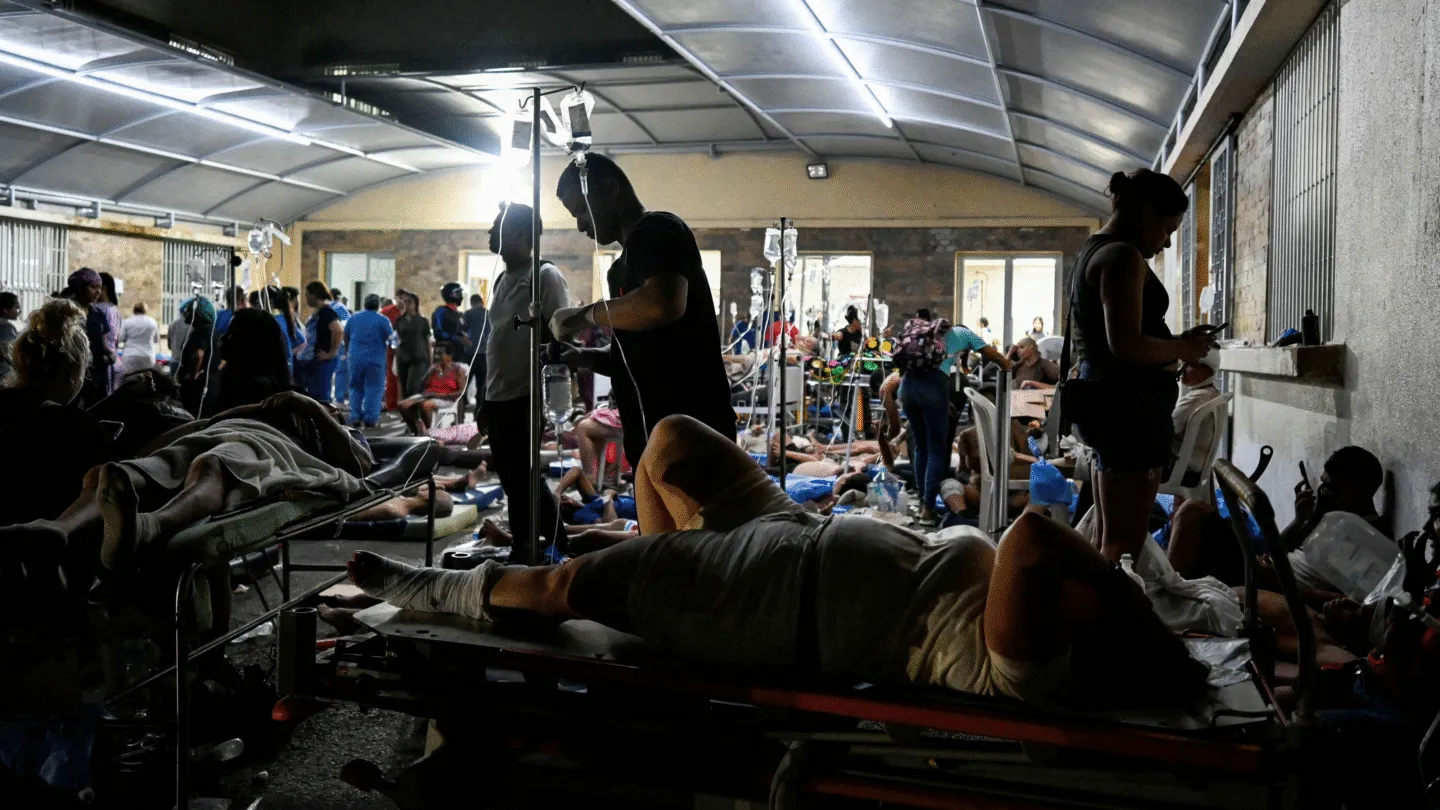
Hurricane Melissa had a major impact on Jamaica’s health system, including severe impacts to five major hospitals across the island.
When Project HOPE learned of urgent needs at Falmouth Hospital on the north side of the island, the team delivered medical supplies, infant supplies, and potable water to support health workers who were working around the clock.
Our team has distributed hygiene supplies — including diapers, soap, menstruation products, and toothbrushes — to Black River Hospital, Falmouth Hospital, and a shelter in Browns Town.
Going forward, Project HOPE will establish static and mobile health clinics, supply communities with clean drinking water, equip health workers with medical supplies, and provide mental health and resilience trainings to frontline responders.
“Health workers have been working for days with no rest. They are beyond exhausted and in desperate need of mental health support, but they continue to work because they know their patients need them. Now we must have their backs.”
— Christine Lathrop, Senior Program Officer, Emergency Response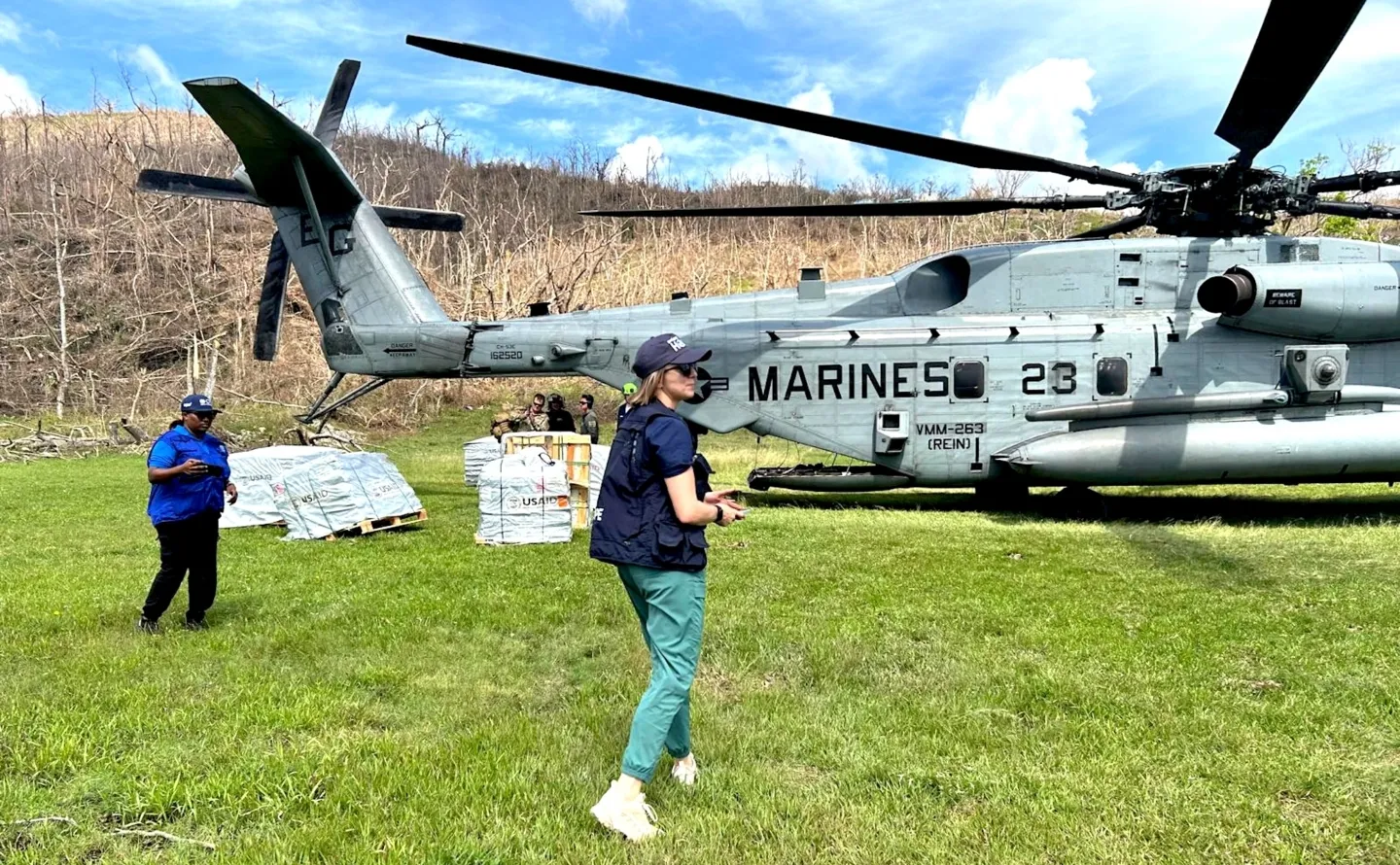
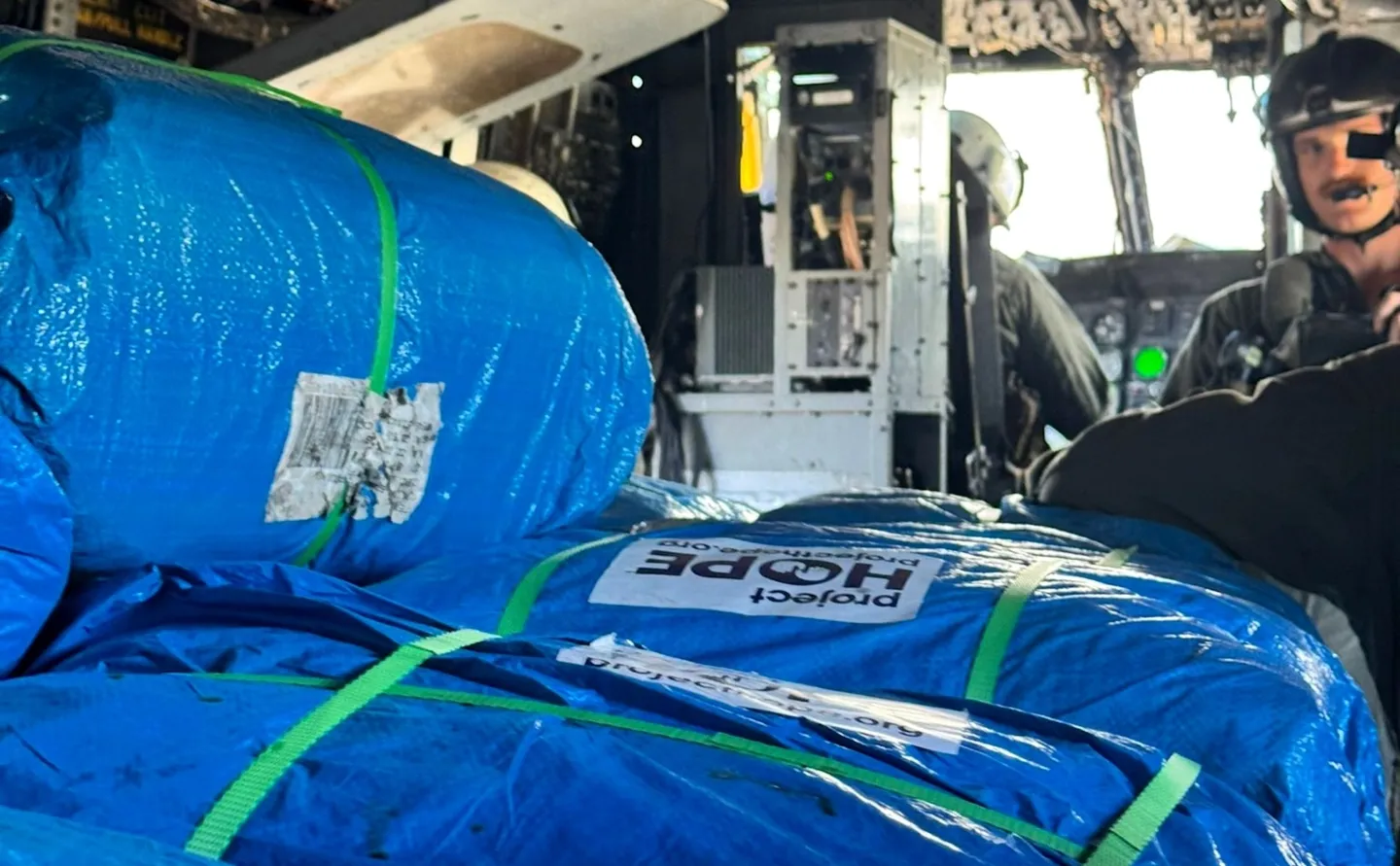

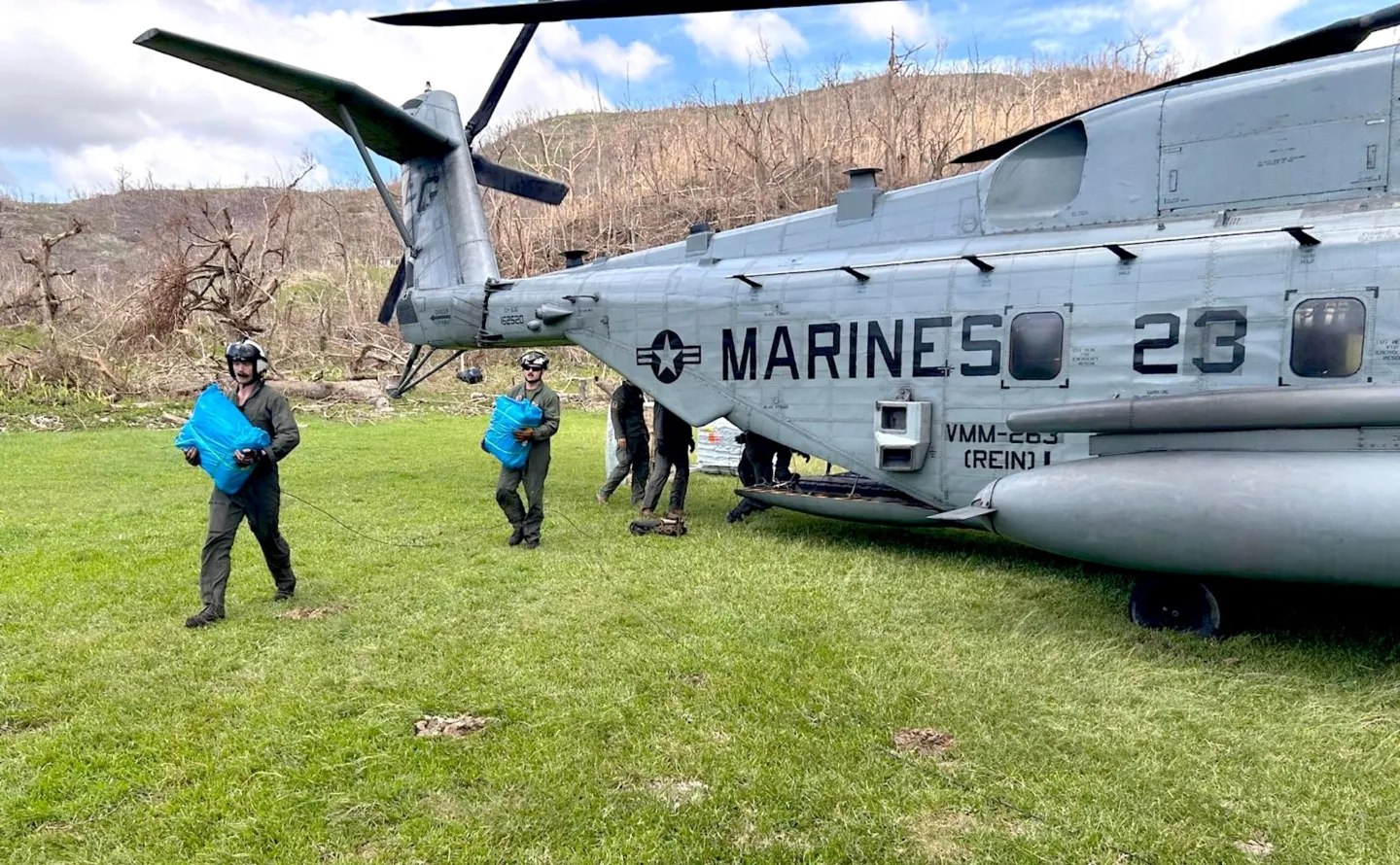
Beeston Spring, a remote community of about 2,500 people, was isolated for a week following the storm with no contact from aid groups or first responders. Ninety percent of homes were damaged or destroyed, roads were impassable, and the only access was by helicopter.
Within 24 hours of hearing the need, Project HOPE sourced 325 tarps and delivered them to an airfield for transport on a U.S. Marines-operated helicopter.
The tarps provided immediate protection from the elements for families in need and are a critical first step toward restoring safety.
Rapid, flexible action is critical in disaster settings. By acting quickly, Project HOPE filled an immediate gap and provided lifesaving relief, emotional support, and a promise that a community in need would make it through the disaster.
Photos by Matthew Khoury and Project HOPE staff, 2025.