Health Workers Are Key To Meeting The Climate Crisis | Health Affairs
As the climate emergency accelerates, the global health workforce, which is already overstretched and under resourced, stands on the front lines of a crisis that demands urgent investment in their protection and resilience.
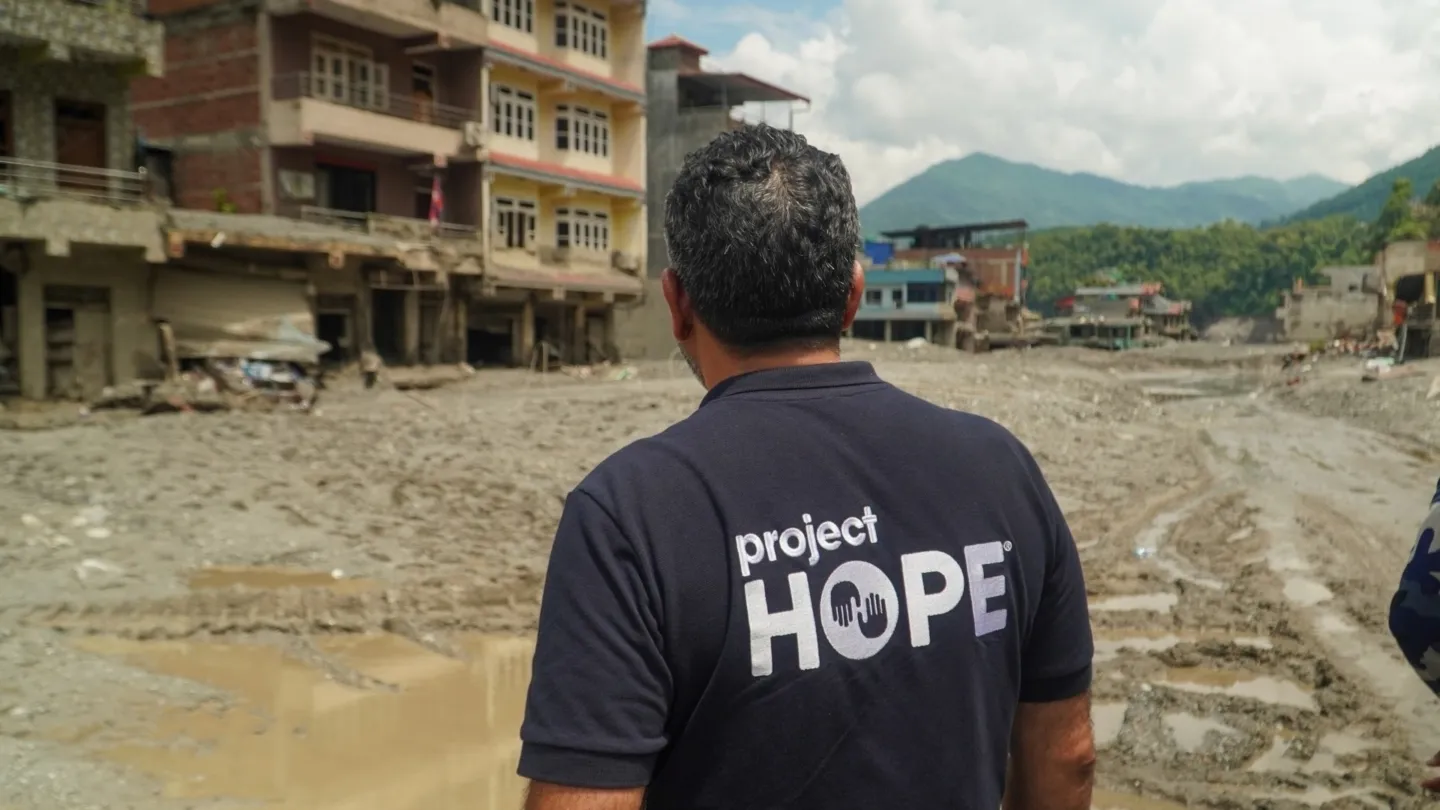
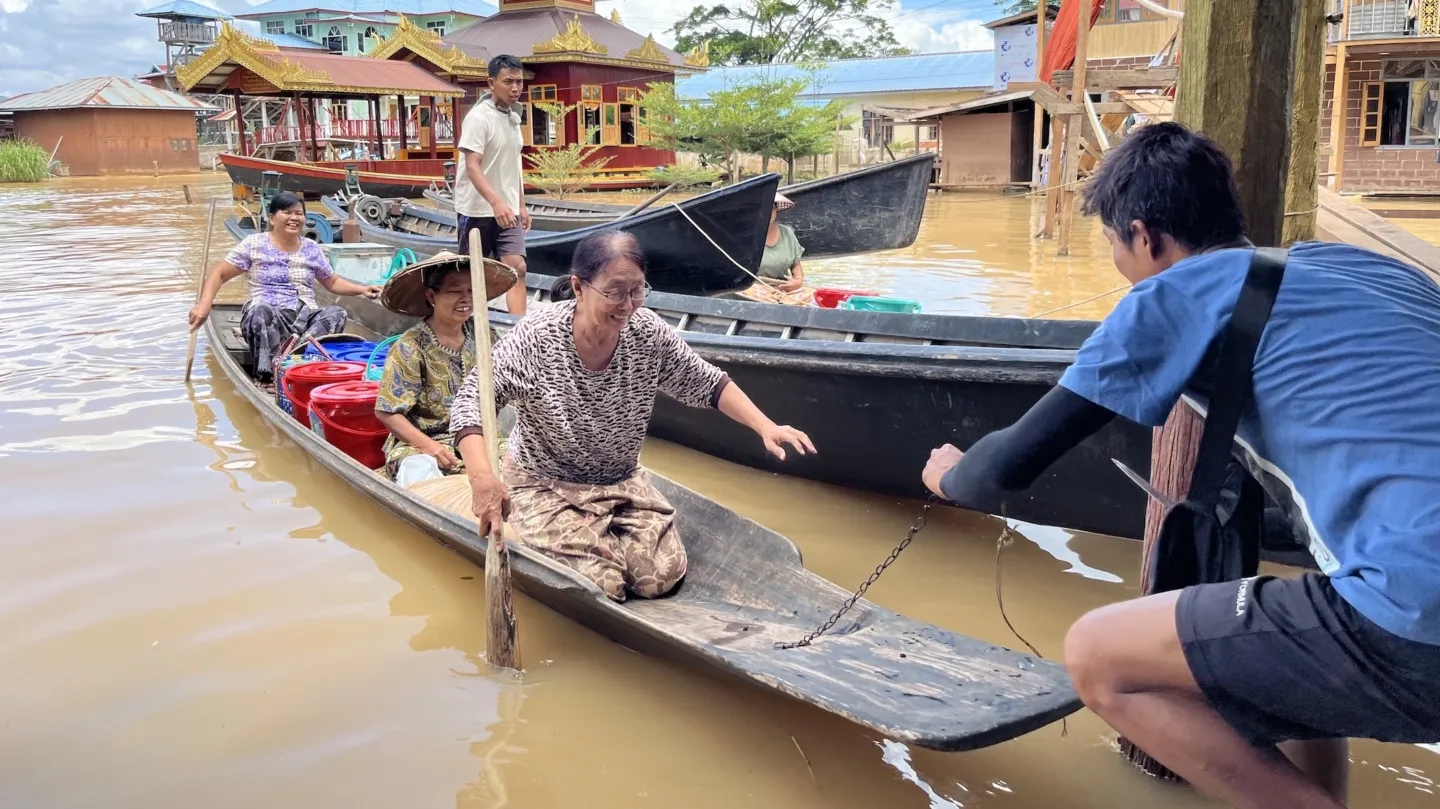
The evidence is undeniable: The climate crisis is a health crisis. Floods fuel outbreaks of cholera and other waterborne diseases. Wildfires drive respiratory illness and displacement. Mosquito-borne diseases such as dengue and malaria are spreading to regions they’ve never reached before. And extreme heat, which is now responsible for more deaths each year than any other weather-related hazard, is increasingly linked to maternal mortality and poor pregnancy outcomes.
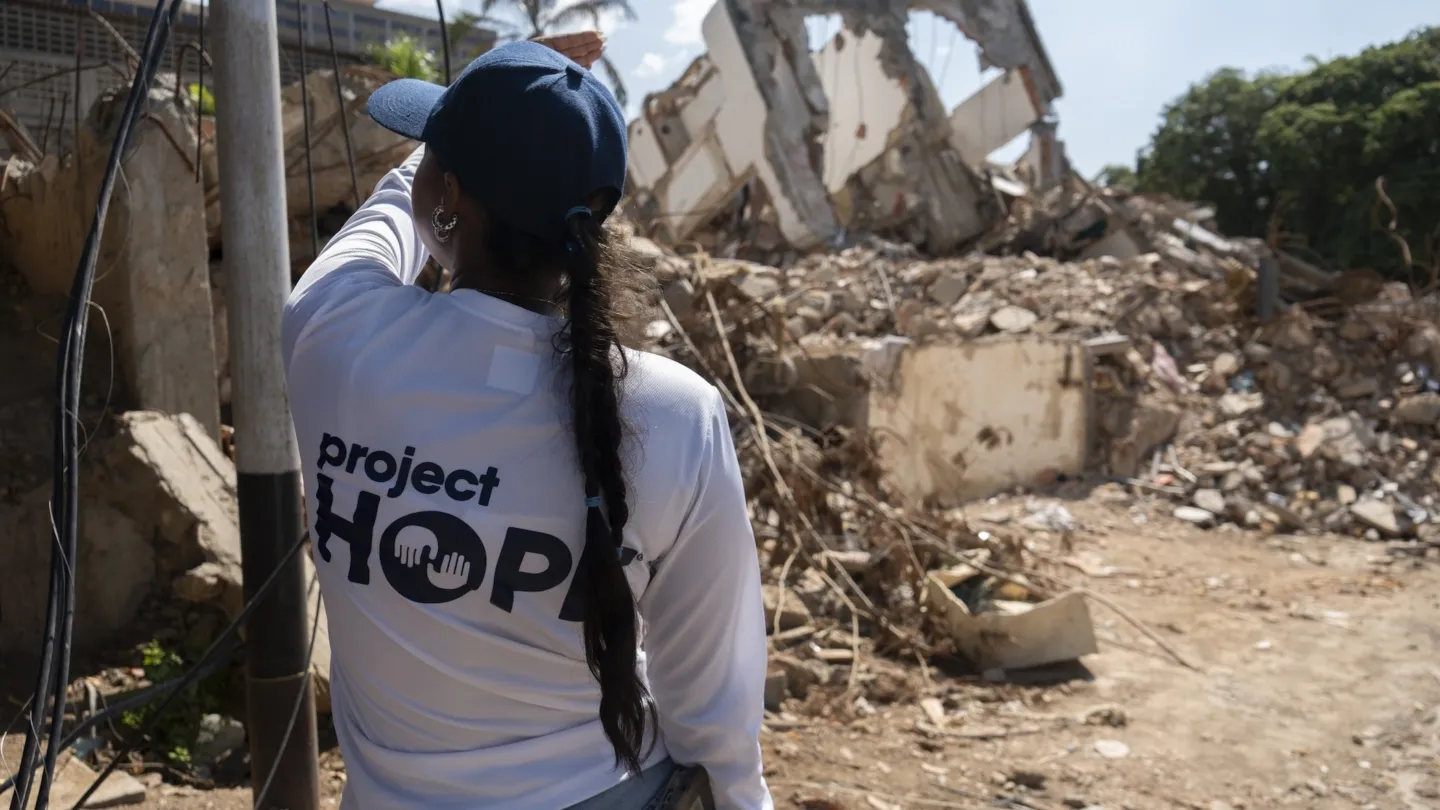
Behind every one of these emergencies stands a human face: the health worker, bearing the costs of response, often with little protection or support.
The world is facing a projected shortfall of eleven million health workers by 2030, according to the World Health Organization. Climate change is compounding this deficit, heightening risks for those already stretched thin, and particularly for women, who make up nearly two-thirds of the global health workforce.
Health workers report high levels of stress, depression, anxiety, and burnout, all of which were made worse by the COVID-19 pandemic. As climate shocks spread, this trend is heading in the wrong direction, bringing stressful environments, staff shortages, and a lack of resources that make these conditions worse.
The world is asking them to do too much with too little, especially in low-resource settings facing the full force of the climate emergency.
Last year, Project HOPE partnered with Deloitte on a white paper exploring the intersection of climate change and the health workforce. Our takeaway was clear: We cannot meet the challenge of climate change without investing in health workers. This is not optional. Natural disasters will neither wait on politics nor respect borders. The emergency is here, visible in flooded clinics, overwhelmed hospitals, and exhausted staff. Meeting it requires policies and preparedness plans that center health workers and the resources they need to stay safe, equipped, and supported.
We already know what works: training health workers to recognize and treat climate-linked diseases, using data and early-warning systems to anticipate outbreaks, building facilities that can withstand floods and heat, and expanding mental health and psychosocial support for responders. These are proven, scalable measures that must be treated as core investments in global health, not discretionary add-ons.
In Nigeria and the Dominican Republic, Project HOPE is piloting a first-of-its-kind training program for health workers on how to operate as climate-smart professionals. The curriculum addresses today’s realities: extreme heat, air pollution, food insecurity, vectorborne diseases, and mental health.
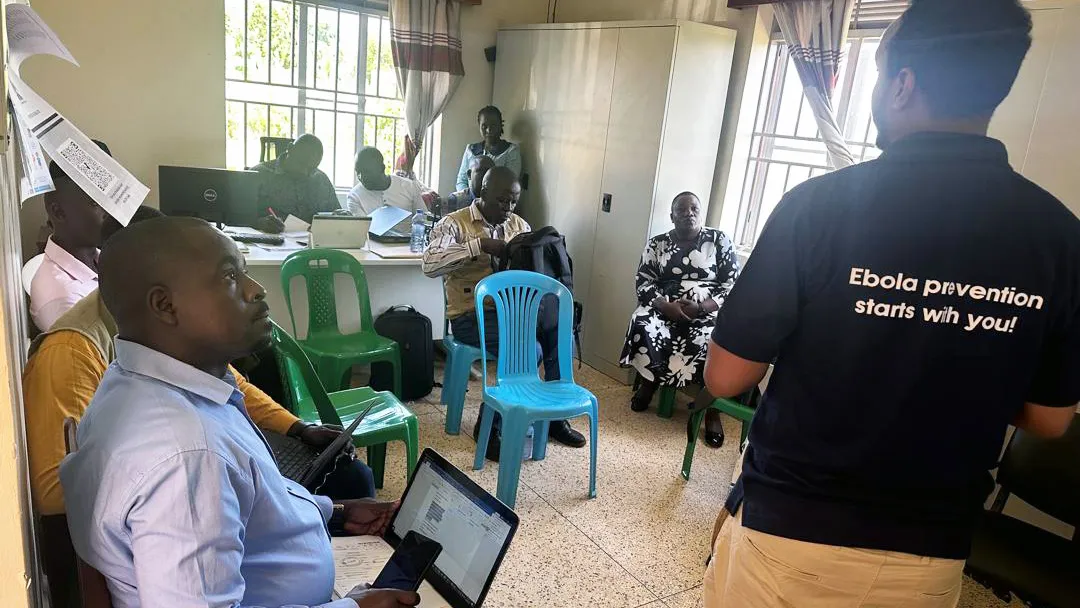
As Zakariya Mohammed, director of the Department of Climate Change in Nigeria’s Federal Ministry of Health and Social Welfare, told our team at a Climate Change and Health Workshop, “This is the first climate change intervention in Nigeria specifically targeting health workers—a critical step toward building climate-resilient health systems.”
By helping health workers understand the health impacts of climate change, we empower them to act proactively, reduce risks, improve early detection, and protect vulnerable populations before crises spiral. But pilot programs are only one piece of the puzzle. We must scale these efforts through national policy; integrated financing; and partnerships across health, environment, and development sectors.
Above all, health workers, especially women and those in low- and middle-income countries, must have a seat at the decision-making table. When strategies for climate adaptation and health resilience are being shaped, these health workers should help shape them. Their voices and lived experiences are indispensable.
Climate change is the defining public health challenge of our time. We know what needs to be done. What’s left is the will to do it. If we invest in the resilience and well-being of health workers, we won’t just build stronger systems, we will safeguard the health, dignity, and future of communities everywhere.
Rabih Torbay is Chief Executive Officer and Uche Ralph-Opara is Chief Health Officer of Project HOPE