Lebanon
Supporting primary health care and strengthening the capacity of Lebanon’s health system to address persistent humanitarian needs
Emergency Response
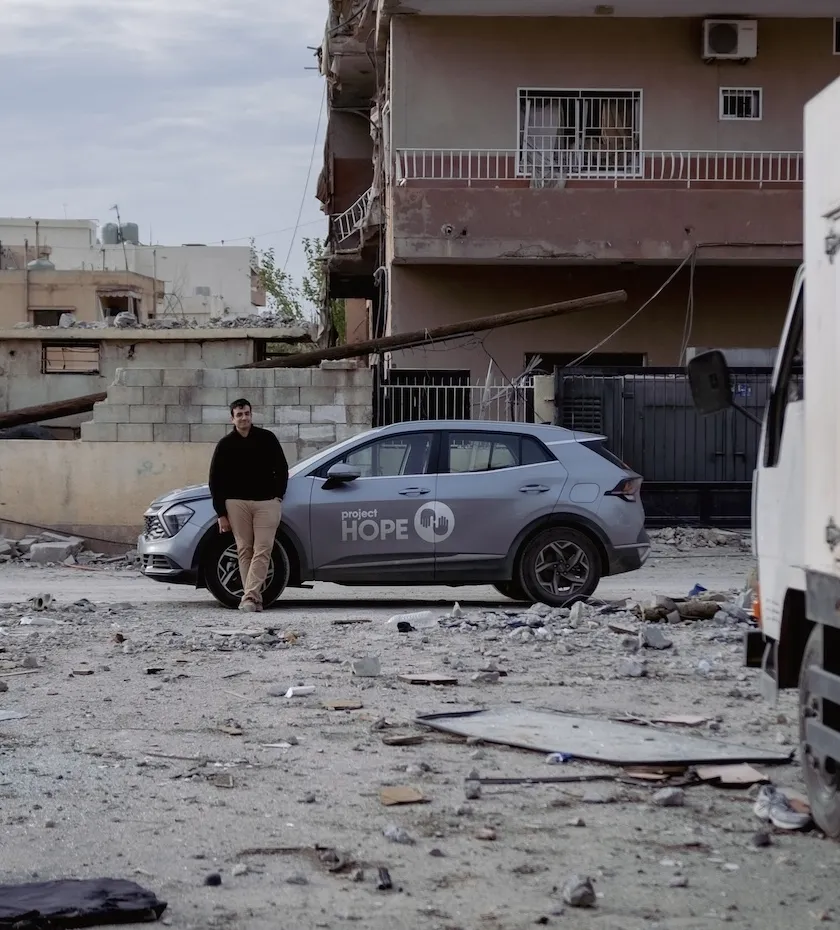
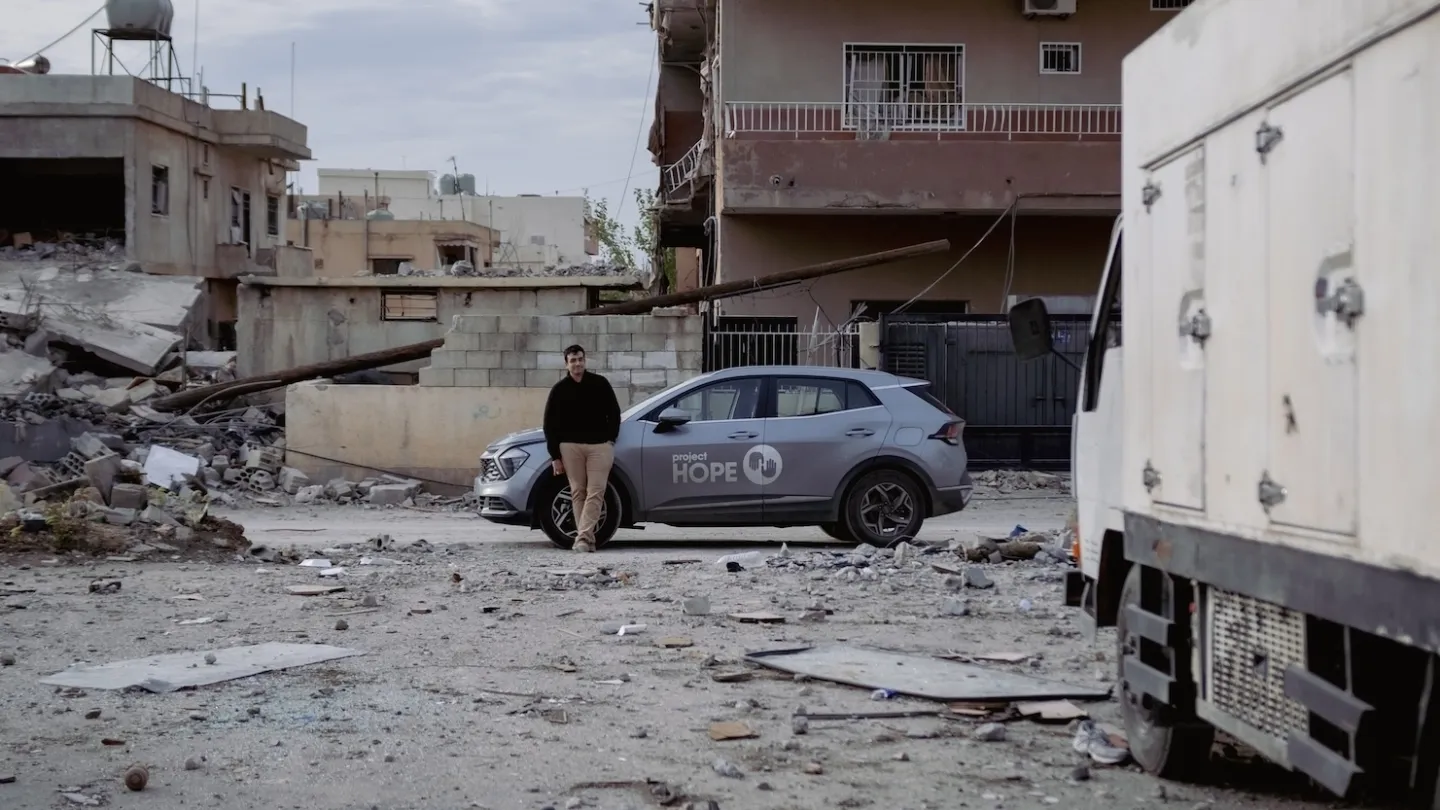
Project HOPE is responding to the impacts of the escalating conflict in Lebanon and continuing to assess the greatest health and humanitarian needs throughout the Middle East. In Lebanon, recent airstrikes have killed civilians and displaced tens of thousands.
The Context
In September 2024, conflict between the Israeli military and Hezbollah intensified inside Lebanon, leading to widespread displacement of civilians and an urgent humanitarian crisis. This conflict re-escalated in March 2026, but Lebanon’s health system was at its breaking point even before then as a result of one of the worst economic crises in the world. Since 2019, civilians have been suffering from dire shortages of medications, medical equipment, and health workers, with hospitals shuttering due to financial strain.
The Israeli military and Hezbollah have exchanged airstrikes on both sides of the Israel-Lebanon border since October 2023. Between then and November 2024, more than 4,000 people were killed, 17,000 were injured, and over a million experienced displacement. Since March 2026, an additional 4,200+ people have been killed, 12,100+ injured, and at least 1.2 million displaced. As the conflict has ebbed and flowed, hospitals, primary healthcare centers, and essential services have been disrupted and, at times, forced to close. Notably, 375 attacks on healthcare were reported between October 2023 and July 2026.
The scale and urgency of health and humanitarian needs in Lebanon increases during times of conflict as civilians endure the traumas of violence, forced displacement, disrupted access to health care, food insecurity, and unreliable access to clean water and sanitation. Project HOPE assessments have consistently revealed an increasing need for mental health and psychosocial support (MHPSS), particularly among children.

1 in 5
people displaced
An estimated 1.2 million people were forcibly displaced by the October 2023 to December 2024 conflict and after the March 2026 re-escalation, the stress of this will have a long-lasting impacts.

44%
of the population lives below the poverty line
The number of people living in poverty has more than tripled over the past 10 years. In parts of northern Lebanon, the poverty rate is as high as 70%.

375
attacks on healthcare since October 2023
As communities work to recover and restabilize amidst re-escalated conflict, the impact on health, water, and civilian infrastructure is evident.
Our Impact
Distributing Health and Hygiene Supplies
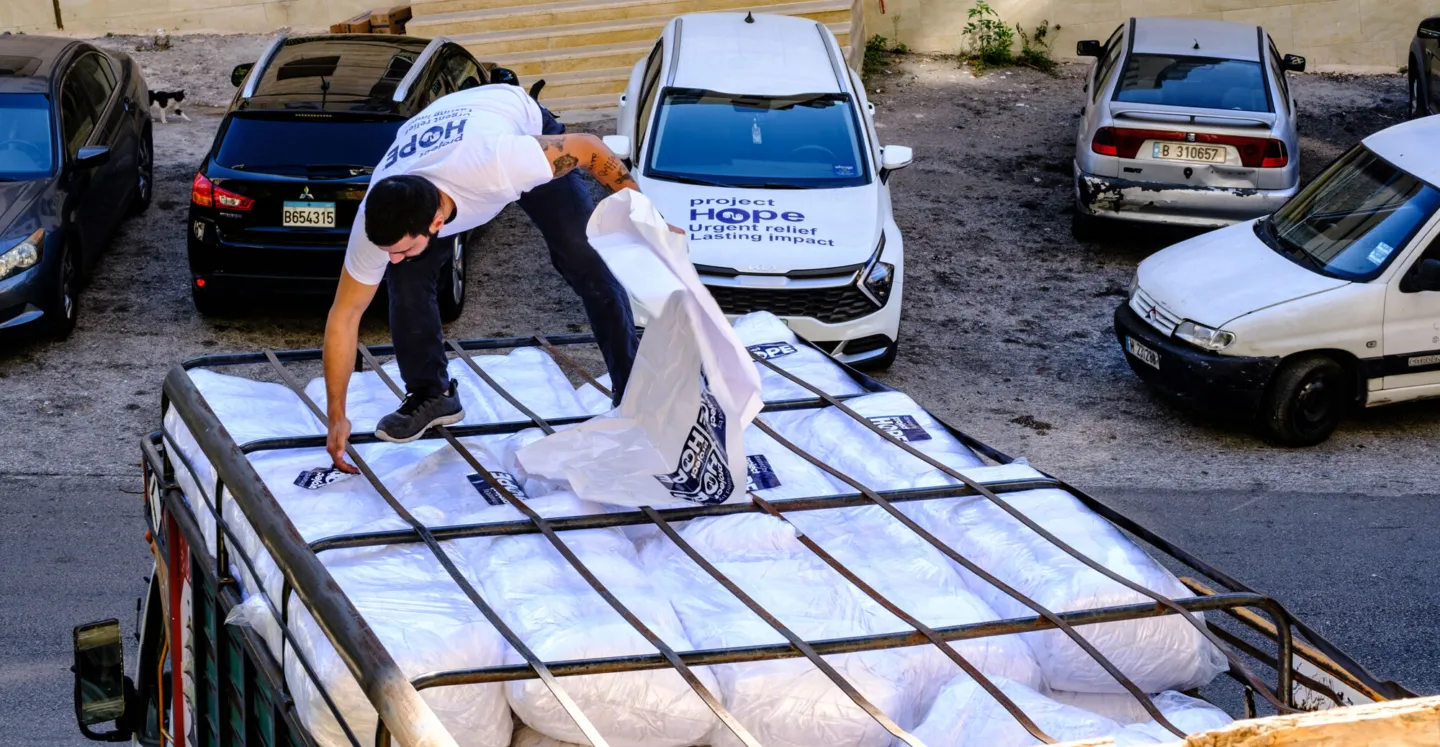
In response to urgent needs, Project HOPE has distributed thousands of hygiene kits and other essential dignity and non-food items like pillows and blankets to internally displaced families at shelters and other locations housing displaced families.
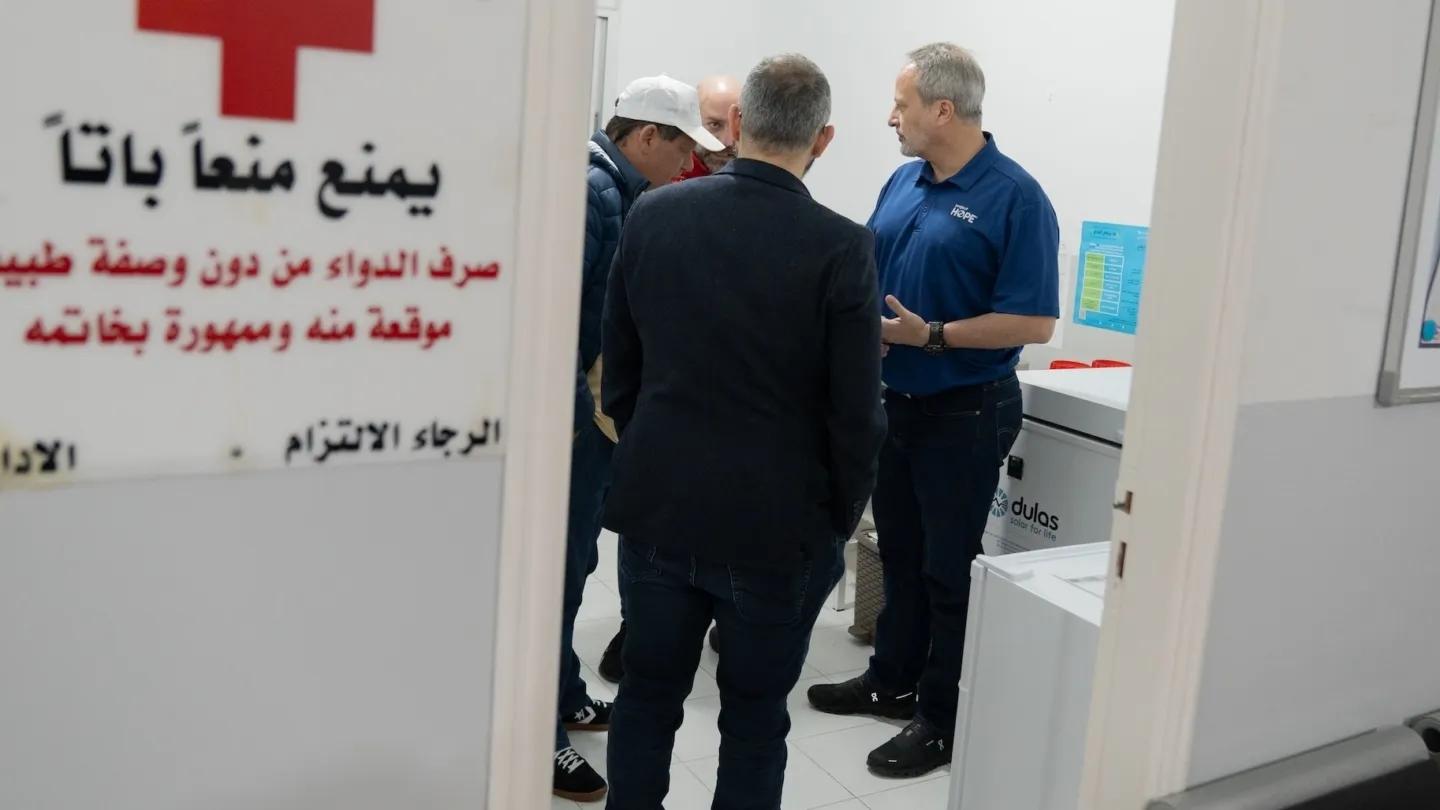
Project HOPE has also worked with the Ministry of Public Health to provide medications and emergency trauma supplies to the health workers treating injuries and saving lives during times of conflict.
Given that Lebanon’s health system was already weakened before the recent conflicts, Project HOPE has also secured other essential medications and medical supplies to strengthen the health system and ensure continuous care for individuals with injuries and chronic conditions.
Surge Staffing and Health System Strengthening
Project HOPE has deployed surge staff and mobilized mobile medical units to address the growing health needs of civilians affected by the conflict. Currently, our team in Lebanon continues to work with affected communities to ensure the health facilities serving them have the tools and equipment they need. And, when services are not available, our team is deploying mobile medical units and working to improve access to healthcare so that parents and children have a place to seek care.
Project HOPE’s team in Lebanon is also supporting primary health clinics, training mental health care providers, and working to strengthen access to MHPSS and WASH services.
Our History in Lebanon
In 2020, Project HOPE launched a response in Lebanon immediately following the Port of Beirut explosion, providing trauma care and psychosocial support through our local partner, Rene Moawad Foundation (RMF). We supported local health workers by procuring and distributing medicines, medical supplies, and hygiene supplies.

Donate
Please give now to deliver urgent relief to people facing disasters and health crises — and make a lasting impact by rebuilding clinics, supporting health workers, providing mental health care, and more.

Join
Follow us on social media, share photos and videos of our work with your family and friends, and join our community of global health champions.

Fundraise
Whether you’re looking to host an in-person event, create your own fundraiser for your birthday, do a charity stream, or run a race, join our community of fundraisers!