Project HOPE’s Relief Efforts in Jamaica One Year after Hurricane Melissa
This week marks one year since Hurricane Melissa made landfall as a historic Category 5 hurricane in Jamaica. In response, Project HOPE launched a six-month emergency response to support the country’s health system and support the most affected communities. The efforts grew from addressing the most immediate health and humanitarian needs to establishing a more long-term presence, providing emergency health services; mental health and psychosocial support (MHPSS); and water, sanitation, and hygiene (WASH) services in the most affected areas.
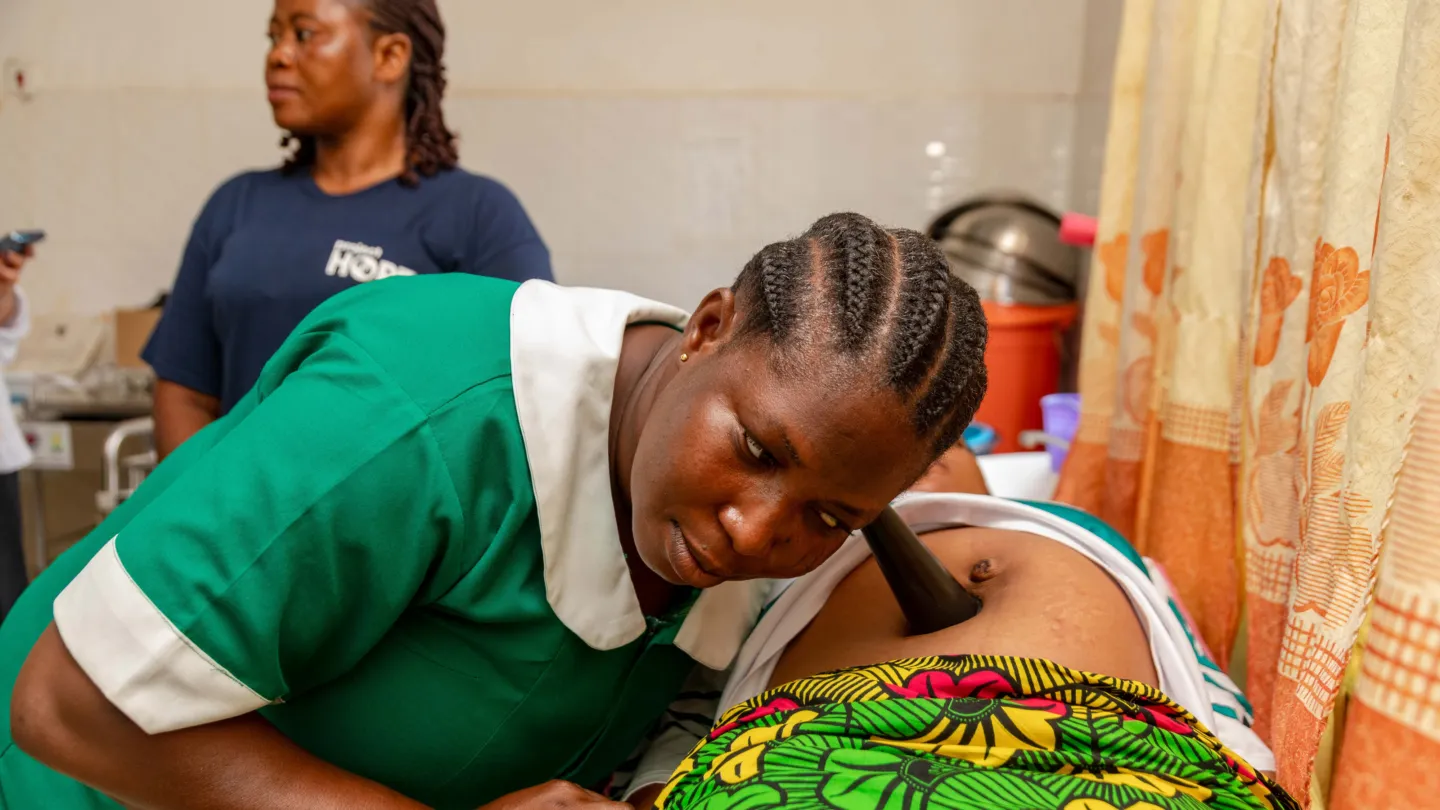
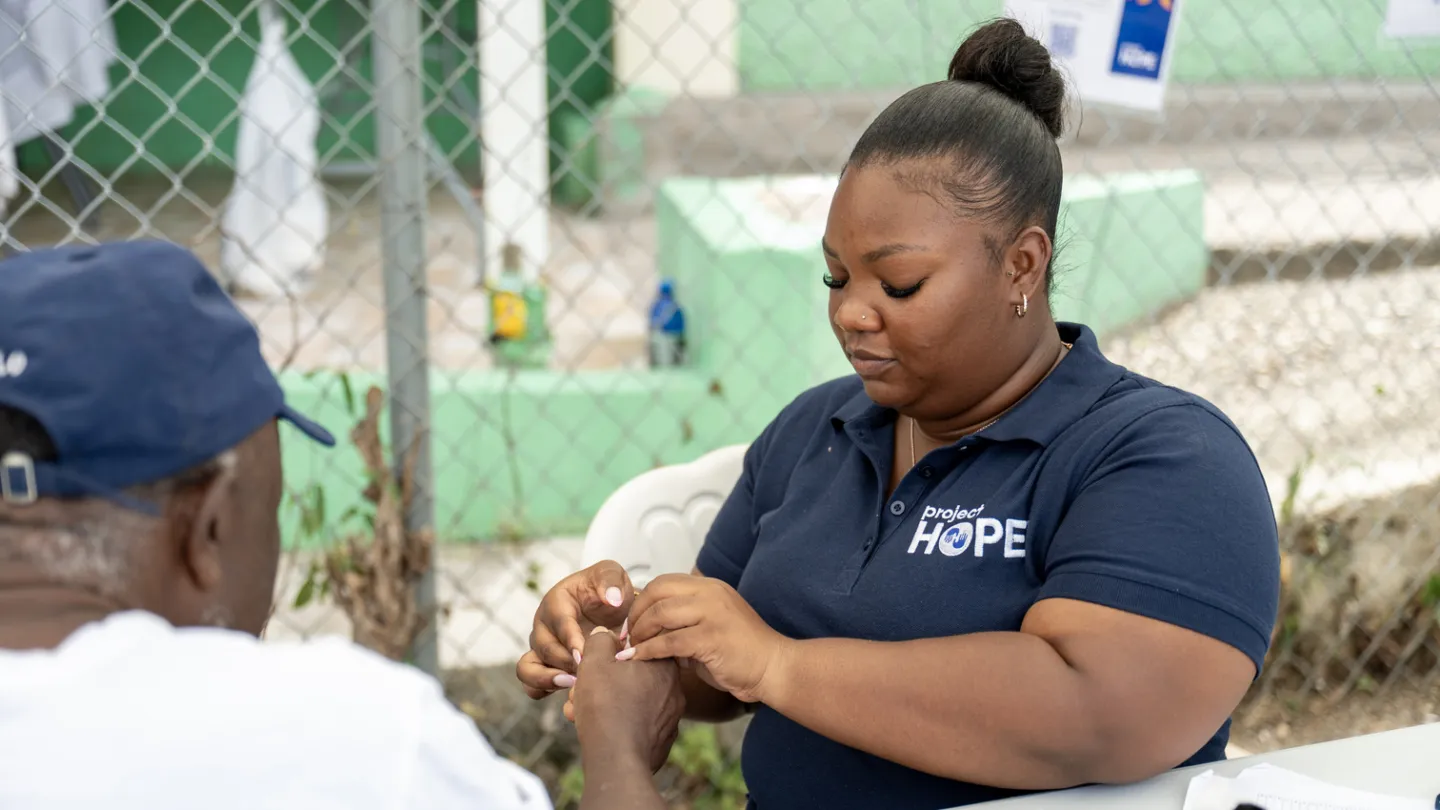
Over the course of the response, Project HOPE delivered critical assistance across four of the hardest hit parishes – St. James, Westmoreland, St. Elizabeth, and Trelawny. The team reached an estimated 139,870 individuals with essential health and humanitarian services, including mobile and static primary care, MHPSS, safe water and sanitation, and health worker trainings. Health service delivery across Jamaica focused on supporting existing health facilities and operating mobile medical units (MMUs) to reach areas without health access.
“When Hurricane Melissa struck one year ago, it cut off entire communities and severely strained local clinics,” said Adib Fletcher, Project HOPE’s Senior Director for the Americas and Humanitarian Initiatives. “By embedding mental health services directly into our mobile medical clinics, partnering with local organizations, and support from the U.S. Department of State, we were able to reach the most needed communities. Our focus was not just immediate relief but leaving behind stronger local systems and trained health workers.”
Throughout the six-month response, Project HOPE delivered 9,216 primary health consultations by deploying MMUs, standing up a field hospital, and providing critical surge support to 14 health centers across the western parishes. Alongside direct clinical care, the team reached 8,669 people with integrated MHPSS services and delivered safe drinking water, hygiene kits, and 50 large-capacity storage tanks to reach nearly 122,000 individuals. To leave behind a lasting foundation for the local health system, Project HOPE also trained 146 Jamaican health workers and community responders in emergency clinical care and psychosocial support frameworks.
A core tenet of Project HOPE’s response was to focus on addressing the most vulnerable individuals, including families with children, people living with disabilities, and older adults. The response reached many women, who often shoulder overwhelming caregiving responsibilities during crises, and older adults, who are frequently left isolated in rural areas and cut off from essential medications for chronic conditions. By tailoring services to families with young children and individuals with disabilities who could not reach static clinics, the response ensured that those facing the greatest physical and social barriers to care were not left behind.
While Project HOPE’s emergency operations have concluded, the initiative leaves local clinics and health workers better equipped to care for the communities and a more resilient future for Jamaica’s healthcare system.
Photos with credits can be accessed here. To learn more, please email media@projecthope.org.
###